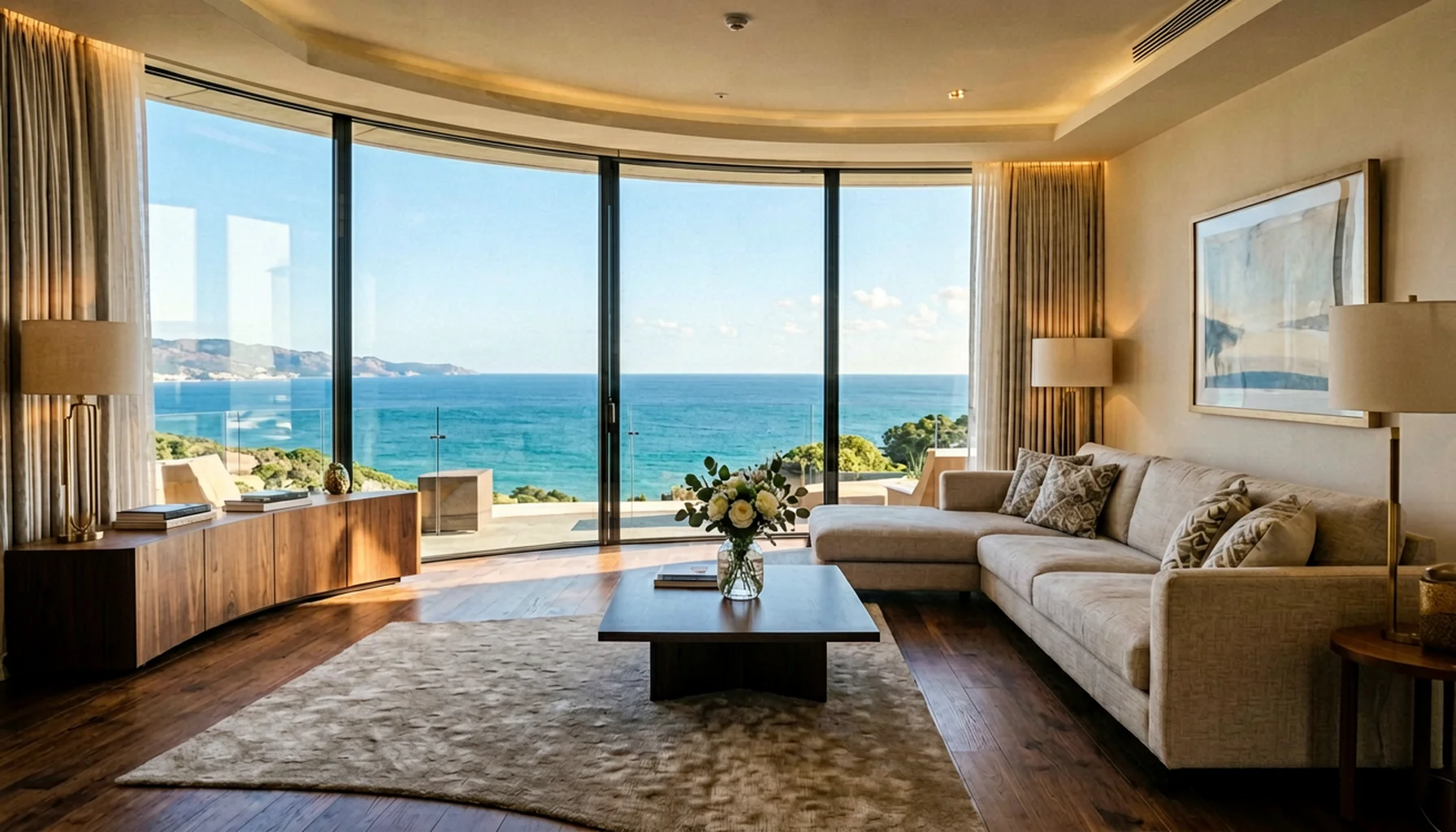

Introduction: The Search Data Tells the Story
Google Search Console data doesn't lie. Over the past 30 days, "cape town quality of life" generated 11 impressions on dingyaoadvisory.tw at position 5.1 — with zero clicks. Even more striking, "is cape town a good place to live" ranks #1 — also with zero clicks.
What does this mean? Google already recognizes this site as a relevant source for quality-of-life queries. But the content hasn't yet answered the searcher's real question: "What makes Cape Town's quality of life exceptional, and how does it translate into property investment value?"
This article unpacks the structural advantages of Cape Town's livability and explains why lifestyle-driven demand is reshaping the city's property market.
Why Cape Town's Quality of Life Is Unmatched
Climate and Natural Beauty
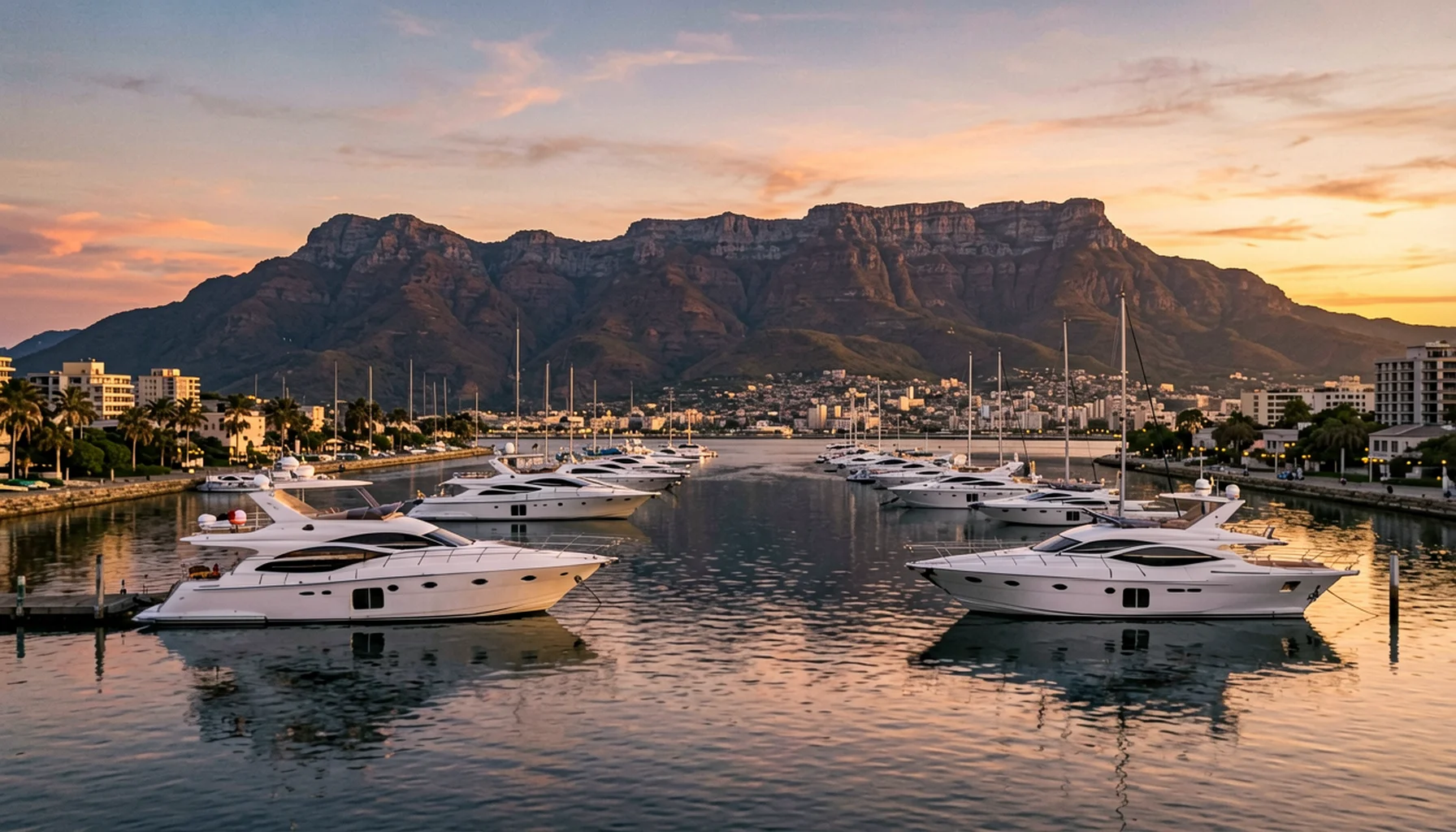
Cape Town enjoys a Mediterranean climate: warm, dry summers (December-February, 20-26°C) and mild, wet winters (June-August, 8-18°C). Table Mountain, Signal Hill, and Lion's Head form a dramatic natural amphitheater around the city, while hundreds of kilometers of coastline mark the meeting point of the Atlantic and Indian Oceans. This is not merely a "livable" city — it is a place people actively choose to stay.
Safety and Municipal Services
Compared to Gauteng province (Johannesburg, Pretoria), Cape Town offers significantly better safety outcomes. The Western Cape government has consistently increased investment in municipal services, infrastructure maintenance, and crime prevention. In 2026, Cape Town was ranked the most livable city in Africa by multiple international indices, with municipal governance efficiency among the continent's best.
Global Connectivity
Cape Town International Airport offers direct flights to Dubai, London, Frankfurt, Amsterdam, and other major hubs. For international investors who need to travel frequently between Asia, Europe, and Africa, Cape Town's geographic position provides a unique strategic advantage — closer to African markets than Europe, and closer to European time zones than Asia.
How Quality of Life Translates into Property Demand
The Semigration Phenomenon: 319,000 People Can't Be Wrong
South Africa's internal migration trend — "semigration" — is accelerating. According to the latest data, over 319,000 people have moved from Gauteng and other inland provinces to the Western Cape in the past five years. These are not tourists; they are long-term residents bringing families, businesses, and capital.
Why? Because they are choosing quality of life. When you can choose where to live, Cape Town's climate, safety, natural environment, and municipal services make it the obvious answer.
The International Remote Worker Influx
The post-pandemic remote work revolution has made "location freedom" a reality. Cape Town attracts international remote workers with its relatively low cost of living (compared to London, New York, or Sydney) and high-quality lifestyle. South Africa's Remote Work Visa further lowers the entry barrier, allowing international professionals to reside legally and contribute to the local economy.
Price Growth Driven by Quality of Life
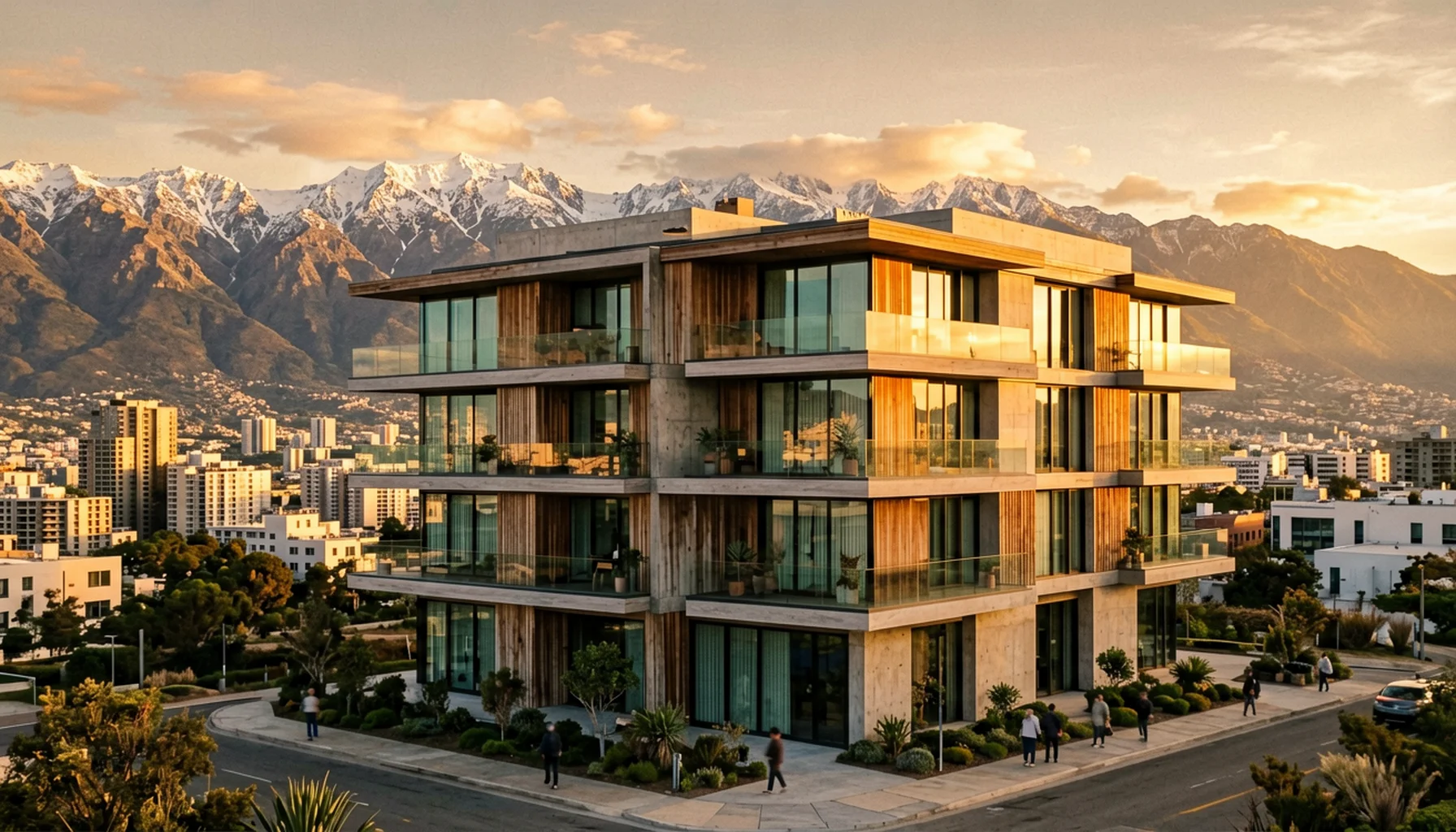
Demand translates into prices. Cape Town's Atlantic Seaboard sees annual price growth of 8-12%, while the Southern Suburbs grow at 7-10% annually. This is not speculative appreciation — it is structural demand driving a price revaluation.
| Area | Annual Growth | Key Drivers |
|---|---|---|
| Atlantic Seaboard | 8-12% | International buyers, premium demand, supply scarcity |
| Southern Suburbs | 7-10% | Semigration families, school catchment demand |
| City Bowl | 6-9% | Apartment demand, young professionals |
| Northern Suburbs | 5-8% | Affordable housing, first-time buyers |
The Dual-Engine Cash Flow: Where Lifestyle Meets Returns
For Taiwanese investors considering Cape Town property, DingYao Advisory's Phase 1 plan delivers both lifestyle value and investment returns:
Entry Threshold: R 16,000,000
Dual-Engine Cash Flow Structure:
- Rental Engine: R 10,450,000 property × 8-10% rental yield = R 836,000 - 1,045,000/year (fully-tenanted income; rental income depends on occupancy)
- Interest Engine: R 5,000,000 in Standard Bank Wealth savings account × 6.5% daily-interest compounded monthly ≈ R 335,000+/year (effective annual rate ≈6.72%, including compounding)
- Combined Annual Cash Flow: R 1,171,000 - 1,380,000
What makes this structure unique: Quality of life is structural demand, unaffected by short-term interest rate cycles. When SARB raises rates, the interest engine benefits. When markets fluctuate, Cape Town property's safe-haven characteristics provide protection. The dual-engine structure maintains stable cash flow across any interest rate scenario.
All funds operate under a lawyer trust protection structure (律師信託保護), ensuring that investor capital is safeguarded throughout the acquisition process.
Conclusion: Quality of Life Is the Most Stable Investment Thesis
Interest rates change. Exchange rates fluctuate. Policies adjust. But people's pursuit of a better quality of life does not change.
Cape Town's livability is not a marketing slogan — it is a structural advantage built on climate, natural environment, municipal governance, and global connectivity. As more people choose to move to Cape Town, property demand will only continue to grow.
For Taiwanese investors considering overseas property investment, Cape Town offers more than just an investment target — it offers a place where you can genuinely live, work, and retire.