
While global investors search for stable passive income sources, Cape Town's rental market is quietly delivering remarkable results — premium property occupancy of 92-96%, vacancies of just 2-4 weeks, and rents growing 5-8% year on year. This article analyzes Cape Town's rental market from three dimensions: net yields by district, the premium rental premium, and structural demand drivers — and why it is the most undervalued passive income market in 2026.

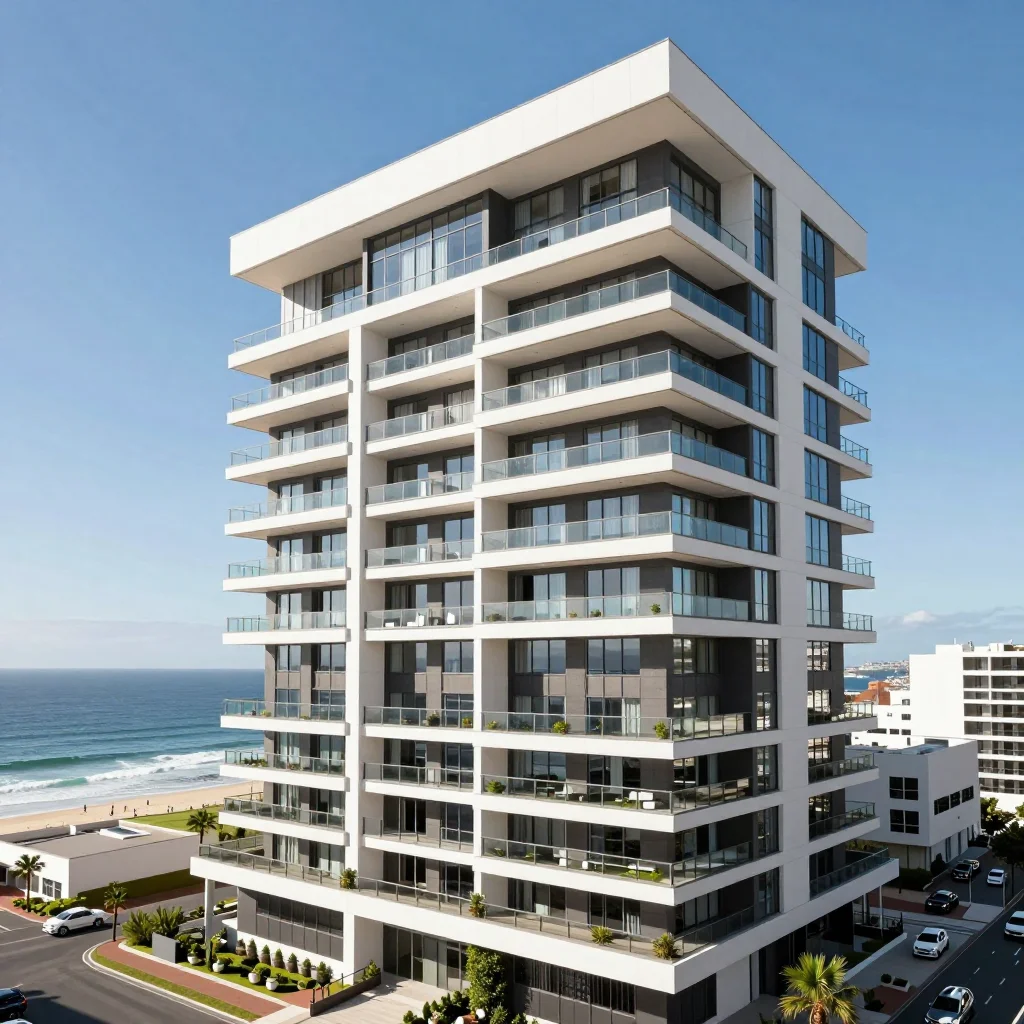







Is Cape Town an Undervalued Passive Income Engine?
Cape Town's rental market is not an ordinary overseas property market. It is one of the few markets globally that simultaneously offers high yields (7.5-7.9%), strong demand (92-96% occupancy), stable growth (5-8% annual rent growth), and a low entry threshold (1-bedroom apartments from R 1,200,000).
For Taiwanese investors, DingYao Advisory's Phase 1 plan structures this market's advantages into an actionable investment plan — from lawyer trust protection to professional property management, from dual-engine cash flow to the Standard Bank Wealth savings account, every link is designed for passive income.