Cape Town's Supply Crunch Meets SARB's Hawkish Turn: Why Cash Buyers Hold the Winning Hand — DingYao Advisory
2026-07-10 8 min read Scott Huang Property Investment
Introduction: What Tale Do Two Numbers Tell?
Two numbers tell the story of Cape Town's property market in July 2026: -12.5% and 47.5%.
-12.5% represents the drop in Cape Town's active property listings over the past six months (Property24 data, December 2025 to May 2026). 47.5% is the probability of a 25-basis-point SARB rate hike on July 23, as priced by Polymarket prediction markets.
When a supply crunch collides with a hawkish monetary policy turn, local mortgage-dependent buyers face a double headwind. But for overseas cash investors, this convergence creates something far more interesting — a perfect storm of opportunity.
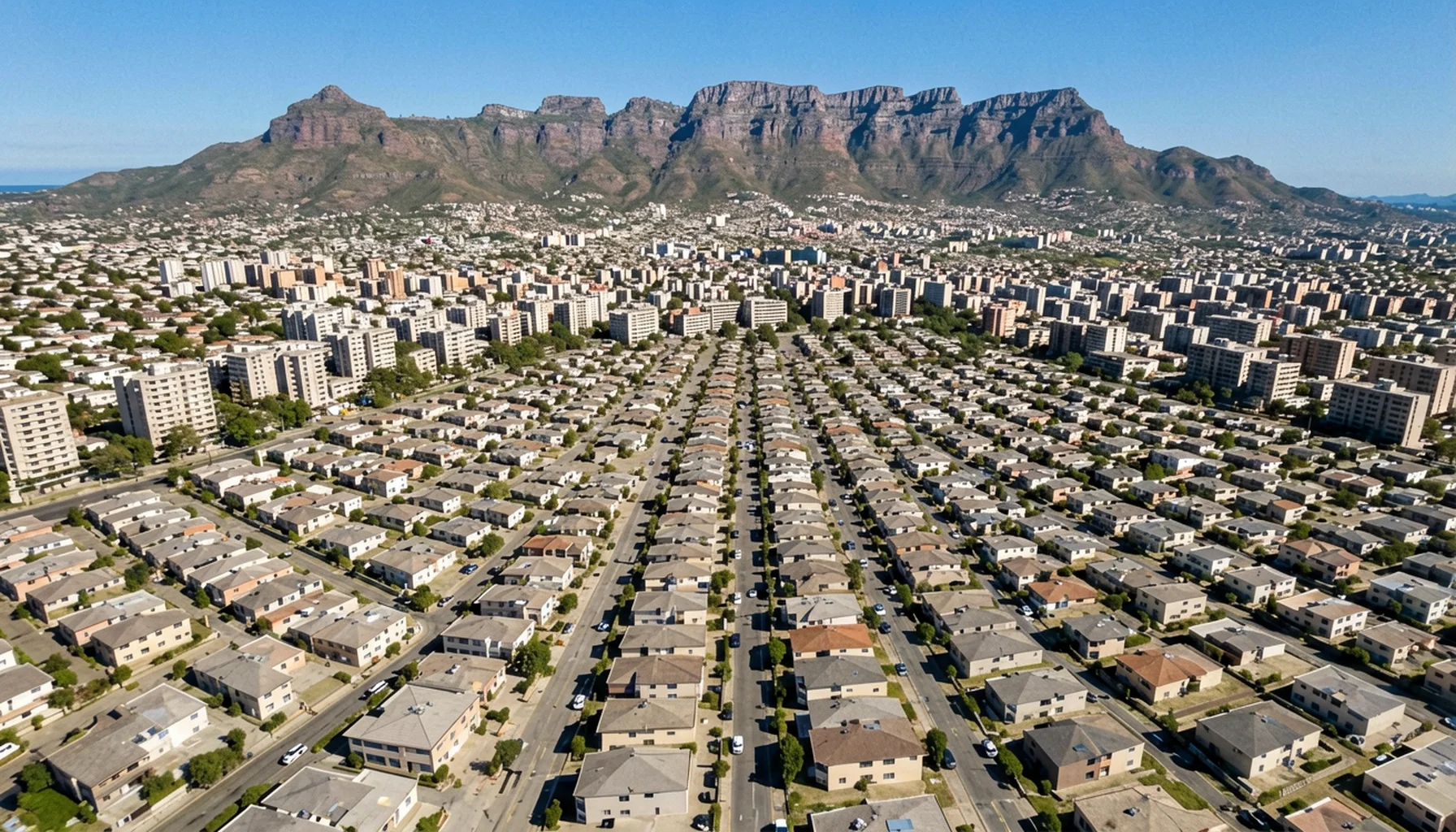
Cape Town active listings fell 12.5% in six months, with declines across all property types
Why Is Cape Town Facing an Inventory Crisis on the Supply Side?
The Numbers Don't Lie
Property24's latest data reveals a stark picture. Cape Town's active listings fell from 6,584 in December 2025 to 5,759 in May 2026 — a 12.5% decline in just six months. This is not seasonal fluctuation; it is structural supply contraction accelerating.
The decline cuts across all property types:
Property Type
Inventory Change
Key Insight
1-2 Bedroom Apartments
-10.8%
Fastest turnover, favored by first-time buyers and investors
3-Bedroom Homes
-13.2%
Steady family demand, persistent supply tightening
4+ Bedroom Large Units
-15.6%
Sharpest decline, premium market under severe pressure
The 4+ bedroom segment's 15.6% drop aligns with BetterBond data showing foreign buyers account for over 40% of transactions above R 10 million. Overseas demand is accelerating the depletion of an already scarce premium inventory.
Why Supply Won't Recover Quickly
Cape Town's supply problem is structural, not cyclical:
Geographic constraints: The mountain-and-ocean topography, combined with Table Mountain National Park protected areas, severely limits developable land
Strict zoning regulations: City of Cape Town's zoning bylaws restrict high-density development, particularly in prime coastal areas
Soaring construction costs: Western Cape building costs have risen 8-12% year-on-year, compressing new-development profit margins
Lengthy approval timelines: From land application to building permit, the average process takes 18-24 months
This means even if demand cools, supply cannot rapidly increase — Cape Town property prices have a harder floor than most investors realize.
Why Is SARB’s Move a Double-Edged Sword on the Demand Side?
47.5% Hike Probability
With just 9 days until the July 23 MPC meeting, Polymarket shows an unusually divided outlook:
25bps hike: 47.5% probability
Rate hold: ~30% probability
25bps cut: ~22.5% probability
The current prime rate stands at 10.25% (repo rate 6.75%), following six consecutive cuts totaling 150 basis points since the 2025 peak. But inflation pressures and rand volatility have introduced significant uncertainty into the MPC's next move.
How a Hike Hits Local Buyers
If SARB surprises markets with a hike after six consecutive cuts, the impact on local mortgage-dependent buyers would be twofold:
Direct impact: On a R 5,000,000 30-year mortgage, a 25bps hike adds approximately R 800-1,000 to monthly payments — roughly R 12,000 annually. The psychological impact may be larger: the first rate hike after a prolonged cutting cycle could trigger widespread buyer hesitation.
Indirect impact: Banks may tighten lending criteria, further reducing the pool of qualified buyers. PropFlow360 data shows Gauteng-to-Western Cape mortgage applications up 35% year-on-year — a hike could cool this trend significantly.
The Rental Market Ripple Effect
Higher rates typically strengthen rental markets. As homeownership costs rise, more potential buyers shift to renting, pushing up demand. Cape Town's current net rental yields of 7.5-7.9% (The Africanvestor data) could see further upward pressure.
REMAX Living's Premium Portfolio data shows average monthly rents for high-end Cape Town properties have reached R 22,356, growing 8-10% annually.
Three layers of cash buyer advantage in a rising rate environment
What Is the Three-Layer Cash Buyer Advantage?
Layer 1: Zero Rate Risk
Overseas cash buyers carry no South African mortgage. SARB's rate decisions have zero direct impact on their investment costs. Your entry cost is locked in at purchase — immune to rate hikes, unaffected by tightening lending standards.
Layer 2: Wider Negotiation Room
When local buyers retreat due to rising rates, market competition thins. For cash-holding overseas investors, this means:
Fewer bidding competitors
Greater negotiation leverage
More time for due diligence
Sellers more willing to accept clean cash offers
BetterBond data already shows foreign buyers accounting for 40%+ of R 10M+ transactions. In a rising-rate environment, this share is likely to grow further.
Layer 3: The Dual-Engine Rate Dividend
The R 16,000,000 Phase 1 plan allocates R 5,000,000 to a Standard Bank Wealth savings account (6.5% daily-compounded interest, effective annual rate ~6.72%). In a rising rate environment, this deposit rate may follow SARB's lead — meaning your passive income could actually increase when rates rise.
This is an advantage no mortgage-dependent buyer can access.
How Do the Dual Engines Perform in a Rising Rate Environment?
Component
Amount
Notes
Total Investment
R 16,000,000
Entry threshold
Property Purchase
R 10,450,000
Curated Cape Town property
Associated Costs
~R 550,000
Transfer, Lawyer Trust Protection, setup
Post-Completion Deposit
R 5,000,000
Standard Bank Wealth savings account (6.5% daily compound)
Annual Dual-Engine Cash Flow:
Rental Engine: R 10,450,000 × 8-10% = R 836,000 - 1,045,000/year (fully-tenanted income; rental income depends on occupancy)
Interest Engine: R 5,000,000 × 6.5% daily compound ≈ R 335,000+/year (effective annual rate ~6.72%)
Combined Annual Cash Flow: R 1,171,000 - 1,380,000
In a rising rate environment, the interest engine may deliver even higher returns, while the rental engine benefits from strengthening rental demand as homeownership becomes more expensive for locals.
Conclusion: Where Is the Optimal Entry Point?
Cape Town's property market is experiencing a rare convergence — a 12.5% supply contraction coinciding with a rate hike cycle that is sidelining local mortgage buyers. For overseas cash investors, this is not a crisis; it is the optimal entry window.
Three structural factors remain unchanged:
Persistent supply tightening: Geographic and regulatory constraints ensure new supply cannot rapidly increase
Accelerating semigration: Gauteng residents continue relocating to the Western Cape, driving structural demand growth
Unique cash buyer advantage: Immunity to rate fluctuations, with competitive advantages amplified in a rising-rate environment
When local buyers retreat, supply tightens, and rental demand rises — that is precisely when overseas cash investors should be entering the market.
Frequently Asked Questions
Q: Is it too late to enter? Cape Town prices have already risen significantly.
A: Cape Town prices have appreciated 179.6% since 2010, but compared to global peer cities like Sydney or Vancouver, they remain at a relative discount. The structural supply-demand imbalance continues to support long-term appreciation.
Q: What if SARB cuts rates instead of hiking?
A: In a cutting cycle, cash buyers lose the rate dividend but gain faster capital appreciation. Lower rates typically boost property prices, and Cape Town's supply constraints amplify this effect.
Q: Will the Standard Bank Wealth deposit rate rise with SARB?
A: Historically, Standard Bank Wealth savings rates track SARB's policy rate. In a rising rate environment, your passive income from the interest engine may increase.
Q: How does the Lawyer Trust Protection safeguard my funds during rate volatility?
A: The lawyer trust protection structure ensures your full R 16,000,000 is held in a regulated trust account, with interest accruing from day one (approximately R 86,000/month during the waiting period). Rate fluctuations do not affect the security of your principal.
*Author: Scott Huang | Business Development, DingYao International Advisory*
*Disclaimer: This article is for informational purposes only and does not constitute investment advice. Property investment involves risks. Past performance does not guarantee future results. Rate predictions are based on public market data; actual SARB decisions may differ.*
Scott Huang
Business Development — Specializing in Cape Town premium property investment and cross-border wealth management for Asia-Pacific high-net-worth individuals.
Start Your Cape Town Property Journey
Schedule a one-on-one consultation with our team to explore premium investment opportunities in Cape Town's most resilient markets.
1. Company Statement: DingYao Advisory (Ding Yao Advisory) is a Taiwan-based consultancy providing asset allocation, immigration advisory, overseas account opening, and second-generation education coordination services. DingYao does not engage in real estate brokerage or dealer activities within the Republic of China (Taiwan), nor does it handle, collect, or hold any property transaction funds.
2. Information Source & Contracting Party: The South African property, development projects, market data, and related images in this article are provided by overseas partners Crestline Advisory (Pty) Ltd and developer CanvasCrest Properties, for overseas asset allocation and market reference only, and do not constitute any offer, solicitation, or investment guarantee. All property-related purchase agreements, fund payments, and title transfers are executed directly between the buyer and overseas licensed developers/institutions in accordance with local law.
3. Statutory Risk Warning: "Foreign real estate investment carries risks. Investors should read marketing documents carefully and consider transactions prudently." Overseas investments involve exchange rate fluctuations, local regulations, tax changes, and market risks. Data (such as historical returns, interest rates, etc.) are based on specific calculation standards and timeliness; past performance does not guarantee future returns. Investors should assess independently and seek professional legal and financial advice.
This website uses cookies to enhance your experience. By continuing to browse, you agree to our Privacy Policy and Terms of Service.