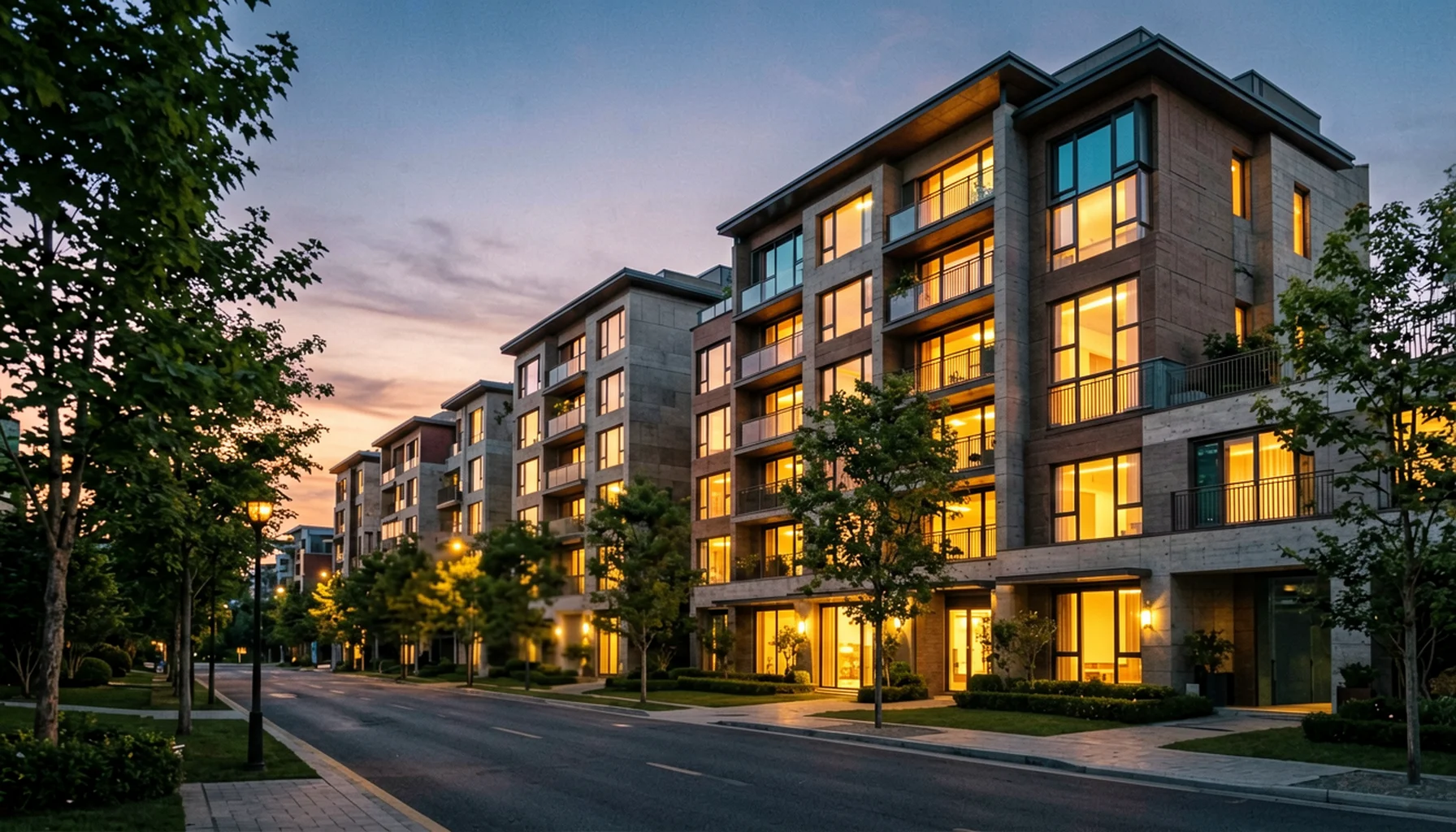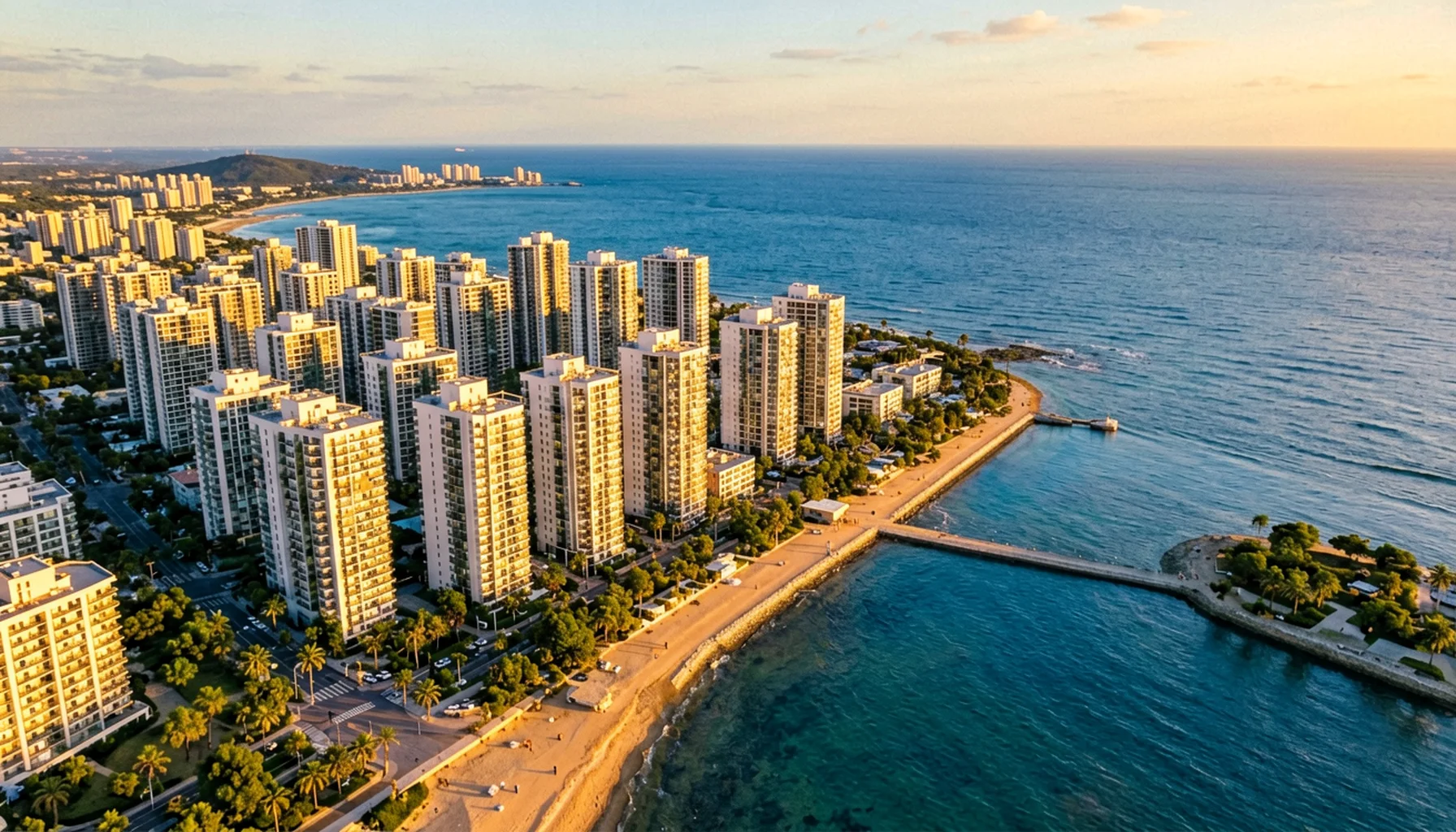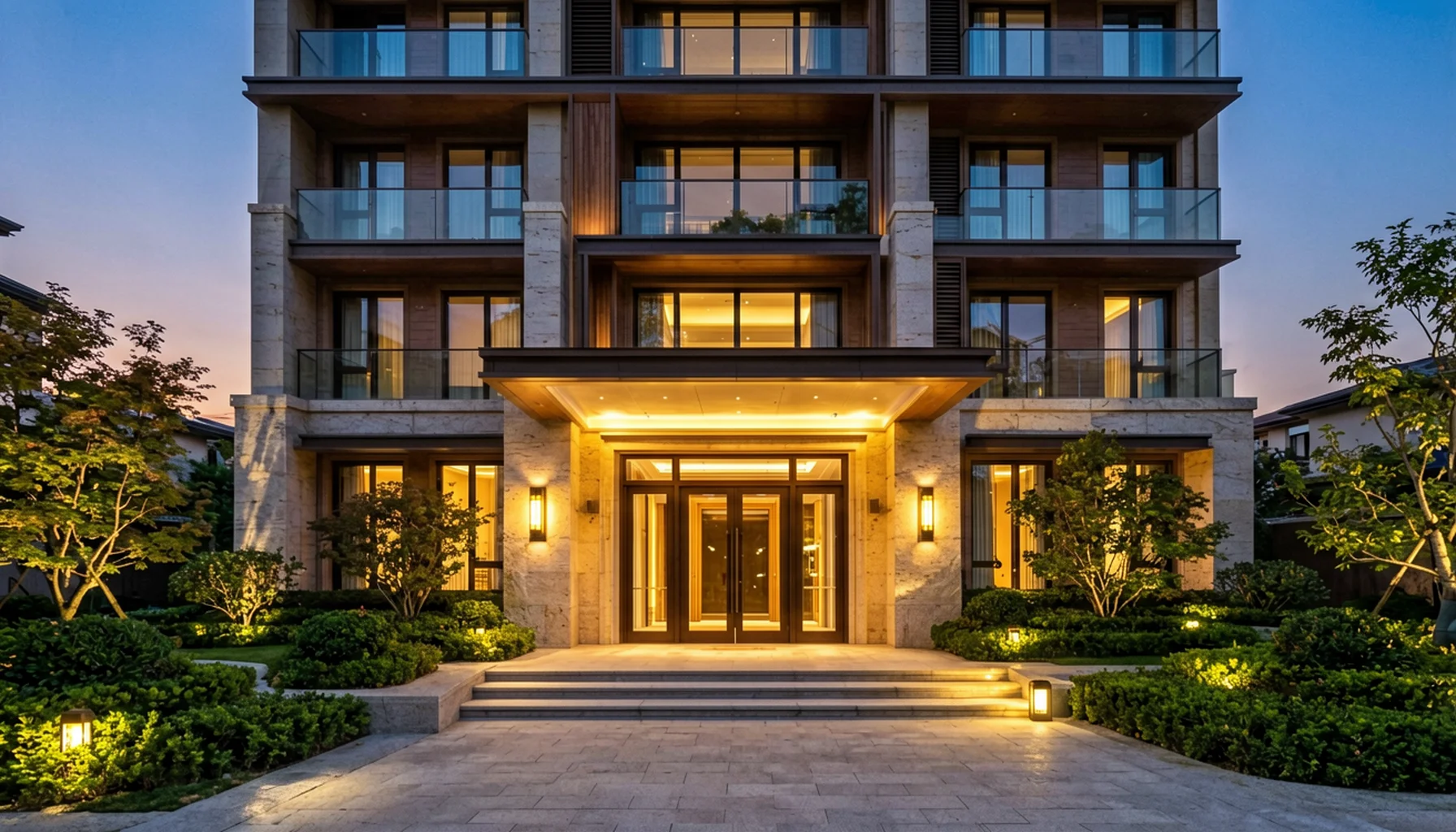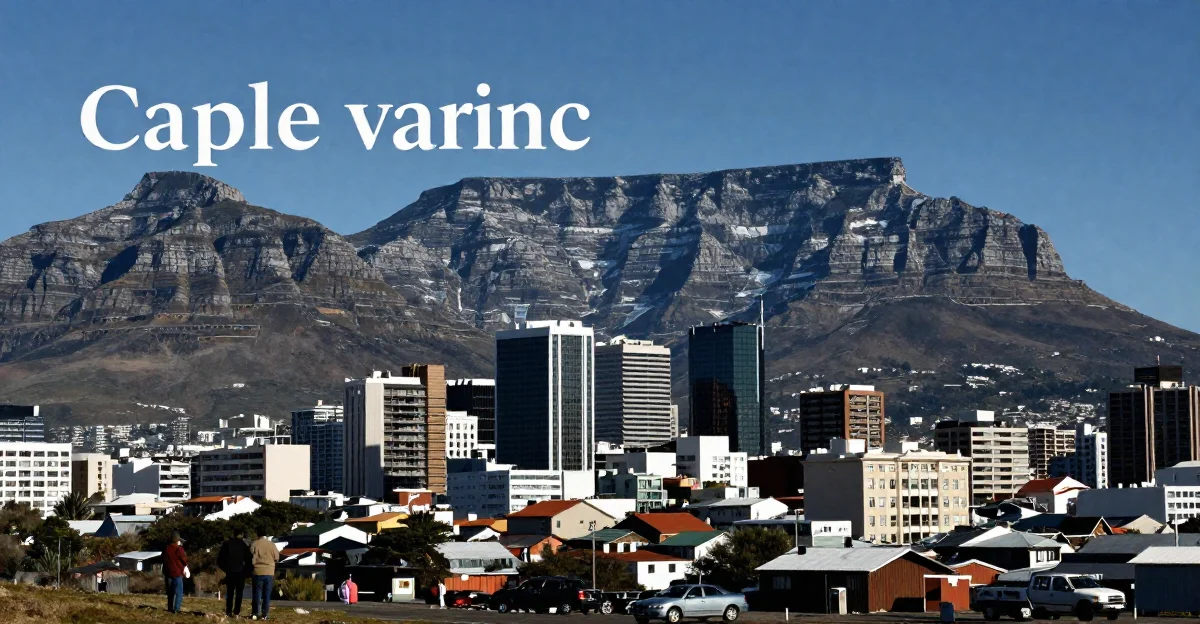
In 2026, Cape Town is no longer just South Africa's premier tourist destination — it is rapidly becoming the African continent's most dynamic technology hub. From the startup campuses at V&A Waterfront to the co-working spaces in Claremont, the clustering effect of the tech industry is reshaping the city's entire property landscape. For investors focused on overseas investment and overseas property investment, this wave of tech-talent-driven housing demand represents an exceptional entry opportunity into the Cape Town market.
Cape Town: Africa's Silicon Valley Takes Shape
The rise of Cape Town's tech ecosystem is not accidental. The City of Cape Town's economic development plan lists ICT as a priority sector, and the Western Cape government continues to drive investment in digital infrastructure. According to Pam Golding Properties' market reports, housing demand in the Western Cape has grown 58% over the past five years, with tech professionals' rental demand serving as the core driving force.
Cape Town's CBD and surrounding areas have become synonymous with South Africa's "Silicon Valley." International tech giants including Amazon, Microsoft, and Google have located their African divisions near the V&A Waterfront, driving employment and housing demand throughout the entire tech corridor. These companies' high-earning employees — with average annual salaries ranging from R 600,000 to R 1,200,000 — possess strong rental payment capacity, directly underpinning the stable returns of the premium rental market.
Semigration 2.0: From Domestic Migration to International Talent Influx
The South African property market experienced its first wave of "Semigration" between 2020 and 2023 — high-income families from Gauteng province migrating to the Western Cape in pursuit of better living standards and security. Seeff's market analysis noted that this migration wave drove premium residential prices in Cape Town up by more than 40%.
But from 2024 to 2026, we are witnessing a qualitative shift: Semigration 2.0. The source of demand is no longer limited to wealthy South Africans; it has expanded to include international remote workers and digital nomads from Europe, North America, and Asia. These professionals bring foreign-currency income into the Cape Town rental market, and with salaries denominated in dollars or euros, they possess extraordinary purchasing power in the local rental market.
The significance of this shift is profound: first-generation Semigration demand was constrained by South Africa's domestic economic cycle, whereas Semigration 2.0 demand is rooted in the growth of the global technology industry — a fundamental driver vastly larger than any single national economy.
Supply-Demand Gap: Why Rents Continue to Strengthen
The supply side of Cape Town's premium rental stock faces multiple constraints:
- 1 Slow building permit approvals: The City of Cape Town's approval process typically takes 6-12 months, meaning new supply cannot keep pace with demand growth
- 2 Rising construction costs: Materials and labor costs continue to climb, pushing developers toward ultra-luxury projects and leaving the premium rental segment even more undersupplied
- 3 Limited land availability: Cape Town's unique geography — nestled between mountains and ocean — constrains the scope of developable land
The result: premium properties in Cape Town currently have vacancy periods of only 2-4 weeks, giving landlords exceptional pricing power. Absa's data shows that South Africa's landlord confidence index reached 88% in Q1 2026 — an 11-year high. For overseas investors, this means stable rental income is backed by solid market supply-demand fundamentals.
Hotspot Analysis: Where Tech Talent Lives
These are precisely the core allocation zones targeted by the DingYao Phase 1 plan:
| Area | Characteristics | Rental Level | Tech Worker Preference |
|---|---|---|---|
| V&A Waterfront | Corporate hub, waterfront views | R 25,000-45,000/mo | Senior executives, expats |
| Sea Point | Ocean-view apartments, full amenities | R 18,000-35,000/mo | Remote workers, digital nomads |
| Claremont | Near tech parks, excellent transport | R 15,000-28,000/mo | Mid-level engineers, startup teams |
| Rondebosch | School district, quiet environment | R 12,000-22,000/mo | Family-oriented tech professionals |
A property purchase of R 10,450,000 can secure quality properties in these areas, locking in high rental-payment-capacity tech professionals as tenants.
Cape Town vs Johannesburg: Tech Ecosystem Comparison
| Comparison | Cape Town | Johannesburg |
|---|---|---|
| Tech startup density | Highest in Africa | Primarily fintech |
| International corporate presence | Amazon, Microsoft, Google | Mining & financial HQs |
| Remote worker appeal | Very high (lifestyle, climate) | Moderate (security concerns) |
| Rental yield (premium areas) | 8-10% | 5-7% |
| Capital appreciation (5 years) | 58% | 22% |
| Quality of living index | #1 in Africa | Upper-middle in SA |
Cape Town leads significantly across four key dimensions — tech ecosystem maturity, international appeal, rental yield, and capital appreciation — which is the core rationale behind DingYao Phase 1's selection of Cape Town.
DingYao Phase 1: Capturing This Demand Dividend
Faced with the structural housing demand created by Semigration 2.0, DingYao's Phase 1 Cape Town property investment plan offers a complete investment framework:
Entry Threshold: R 16,000,000
Dual-Engine Cash Flow Structure
| Engine | Calculation | Annual Income |
|---|---|---|
| Rental engine | R 10,450,000 × 8-10% (full-occupancy income) | R 836,000 - R 1,045,000 |
| Interest engine | R 5,000,000 × 6.5% daily compounding paid monthly (effective annual rate ~6.72%) | ~R 335,000+ |
| Combined annual cash flow | R 1,171,000 - R 1,380,000 |
Lawyer Trust Protection
Investment funds operate entirely within a lawyer-managed trust account, protected under South African law from day one. The full R 16,000,000 begins earning interest immediately upon deposit, generating approximately R 86,000 per month (roughly R 2,849 per day). Even during the waiting period before property transfer, your capital is never idle.
Strategic Timing: Why Now
Multiple converging factors make the current moment a compelling entry window for Cape Town property investment:
Demand-side catalysts:
- Global tech industry expansion continues to drive remote work adoption
- Cape Town's cost-of-living advantage over European and North American cities attracts high-earning digital professionals
- The weaker rand (ZAR/USD hovering around 16.50) provides an effective 20-30% currency discount for foreign investors compared to historical averages near 14:1
Supply-side constraints:
- Building permit bottlenecks limit new supply to well below demand growth
- Construction cost inflation pushes developer focus to ultra-luxury segment
- Geographic constraints cap overall land availability
Macro support:
- SARB's May 2026 rate decision is expected to maintain current policy, supporting market confidence
- Western Cape's digital infrastructure investments continue to attract tech companies
- Absa's 88% landlord confidence index signals strong market fundamentals
Frequently Asked Questions
References & Data Sources
- Pam Golding Properties — Western Cape Market Report (2025-2026)
- Seeff Property Group — Cape Town Premium Residential Market Analysis
- City of Cape Town — Economic Development & ICT Sector Strategy
- Western Cape Government — Digital Infrastructure Investment Plan
- Absa — Landlord Confidence Index Q1 2026
- BusinessTech — South Africa Tech Industry Employment Data
Leo Pan
CEO, DingYao International Advisory
Specializing in South African property investment, education planning, retirement living, and residency solutions. With over 10 years of cross-border investment advisory experience, Leo is committed to using technology-driven transparency to help overseas investors manage wealth and future from the other side of the world.