Introduction
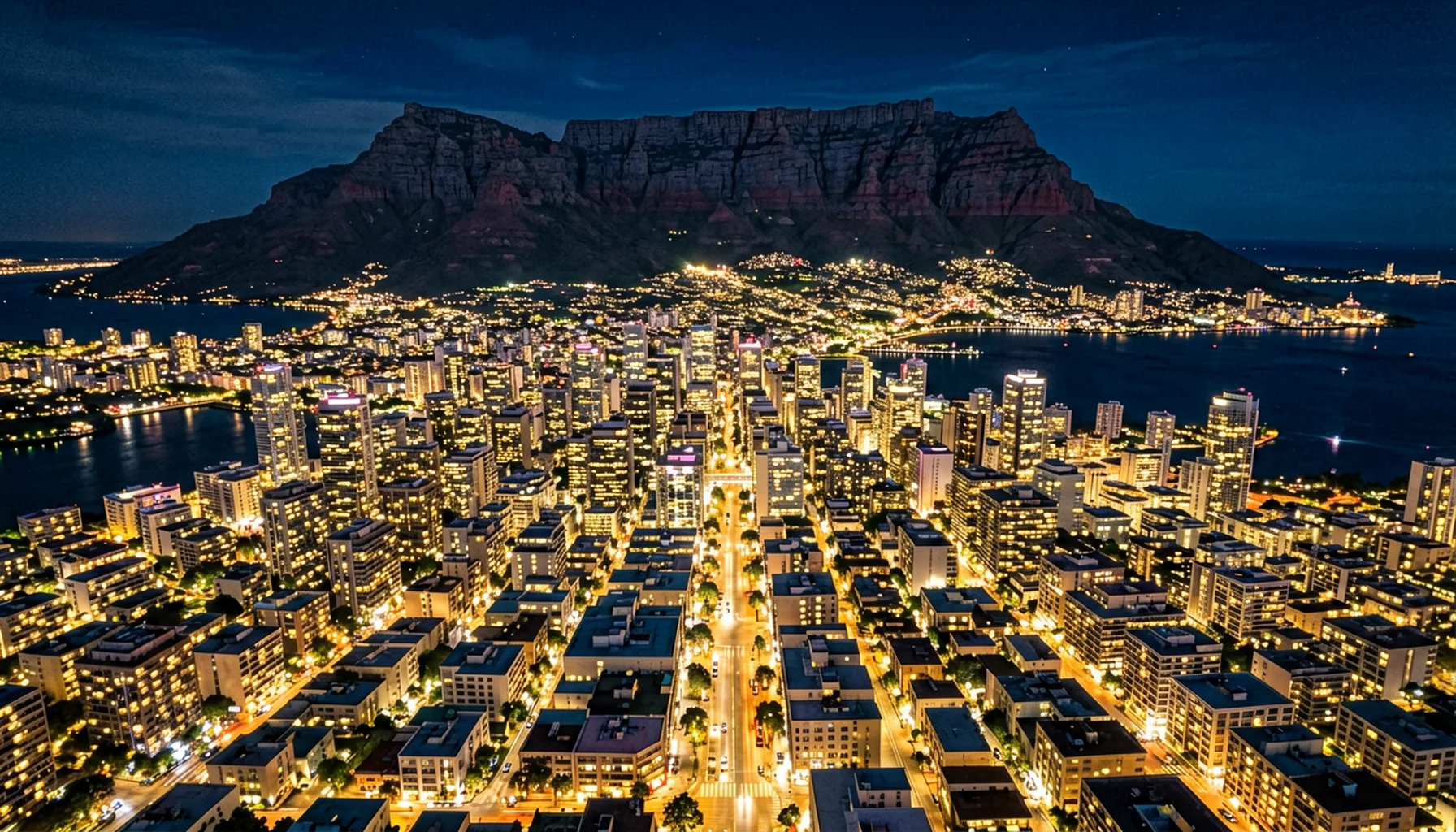
In late May 2026, Cape Town's dam levels surged approximately 20% in a single week, officially lifting the city out of "early drought warning" status. For most international investors, this reads as a regional news brief. But for high-net-worth individuals in Taiwan assessing overseas property investment, this is a critical urban resilience signal — water resource management capability is fast becoming a decisive variable in long-term premium property valuation.
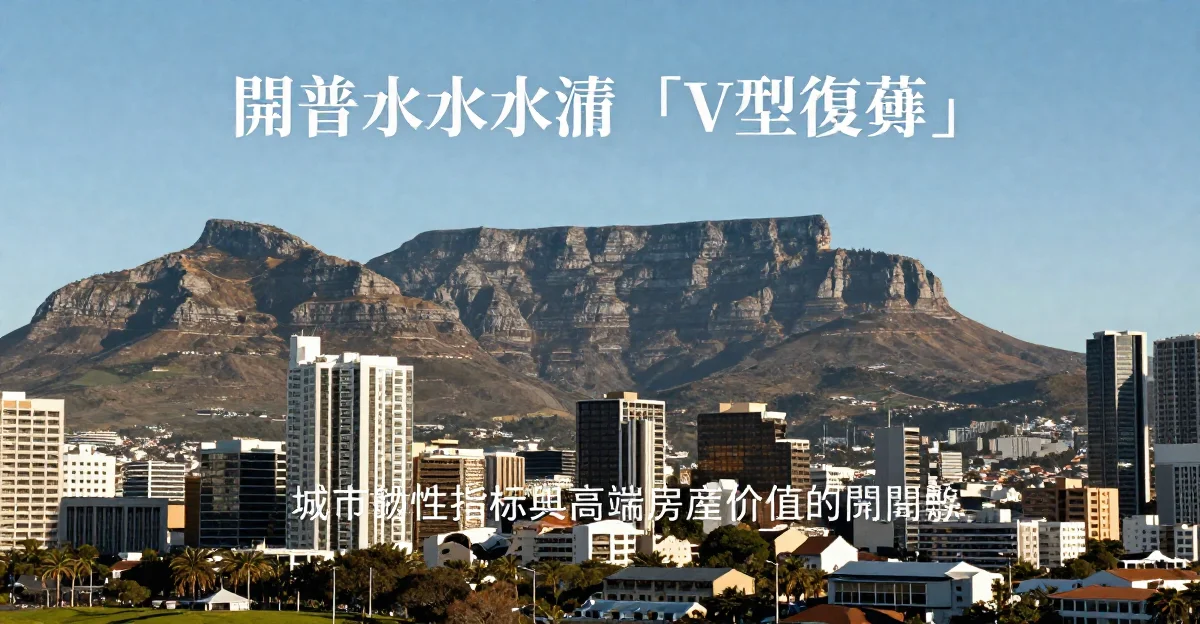
Cape Town's 2018 "Day Zero" crisis catalyzed Africa's most advanced water management infrastructure. Today's V-shaped recovery proves governance has evolved from "crisis response" to "resilience architecture." For overseas investors, this infrastructure resilience directly affects rental yield predictability and long-term capital appreciation.
What Happened: Cape Town's V-Shaped Water Recovery
According to BusinessTech, the Western Cape Water Supply System (WCWSS) recorded dam levels rising 20% in a single week during late May 2026. The City of Cape Town confirmed the system has exited "early drought warning" status.
The significance lies in the speed of reversal. During the 2018 Day Zero crisis, restoring dam levels from 25% to above 70% took nearly two years. In 2026, the transition from warning threshold to safe levels took only weeks, validating structural improvements: efficient catchment management, groundwater recharge programs, and operational desalination plants have all compressed recovery timelines.
This acceleration signals one thing clearly: Cape Town's water system is no longer fragile. It is adaptive.
Why Climate Resilience Is a Property Premium Indicator
International property research has established that cities with robust infrastructure resilience command a measurable "resilience premium" in their premium property markets.
Data from New York, London, and Singapore demonstrates a 3-7% positive correlation between infrastructure stability and premium property valuations. The logic is straightforward — high-end tenants (corporate expatriates, remote tech workers, second-home owners) willingly pay premium rents for uninterrupted lifestyle quality.
Cape Town holds a differentiated advantage on this dimension. Compared to Johannesburg's persistent electricity supply instability (load shedding) and Durban's flood risk, Cape Town's V-shaped water recovery demonstrates a "post-crisis upgrade" governance trajectory. This is not a city that never encountered problems — it is a city that encountered problems and successfully upgraded. The latter carries far greater credibility in resilience terms.
Waterfront and Atlantic Seaboard: Beneficiaries of the Resilience Premium
Cape Town's Waterfront and Atlantic Seaboard corridors are where the resilience premium is most pronounced. The tenant profile in these areas is distinct:
- Corporate expatriate executives: Company-paid rent budgets typically range from R 25,000-50,000/month, with strict requirements for "zero-interruption" lifestyle quality
- Remote technology workers: Stable incomes, long lease terms (typically 12-24 months), extreme sensitivity to infrastructure quality
- Second-home owners: Seeking a "arrive and live" seamless experience where water reliability is a baseline threshold
The common characteristic among these premium tenants: once they encounter service disruption (water outages, power cuts), they relocate quickly. Conversely, when urban infrastructure is stable and reliable, their renewal rates are extremely high — effectively reducing landlords' vacancy risk.
This is the foundational guarantee behind the 8-10% full-occupancy rental income. Rental income requires active tenancy — it is not a fixed-percentage guarantee. Sustained occupancy by high-end tenants depends on the reliability of urban infrastructure, and Cape Town's water resilience directly supports that reliability.
Overseas Investment Site Selection Logic: Resilient City = Secure Foundation for R 16,000,000
For overseas investors, an R 16,000,000 investment allocation must be built upon a city's long-term operational capacity. DingYao Advisory's Phase 1 South Africa property plan follows precisely this logic:
| Investment Component | Amount | Function |
|---|---|---|
| Property purchase | R 10,450,000 | Rental engine: 8-10% full-occupancy income = R 836,000 - R 1,045,000/year |
| Associated costs | ~R 550,000 | Transfer, legal, trust establishment fees |
| Standard Bank Wealth 活存帳戶 | R 5,000,000 | Interest engine: 6.5% daily compounding paid monthly ≈ R 335,000+/year |
| Combined annual cash flow | R 1,171,000 - R 1,380,000 | Dual-engine structure |
Choosing Cape Town over other emerging-market cities is fundamentally choosing "resilience premium" over "mere affordability." The V-shaped water recovery, technology sector talent migration, and semigration trends collectively sustain demand for premium rentals, making the 8-10% full-occupancy income more predictable. Compared to San Diego or Melbourne where entry thresholds are 2-5x higher for comparable resilience premiums of 2-5%, Cape Town delivers developed-city-grade infrastructure resilience at emerging-market pricing.
Lawyer Trust Protection (律師信託保護): Remote Peace of Mind for Overseas Investors
The practical question investors care about most: how can assets in Cape Town be professionally managed from thousands of kilometers away in Taiwan?
The answer is the lawyer trust protection structure (律師信託保護). This framework ensures that investor funds never enter a personal bank account — instead, they are held in escrow by independent legal counsel, protecting buyer interests throughout the transaction process. The full R 16,000,000 begins earning interest from day one within the trust account — monthly interest of approximately R 86,000 (daily interest approximately R 2,849), meaning capital is never idle during the waiting period.
The Standard Bank Wealth 活存帳戶 provides 6.5% daily compounding paid monthly (effective annual rate approximately 6.72%), generating interest engine income of roughly R 335,000+/year on the R 5,000,000 liquid allocation. Combined with the rental engine's stable cash inflow, the dual-engine structure delivers annual cash flow of R 1,171,000 - R 1,380,000 for overseas investors.
Additionally, the ZAR/USD exchange rate currently hovers around 18:1 — compared to a historical average near 14:1, this represents approximately a 20-30% currency discount, further reducing the entry cost for foreign-currency investors. If the rand reverts toward its historical average, the currency appreciation alone could add significant upside to the property investment.
Conclusion
Cape Town's V-shaped water recovery is far more than a local news item — it is a vital data point for overseas investors evaluating long-term urban value. A city that evolved from Day Zero into Africa's leading water management jurisdiction provides a more robust infrastructure endorsement than any price discount alone.
For Taiwan's high-net-worth individuals evaluating overseas property investment, Cape Town offers emerging-market pricing, developed-city resilience, a dual-engine cash flow structure, and the capital security of lawyer trust protection (律師信託保護). The R 16,000,000 investment sits on a foundation of urban resilience backed by measurable data.
Frequently Asked Questions
References & Data Sources
Leo Pan
CEO, DingYao Advisory (鼎曜國際顧問)
Specializing in South African property investment, education, retirement planning, and residency solutions. Over 10 years of cross-border advisory experience, leveraging technology to bring transparency and confidence to overseas investors.