As global geopolitical tensions continue to escalate, an increasing number of investors are contemplating a serious question: If large-scale conflict were to occur, where would be the safest haven?
In March 2026, reports from multiple international security assessment institutions provided a surprising answer. According to the Global Peace Index and multiple comprehensive assessments, South Africa ranks 11th among the world's safest countries, surpassing many traditionally perceived "safe countries." This result is no accident—it is based on South Africa's unique geographic, political, and resource advantages.
Geographic Location: A Natural Buffer Zone
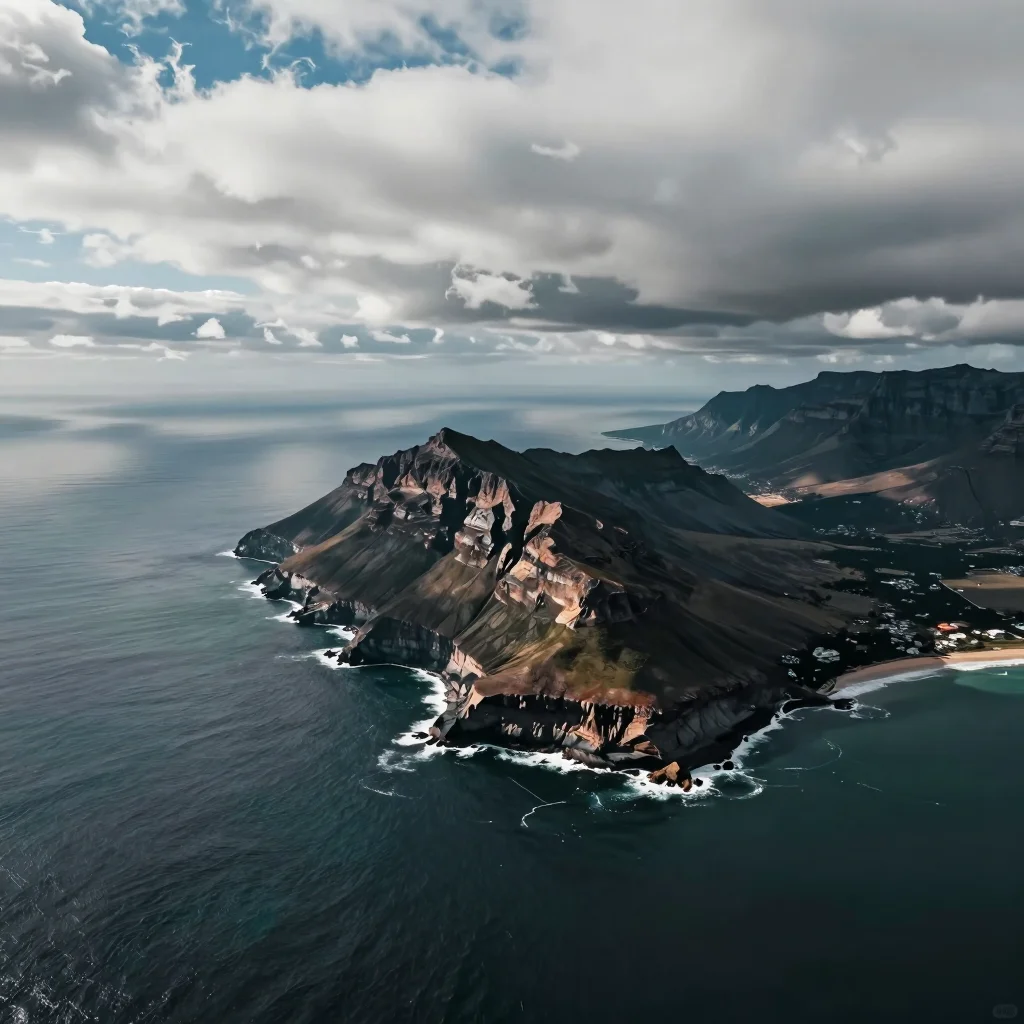
South Africa is located at the southernmost tip of the African continent—a position of irreplaceable advantage on the global strategic map. Let the numbers speak for themselves:
- 1 Distance from Asian conflict hotspots: Approximately 12,000 km from Taiwan, about 11,000 km from China
- 2 Distance from Europe: About 9,000 km from the UK, about 8,500 km from Germany
- 3 Distance from the Middle East: About 7,500 km from Iran, about 7,000 km from Israel
- 4 Distance from Russia: About 10,000 km from Moscow
What does this mean? In modern warfare, geographic location determines strategic depth. South Africa is surrounded by the Atlantic and Indian Oceans, with land borders only adjacent to Namibia, Botswana, Zimbabwe, Mozambique, Eswatini, and Lesotho— all relatively stable neighboring countries. No geopolitical disputes, no historical enemies. South Africa is like a safe island isolated from the world.
Political Neutrality: The Wisdom of Non-Aligned Diplomacy
South Africa's foreign policy can be summarized in two words: balance. As a founding member of BRICS, South Africa maintains close economic cooperation with China and Russia; at the same time, as a Commonwealth member, South Africa also maintains traditional friendships with European and American countries.
"South Africa's non-aligned policy is not fence-sitting—it is a rational choice based on national interests. Maintaining flexibility in great power competition is precisely South Africa's survival wisdom." — South African Institute of International Affairs (SAIIA)
This neutral stance is particularly important in international conflicts. When other countries are forced to choose sides, South Africa can remain above the fray. Looking back at history, whether during the Cold War or the War on Terror era, South Africa successfully avoided being drawn into great power conflicts. This "non-stick" diplomatic strategy is especially precious today as global uncertainty increases.
The Special Advantage of BRICS Membership
As a BRICS member, South Africa enjoys unique economic and political benefits:
- Trade diversification: Reduces dependence on a single market and lowers economic risk
- Currency swap agreements: Direct settlement mechanisms with major currencies including RMB and Ruble
- Energy security: Participation in BRICS energy cooperation framework ensures stable energy supply
- Food security network: Strategic reserve cooperation with agricultural powerhouses
Natural Resources: The Confidence of Self-Sufficiency
In a potential global crisis, resource self-sufficiency capability is a key metric for measuring safety. According to South African official statistics, this country possesses world-class resource advantages in the following areas:
South Africa possesses world-class mineral resources, being one of the world's largest platinum producers
Agricultural Resources
- • One of the world's major corn exporters
- • 8th largest wine producer globally
- • Major citrus fruit exporter
- • Arable land accounts for 12% of national territory
Mineral Resources
- • World's #1 platinum reserves
- • World's #2 gold reserves
- • Top 5 global diamond producer
- • Abundant coal, iron, and manganese
Energy Resources
- • Africa's #1 coal reserves
- • Massive solar energy potential
- • Abundant wind energy resources
- • Ongoing natural gas exploration
Water Resources
- • Abundant groundwater reserves
- • Mature desalination technology
- • Widespread rainwater harvesting systems
- • Stable supply from major rivers
This resource diversity means that even in the most extreme scenarios, South Africa can maintain basic living supplies. For investors seeking safe haven, this is a safety margin that cannot be measured in monetary terms.
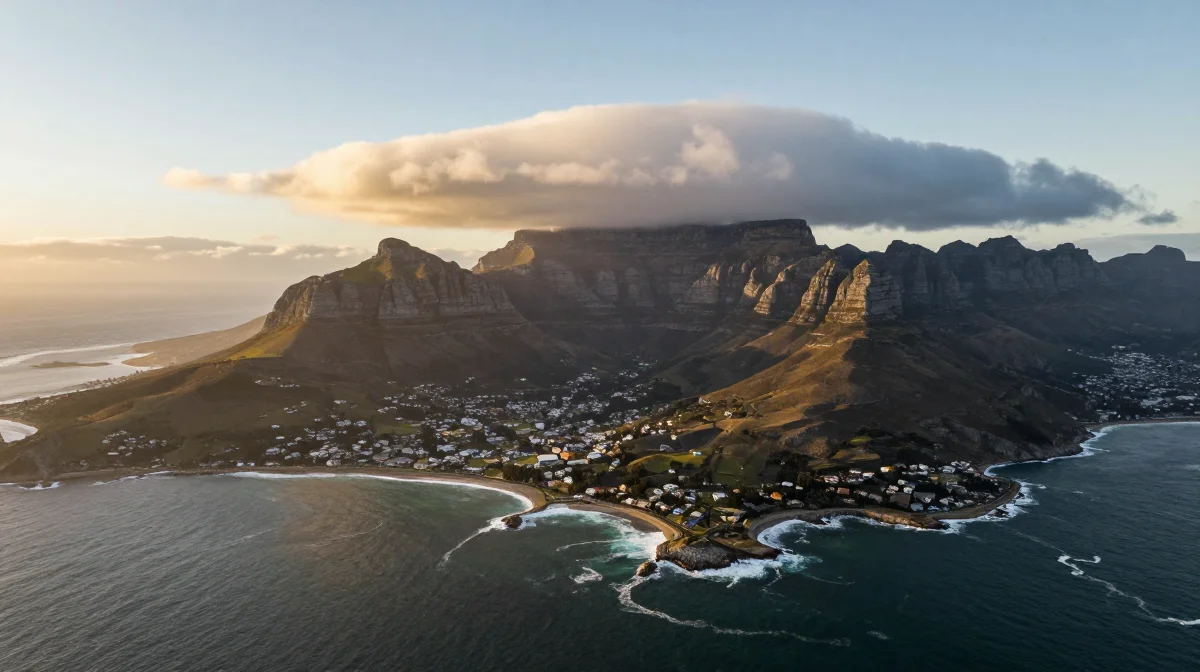
Climate Advantage: A Mediterranean Paradise
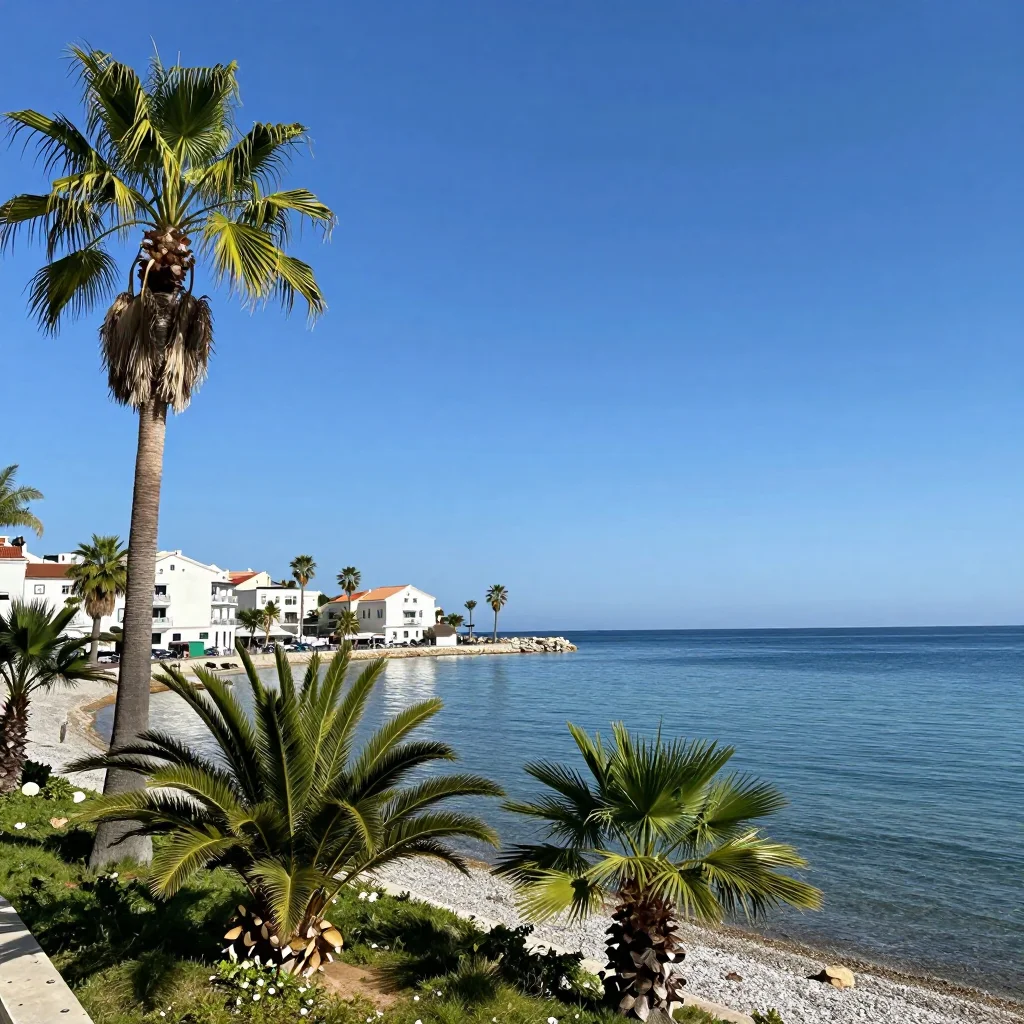
Cape Town has a typical Mediterranean climate: warm, dry summers (average 25°C) and mild, wet winters (average 12°C). This climate is not only pleasant but also strategically significant:
- ✓ No extreme weather: No typhoons, no blizzards, no extreme heat—climate stability is among the world's best
- ✓ Agricultural suitability: Year-round planting possible with stable crop yields
- ✓ Low energy demand: Minimal need for heating or cooling reduces energy dependence
- ✓ Healthy and livable: Excellent air quality, abundant sunshine, suitable for long-term residence
Compared to other global safe haven destinations, South Africa's climate advantage is particularly evident: Switzerland is safe but has long, cold winters; Singapore is stable but small and crowded; New Zealand is remote but earthquake-prone. Cape Town may be one of the few cities on Earth that combines safety, livability, and resource abundance.
Real Estate Investment: A Value Play with 7% Yield
Safety is important, but what investors care more about is: Can you make money investing in South African property? The answer is yes, and the returns are quite attractive.
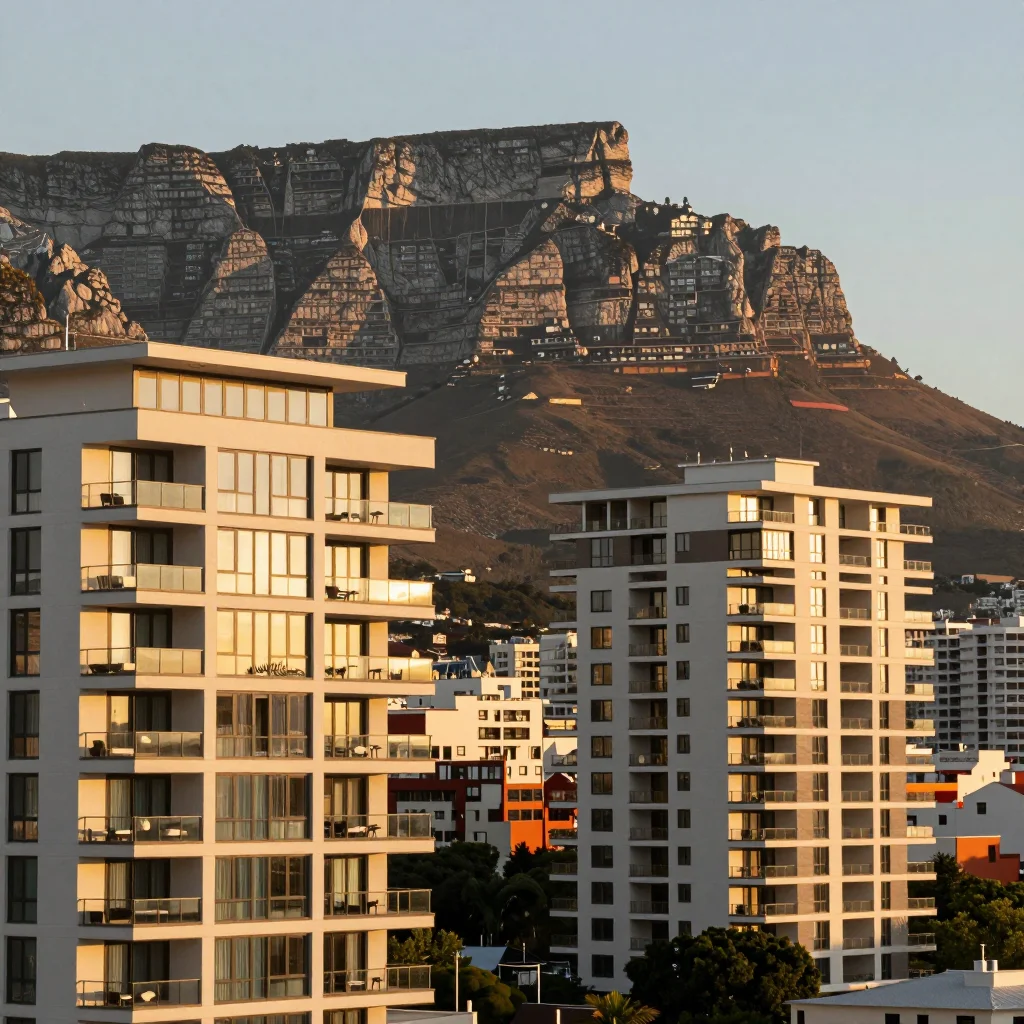
According to statistics from Property24 and multiple South African real estate data platforms, the rental market in Cape Town's main areas shows the following characteristics:
More importantly, as global capital continues to flow into "safe haven assets," South African real estate is being rediscovered. Invest Cape Town reports that foreign investor property purchases in Cape Town reached record highs in 2024-2025, with buyers from Europe, Asia, and the Middle East entering the market, seeking both asset diversification and safety.
Investment Immigration: Permanent Residence for Approx. NT$22 Million
For investors seeking to live in South Africa long-term, the South African government provides a clear investment immigration pathway. According to regulations from the South African Department of Home Affairs, foreign investors can apply for Permanent Residence (PR) through the following:
- 1 Investment amount: Approximately NT$22 million (subject to exchange rate fluctuations) in designated South African projects
- 2 Fund security: Investment funds deposited in Standard Bank account under investor's name, absolutely secure
- 3 Staged disbursement: Payment in stages according to construction progress ensures transparent fund usage
- 4 Family immigration: Principal applicant can bring spouse and minor children to obtain residency
Compared to other popular immigration countries (US EB-5 approximately NT$30 million, Australia approximately NT$40 million, Portugal approximately NT$15 million but real estate immigration cancelled), South Africa's investment threshold is quite competitive. More importantly, this investment itself is a real estate asset generating 7% annual return, not merely an "immigration fee."
Why Choose DingYao Advisory?
As the exclusive Asia-Pacific digital marketing center for Crestline Advisory, DingYao Advisory specializes in helping Taiwanese high-net-worth individuals establish positions in South Africa. Our core advantages include:
Local Network
Deep partnership with Crestline Advisory, access to first-hand premium properties in Cape Town
Digital Transparency
Exclusive Client Portal system, monitor overseas assets in real-time from Taiwan
Fund Security
Standard Bank personal account, FICA compliant, absolute fund security
Our curated projects including Durbanville Premium Estates, Stellenbosch Historic Properties, Constantia Luxury Belt are located in Cape Town's safest, most investment-worthy areas. Whether you're seeking asset hedging, retirement planning, or international education for the next generation, we provide tailored solutions.
Frequently Asked Questions
Conclusion: Where Safety Meets Opportunity
Returning to the original question: If World War III breaks out, would South Africa be the safest place?
No one can predict the future, but based on objective data, South Africa possesses all the conditions to become a safe haven: remote geographic location, politically neutral stance, abundant natural resources, livable climate, and a continuously appreciating real estate market.
"In these uncertain times, the greatest risk is putting all your eggs in one basket. South Africa may be the alternative option you should seriously consider." — Leo Pan, Founder of DingYao Advisory
Whether or not you believe World War III will happen, the core principles of asset allocation remain unchanged: diversify risk, find value plays, and prepare for an unpredictable future. South Africa may be the missing piece in your asset portfolio.
References and Data Sources
Leo Pan
Founder, DingYao Advisory
Specializing in South African property, education abroad, retirement life, and residency planning, helping clients build ideal asset portfolios and lifestyle solutions in South Africa. With over 10 years of cross-border investment advisory experience, committed to technology-driven transparency, enabling Taiwanese investors to control wealth and their future at the other end of the world as if they were there in person.