Atlantic Seaboard Resilience: Why Cape Town's Storm's Corner Is the Safe Haven for International Investors
Resilient Property June 5, 2026 7 min read

Atlantic Seaboard Resilience: Why Storm's Corner Is the Safe Haven for International Investors

Three crises proved Atlantic Seaboard's resilience: 2008 financial crisis (-8% vs national -15-20%), COVID-19 (<5% vs -8-12%), and 2023 stagnation (+4-6% vs +0.8% nationally). Through the lawyer trust protection structure (律師信託保護), a R 16,000,000 entry delivers R 1,171,000-1,380,000/year dual-engine cash flow.

Three-Crisis Resilience
8-10% Rental Yield
Lawyer Trust Protection

Introduction

When global markets shake and black swan events multiply, overseas investors care less about "where it rises most" and more about "where it falls least." Cape Town's Atlantic Seaboard—from Clifton through Camps Bay, Sea Point, Bantry Bay, and Fresnaye—has demonstrated crisis-tested resilience across three major downturns, earning its reputation as international HNW investors' "Storm's Corner Safe Haven."

For Taiwanese investors seeking overseas property, the Atlantic Seaboard offers more than stunning ocean views: it is a stress-tested, supply-constrained asset strategy. With an entry threshold of R 16,000,000, dual-engine cash flow reaching R 1,171,000 to R 1,380,000 per year, and lawyer trust protection (律師信託保護) ensuring fund security, this corridor represents one of the most resilient overseas investment opportunities available.

Three Crises, Three Proofs of Resilience

2008 Financial Crisis: National -15-20%, Atlantic Seaboard Only -8%

During the global financial crisis, South African residential prices fell an average of 15-20%, with Johannesburg's high-end suburbs like Sandton dropping over 25%. Atlantic Seaboard's Clifton and Camps Bay declined only 8%, rebounding within six months. Pam Golding Properties data shows Atlantic Seaboard transaction volumes recovered to 90% of pre-crisis levels by Q2 2009, far outpacing the national average of 60%.

This resilience stems from extreme supply scarcity—usable land between Table Mountain National Park and the Atlantic coastline is nearly exhausted, and new developments face dual regulatory barriers from national park protection laws and coastal development restrictions, keeping annual supply additions below 1%.

2020 Pandemic Shock: International Tenant Demand Stabilized Prices

While the Western Cape property market was indeed impacted during early COVID-19, the Atlantic Seaboard showed unusual stability due to its unique international buyer structure. Multinational corporate executives and tech expats—Amazon, Microsoft, and Google employees at their Cape Town Africa headquarters—formed a stable rental pillar. Seeff's reports noted that Atlantic Seaboard premium property price declines stayed within 5%, compared to the national average decline of 8-12%.

2023 Economic Downturn: National Stagnation, +4-6% on Atlantic Seaboard

Entering 2023, South Africa's national residential market grew at only 0.8% annually, with multiple provinces recording negative growth. Yet the Atlantic Seaboard, buoyed by international buyers accounting for approximately 35% of regional transactions, achieved 4-6% annual price growth. This is no accident—it is the inevitable result of scarce supply intersecting with global demand.

Geographic Scarcity: Supply Is Permanently Constrained

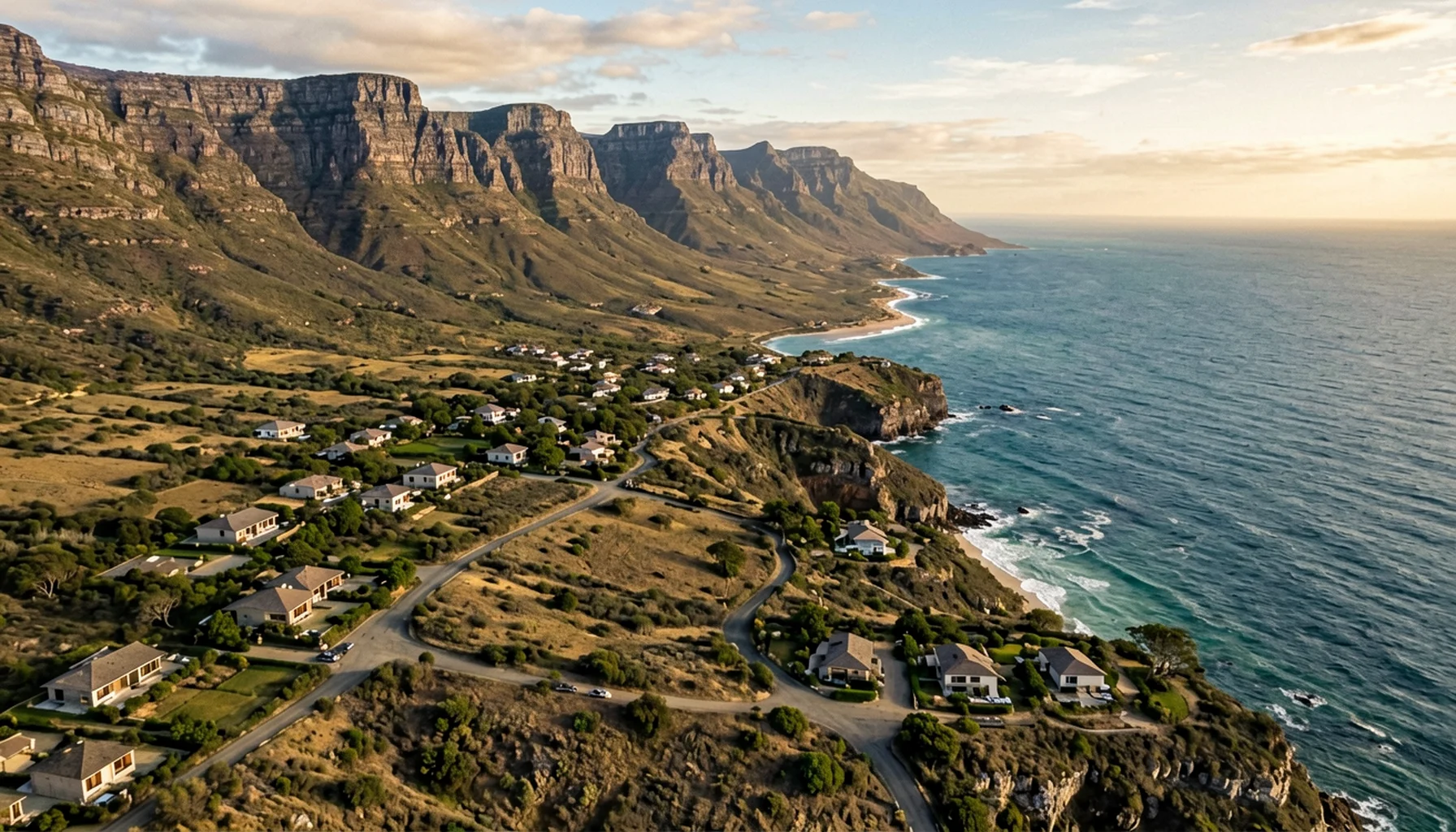
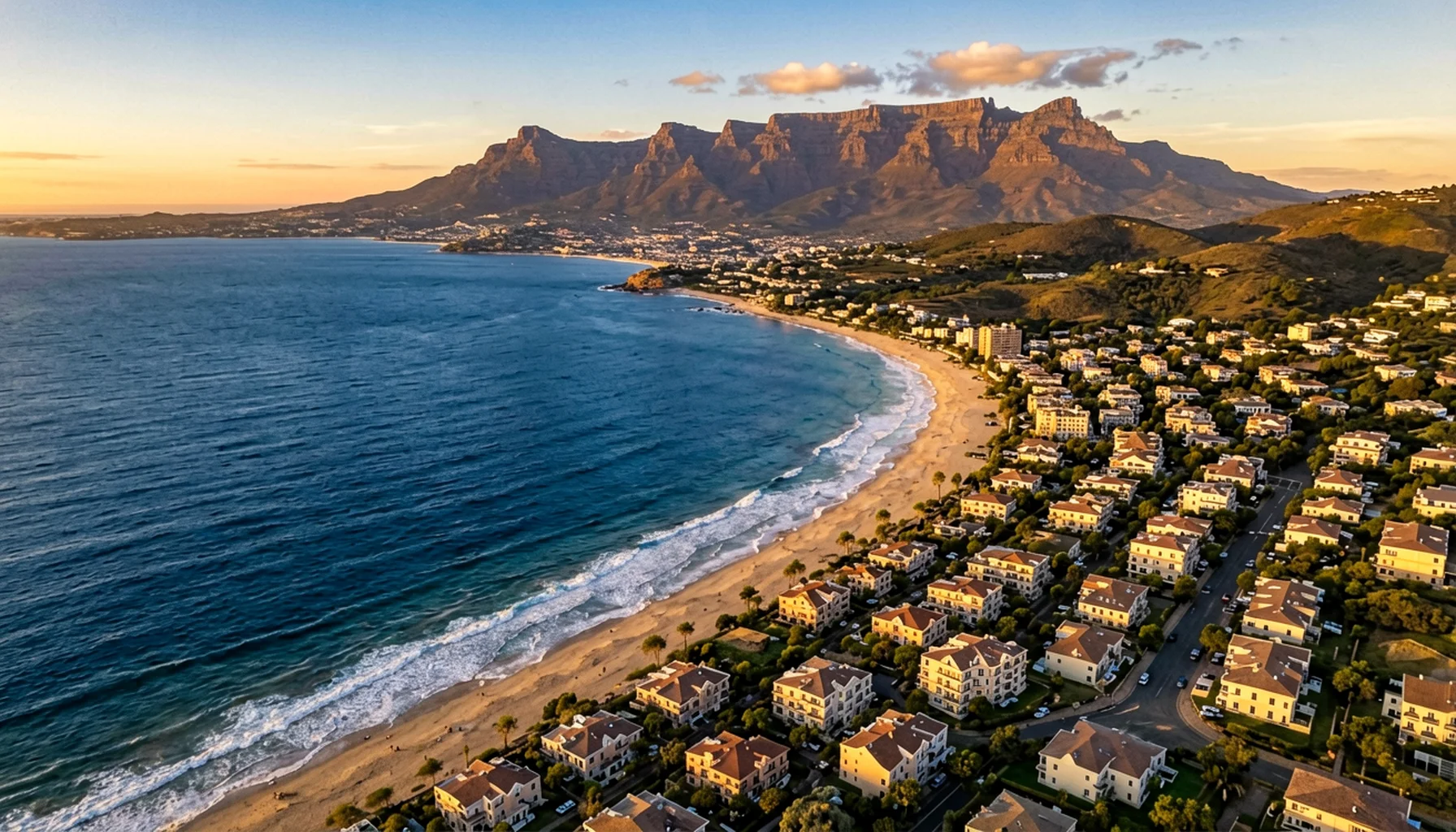
Atlantic Seaboard's resilience is rooted in irreplicable geography. This narrow corridor stretching from Sea Point to Clifton is bounded by the Atlantic Ocean to the west and Table Mountain National Park to the east, with virtually all developable land already utilized.

Three supply-side safeguards:

The result: annual new housing supply below 1%, making existing properties "non-renewable assets." For overseas investors, this permanent supply-side scarcity is the strongest guarantee of capital preservation—regardless of economic cycles, Atlantic Seaboard properties remain in a state of "many want to buy, few can sell."

International Tenant Market: Global Demand Hedges Local Risk

Atlantic Seaboard's resilience relies not only on scarce supply but equally on stable international tenant demand.

Tenant profile:

Rental characteristics:

This means an R 10,450,000 property allocation generates annual rental income of R 836,000 to R 1,045,000 (occupancy income, income only when rented), with high tenant quality and stable leases.

DingYao Phase 1: The Optimal Atlantic Seaboard Entry Window

Dual-Engine Cash Flow Structure

Engine Calculation Basis Annual Income
Rental Engine R 10,450,000 × 8-10% (occupancy income) R 836,000 - R 1,045,000
Interest Engine R 5,000,000 × 6.5% Standard Bank Wealth notice deposit, daily-settled monthly compound ≈ R 335,000
Total Annual Cash Flow Dual-engine structure R 1,171,000 - R 1,380,000

The Hidden Engine During Transfer Wait

The full R 16,000,000 begins earning interest immediately upon entering the lawyer trust protection account (律師信託保護), at approximately R 86,000/month (roughly R 2,849/day). Your money never sits idle—even during the property transfer period, interest accumulates from day one.

Atlantic Seaboard vs Other Premium Markets

Area Entry Threshold Vacancy Rate Annual Cash Flow (R 16M allocation) Resilience Record
Atlantic Seaboard R 16,000,000 <2% R 1,171,000-1,380,000 3 crises positive
Johannesburg Sandton R 12,000,000 8-12% R 720,000-960,000 -25%+ in 2008
Durban Umhlanga R 8,000,000 6-10% R 480,000-640,000 -10%+ in pandemic
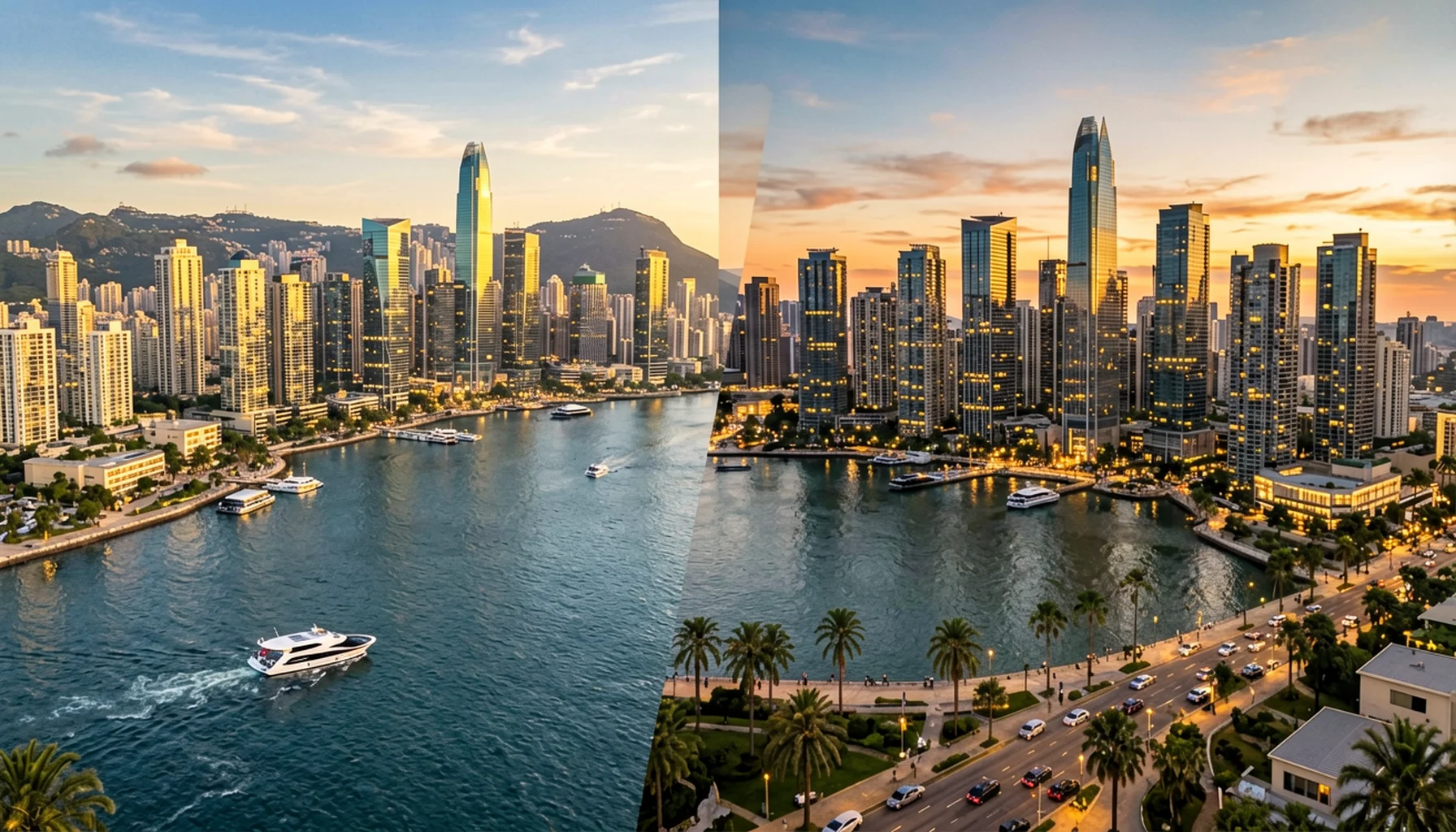
Taipei Xinyi District ~R 16M equivalent ~5% ~R 500,000-650,000 Single-market dependent

Atlantic Seaboard's advantages are clear: lower vacancy, more stable cash flow, and a crisis-tested resilience record.

Why Taiwanese Investors Should Act Now

When global black swan events multiply, waiting for a "better time" often means missing scarce assets. Atlantic Seaboard supply grows below 1% annually—premium properties become harder to acquire during market stress because holders won't sell resilient assets in downturns, while international buyers accelerate safe-haven allocation.

For Taiwanese HNW investors, R 16,000,000 delivers:

  1. Crisis-tested resilient asset
  2. International tenant-backed stable cash flow of R 1,171,000-1,380,000/year
  3. Fund security via lawyer trust protection (律師信託保護)
  4. Long-term appreciation potential from supply scarcity

Conclusion

The Atlantic Seaboard isn't just Cape Town's most scenic coastline—it's a crisis-tested "Storm's Corner Safe Haven" verified across three global crises. Extreme supply scarcity, global demand demand, stable rental income backed by lawyer trust protection (律師信託保護)—these qualities make it the most reassuring choice for overseas investors in uncertain times.

Consult DingYao Advisory today to learn about the complete Atlantic Seaboard property solution, and ensure your overseas investment stands rock-solid through any global storm.

References & Data Sources

  • Pam Golding Properties — Atlantic Seaboard Market Analysis Reports
  • Seeff — Cape Town Premier Area Real Estate Reports
  • City of Cape Town — Spatial Development Framework
  • South African Reserve Bank — Economic Data and Property Price Indices
  • FirstRand Bank — Wealth Management Product Rates
LP

Leo Pan 潘品樺

CEO of DingYao Advisory, specializing in Cape Town premium property investment and wealth management, assisting APAC HNW individuals to invest overseas securely through lawyer trust protection structures (律師信託保護).

FAQ

Frequently Asked Questions

The Stronger the Storm, the More Valuable the Safe Haven

Secure your Atlantic Seaboard Phase 1 investment through lawyer trust protection (律師信託保護), with dual-engine annual cash flow of R 1,171,000-1,380,000

Book Your Atlantic Seaboard Consultation

Related Articles