Cape Town CBD one-bedroom apartments: opportunity and risk for foreign investors

Cape Town CBD One-Bedroom Boom: Opportunity and Risk for Foreign Investors

In July 2026, the Cape Town Central City Improvement District (CCID) released the State of Cape Town Central City Report 2025, revealing that Cape Town's CBD property development value has reached a record R12.8 billion, up 41% year-on-year, with residential investment of R6.2 billion accounting for 48% of the total. For investors, this is both a signal that capital is flooding into the inner city and a warning hidden in the structure: much of the new housing is made up of small one-bedroom apartments aimed at investors and short-term renters.

As 29 development projects come to completion and thousands of new residential units land in the CBD, how should foreign buyers separate genuine opportunity from real risk amid this development fever? This article breaks it down.

Key Insight: Cape Town's CBD development boom confirms that capital is pouring into the inner city — a powerful long-term bullish signal. But for foreign buyers, the real challenge is not "whether to enter" but "what to buy." The oversupply of one-bedroom units and tightening short-term rental regulation mean investors who blindly follow the small-apartment trend risk getting burned on rental yield and resale liquidity.

Supply Surge: One-Bedrooms Are the Development Mainstay

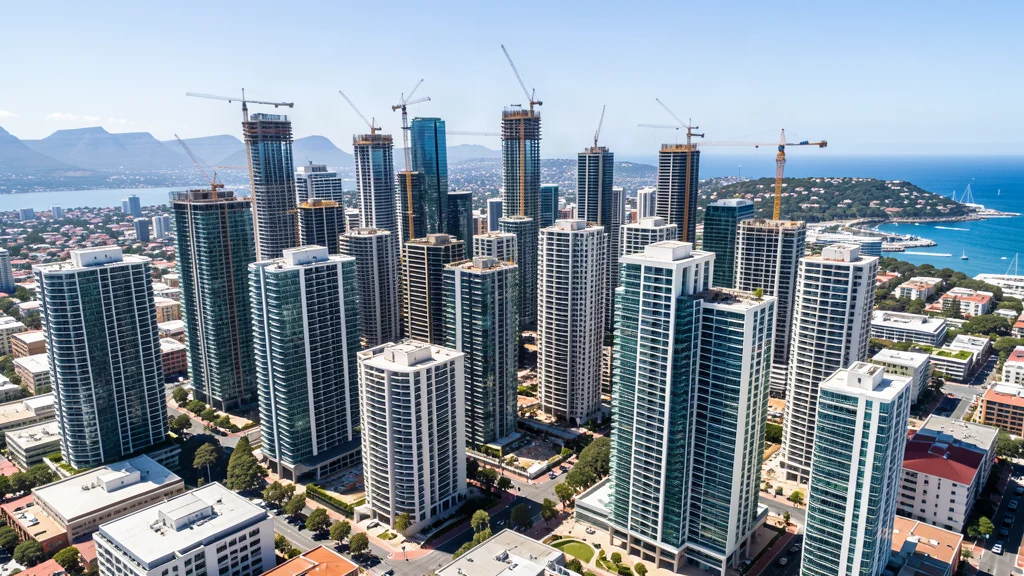
Moneyweb flagged a specific warning when covering the R12.8bn boom: much of the recent CBD residential development focuses on small one-bedroom apartments aimed at investors, tourists, and the short-term rental market. From the 450 apartments in the Golden Acre conversion to the 279 homes in One on Bree to a raft of high-rise street projects, developers are betting on the "small inner-city rental" lane.

Project Residential Type Investment What It Means for Investors
Golden Acre conversion 450 apartments (largely small units) R1.2bn Surge in central-city housing supply
One on Bree 279 homes + 500+ hotel rooms R1.1bn Bree Street living & short-let hotspot
Civic Centre parking lot Affordable housing plans Addresses affordability demand
Total CBD residential 48% of total investment R6.2bn High developer confidence in living demand

The numbers show the median sectional-title price for CBD apartments has risen 53.5% to R1.95m since 2020, and 675 CBD homes sold in 2025. Price gains and sales volume confirm that demand is real — but when every developer bets on small units at the same time, how the market absorbs supply over the next 2-3 years is a question every investor should answer.
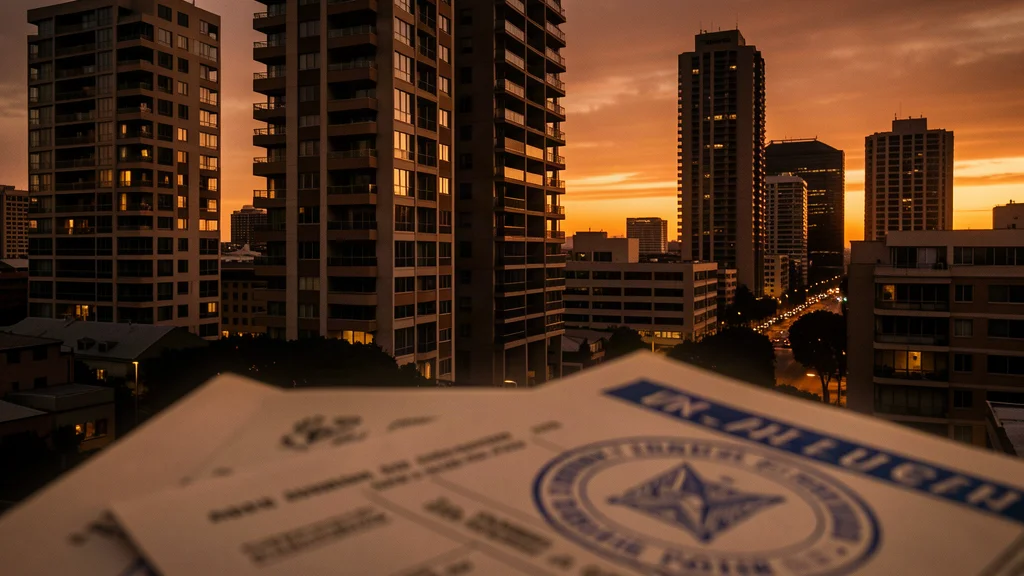
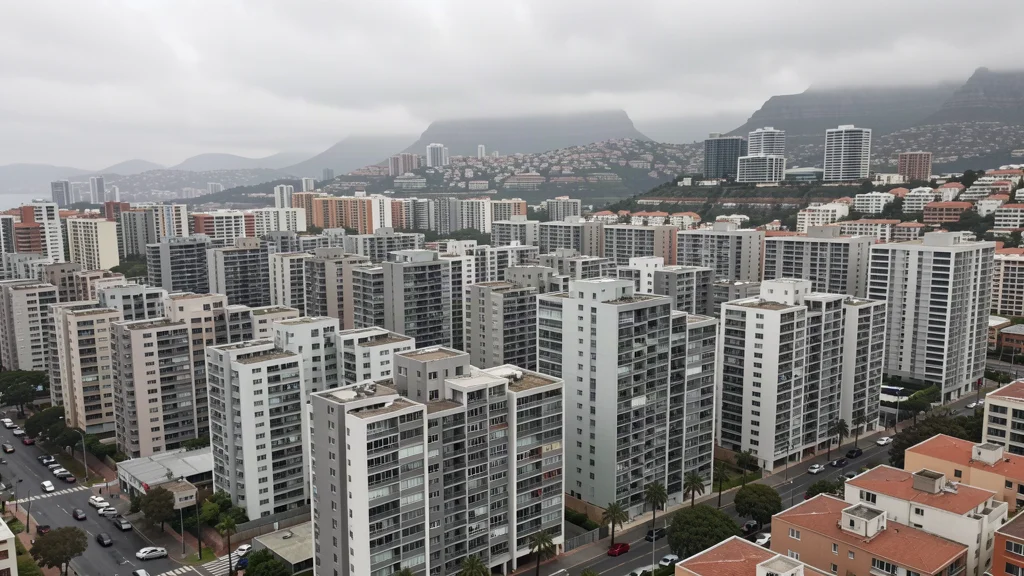
Risk One: Cape Town's Short-Term Rental Crackdown — Up to a 135% Rates Shock

Cape Town one-bedroom rental returns depend heavily on the short-term rental (Airbnb-style) market — and that is precisely where regulatory risk is most concentrated.

The City of Cape Town has proposed a new short-term rental bylaw: if a property is let short-term for more than 50% of the year, it may be reclassified as "commercial," with municipal rates charged at the commercial rate — an increase of up to 135%. The policy aims to curb overtourism and the use of housing by visitors, but it is a heavy blow for apartment investors who depend on short-let returns.

Risk Alert: Cape Town is already seeing "market reset" discussions aimed at Airbnb investors — tighter short-let regulation could push many short-term units back into the long-term rental pool, inflating long-let supply and pressuring rents. For foreign buyers, if your plan leans entirely on high short-let returns, both rental income and valuations could be revised down once the bylaw takes effect.

Risk Two: Oversupply — The Resale Liquidity Concern for One-Bedrooms

When multiple large projects deliver a flood of one-bedroom units simultaneously, the market can face supply concentration in the near term. For investors, this has two effects:

  • Fiercer rental competition — a wave of homogenous one-bedrooms forces landlords to cut rents to compete for tenants, squeezing net yields.
  • More competitors at resale — when you sell, hundreds of "comparable one-bedrooms" may be on the market at the same time, weakening your negotiating position.

This is not to say you cannot buy a one-bedroom — it is a reminder that "scarce supply" no longer applies to Cape Town CBD one-bedrooms. What holds value is an asset with genuine scarcity: a distinctive layout, a rare location, or best-in-class property management.

The Opportunity: Why Cape Town Remains the Capital of Choice

Despite these risks, Cape Town's long-term investment case is unchanged. The following data explains why it remains the first choice for South African capital:

  • R42.6bn in total CBD asset value — the wealth effect of urban upgrading keeps compounding; the R12.8bn of new development will expand it further once completed.
  • High rental yields — by current data, CBD one-bedrooms rent for roughly R19,225/month and two-bedrooms R33,439; at the median price, one-bedrooms yield about 11.8% gross and two-bedrooms about 20.6%, far above most major cities worldwide.
  • A complete price gradient — from R1.95m CBD apartments and DingYao's R16m premium solution to R26m Constantia estates, accommodating every risk appetite and capital size.

Capital Inflow

The R12.8bn boom proves international and local capital is accelerating into Cape Town's inner city.

Regulatory Risk

New short-let bylaws could pressure income and valuations of Airbnb-dependent apartments.

Supply Concentration

One-bedroom oversupply intensifies resale and rental competition; pick targets carefully.

Scarcity Holds Value

Assets with genuine scarcity and strong management are the ones that weather the cycle.

A Curated Strategy for Foreign Buyers: Positioning for Opportunity Amid Risk

Faced with one-bedroom oversupply and tightening short-let regulation, foreign buyers need a sharper asset-selection strategy. DingYao Advisory recommends three steps:

  1. Avoid "bandwagon" small apartments — for projects that are already highly homogenous and depend entirely on short-let, carefully assess long-term rental returns and resale liquidity.
  2. Choose assets with genuine scarcity — distinctive layouts, prime locations, mature neighbourhoods, and strong property management withstand supply shocks better.
  3. Diversify risk through professional structuring — use a legal trust protection structure and Standard Bank custodianship to keep cross-border deals compliant and secure, and select the right market segment for your capital size.
"Cape Town's CBD is going through a generational transformation, and the capital inflow is real. But in a development fever, foreign investors must stay disciplined — what is truly worth buying is always an asset with scarcity and long-term income support, not a bandwagon chased at the top." — DingYao Advisory Investment Research Team (Aug 2026)

Conclusion: Opportunity and Risk Coexist — Selection Is Everything

Cape Town's one-bedroom apartment boom is the most vivid snapshot of this inner-city development cycle — capital inflow is real, but so is supply concentration. The R12.8bn development wave, the 53.5% rise in the median price, and rental yields above the global average are all solid reasons Cape Town remains worth investing in; but the 135% rates shock from short-let regulation and the one-bedroom supply surge remind us that the era of blindly following trends is over.

The question is no longer "should I invest in Cape Town" but "how do I invest smartly." Through DingYao Advisory's professional services, international investors gain complete market assessment and asset screening — from supply analysis and regulatory risk to legal and capital structuring, all in one solution, capturing genuinely scarce value amid the development boom.

In the Cape Town CBD development boom, opportunity and risk coexist — now is the time to select assets with a discerning eye and build long-term value. Book a one-on-one consultation to receive DingYao Advisory's professional market analysis and asset allocation recommendations.

Select Your Cape Town CBD Investment With Precision

The R12.8bn development boom confirms capital is flooding into Cape Town, but one-bedroom oversupply and tightening short-let regulation make "choosing the right asset" more important than ever. DingYao Advisory provides international investors with end-to-end support — from supply analysis and regulatory risk to legal and capital structuring. Book now for a tailored investment assessment.

Book Now