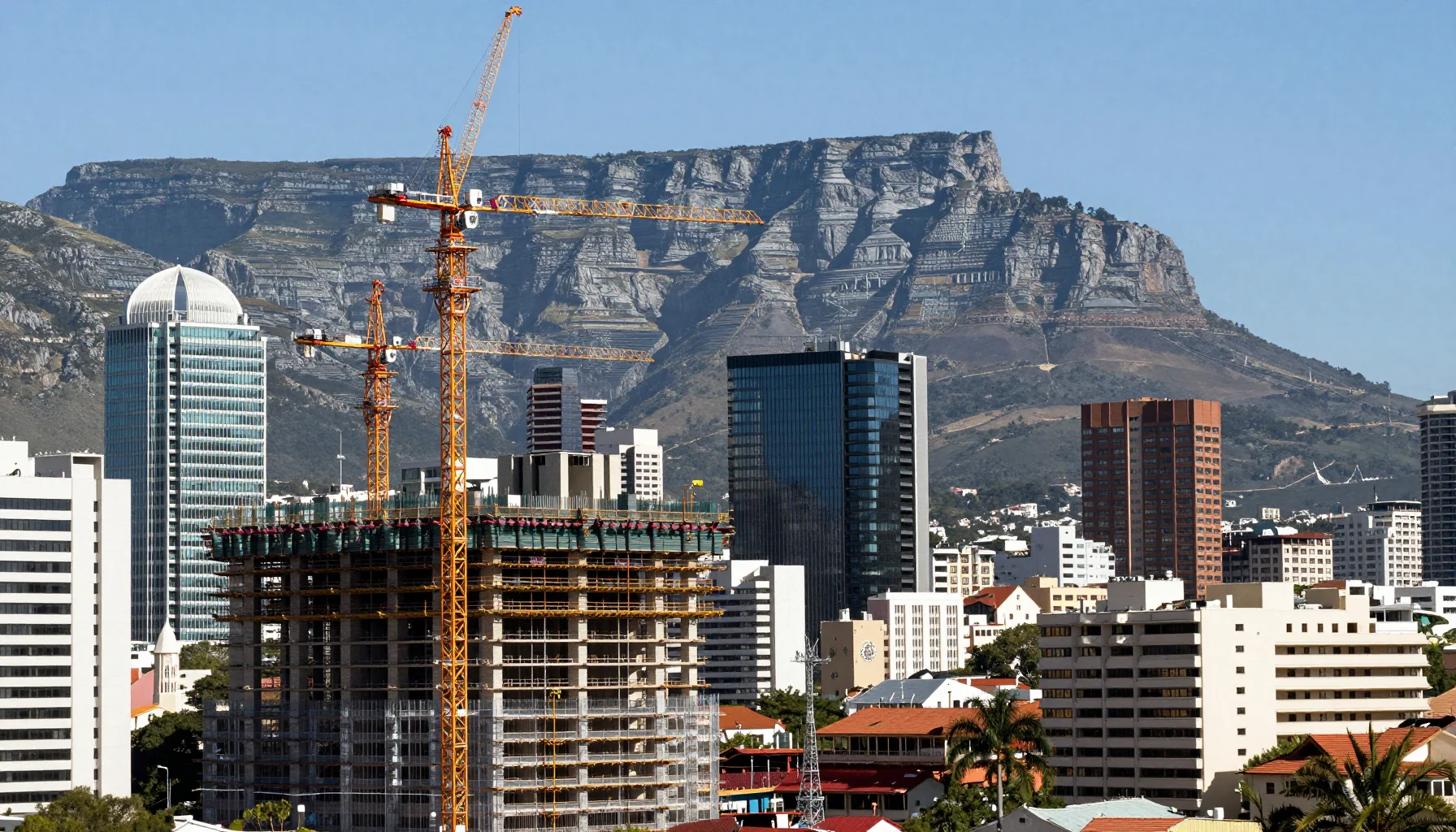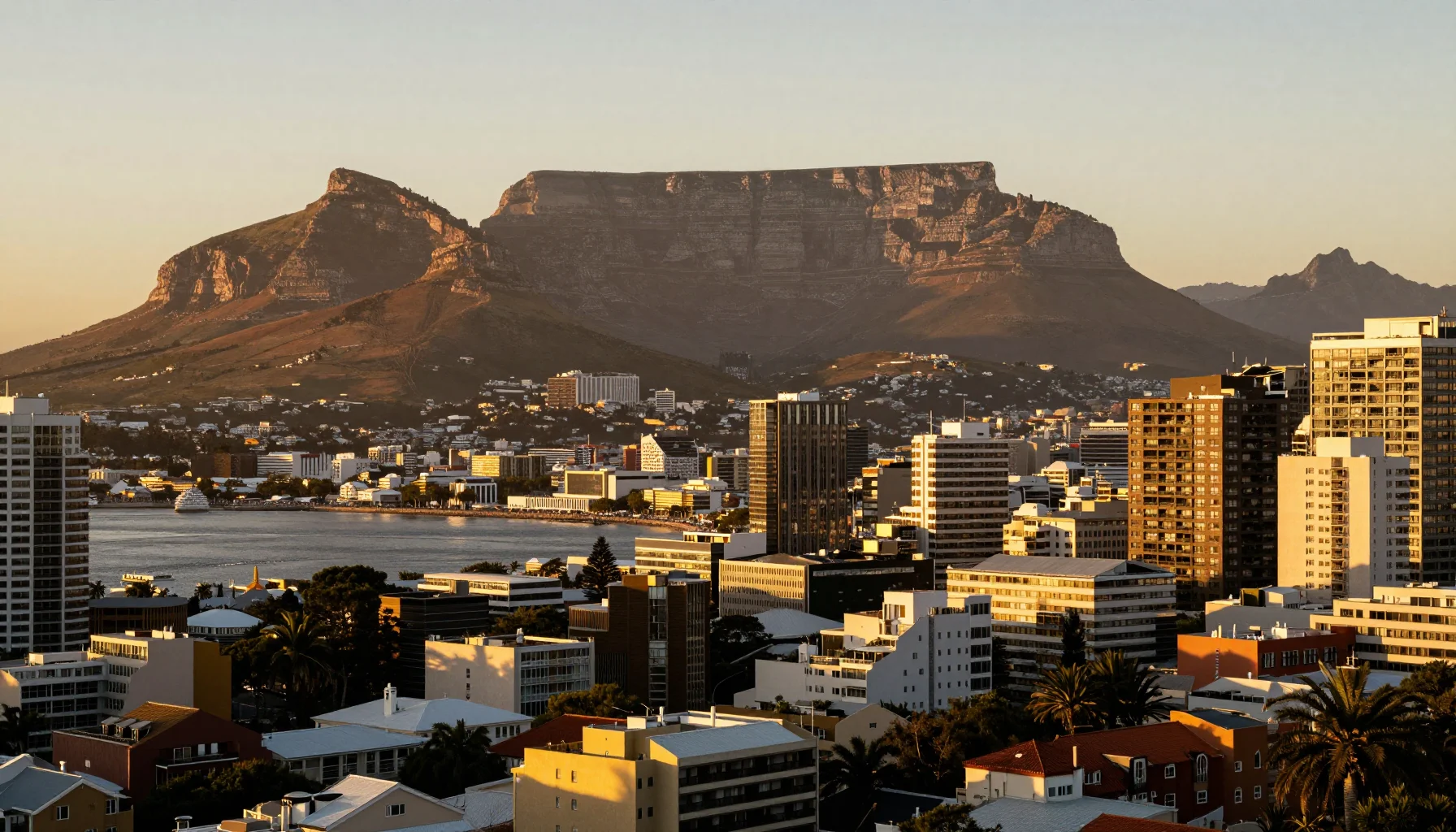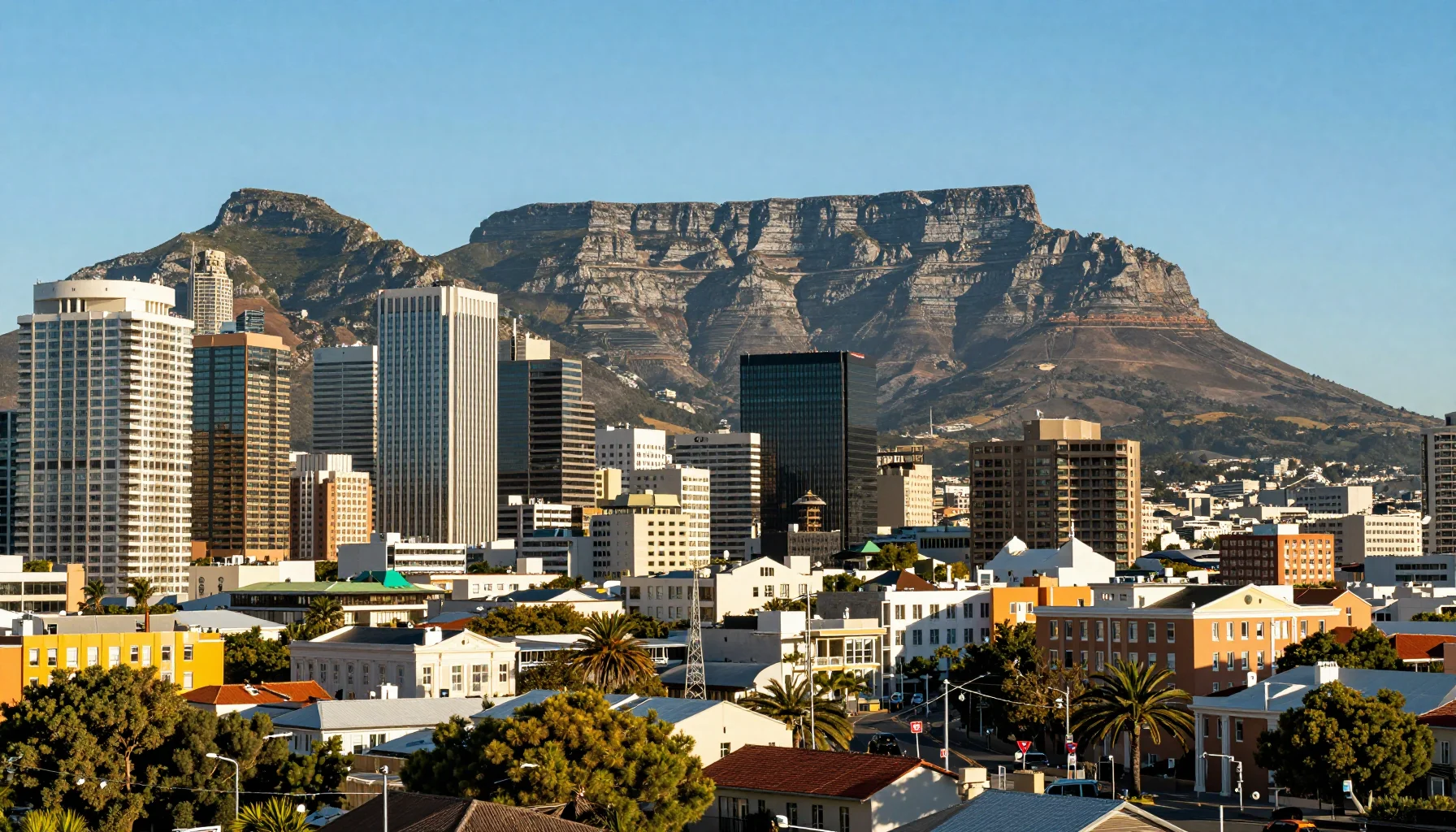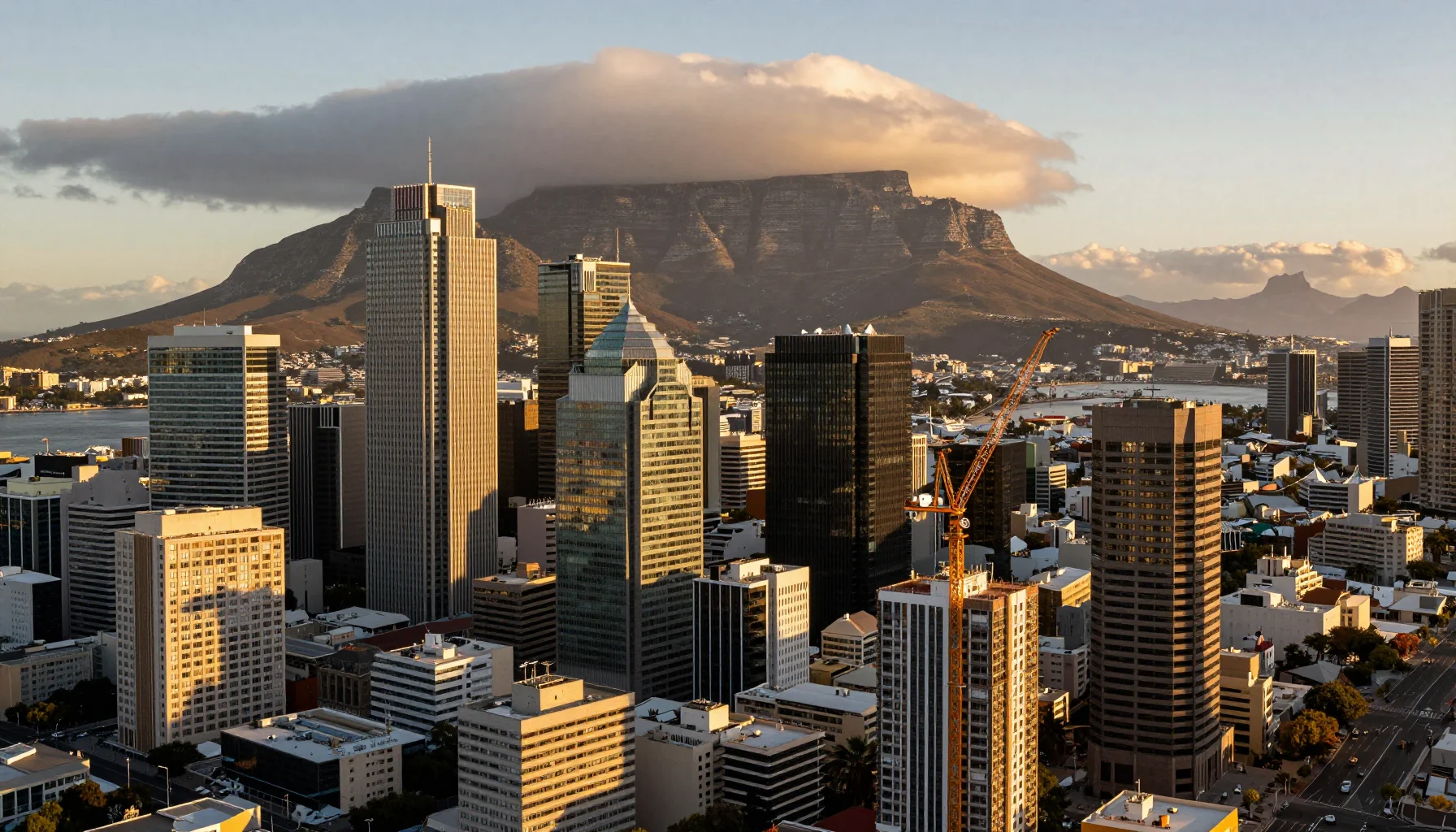
Cape Town CBD skyline and the urban renewal investment wave

Cape Town CBD Investment Hits Record R12.8bn: How Inner-City Property Rides the Urban Renewal Wave

When international capital and local developers simultaneously focus on the same place, it usually signals something big. In July 2026, the CCID (Cape Town Central City Improvement District) released its State of Cape Town Central City Report 2025, revealing a striking figure: property development investment in the Cape Town CBD exceeded R12.8 billion, up 41% year on year.

This is not theory — it is 29 actual development schemes unfolding across just 1.74 square kilometres of Cape Town's city centre. For investors, this is a powerful signal: the urban renewal wave in Cape Town's core is advancing at remarkable speed, and supply in prime locations will only grow scarcer.

Key Takeaway: According to the CCID State of Cape Town Central City Report 2025, property development investment in the Cape Town CBD topped R12.8 billion in 2025/26, up 41%. Residential development reached R6.2 billion — more than half the total — and the sectional title median price rose to R1.92 million (up 5.4% YoY, +53% since 2020). Retail occupancy held at 88%, with vacancy just 12.3%. The CBD's total asset value stands at R42.6 billion. R12.8 billion of capital has already "voted with its feet" for Cape Town's inner city.
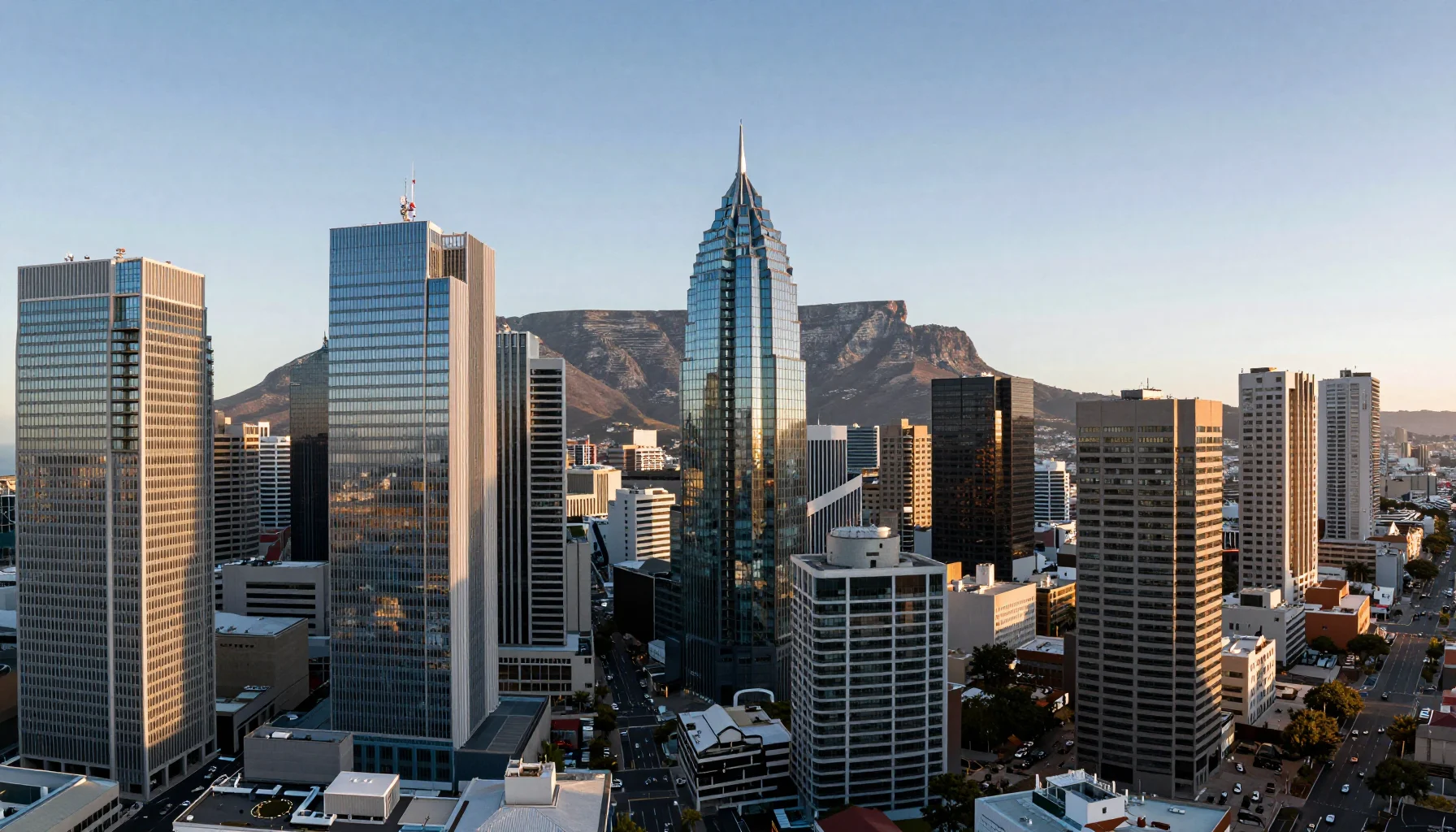
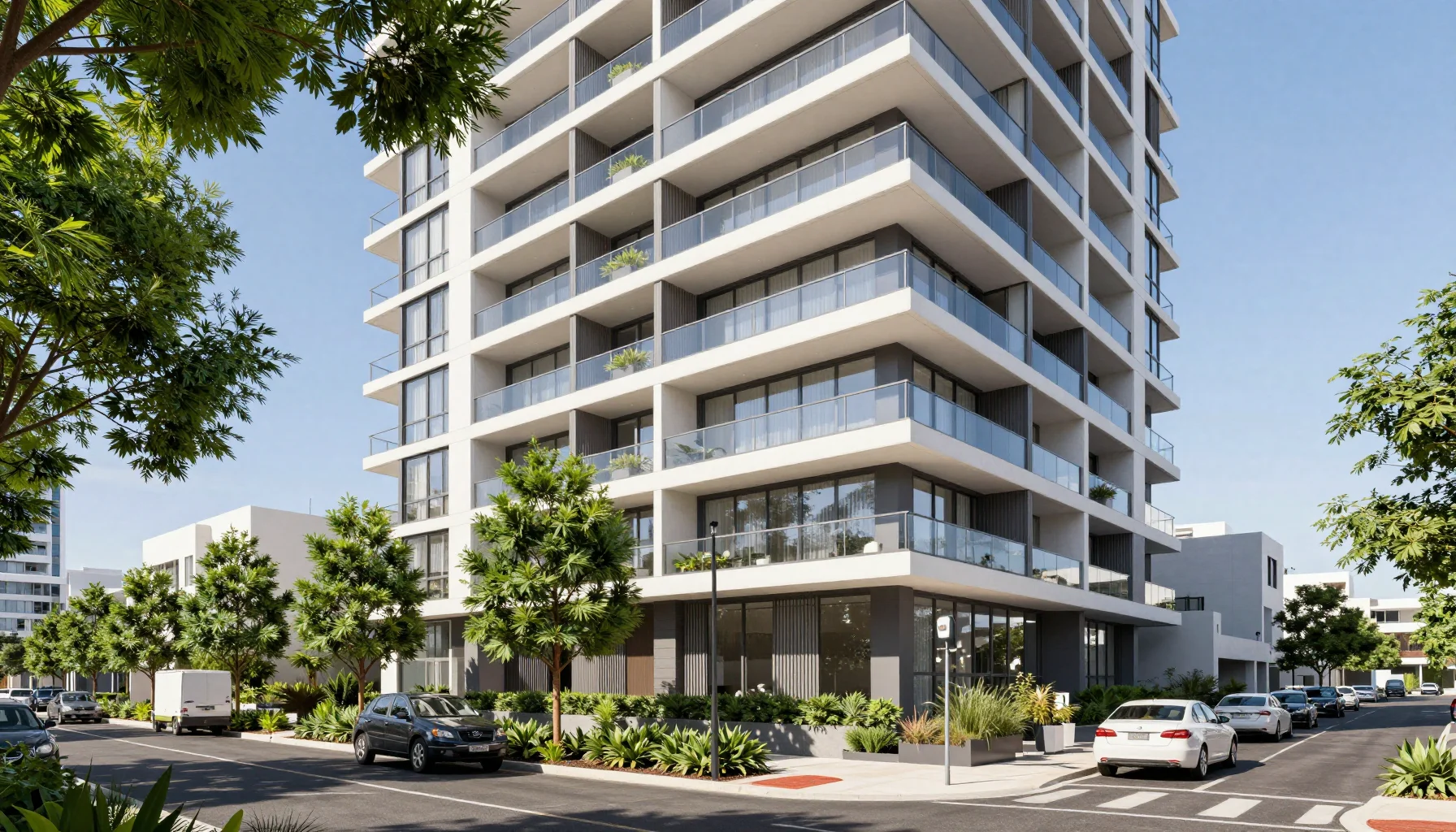
Where Does the R12.8bn Come From? Mapping Cape Town CBD Development Investment

The CCID's annual report (14th edition) shows that property development investment in the Cape Town CBD reached R12.8 billion in 2025/26, up 41% from R9 billion the year before. The figure covers 29 schemes across the CCID's 1.74 km² footprint — and the CCID calls it a conservative estimate.

Development Stage Number of Schemes Total Value
Completed 8 Over R1.9 billion
Under Construction 14 Over R5.4 billion
Planning Phase 5 About R5.4 billion
Proposed 2 To be confirmed

Notably, more than half of these 29 schemes are residential or mixed-use developments, with 16 residential schemes worth R6.2 billion. Capital is flowing into "liveable" space in the city centre, not just commercial property — the healthiest, most durable signal of urban renewal.

"These numbers not only reflect investor confidence, they inspire it. When confidence becomes concentrated in one place, it creates momentum that attracts even more investment." — Rob Kane, CCID Board Chairperson / CEO of Boxwood Property Fund

Residential Is the Star: More People Are Living in the Cape Town CBD

For property investors, the most compelling story is the strength of the residential market. The sectional title median sale price in the Cape Town CBD rose to R1.92 million in 2026, up 5.4% year on year; more strikingly, it has climbed more than 53% cumulatively since 2020.

Behind the demand is a sustained inflow of residents. Over the past five years (2021-2025), 22 residential-led schemes delivered about 3,260 new apartments, consistently absorbed by the market — sustained absorption, not a one-off spike. The city-centre population is growing steadily, pushing rental demand higher.

Median Price +5.4% YoY

Sectional title median rose to R1.92 million, steady growth.

+53% Since 2020

Five-year cumulative gain reflects a long-term value trend.

16 Residential Schemes

Worth R6.2 billion, more than half of CBD development value.

3,260 New Apartments

Delivered across 22 residential schemes between 2021-2025.

For investors, city-centre residential property offers both upside and resilience — capital appreciation from urban renewal plus steady rental demand. The CBD's lifestyle amenities (dining, commerce, tourism) make these units a top choice for international tenants.

Retail Vacancy Just 12.3%: Hard Evidence of a Thriving City-Centre Economy

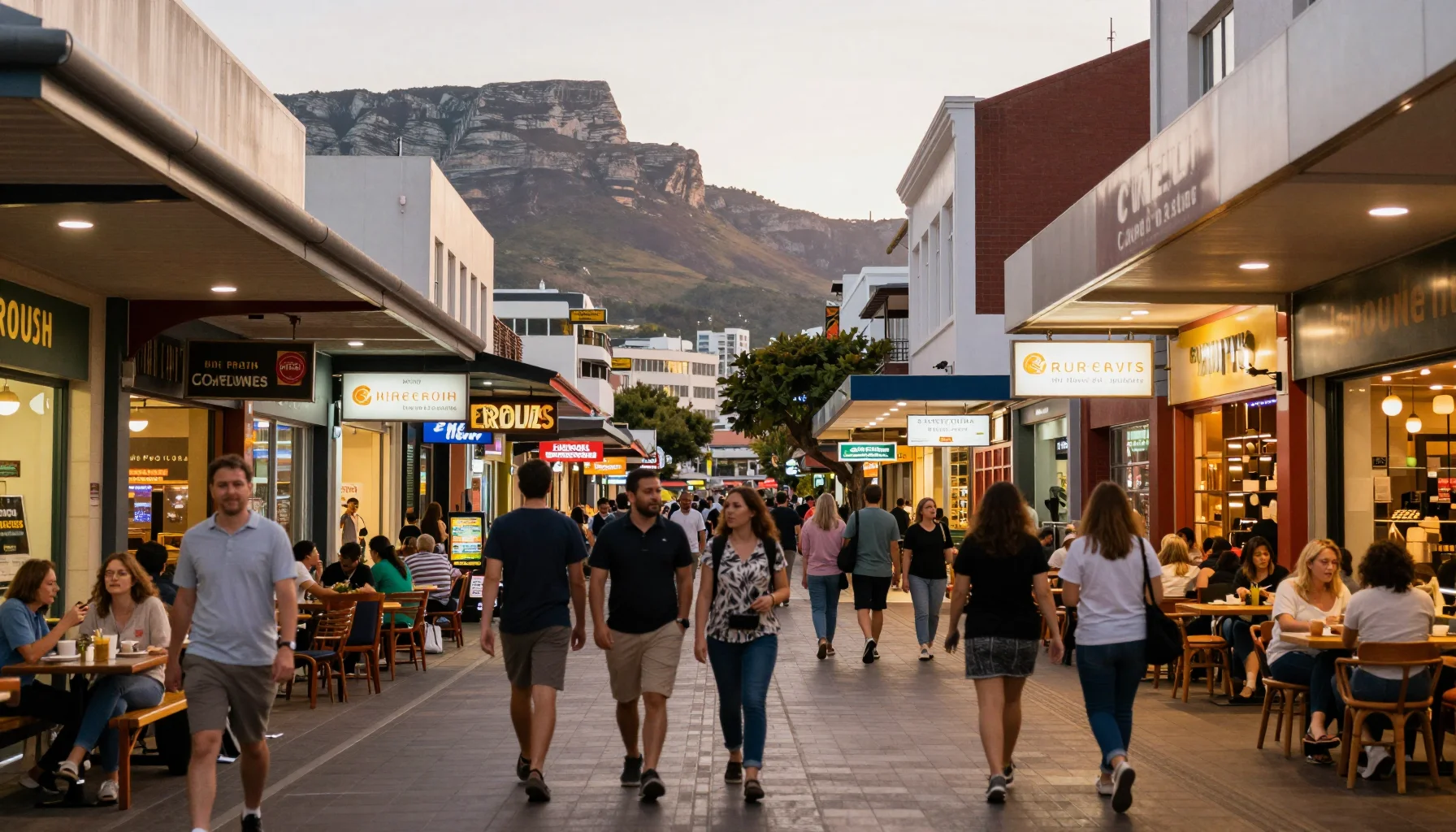
Beyond residential, the Cape Town CBD's commercial fundamentals are equally strong. According to the CCID report, retail occupancy across the four precincts held at 88%, with vacancy just 12.3% across 1,495 retail units; 172 new retail outlets opened during the reporting period.

Critically, 98% of retailers described trading conditions as "favourable" in the CCID's Q4 2025 Business Confidence Index. The city centre is not just high-rise construction — it is a real, vibrant commercial ecosystem, which is the most fundamental force underpinning asset value.

  • Retail occupancy 88% — just 12.3% vacant across 1,495 units
  • 172 new retail outlets — commerce keeps expanding
  • 98% of retailers positive — high business confidence
  • 3,547 businesses citywide — operating in the centre in 2025

Stable retail and commerce keep validating the "location value" of the Cape Town CBD. For property buyers, an area with 88% occupancy and 98% positive sentiment offers far stronger preservation and growth potential than high-vacancy districts.

Flagship Developments: From Golden Acre to City Park, an Inner-City Transformation

R12.8 billion is not an abstract number — it is materialising in landmark buildings. Several flagship developments are reshaping the Cape Town CBD skyline:

01

Golden Acre Transformation — R1.2bn

Converting the iconic Golden Acre office tower into a mixed residential and retail destination with about 450 apartments — a model of adaptive office-to-residential reuse.

02

City Park — R1.3bn

A R1.3 billion redevelopment of the former Christiaan Barnard Hospital, bringing Africa's first Mama Shelter Hotel plus luxury residences and retail.

03

One on Bree — R1.1bn

Worth R1.1 billion, delivering more than 500 hotel rooms and 279 residential apartments, further strengthening the CBD's hospitality and residential supply.

04

Affordable Housing Enters

The Western Cape Government supports two major affordable housing projects valued at about R2.9 billion, as the city works to expand central housing supply.

Together, these schemes paint a clear picture: the Cape Town CBD is transforming from an office-led old commercial district into a modern urban core blending residential, commerce and tourism. International hotel groups entering the city are seen by the CCID as "long-term players" — not speculators, but investors betting on the inner city's long-term value.

For Investors: Why Now Is the Moment to Enter Cape Town's Inner City

Back to the question every buyer cares about — is it too late to enter the Cape Town CBD? Based on the CCID data, the answer is no, but you should move early.

First, prime supply is limited. The Cape Town CBD spans just 1.74 km², and developable land and units are inherently scarce. With R12.8 billion of capital rushing in, the acquisition cost of quality properties will only rise. Second, residential demand keeps growing — the 3,260 new apartments have been steadily absorbed, so rental and owner-occupier demand is far from saturated.

Key Insight: R12.8 billion of development investment has already "voted with its feet" for Cape Town's inner city. When capital, international hotel groups and major developers converge, it means the early-cycle benefits of urban renewal are being locked in. For buyers, now is the moment to enter prime city-centre locations before supply is fully absorbed and while the currency advantage remains.
Third, currency and asset-allocation advantages. The rand-to-new-Taiwan-dollar exchange rate still offers a relatively cost-effective entry point, and combined with the long-term appreciation of Cape Town city-centre assets, it lets investors participate in South Africa's strongest urban-renewal market at a reasonable cost.

"In an urban renewal wave, the money is not made chasing already-appreciated properties, but in locking in prime locations before the capital dividend is fully priced in." — Scott Huang, CEO of DingYao Advisory

Conclusion: R12.8bn Has Voted with Its Feet — Lock In Inner-City Property Early

Cape Town CBD's R12.8 billion investment, 41% annual growth, residential-led development mix and 88% retail occupancy together paint a clear trend: the city centre is in an unprecedented golden period of urban renewal, and prime supply is tightening fast.

For investors, this is both an opportunity and a reminder — the early-cycle dividends of urban renewal will not last forever. With R12.8 billion of capital, international hotel groups and major developers already in, the number of prime-location slots left for individual buyers is shrinking quickly.

Want a share of Cape Town's prime inner-city locations? Book a consultation now and let DingYao Advisory help you lock in entry opportunities in the city centre.

Prime Inner-City Supply Is Limited — R12.8bn Has Already Moved In

Cape Town CBD investment is up 41% YoY, retail vacancy is just 12.3%, and prime supply is tightening fast. Now is the time to lock in a city-centre property and ride the urban renewal wave — book a property assessment today.

Book a Property Assessment