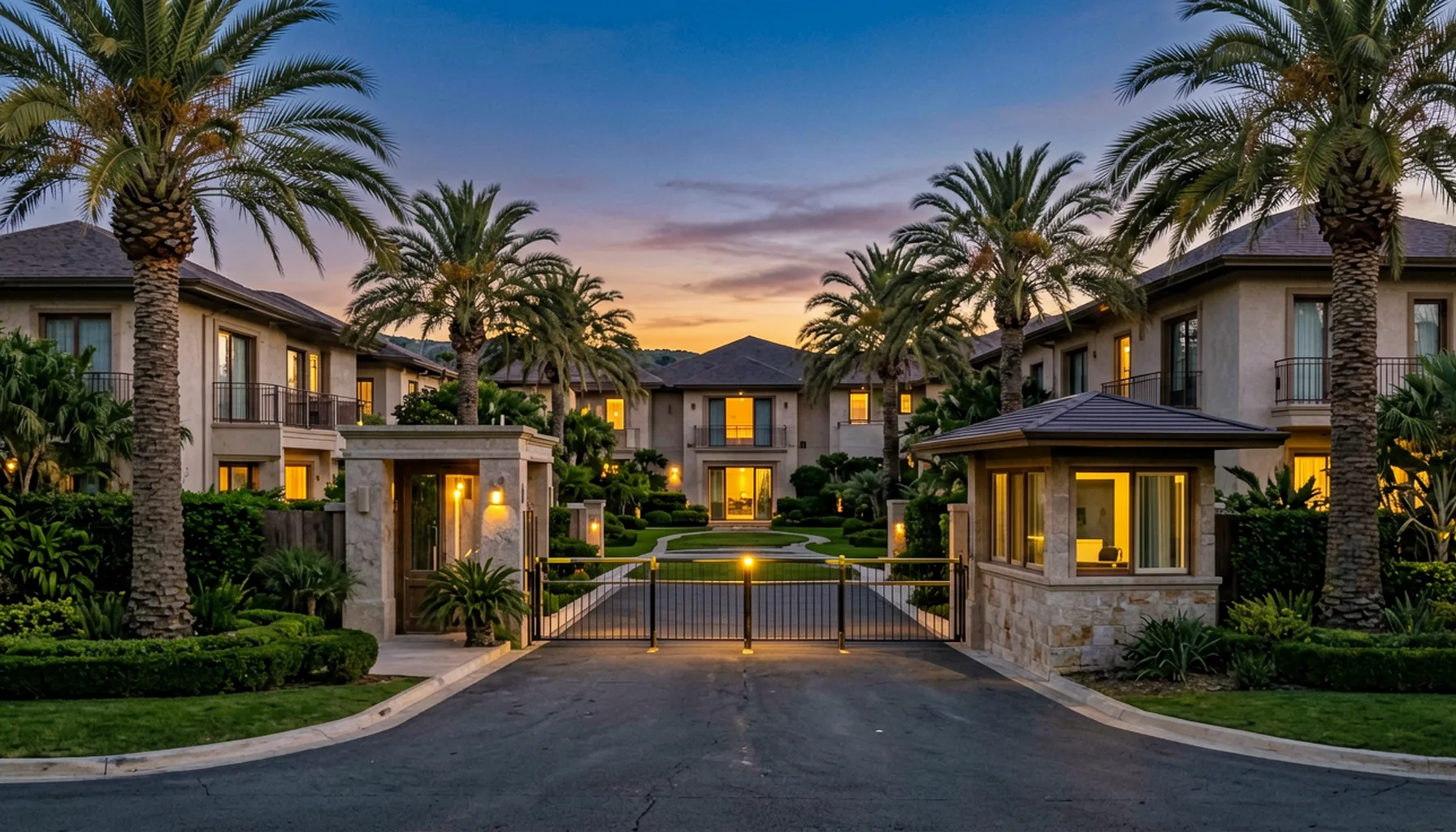
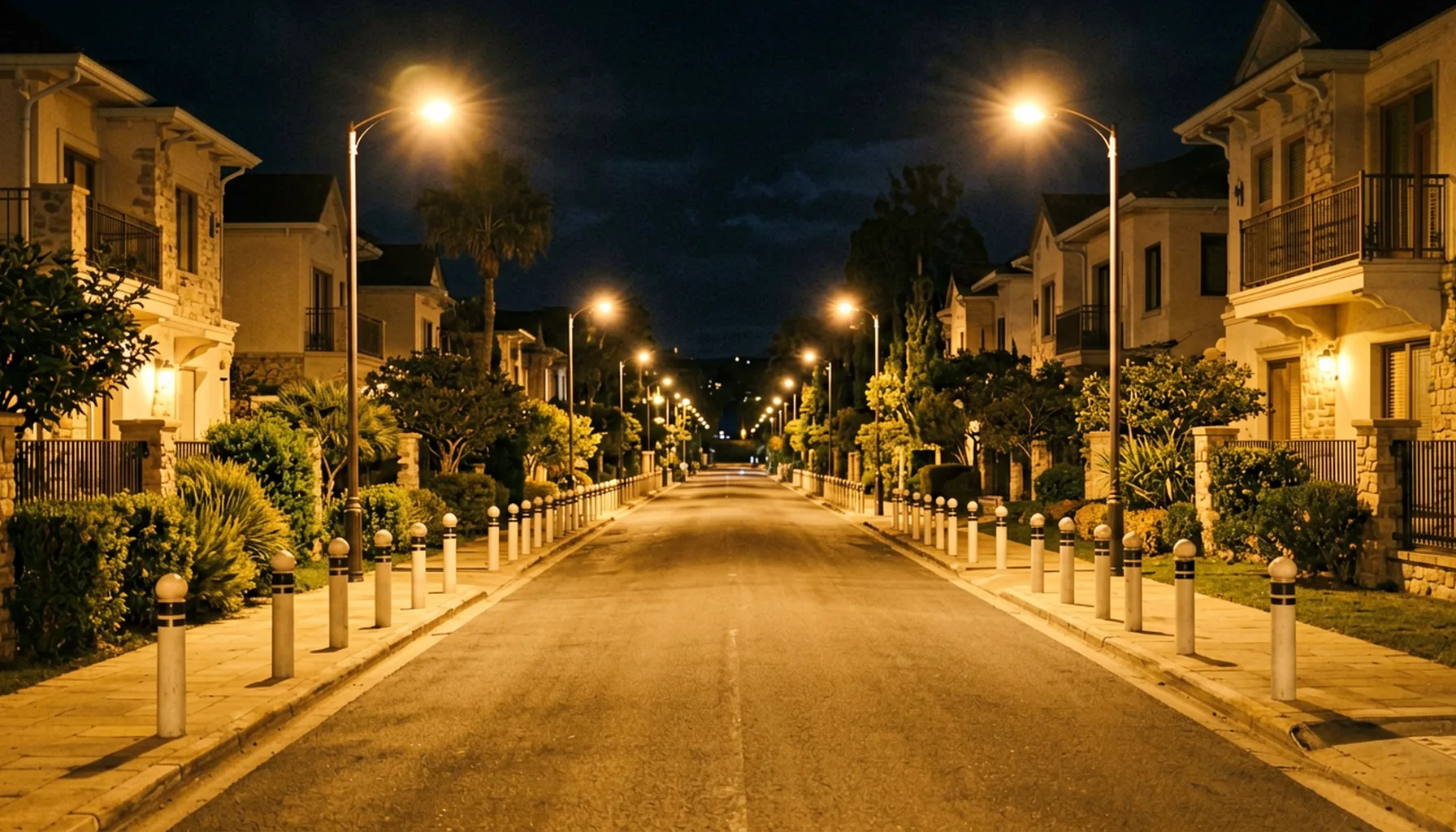
For Taiwanese investors considering property in Cape Town, gated communities (also known as estates or security villages) are often the first recommendation. This is not only about security — in South Africa, gated communities offer 24/7 armed response, electric fencing, and controlled access — but also because properties in these estates consistently outperform the broader market in long-term capital appreciation.
This article provides a comprehensive guide to investing in Cape Town gated communities from an international investor's perspective, covering security, levy structures, price trends, and the top estates worth considering in 2026.
Key Insight: Premium Cape Town gated communities achieve 8-12% compound annual price growth, outperforming the broader Cape Town market's 6-8%. While levies represent a holding cost, the appreciation premium and enhanced security far outweigh the levy expense. For overseas investors, gated communities offer a "buy with confidence, hold for growth" investment proposition.
Why Gated Communities Are the Top Choice in Cape Town
Cape Town's gated communities have grown rapidly over the past decade, expanding from approximately 200 estates in 2015 to over 500 in 2026. This growth is driven by several structural factors.
Security is the primary consideration. South Africa's crime rates make gated communities the preferred choice for high-net-worth individuals. These estates feature 24/7 armed patrols, infrared monitoring, electronic access control, and managed visitor systems. According to Fidelity ADT, burglary rates in gated communities are over 70% lower than in open neighborhoods.
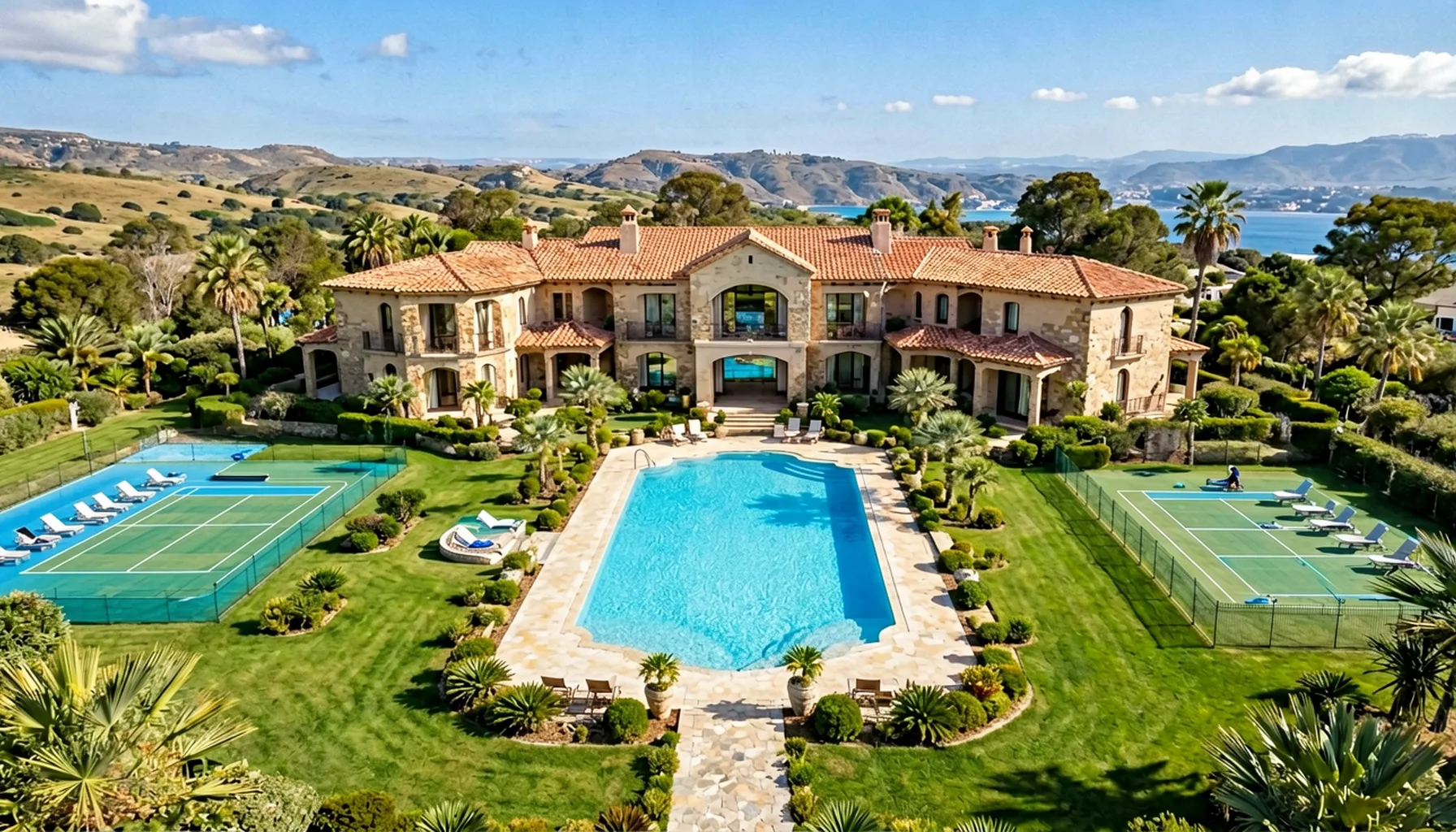
Community amenities enhance quality of life. Premium estates typically feature golf courses, tennis courts, swimming pools, fitness centers, restaurants, and walking trails. These amenities not only improve the living experience but directly boost property values.
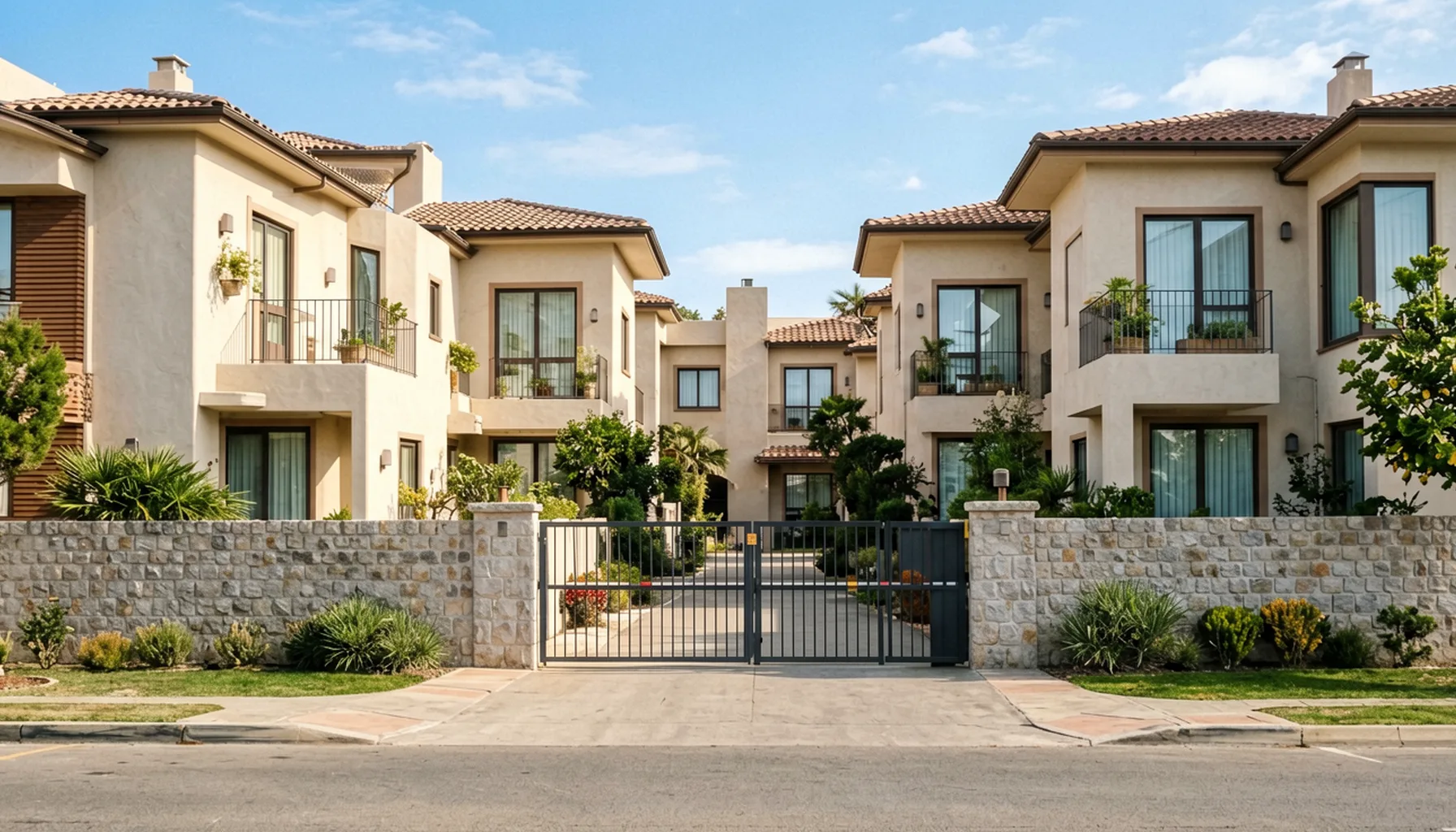
Strict architectural guidelines protect asset values. Every gated community has its own architectural guidelines ensuring uniform building styles and well-maintained landscaping. This prevents neighboring properties from dragging down overall values through poor maintenance.
Top Cape Town Gated Communities for International Investors
Below are the most noteworthy gated communities for international investors in 2026, evaluated across security, appreciation potential, quality of life, and investment threshold.
1. Val de Vie Estate (Paarl / Franschhoek)
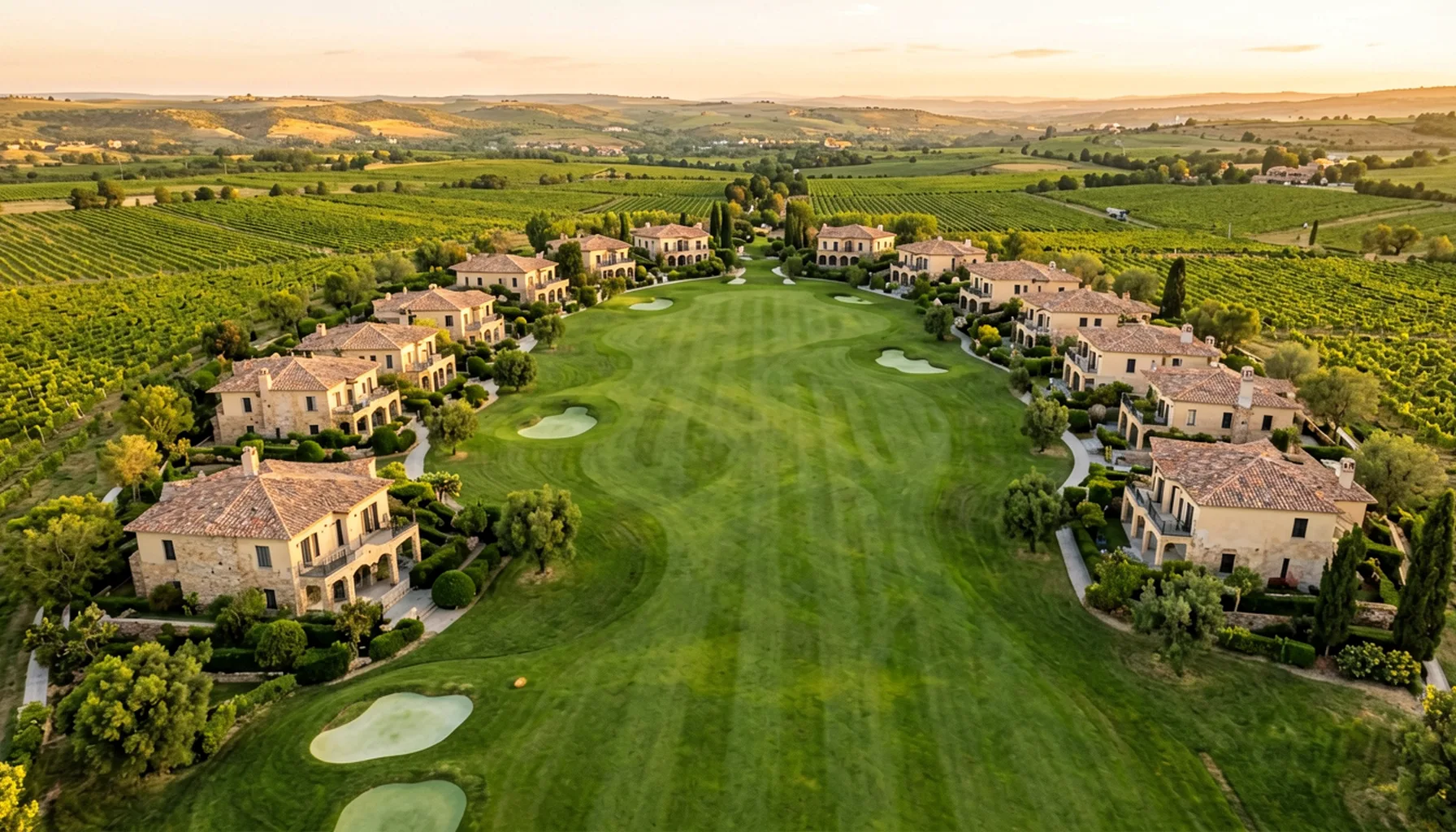
Val de Vie is widely regarded as one of South Africa's premier gated communities, located between Paarl and Franschhoek, approximately 45 minutes from Cape Town city center. This 1,000-hectare estate features its own water and electricity infrastructure, 24/7 armed security, a world-class golf course, and award-winning wineries.
Property prices at Val de Vie range from R 3,000,000 apartments to R 30,000,000+ manor houses. The estate has achieved 10-12% compound annual price growth over the past five years, with monthly levies of approximately R 3,000-R 5,000. The estate features the Pearl Valley Golf Course (designed by Jack Nicklaus) and the Val de Vie Winery, offering an exceptional lifestyle.
Ideal for International Investors: Val de Vie is one of the few premium estates with a well-established process for foreign buyers, and the estate management company has extensive experience serving international clients. Entry threshold from R 3,000,000 (approximately USD 160,000), suitable for medium to long-term holding.
2. Steenberg Estate (Constantia)
Steenberg Estate is located in Cape Town's most prestigious Constantia wine region, just 20 minutes from the city center. This historic estate, established in 1682, is now a gated community integrating a golf course, hotel, residences, and a working winery.
Property prices at Steenberg range from R 4,000,000 to R 20,000,000+. The estate features an 18-hole golf course, the five-star Steenberg Hotel, multiple restaurants, and tasting rooms. Monthly levies range from R 2,500 to R 4,000. The Constantia area has demonstrated stable long-term price growth of 8-10% annually.
3. De Zalze Estate (Stellenbosch)
De Zalze is located in the university town of Stellenbosch, approximately 35 minutes from Cape Town city center. This golf estate centers around the De Zalze Golf Course and offers a range of options from apartments to large family homes.
Property prices at De Zalze range from R 2,500,000 to R 15,000,000. Monthly levies range from R 2,000 to R 3,500. The Stellenbosch area benefits from stable rental demand driven by the university and semigration inflows, with annual price growth of 7-9%.
4. Atlantic Beach Estate (Melkbosstrand)
Atlantic Beach Estate is located on Cape Town's West Coast in Melkbosstrand, approximately 30 minutes from the city center. This coastal golf estate offers spectacular Atlantic Ocean views and direct beach access.
Property prices at Atlantic Beach range from R 2,800,000 to R 12,000,000. Monthly levies range from R 2,000 to R 3,000. The West Coast area has benefited from the Koeberg nuclear power plant expansion and MyCiTi bus route extension, with annual price growth of 6-8%.
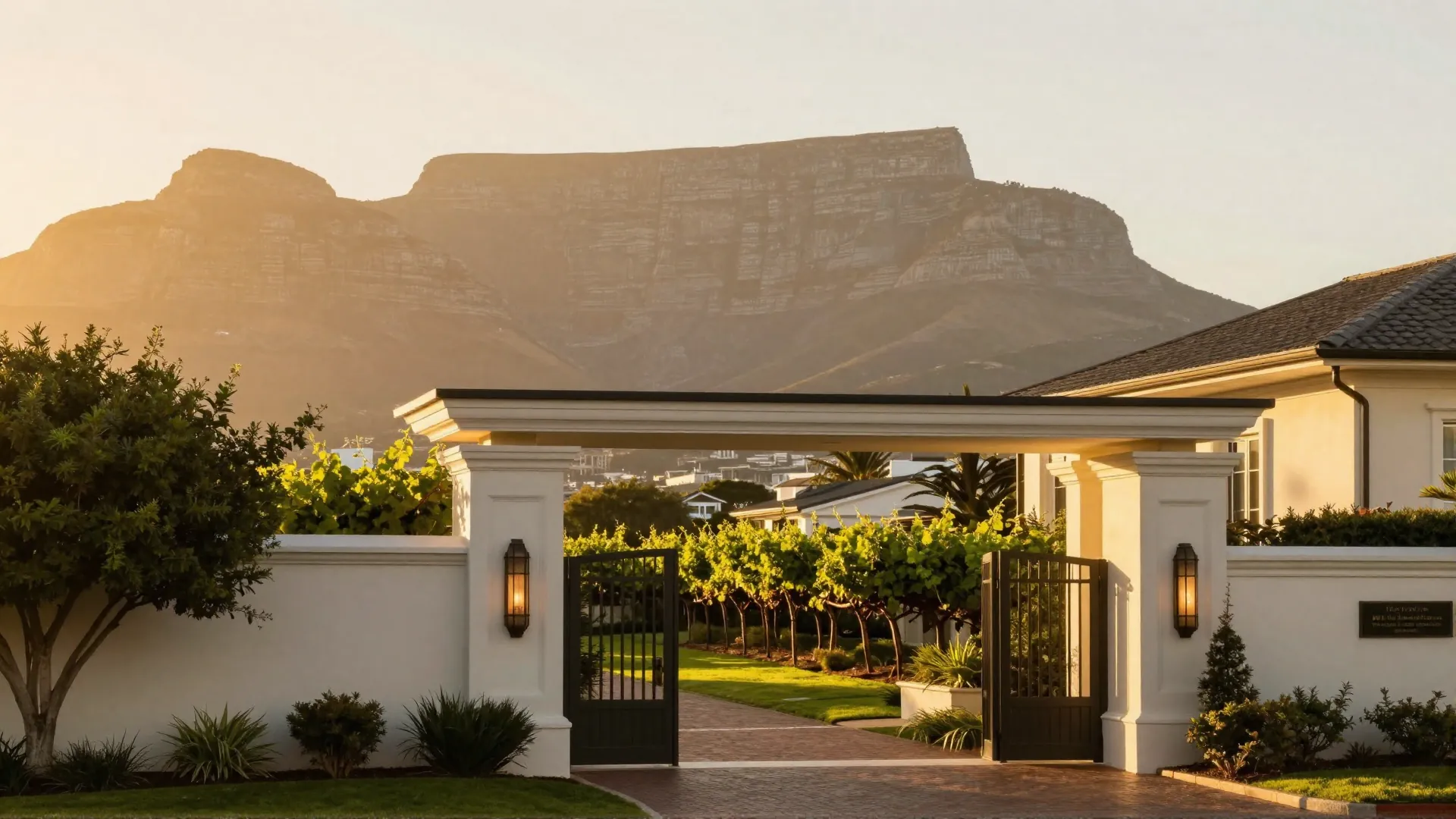
Complete Guide to Gated Community Levies
Levies are a significant component of the holding cost for gated community properties. Below is a breakdown of levy ranges and coverage for Cape Town's major estates in 2026.
| Estate | Monthly Levy (ZAR) | Coverage | Annual Increase |
|---|---|---|---|
| Val de Vie Estate | R 3,000 - R 5,000 | Security, gardening, utilities, common facilities | 5-8% |
| Steenberg Estate | R 2,500 - R 4,000 | Security, golf course maintenance, roads, landscaping | 5-7% |
| De Zalze Estate | R 2,000 - R 3,500 | Security, golf course, common areas, lighting | 5-8% |
| Atlantic Beach Estate | R 2,000 - R 3,000 | Security, beach access, common facilities, gardening | 5-7% |
Levies typically cover 24/7 security, common area maintenance, gardening, lighting, road maintenance, and community events. Some estates include water and refuse removal in the levy. Levies are adjusted annually in line with inflation, typically increasing 5-8% per year.
Investor Note: Levies are tax-deductible holding costs. For a R 16,000,000 investment, annual levies of approximately R 36,000-R 60,000 (about USD 2,000-3,200) represent just 0.2-0.4% of total investment value — significantly lower than condo management fees in Taiwan.
Gated Community vs. Open Neighborhood: Investment Comparison
According to Lightstone and PropFlow360 data, gated community properties consistently outperform open neighborhoods in both appreciation and market resilience.
| Metric | Gated Community | Open Neighborhood |
|---|---|---|
| 5-Year CAGR | 8-12% | 5-8% |
| Average Days on Market | 25-40 days | 55-90 days |
| Rental Yield | 4-6% | 5-8% |
| Vacancy Rate | 2-4% | 5-10% |
| Price Volatility | Low | Medium-High |
Gated communities deliver superior capital appreciation but slightly lower rental yields compared to open neighborhoods. This is because levies reduce net rental income, but the higher capital appreciation more than compensates. For international investors targeting long-term capital growth, gated communities are the preferred choice.
5-Step Process for International Buyers
Select Estate and Property
Through DingYao Advisory's local team, we identify the most suitable gated community and property based on your budget, requirements, and investment goals. We provide the estate's HOA rules, levy structure, and historical appreciation data.
Open Attorney Trust Account
Once a property is selected, the full investment amount is deposited into the trust account of Garlicke & Bousfield Attorneys. Funds are legally protected under South African law from day one and immediately begin generating daily interest of approximately R 2,849.
Due Diligence and Contract Review
The legal team conducts comprehensive due diligence, including title deed verification, HOA rule review, architectural guideline confirmation, and HOA financial health assessment. This ensures the property is free of any legal encumbrances or hidden issues.
Signing and Transfer
The sale agreement is signed in the presence of attorneys. The South African transfer process typically takes 6-8 weeks, during which the attorney monitors all fund flows and document progress. Upon completion, the property is registered in your name.
Ongoing Management and Leasing
After transfer, DingYao Advisory's property management team handles ongoing management including tenant screening, rent collection, property maintenance, and annual tax reporting. You can enjoy stable passive income without needing to be physically present.
2026 Market Trends for Cape Town Gated Communities
Several notable trends are shaping the Cape Town gated community market in 2026.
Supply continues to tighten. Property24 data shows that gated community inventory in Cape Town decreased by 15-20% in H1 2026, significantly outpacing the broader market's 12.5% decline. This means scarcity in premium estates is intensifying, with sustained upward price pressure.
International buyer share rising. Lightstone reports that foreign buyers now account for 28% of gated community purchases in Cape Town in 2026, up from 15% in 2020. German, British, and Dutch buyers lead the way, but Asian buyers (including Taiwanese) are the fastest-growing segment.
New estate development slowing. Rising land costs and extended approval processes have significantly slowed new gated community development in Cape Town in 2026. This further exacerbates the supply-demand imbalance in existing estates.
Key Data Point: The supply-demand gap in Cape Town gated communities reached an all-time high in 2026. Premium estates average just 3-5 listings at any given time, with potential buyers outnumbering available properties by more than 10 to 1. When suitable properties become available, decision speed is critical.
Frequently Asked Questions
How much are the monthly levies for Cape Town gated communities?
Monthly levies for Cape Town gated communities range from R 1,500 to R 5,000 depending on the estate. Premium estates like Val de Vie charge R 3,000-R 5,000 per month, covering 24/7 security, garden maintenance, common facilities, and community events. Levies typically increase 5-8% annually in line with inflation.
Can foreigners buy property in Cape Town gated communities?
Yes. South Africa has no national restrictions on foreign property ownership, though some gated communities may have their own HOA rules limiting non-resident purchase ratios. It is recommended to have a lawyer review the community's HOA rules regarding foreign buyers before selecting a property. DingYao Advisory's attorney trust protection mechanism ensures transaction security throughout the process.
Which Cape Town gated community is best for international investors?
Based on a comprehensive assessment of security, appreciation potential, and quality of life, Val de Vie Estate (Paarl/Franschhoek area) is considered one of the top choices for international investors. It features its own water and electricity infrastructure, 24/7 armed security, a world-class golf course, and award-winning wineries. Steenberg Estate (Constantia) and De Zalze (Stellenbosch) are also highly recommended.
How do gated community property values appreciate?
Premium Cape Town gated communities consistently outperform the broader market in long-term capital appreciation. Val de Vie, for example, has achieved 8-12% compound annual growth over the past five years, compared to 6-8% for the overall Cape Town market. Scarcity, high security, premium amenities, and strict architectural guidelines are the key drivers of this outperformance.
Do levies affect investment returns?
Levies do reduce net rental income, but the overall investment return picture must be considered holistically. Gated communities typically deliver 3-5 percentage points higher capital appreciation than open neighborhoods, which more than compensates for levy costs. Additionally, levies are tax-deductible as holding costs, further reducing the effective burden.