Key Summary: As traditional hot investment destinations like Canada, Australia, and New Zealand shut their doors to foreign buyers, Cape Town, South Africa is emerging as a new focal point for global high-net-worth individuals with its unique open policies, currency exchange advantages, and world-class quality of life. This article provides an in-depth analysis of this undervalued investment opportunity.

The Global Housing Market Closure Wave: Who Is Being Shut Out
The Policy Earthquake of 2025-2026
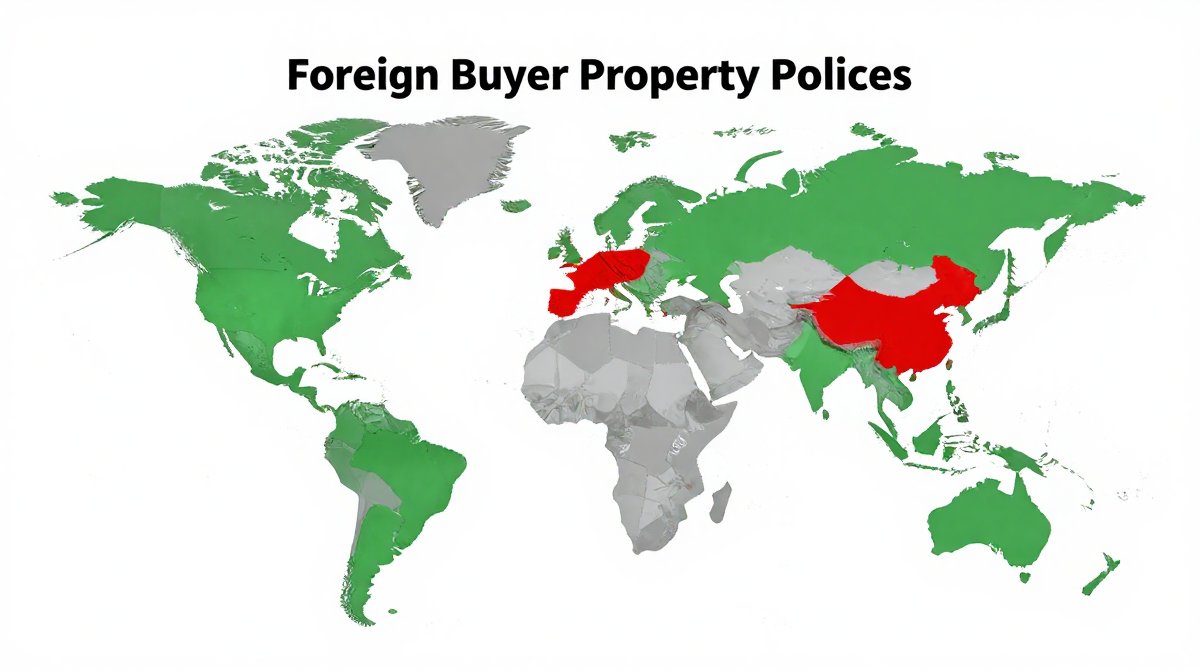
Effective April 1, 2025, Australia implemented a comprehensive ban prohibiting foreigners from purchasing existing homes, allowing only newly built homes with strict restrictions. This policy was announced by Australian Prime Minister Anthony Albanese on February 16, 2025, aimed at addressing the local housing crisis.
Canada's foreign buyer ban, in effect since 2022 and originally set to expire in 2025, has been extended by the government to 2027. This means non-Canadian citizens or permanent residents will be virtually unable to purchase residential property in Canada until 2027.
New Zealand passed the Overseas Investment Act as early as 2018, significantly restricting foreign property purchases. Although 2025 opened some high-value properties to investment visa holders, the thresholds remain extremely high.
Europe has not been spared either: Portugal plans to impose a 7.5% property transfer tax on non-resident buyers, and Spain will implement new tax policies targeting foreign buyers in 2026.
Traditional Investment Options Disappearing One by One
These countries were once the top choices for global investors seeking property: Canada, Australia, New Zealand, Portugal, Spain. But now, these markets are saying "no" to foreign capital. As doors close one by one, savvy investors are looking for new opportunities — and that opportunity lies at the southern tip of the African continent.
Cape Town, South Africa: The Forgotten Investment Gem
Why Cape Town?
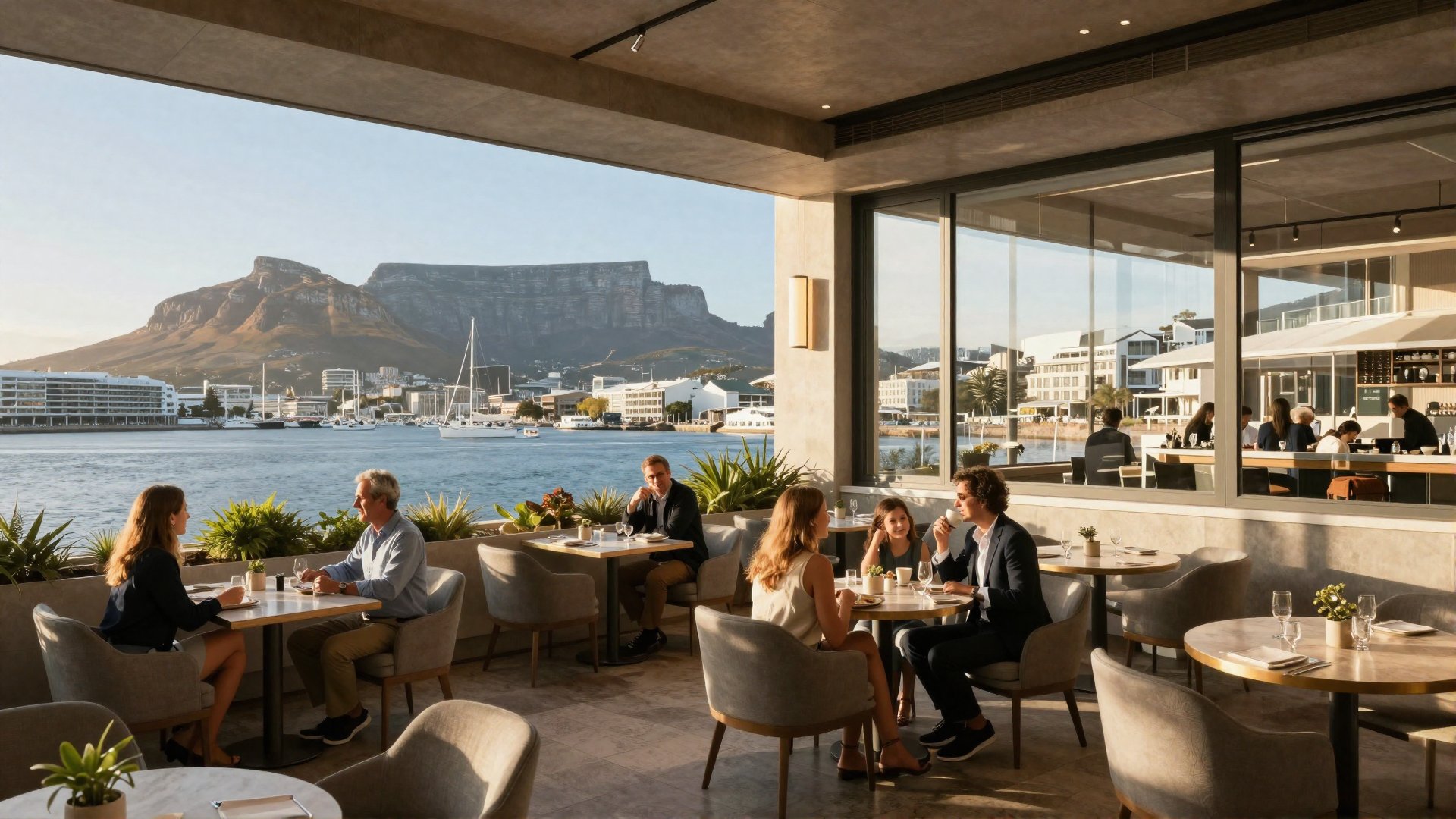
Cape Town is not only South Africa's legislative capital but also the country's most international city. It is known as the "San Francisco of Africa" or "one of the most beautiful cities in the world," featuring the majestic Table Mountain, stunning coastlines, world-class wine estates, and a thriving tech startup ecosystem.
In 2025, Cape Town hit a record high in international buyer transactions, particularly from high-net-worth individuals in Europe, Asia, and the Americas. This is no coincidence — it is the inevitable result of global capital reallocation.
Cape Town vs. Traditional Hot Markets
| Comparison | Cape Town | Australia | Canada | New Zealand |
|---|---|---|---|---|
| Foreign Buyer Policy | ✅ Open | ❌ Ban | ❌ Ban until 2027 | ❌ Strict Limits |
| Currency Advantage | ✅ Significant | ❌ AUD Strong | ❌ CAD Stable | ❌ NZD Strong |
| Price Level | ✅ Relatively Low | High | Very High | Very High |
| Quality of Life | ✅ World-Class | World-Class | World-Class | World-Class |
| English Environment | ✅ Official Language | ✅ Official Language | ✅ Official Language | ✅ Official Language |
Cape Town is competitive across multiple key dimensions, particularly in terms of foreign investment policy friendliness, where its advantage is clear.
Currency Advantage: A Golden Opportunity for USD Buyers
A Historic Exchange Rate Window
In 2025, the South African Rand (ZAR) appreciated nearly 13% against the US Dollar, but relative to historical highs, the Rand remains relatively weak. This means that for international investors holding US Dollars, Euros, or Japanese Yen, entering the South African property market now still offers significant purchasing power advantages.
At the exchange rate at the end of 2025, 1 US Dollar could exchange for approximately 17 South African Rand. Compared to the historical high of approximately 7 Rand per US Dollar in 2011, the current exchange rate means USD buyers can purchase equivalent property for nearly half the price.
Real-World Calculation of the Currency Advantage
Suppose a Cape Town beachfront apartment is listed at ZAR 5 million:
| Year | Exchange Rate (ZAR/USD) | USD Cost |
|---|---|---|
| 2011 (Historical High) | 7.0 | ~$714,000 |
| 2020 | 16.5 | ~$303,000 |
| End of 2025 | 17.0 | ~$294,000 |
Even though the Rand has recovered from its lowest point, compared to the 2011 exchange rate level, purchasing now still enjoys approximately a 59% currency discount. This is a rare "double dividend" — not only is the exchange rate favorable, but Cape Town property prices themselves are far lower than other international cities.
Soaring International Visibility After the G20
In November 2025, the G20 Summit was held in Johannesburg, South Africa — the first time the African continent hosted the G20 Summit. This historic event focused global attention on South Africa, bringing unprecedented international exposure.
Specific Impacts of the G20
- Infrastructure Upgrades: To welcome the G20, the South African government invested billions of Rand in improving transportation, communications, and security facilities
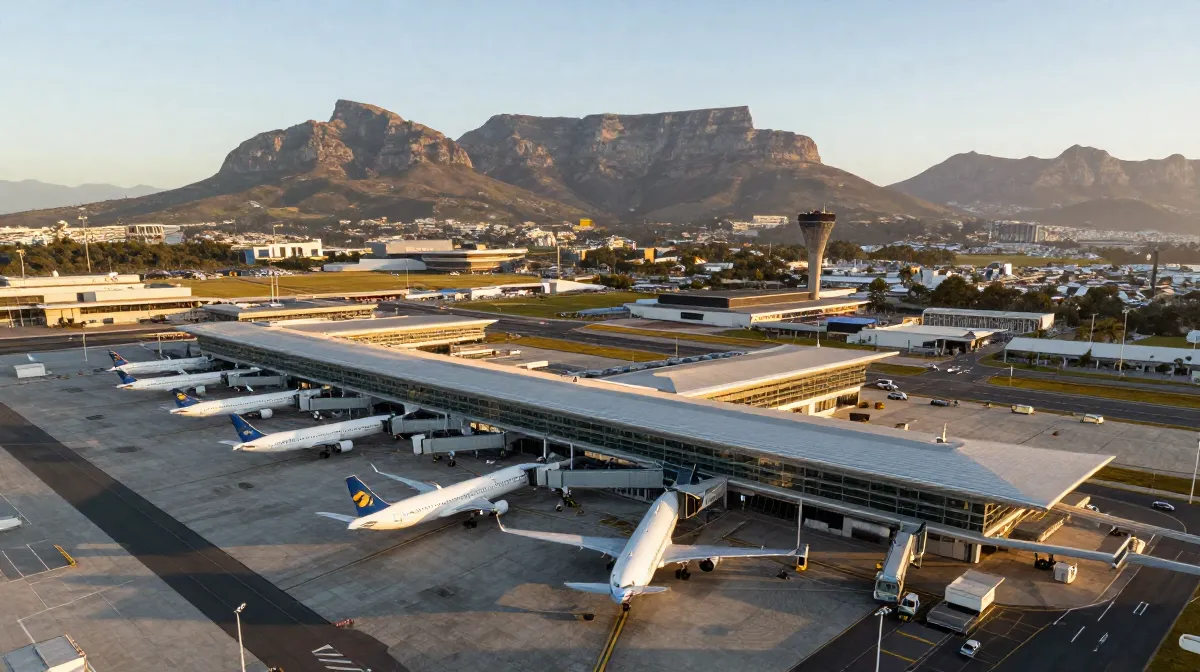
- Increased International Flights: Multiple airlines added new direct routes to Cape Town, enhancing international accessibility
- Corporate Investment Interest: Several economic cooperation agreements signed during the G20 drove foreign capital inflows
- Brand Value Enhancement: South Africa's image among international investors shifted from "high-risk market" to "opportunity worth watching"
The G20 effect is already visible. Cape Town's luxury property market saw significant warming in the second half of 2025, particularly in areas like Clifton, Camps Bay, Constantia, Sea Point, and the V&A Waterfront. According to industry data, international buyer inquiries for Cape Town high-end properties in Q4 2025 grew over 40% compared to the same period the previous year.
World-Class Quality of Life and British Education
Why Choose to Live in Cape Town?
Cape Town has been named one of the world's best cities by Condé Nast Traveller, and for good reason:
Nature and Climate: Mediterranean climate with dry summers and mild winters; Table Mountain National Park offers unparalleled outdoor activity space; dozens of world-class beaches; the Stellenbosch wine region is just minutes away.
Urban Amenities: World-class dining culture; international-grade private healthcare systems; mature shopping and entertainment facilities; a vibrant arts and culture scene.
British Education System
For families with children, education is a key consideration when choosing a property investment destination. Cape Town is home to several international schools offering British and American curricula: The International School of Cape Town (ISCT), founded in 1998, is one of South Africa's oldest Cambridge schools; the American International School of Cape Town (AISCT) offers US AP courses and IB programs.
These schools provide education on par with the UK, Australia, and Canada, but tuition fees are typically only one-third to one-half of equivalent schools in the UK or US.
Long-Term Residency Planning Pathways
Unlike many countries, South Africa offers relatively flexible visa pathways for foreign investors and retirees:
- Retirement Visa: Monthly passive income requirement of ZAR 37,000 (approximately USD 2,200), renewable, eligible for permanent residency after 5 years, no upper age limit
- Financially Independent Visa: Demonstrate net assets of ZAR 12 million (approximately USD 700,000), direct application for permanent residency
- Business Visa: Establish or invest in a South African business, minimum investment of ZAR 5 million (approximately USD 290,000)
South Africa's investment thresholds are significantly lower than most developed countries, providing a viable residency planning pathway for mid-asset investors.
The Value of Professional Services: Why Choose DingYao Advisory
As the exclusive Asia-Pacific digital marketing hub for Crestline Advisory, DingYao Advisory specializes in assisting high-net-worth individuals from Taiwan in structuring South African investments. Our advantages include:
Local Strategic Partner
Deep collaboration with Crestline Advisory, providing first-hand investment opportunities in Cape Town
Digital Asset Platform
Exclusive Client Portal system, allowing you to monitor overseas asset status in real-time from Taiwan
Fund Security
Investment funds deposited into a lawyer's TPFA trust account, disbursed according to contract milestones, transferred to Standard Bank Wealth private banking account upon completion
Investment Risks: Challenges You Must Know
As a professional overseas property advisory firm, we have a responsibility to ensure you fully understand the potential challenges of investing in Cape Town real estate. Risk awareness is not meant to discourage, but to help you plan and mitigate effectively.
1. Exchange Rate Volatility
The Rand's trajectory is difficult to predict, and emerging market currencies typically experience greater volatility. Long-term holding can reduce short-term exchange rate fluctuations; consider USD-denominated rental income to partially offset currency risk.
2. Legal and Property Rights Differences
South Africa follows the English common law system, which differs significantly from the civil law system used in Taiwan. Engage professional lawyers familiar with both legal systems to ensure clear title and transaction security.
3. Tax Complexity
The 2026 South African budget has several impacts on foreign property owners: Property transfer tax (0%-13% tiered), Capital Gains Tax (up to 18%), municipal rates (vary by area), income tax (rental income is taxable). South Africa has double taxation agreements with many countries to prevent the same income from being taxed twice.
4. Fund Transfer Restrictions
South Africa has certain controls on cross-border capital flows. Operate through formal banking channels, maintain complete transaction records, and apply for foreign exchange control permits when necessary.
Frequently Asked Questions
References and Data Sources

Scott Huang
Business Development
Specializes in South Africa property investment, education, retirement living, and residency planning, helping clients build ideal asset portfolios and lifestyle solutions in South Africa. With over 10 years of cross-border investment advisory experience, he is committed to technology-driven transparency, enabling Taiwanese investors to control their wealth and future as if they were on-site, even on the other side of the world.