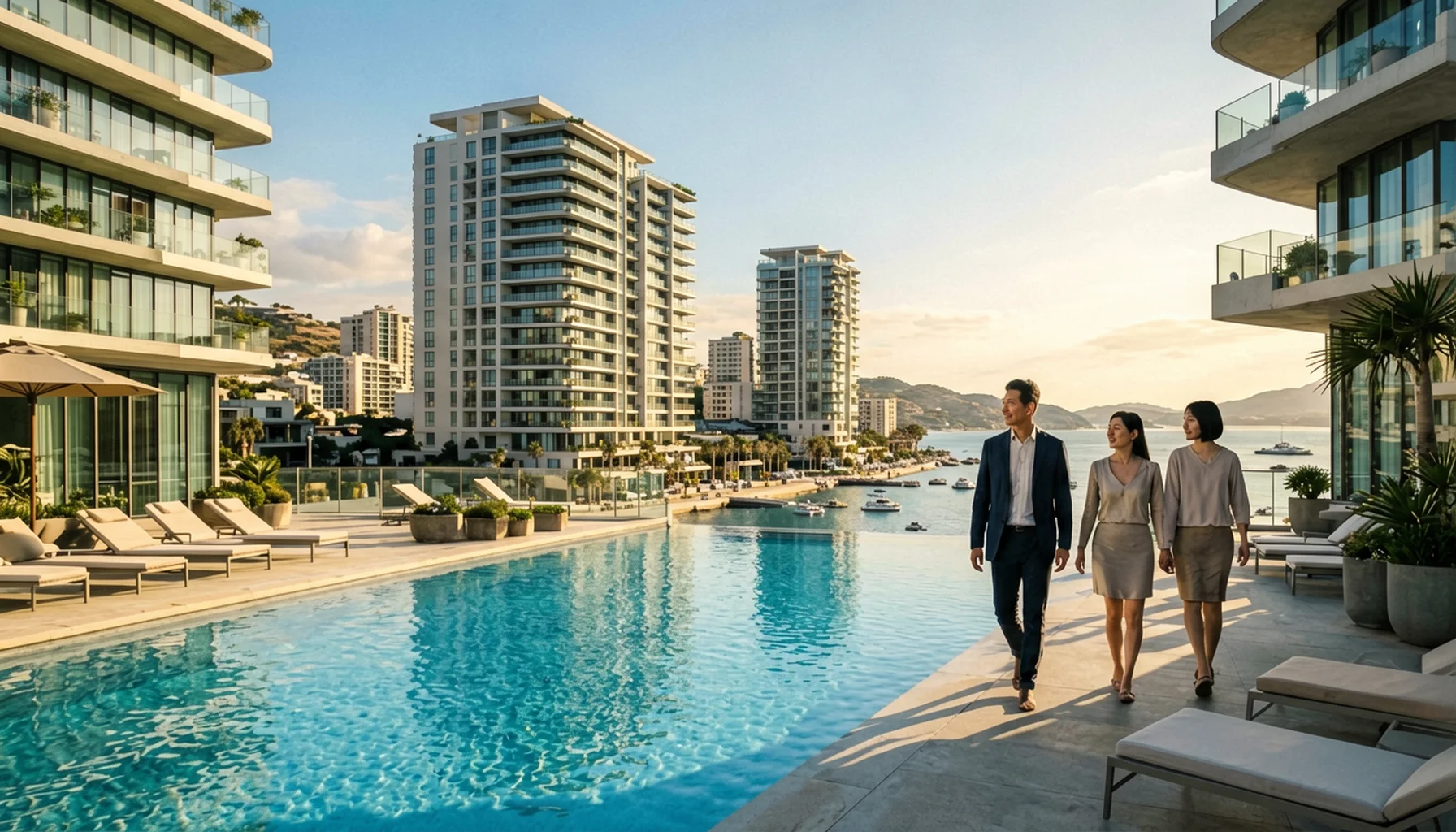
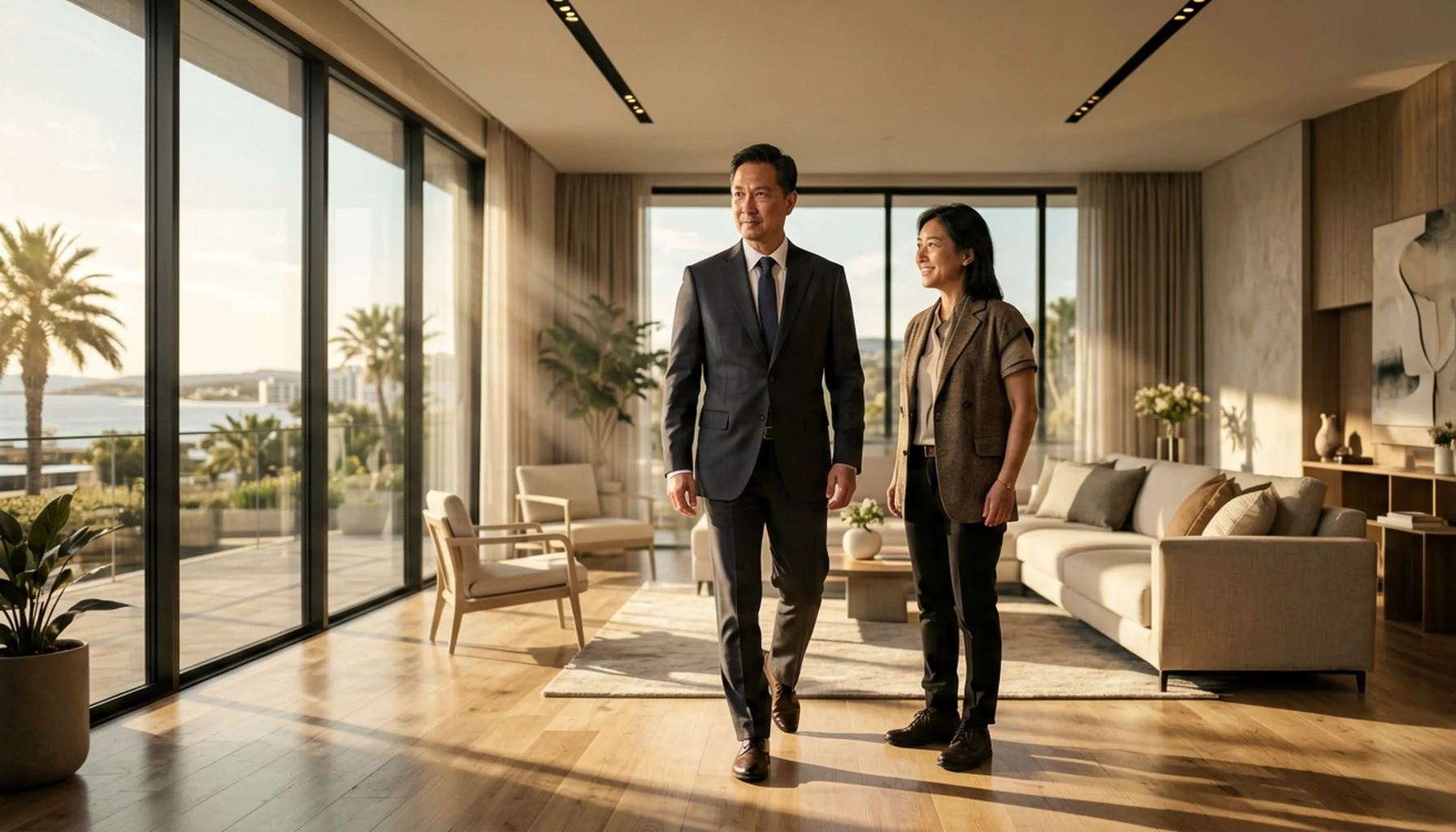
Cape Town's luxury property market occupies a unique position in the global real estate landscape. It is not only the residential choice of South Africa's wealthiest individuals but also attracts international buyers from Europe, the Middle East, and Asia. In 2026, Lightstone data reveals that foreign buyers invested R 153 billion in Cape Town's premium property market over the past decade, with 39% of properties above R 20 million purchased by foreigners.
This article provides a comprehensive analysis of Cape Town's luxury property market from two dimensions: lifestyle quality and investment returns.
Key Insight: Cape Town's luxury market is unique in simultaneously serving both "lifestyle" and "investment" objectives. Global livability rankings, world-class natural scenery, relatively affordable price levels, and strong capital appreciation make Cape Town luxury property one of the few asset classes that can deliver both lifestyle and ROI.
Cape Town Luxury Market Overview
Cape Town's luxury market can be divided into several key areas, each with its own investment logic and lifestyle proposition.
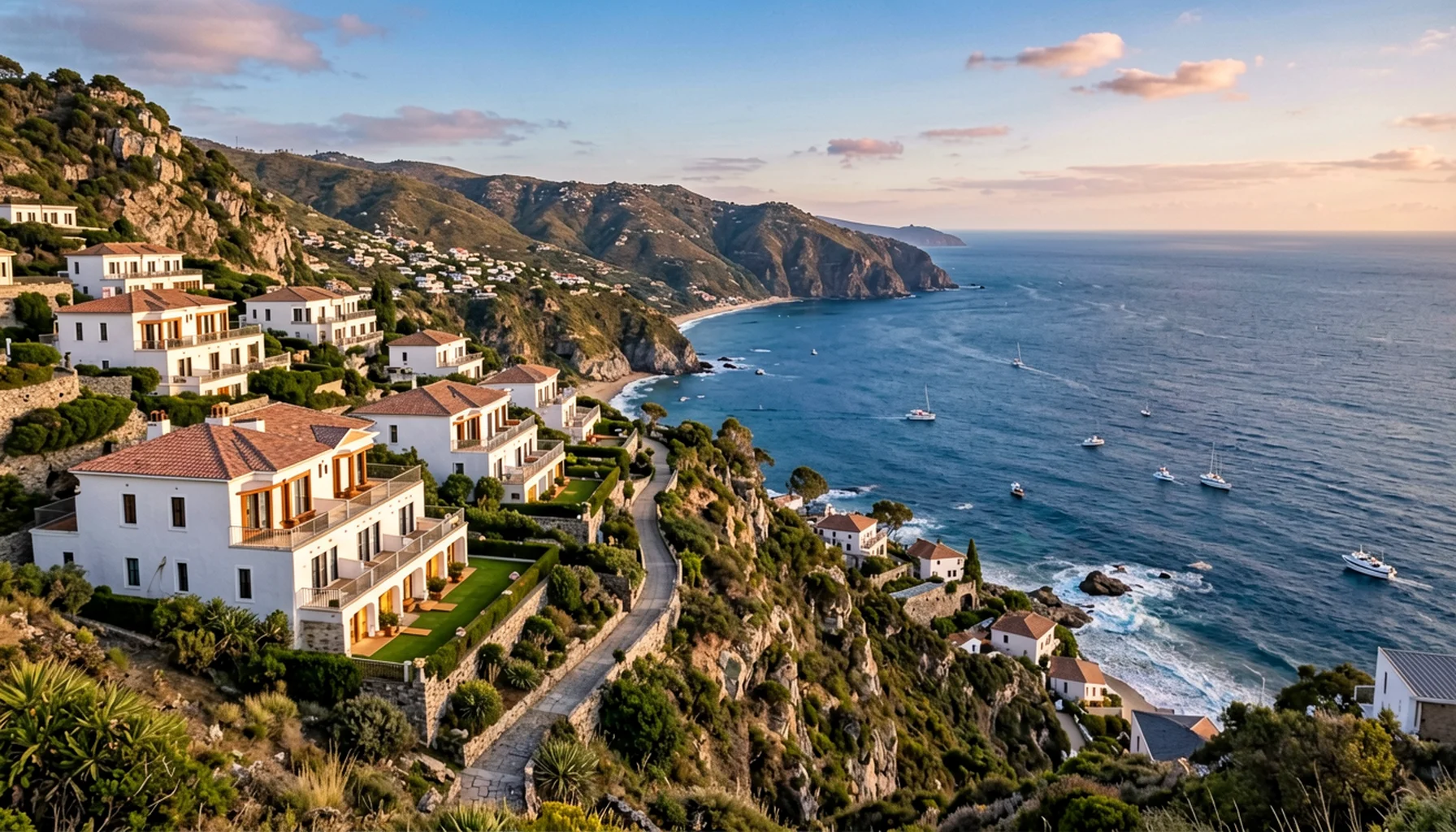
Atlantic Seaboard is Cape Town's most prestigious luxury area, encompassing Clifton, Camps Bay, Bantry Bay, and Sea Point. It features world-class beaches, spectacular sunset views, and high-end dining. Property prices range from R 5,000,000 entry-level apartments to R 50,000,000+ ocean-view villas. Annual growth over the past five years: 10-15%.
Constantia is Cape Town's oldest wine region, renowned for estate-style luxury homes. Properties here typically feature expansive grounds, private gardens, and swimming pools. Price range: R 8,000,000 to R 40,000,000+. Annual growth: 8-12%.
Franschhoek is known as the "French corner of South Africa," famous for its French-style wine estates and gourmet cuisine. Luxury properties here are often connected to wine estates, offering a unique lifestyle experience. Price range: R 6,000,000 to R 30,000,000+. Annual growth: 7-10%.
Stellenbosch combines a university town with a premier wine region, offering stable rental demand and an active luxury market. Price range: R 4,000,000 to R 25,000,000+. Annual growth: 7-9%.
Quality of Life: Why Global Wealth Chooses Cape Town
Cape Town has been consistently ranked among the world's most livable cities by the Economist Intelligence Unit, placing 14th globally in 2026 and first in Africa. Several key factors drive this appeal.
Unmatched natural environment. Cape Town features world-class natural landmarks including Table Mountain, Signal Hill, and Lion's Head, along with award-winning beaches at Clifton and Camps Bay. For affluent individuals who enjoy outdoor activities, Cape Town offers hiking, surfing, sailing, golf, and wine tasting in abundance.
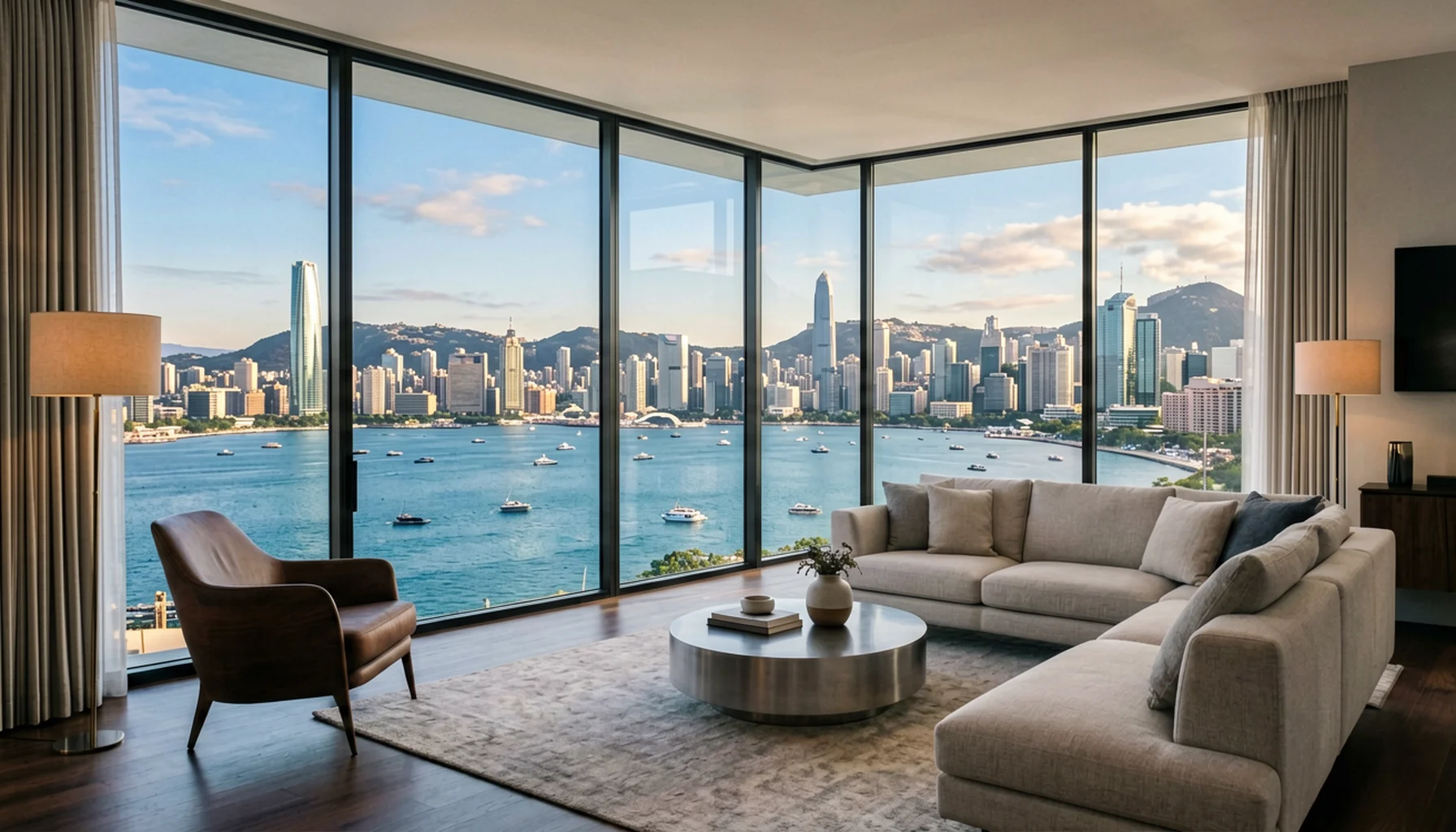
Relatively affordable price levels. Compared to major global cities like London, New York, Sydney, or Singapore, Cape Town luxury property still offers significant value. A budget of R 16,000,000 (approximately USD 850,000) can purchase an ocean-view villa in a premium Cape Town neighborhood, while the same amount would only buy a modest apartment in Taipei.
World-class food and wine culture. Cape Town boasts exceptional dining and wine culture. Franschhoek is known as the "gourmet capital of South Africa," while Constantia and Stellenbosch are renowned for premium wines. For lifestyle-oriented buyers, this is a significant draw.
Quality of Life Data: Cape Town ranks 14th globally in the EIU Global Livability Index 2026, with living costs at just 45% of London and 38% of New York. For Taiwanese investors, the same budget delivers 3-5 times the living space compared to Taipei.
Investment Returns: Financial Performance of the Luxury Market
Cape Town's luxury property investment returns can be analyzed through capital appreciation and rental income.
Capital Appreciation
According to Lightstone data, Cape Town's premium property market (R 10,000,000+) has achieved 8-12% annual price growth over the past five years. This outperforms the broader Cape Town market's 6-8% and most major global luxury markets.
Key drivers of appreciation include:
- Supply scarcity: Prime locations (Clifton, Camps Bay) have extremely limited developable land, with virtually no new construction
- Strong international demand: Foreign buyers account for 28-39% of luxury market transactions, mostly cash buyers unaffected by local interest rates
- Semigration effect: South Africa's affluent population continues migrating from Gauteng to the Western Cape, with semigration numbers up 35% year-on-year in 2026
- Currency advantage: ZAR weakness provides a natural exchange rate discount for foreign buyers, with the ZAR depreciating approximately 40% against the USD over the past five years
Rental Income
Cape Town luxury property rental yields typically range from 4-6%, lower than the mid-market but significantly higher than major Asian cities (Taipei 1-2%, Hong Kong 2-3%). Luxury properties have extremely high occupancy rates with vacancy periods of just 2-4 weeks.
Using DingYao Advisory's dual-engine solution as an example:
| Item | Amount (ZAR) | Description |
|---|---|---|
| Total Investment | R 16,000,000 | Phase 1 entry threshold |
| Rental Income (annual) | R 640,000 - R 960,000 | 4-6% yield |
| Interest Income (annual) | R 531,000 - R 420,000 | Attorney trust account interest |
| Total Annual Cash Flow | R 1,171,000 - R 1,380,000 | Dual-engine income |
2026 Cape Town Luxury Market Trends
Several structural trends are shaping Cape Town's luxury market in 2026.
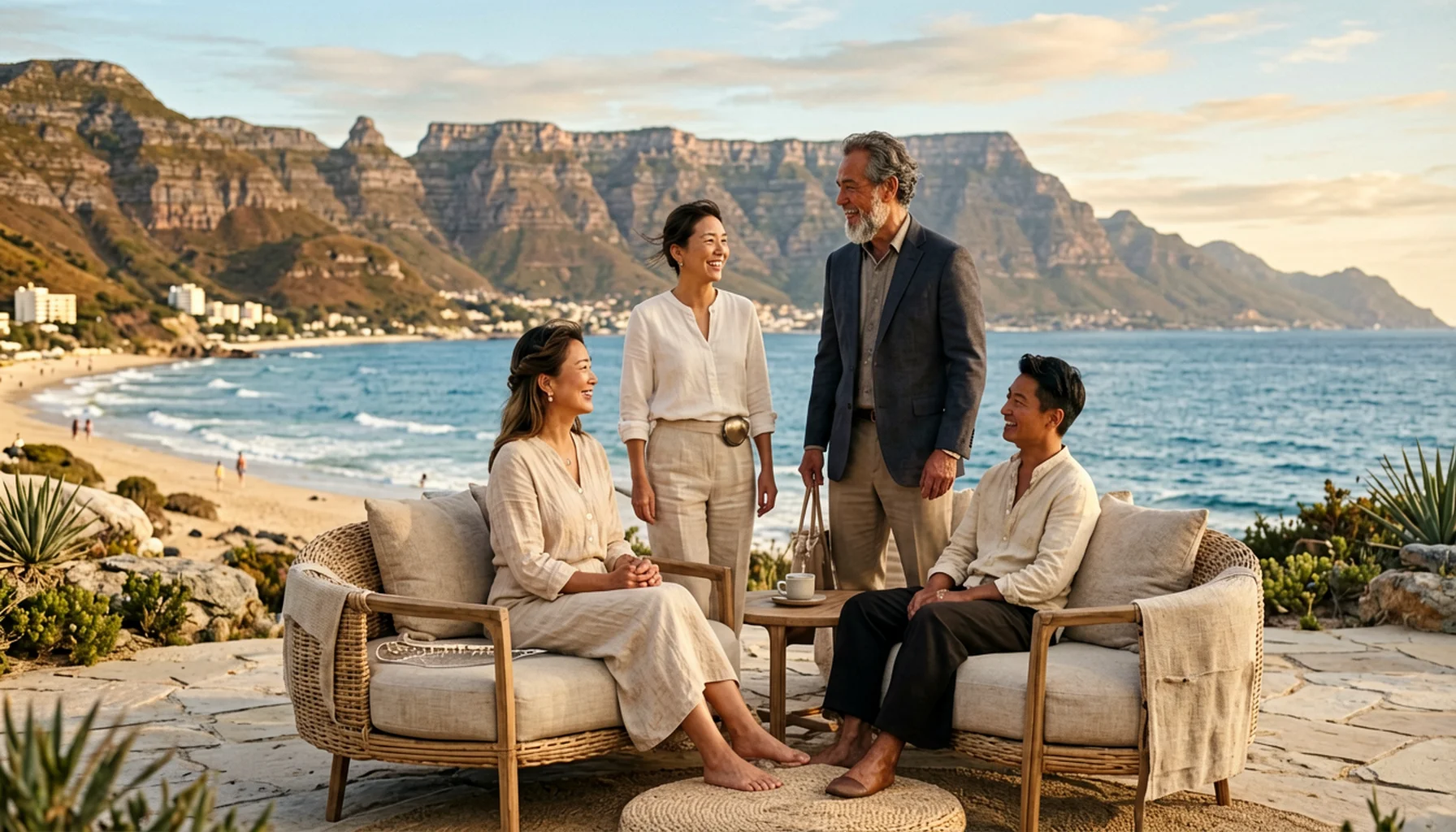
Diversifying foreign buyer base. While British and German buyers have historically dominated Cape Town luxury purchases, Asian buyers are rising significantly in 2026. Taiwanese, Singaporean, and Chinese investor interest continues to grow, driven by asset diversification, children's education, and retirement planning.
Price divergence within the luxury segment. The R 10,000,000-R 20,000,000 price band is the most competitive, with average days on market of just 25-35 days. The R 30,000,000+ ultra-luxury segment is more stable, with longer transaction cycles but lower price volatility.
Rising demand for sustainable and smart homes. In 2026, Cape Town luxury buyers show significantly increased demand for solar power, rainwater harvesting systems, and smart home technology. This is linked to South Africa's electricity supply challenges, with self-sufficient properties commanding a 5-10% price premium.
Investment Strategy: In the current market environment, we recommend Taiwanese investors focus on the R 10,000,000-R 20,000,000 price range in Atlantic Seaboard or Constantia. This segment offers the best liquidity, moderate competition, and attorney trust protection ensures fund security. The dual-engine solution delivers annual cash flow of R 1,171,000-1,380,000, providing stable passive income.
5-Step Process for International Buyers
Needs Assessment and Area Selection
Schedule a one-on-one consultation with DingYao Advisory to clarify your investment goals, budget range, and lifestyle requirements. We recommend the most suitable luxury area and property type based on your specific circumstances.
Open Attorney Trust Account
Once a property is selected, the full investment amount is deposited into the trust account of Garlicke & Bousfield Attorneys. Funds are legally protected under South African law from day one and immediately begin generating daily interest of approximately R 2,849.
Due Diligence and Contract Review
The legal team conducts comprehensive due diligence, including title deed verification, zoning regulation confirmation, building inspection, and HOA rule review. This ensures the property is free of any legal encumbrances or hidden issues.
Signing and Transfer
The sale agreement is signed in the presence of attorneys. The South African transfer process typically takes 6-8 weeks, during which the attorney monitors all fund flows and document progress. Upon completion, the property is registered in your name.
Ongoing Management and Leasing
After transfer, DingYao Advisory's property management team handles ongoing management including tenant screening, rent collection, property maintenance, and annual tax reporting. You can enjoy stable passive income without needing to be physically present.
Frequently Asked Questions
What is the investment return on Cape Town luxury property?
Cape Town's premium luxury areas deliver 8-12% long-term annualized returns, with Atlantic Seaboard and Constantia leading the market. The luxury segment exhibits lower price volatility, and 28% of buyers are foreign cash purchasers with limited exposure to local interest rate conditions. For a R 16,000,000 investment, the dual-engine solution generates annual cash flow of R 1,171,000-1,380,000.
Can foreigners buy luxury property in Cape Town?
Yes. South Africa has no national restrictions on foreign property ownership. The purchase process is the same as for local buyers, though professional legal due diligence and contract review are recommended. DingYao Advisory's attorney trust protection mechanism ensures fund security, with the full amount deposited into an attorney trust account before the purchase process begins.
Which luxury area in Cape Town offers the best investment value?
Based on appreciation potential, quality of life, and market liquidity, the Atlantic Seaboard (including Clifton, Camps Bay, and Bantry Bay) is considered Cape Town's best luxury investment area. This region has achieved 10-15% annual price growth over the past five years, features world-class beaches and scenery, and benefits from strong international buyer demand. Constantia and Franschhoek are ideal for those seeking estate living and wine culture.
What is the entry threshold for Cape Town's luxury property market?
Entry thresholds vary by area. On the Atlantic Seaboard, entry-level apartments start at R 5,000,000-R 8,000,000, with standalone villas from R 15,000,000. Constantia estate homes start from R 8,000,000. Franschhoek wine estate properties start from R 6,000,000. DingYao's Phase 1 solution has an entry threshold of R 16,000,000.
How does ZAR exchange rate volatility affect investment returns?
ZAR exchange rate volatility is a double-edged sword. For Taiwanese investors, ZAR weakness against the New Taiwan Dollar means an exchange rate discount at entry, while potential ZAR recovery at exit could deliver additional currency gains. Over the long term, ZAR's weakening trend provides a natural exchange rate buffer for overseas buyers. We recommend an investment horizon of 5+ years to smooth out exchange rate fluctuations.