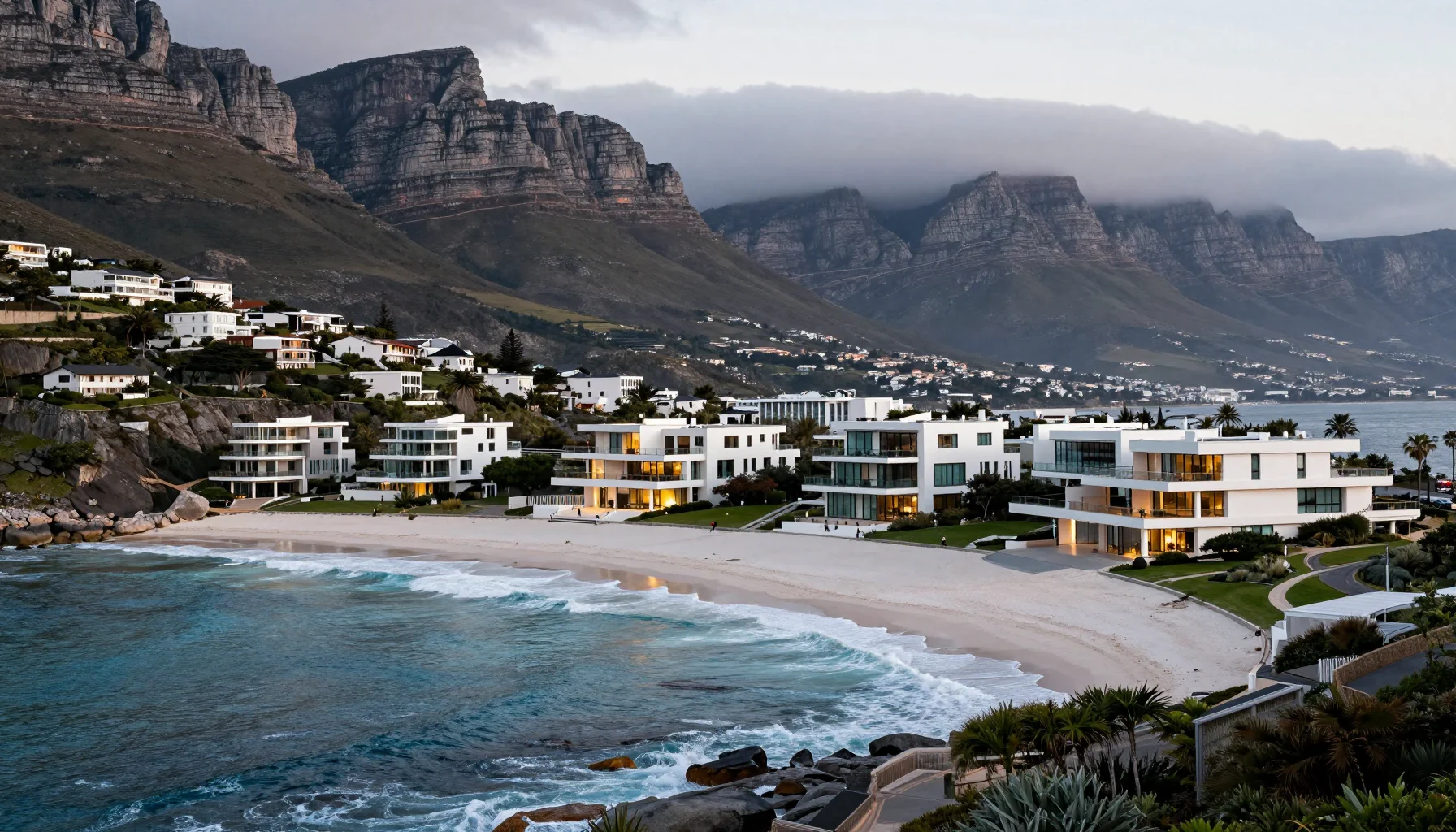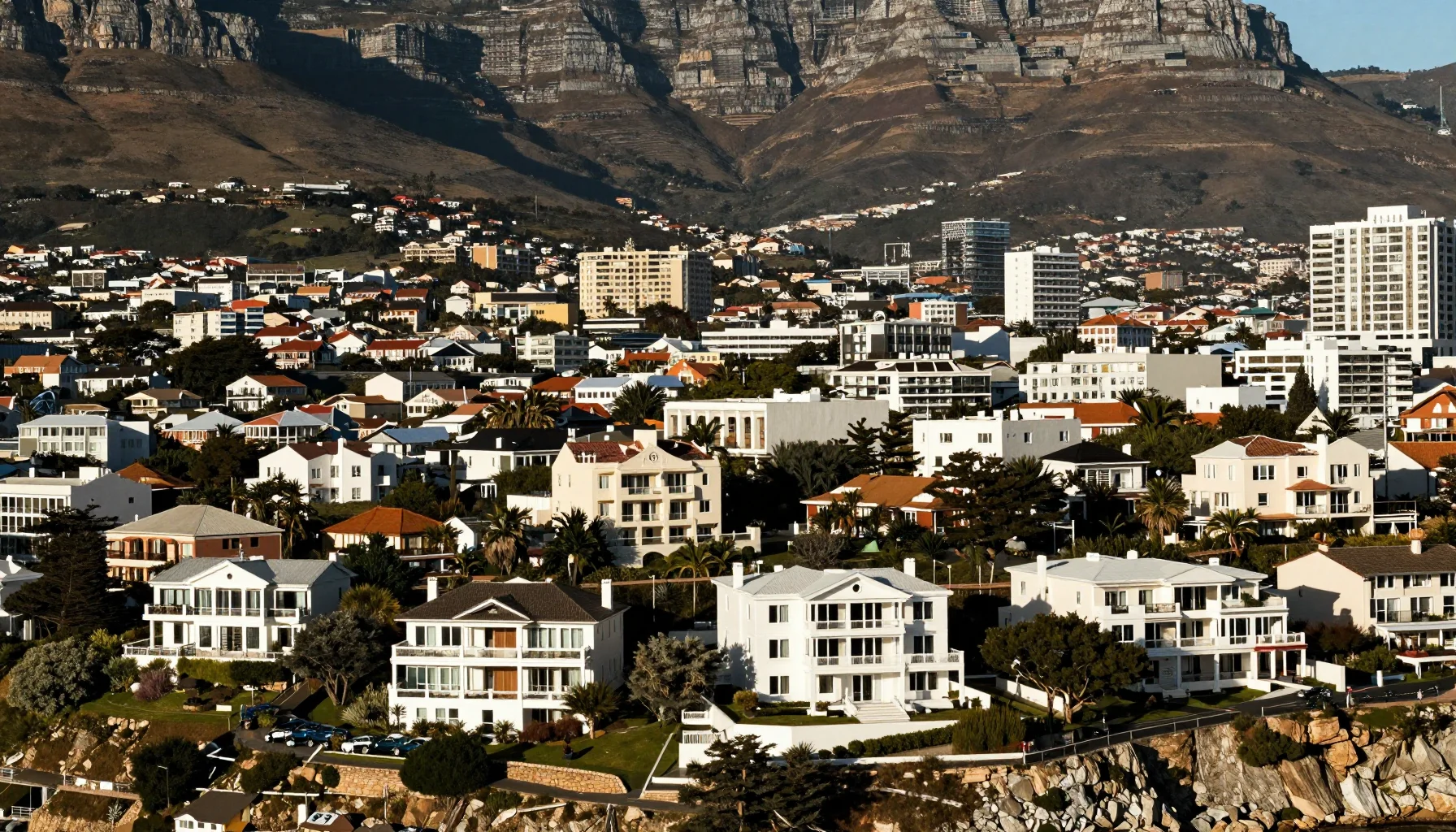
"Is the Cape Town property market overheated?" is the question Taiwanese buyers ask most in 2026. When you see Atlantic Seaboard luxury homes selling at record prices, and headlines keep flashing words like "bubble" and "overheated," any rational investor stops to ask: am I buying at the top?
This article is not about emotion — it is about data. We use deeds office (South Africa's property registration authority) empirical data to break down the Atlantic Seaboard bubble fears: how much do foreign buyers actually account for? Can rental yields support the prices? What is the interest-rate environment? And most importantly: for Taiwanese buyers, is now the time to enter?
Key takeaway: According to deeds office empirical data, foreign buyers account for about 1/3 of the Atlantic Seaboard market; above R20m, foreign buyers account for as high as 39% (Lightstone). But Cape Town is not a blanket bubble — 70-80% of properties citywide still sell at or below asking price. The SARB holds the repo rate at 7.00% and prime at 10.50%, a relatively stable rate environment. This is a "two-speed market" — bubble concerns are concentrated in premium coastal areas, not the whole city.