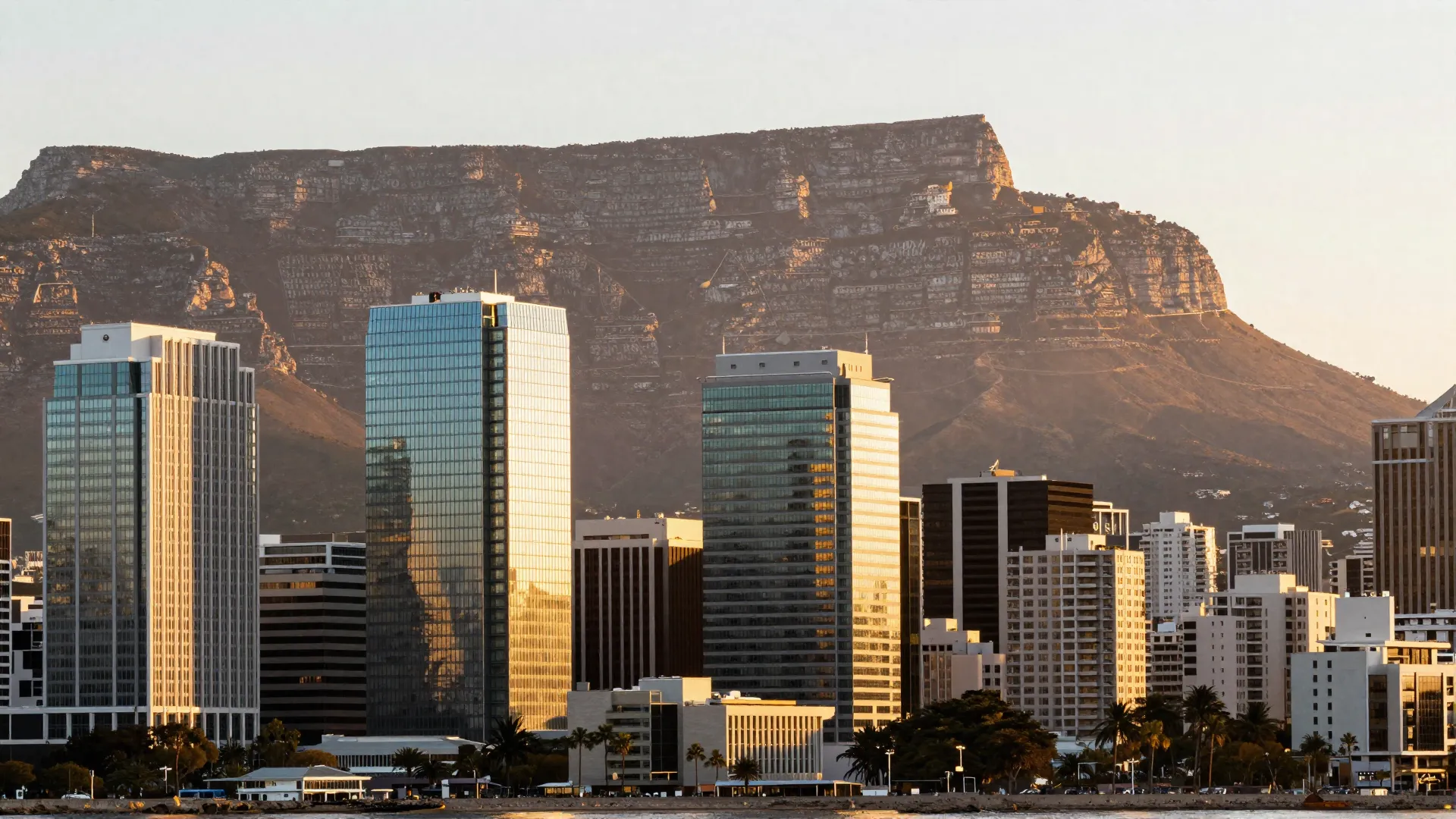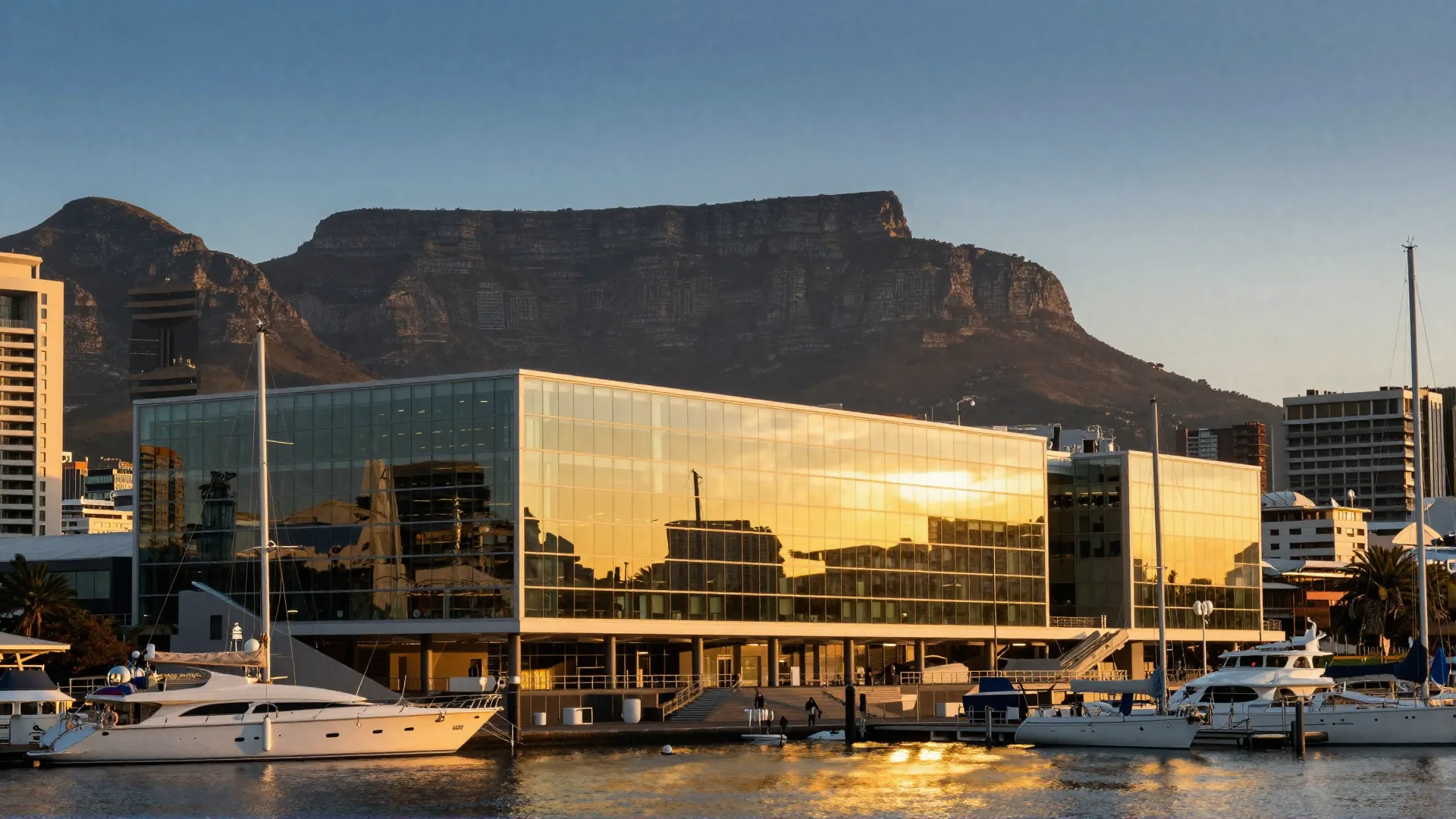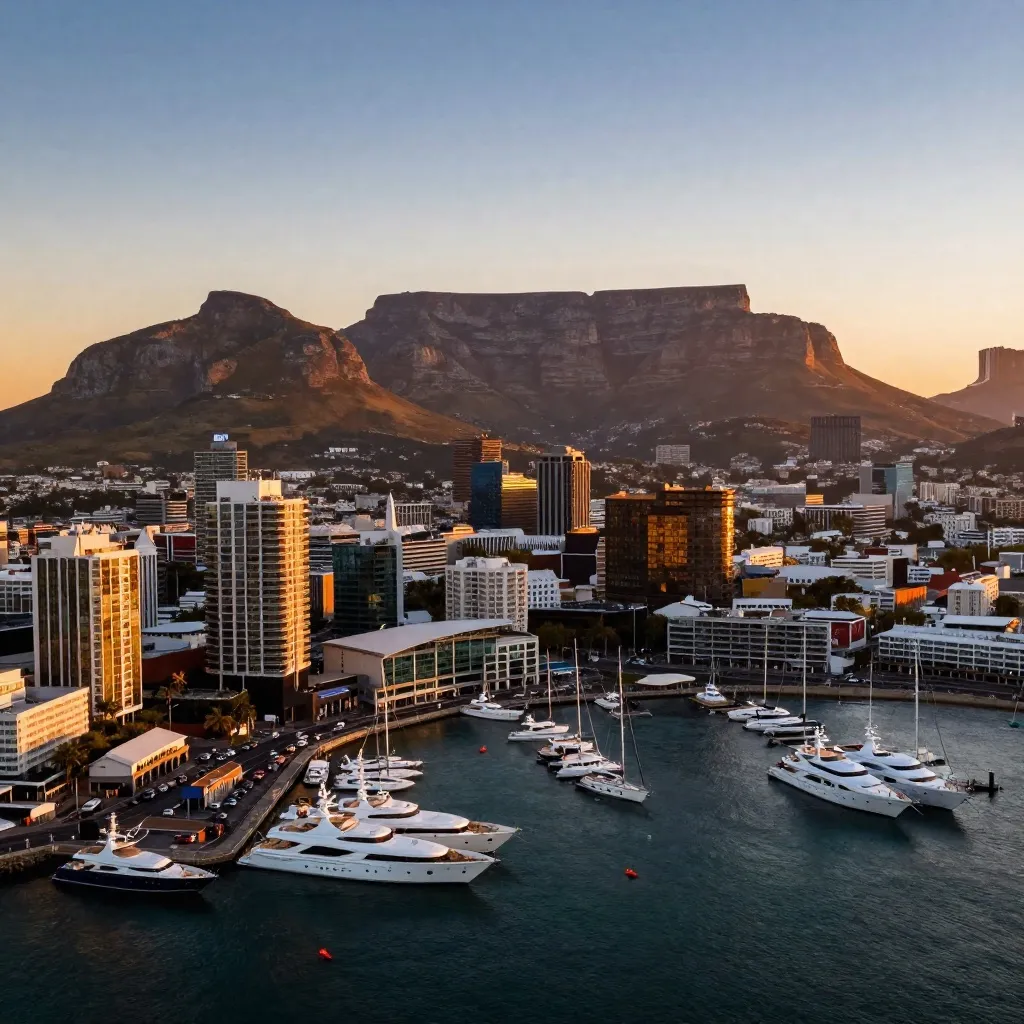
2026 is a critical window for Cape Town real estate investment. As South Africa hosts the G20 Summit for the first time, Cape Town as the host city will experience unprecedented international visibility. Meanwhile, the South African Reserve Bank's continued rate cuts to 10.25% have created an excellent financing environment for investors. With the South African Rand trading at 18-19 against the US Dollar, foreign investors enjoy approximately 25-30% currency dividend.
Part 1: Cape Town Property Market Macro Environment Analysis
1.1 G20 Summit Effect: A Leap in City Stature
In November 2025, South Africa successfully hosted the G20 Leaders' Summit in Johannesburg — the first time an African nation has hosted this global conference. In 2026, Cape Town will host G20-related ministerial meetings and supporting events, expected to attract over 5,000 international delegates, business leaders, and media personnel.
Direct impacts of G20 on Cape Town's property market:
| Impact Dimension | Specific Effect | Duration |
|---|---|---|
| Short-term Rental Demand | Hotels and luxury apartments at full occupancy during events | 3 months before/after events |
| International Visibility | Global media coverage enhances city image | Long-term |
| Infrastructure Investment | Airport, roads, and convention center upgrades | 3-5 years |
| Business Confidence | Increased willingness of multinationals to establish regional HQ | Ongoing |
Historical reference: Similar international events (such as the 2010 World Cup) typically drove host city property prices up 15-25% within 2-3 years after the event. Cape Town, as the host city for G20 supporting events, is well positioned to replicate this effect.
1.2 Interest Rate Environment: Investment Window in a Rate-Cut Cycle
The South African Reserve Bank (SARB) began its rate-cutting cycle in 2024. As of early 2026, the repo rate has dropped from a peak of 8.25% to 7.00% (with the prime lending rate falling from 11.75% to 10.25%). This has created a highly favorable financing environment for real estate investment.
Rate-cut cycles typically last 2-3 years, and we are currently in the optimal entry window. Historical data shows that the 6-12 months following the start of rate cuts represent the golden positioning period before prices begin to rise.
1.3 Currency Dividend: The Hidden Discount for Foreign Investors
As of early 2026, the South African Rand is trading at 18.5-19.5 against the US Dollar, representing a significant depreciation from the 14-15 range seen in 2021-2022. For investors holding US Dollars, Euros, or Renminbi, this translates into a substantial purchasing discount.
Currency Dividend Calculation Example
21%
Currency savings (ZAR 5M property)
21%
Currency savings (ZAR 10M property)
21%
Currency savings (ZAR 20M property)
Part 2: In-Depth Analysis of Cape Town's Districts
Cape Town's property market exhibits significant regional differentiation. Below is an analysis of key areas by investment profile:
2.1 Premium Residential: Atlantic Seaboard
Area: Camps Bay, Clifton, Bantry Bay, Fresnaye
Market Characteristics:
- Price range: ZAR 15M - ZAR 80M
- Average unit price: ZAR 55,000 - 120,000/sqm
- Target clientele: Ultra-high-net-worth individuals, international buyers, celebrities
Investment Highlights:
- World-class ocean views, known as the "Riviera of Africa"
- International buyer share as high as 40-50%, strong liquidity
- Rental yields relatively low (3-4%), but strong capital appreciation potential
2.2 Emerging Premium: CBD & Waterfront
Area: Cape Town CBD, V&A Waterfront, De Waterkant, Green Point
Investment Highlights:
- V&A Waterfront: Africa's most valuable commercial real estate, with over 24 million annual visitors
- Ongoing urban renewal, with older buildings being converted into luxury apartments
- Strong rental demand, active Airbnb short-term rental market
2.3 Steady Growth: Southern Suburbs
Area: Constantia, Bishopscourt, Claremont, Rondebosch, Newlands
Investment Highlights:
- Top School District: Home to Cape Town's best public and private schools
- Beautiful environment, high green coverage, relatively good security
- Stable long-term rentals, low vacancy rate (<5%)
2.4 High Value: Northern Suburbs
Area: Durbanville, Bellville, Brackenfell, Kuils River
Investment Highlights:
- Affordable prices, low entry threshold
- Many new developments with modern amenities
- High rental yields (8-12%), excellent cash flow performance
Part 3: Foreign Buyer Process and Considerations
3.1 Eligibility and Restrictions
South Africa is open to foreign property buyers:
- ✅ No residency required to purchase property
- ✅ Can purchase residential, commercial, and industrial properties
- ✅ Can hold individually or through a company
Financing Restrictions:
- Foreign buyers typically cannot borrow more than 50% of the property value (locals can reach 80-100%)
- Must provide overseas income or asset proof
- Some banks require life insurance
3.2 Purchase Process Timeline
Standard Purchase Process (Cash Transaction):
- 1 Search & Negotiate (2-4 weeks): View properties, negotiate, sign letter of intent
- 2 Attorney Engagement (1-2 weeks): Buyer's attorney conducts title search
- 3 Deposit Payment (at signing): Pay 10% of purchase price as deposit
- 4 Property Valuation (1-2 weeks): Bank or independent appraiser conducts valuation
- 5 Transfer & Registration (6-10 weeks): Attorney handles title transfer
- 6 Handover (after registration): Pay balance, receive keys
Total Time: Approximately 10-16 weeks (cash transaction); financed transactions may extend to 20-24 weeks
Part 4: Return Analysis and Risk Management
4.1 Return Projections
Scenario Analysis
| Scenario | Probability | Capital Appreciation | Rental Yield | Total Return |
|---|---|---|---|---|
| Optimistic (G20 effect + rate cuts) | 30% | 10-15% | 7-9% | 17-24% |
| Baseline (steady recovery) | 50% | 5-8% | 8-10% | 11-16% |
| Conservative (economic weakness) | 20% | 2-4% | 7-9% | 9-13% |
4.2 Risk Identification and Hedging
Systematic Risks:
- 1 Currency Volatility: Affects local-currency-denominated returns. Hedging strategy: long-term holding, natural hedging (localizing rental income)
- 2 Rising Interest Rates: Affects financing costs and property prices. Hedging strategy: fixed-rate loans, cash purchases
- 3 Load-Shedding Crisis: Affects quality of life and property values. Hedging strategy: choose properties with solar and battery storage systems
Part 5: Action Guide and Professional Consultation
5.1 2026 Investment Timing Recommendations
Q1 (Jan-Mar): Complete market research and area selection, schedule professional consultation, formulate investment strategy
Q2 (Apr-Jun): Begin on-site property viewings and negotiations, monitor short-term rental market performance during G20 events, lock in quality targets
Q3 (Jul-Sep): Continue monitoring market trends, evaluate portfolio performance, adjust allocation as needed
Q4 (Oct-Dec): Capitalize on year-end negotiation leverage, prepare for next year's investment plan
5.2 DingYao Professional Services
DingYao Advisory specializes in South African real estate investment consulting, providing one-stop services for high-net-worth international investors:
- ✅ Market Analysis: Regional market research, return projections
- ✅ Target Screening: Match quality properties to investment goals
- ✅ Transaction Support: Attorney referrals, inspection coordination, negotiation support
- ✅ Financing Assistance: Bank introductions, loan structuring
- ✅ Property Management: Tenant screening, rent collection, maintenance coordination
- ✅ Tax Planning: Cross-border tax optimization, compliance filing
- ✅ Exit Strategy: Asset sale, succession planning
Frequently Asked Questions
References & Data Sources

Scott Huang
Business Development
Specializing in South African property investment, education and study abroad, retirement living, and residency planning — helping clients build ideal asset portfolios and lifestyle solutions in South Africa. With over 10 years of cross-border investment advisory experience, committed to driving transparency through technology, enabling Taiwanese investors to control their wealth and future from the other side of the world as if they were there in person.