

Halfway through 2026, Cape Town's property market has delivered its most remarkable performance in nearly a decade. The Robshaw Property Group's latest report (July 5, 2026) reveals three critical numbers: 12.9% year-on-year price growth, a 25% drop in inventory, and an average of just 18 days on market. This is not merely a sign of market heat — it is a clear signal of extreme supply tightness. And for cash-rich overseas investors, this represents a rare entry window.

H1 Review: Three Numbers That Defined the First Half

In the first half of 2026, Cape Town's property market demonstrated remarkable resilience under multiple macroeconomic pressures. The SARB held the repo rate at 7.00% unchanged (4:2 vote), June CPI climbed to 5.0% year-on-year (StatsSA, Jul 22), and the rand hovered around R16.40/$ — factors that would normally suppress housing market activity. Yet Cape Town completely defied national trends.

Key Data: Cape Town average price growth of 12.9% YoY (Robshaw, Jul 5) — far exceeding the Western Cape average of 7.4% and Gauteng's 1.9%. Inventory down 25% year-on-year, with average days on market at just 18. PropFlow360 forecasts full-year price growth of 5-7%, with sectional title yields of 8-10%.

Behind these three numbers lie three converging structural forces:

  • Sustained semigration inflows: The Western Cape continues to absorb 35% of national internal migration, with professionals moving from Gauteng
  • Global remote work talent: Cape Town is transforming from a holiday destination into a long-term residence choice, with global digital nomads arriving steadily
  • International cash buyers: Foreign buyers account for 28% of the R10M+ luxury market, the vast majority paying cash and unaffected by local interest rates
Anatomy of Extreme Supply Tightness

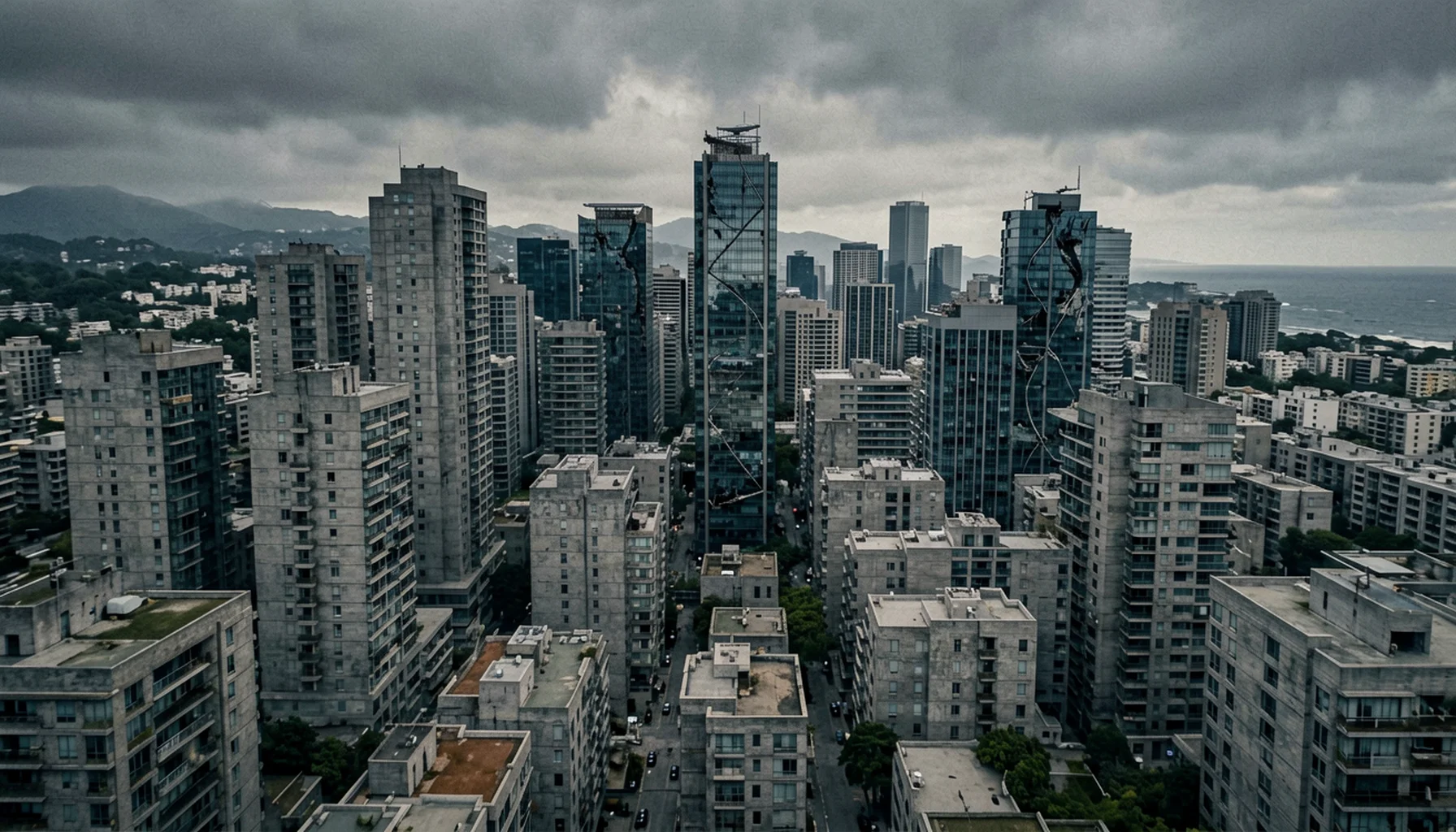
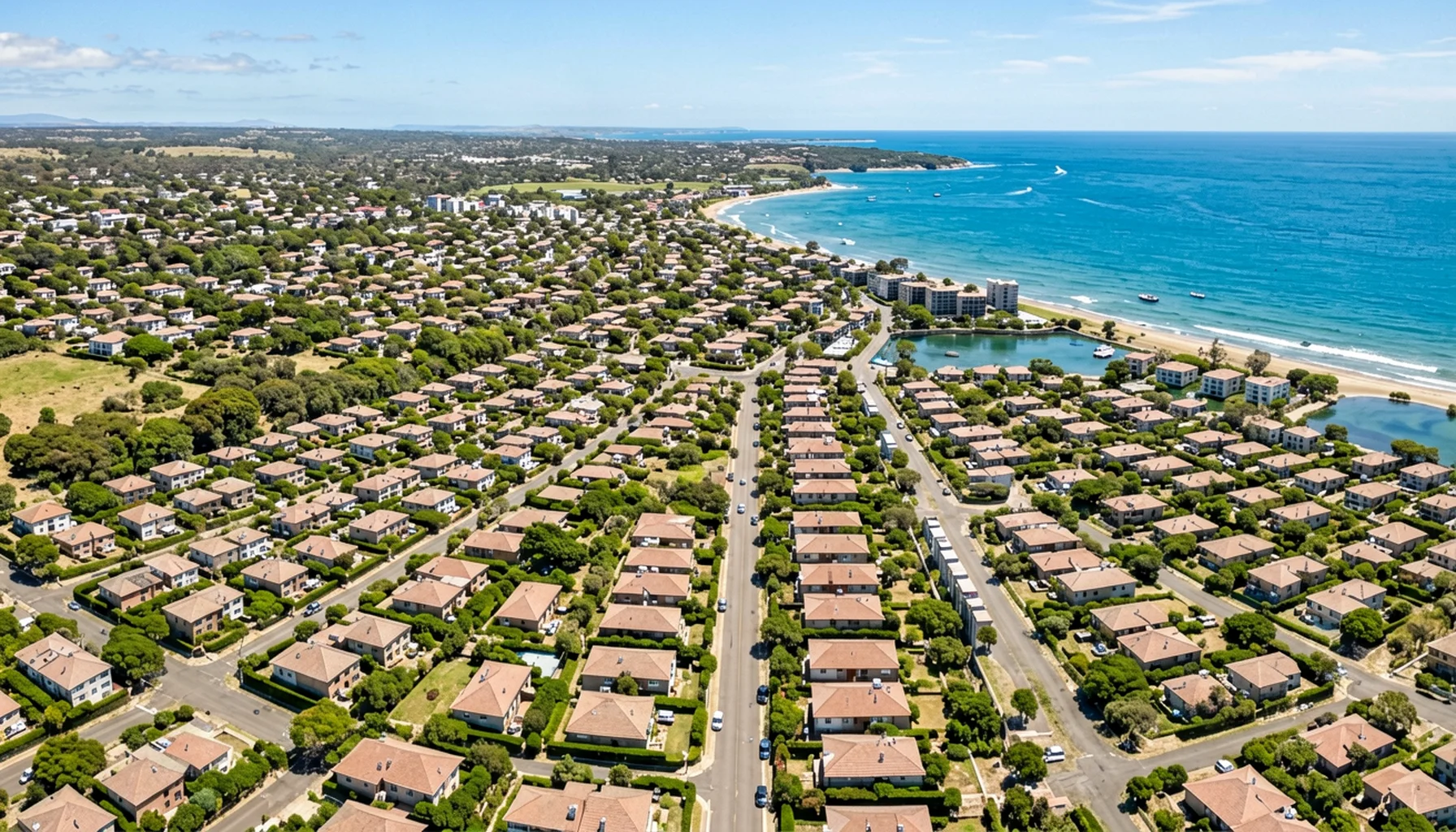
The most telling number in the Robshaw report is not the 12.9% price growth, but the 25% year-on-year decline in available listings. This means the number of properties on the market is shrinking at an alarming rate, while demand — from local semigration buyers, international investors, and remote workers alike — continues to grow.

The 18-day average time on market further confirms the supply-demand imbalance. In a healthy real estate market, average days on market typically range from 60 to 90 days. Eighteen days means quality properties are snapped up as soon as they are listed, leaving buyers virtually no time to hesitate.

Key Insight: Extreme supply tightness = sustained upward price pressure = asset appreciation for existing holders. For overseas investors, this means the earlier you enter the market, the more you lock in current price levels and benefit from subsequent appreciation.

Regional Spotlight: Northern Suburbs and Green Properties Lead

Against the backdrop of a strong overall market, specific areas and asset classes are outperforming:

Northern Suburbs: Durbanville 13%+ Growth

Cape Town's northern suburbs (Durbanville, Bellville, Stellenbosch corridor) have become the preferred destination for semigration buyers. PropFlow360 data shows the northern suburbs growing at over 13%, well above the Cape Town average. These areas offer quality school districts, excellent infrastructure, and relatively affordable prices, attracting families relocating from Gauteng.

Green Properties: 12-17% Premium

PropFlow360 (Jul 18) reports that properties with sustainable design features — solar power, water-saving systems, energy efficiency — command a 12-17% price premium in Cape Town. Against the backdrop of Eskom grid instability and ongoing water pressure, green properties are not just an environmental choice but a pragmatic investment decision.

H2 Outlook: Three Drivers and Risk Factors

Looking ahead to H2 2026, PropFlow360 forecasts full-year price growth of 5-7%, moderating from H1's 12.9% but still representing healthy growth. Here are the key factors shaping the second half:

Driver One: Structural Demand Unchanged

The three structural forces — semigration, remote work, and international buyers — will not reverse in the short term. The Western Cape's quality-of-life advantages — climate, natural environment, infrastructure — cannot be replicated by other provinces. Cape Town's rental CPI has risen 128.6% since 2010 (Cape Town Data), and Western Cape rental growth stands at 4.1% (national: 3.4%), with strong rental market performance further supporting prices.

Driver Two: Supply Tightness Hard to Resolve

The 25% year-on-year inventory decline is unlikely to reverse in the near term. New development approval cycles are long, construction costs are rising, and land supply is limited — these structural factors mean the supply side is unlikely to improve significantly in the next 12-18 months. The supply-demand imbalance will continue to support prices.

Risk Factor: Rates and Inflation

The SARB held rates at 7.00%, but June's 5.0% CPI — a two-year high — means limited room for rate cuts in the near term. The prime lending rate of 10.50% puts pressure on local mortgage borrowers but has limited impact on cash-rich overseas investors. Inflationary pressure may push up construction costs and rents, indirectly supporting property prices.

H2 Outlook: Cautiously Optimistic. The SARB is holding rates and inflation pressure persists, but Cape Town's structural demand remains intact. H1's 12.9% growth may moderate to more sustainable levels, but the supply-tight fundamentals ensure there will be no significant price correction.

Investment Strategy in a Supply-Squeezed Market

In an environment of extreme supply tightness, overseas investors need to adjust their strategy:

Strategy One: Focus on the Luxury Market

Cape Town's luxury market (R 10,450,000+) demonstrates the strongest resilience in a supply-tight environment. Foreign buyers account for 28% of the R10M+ market, with diversified funding sources unaffected by local interest rates and inflation. Luxury properties offer greater scarcity and stronger price stability.

Strategy Two: The Dual-Engine Structure

DingYao's Phase 1 South Africa Property Plan offers a unique advantage in a supply-tight environment. The R 16,000,000 entry threshold is structured as a dual-engine model:

Rental Engine (Property purchase price R 10,450,000): Annual income R 836,000 - R 1,045,000 (8-10% rental income at full occupancy)

Interest Engine (Post-transfer deposit R 5,000,000): Annual income approximately R 335,000+ (6.5% daily-interest, monthly-compound)

Total Annual Cash Flow: R 1,171,000 - R 1,380,000 (Combined yield 7.3-8.6%)

Total annual cash flow of R 1,171,000 to R 1,380,000, representing a combined yield of 7.3-8.6%. In a supply-tight environment, this dual-engine structure provides more stable investment returns than relying solely on price appreciation.

Strategy Three: Professional Local Team

An 18-day time on market means quality properties are snapped up as soon as they are listed. For overseas investors, having a professional local team that can conduct due diligence in real time and make quick offers is essential. DingYao Advisory's partnerships with Crestline Advisory (execution), Garlicke & Bousfield (legal), and Standard Bank (fund custody) ensure every step from search to transfer is handled by professionals.

Strategy Four: Attorney Trust Protection

In a fast-moving, supply-tight market, fund security is more critical than ever. South African law requires that property transaction funds be deposited into an attorney's trust account, independently managed by the law firm. The investor's R 16,000,000 is legally protected from day one and immediately starts generating daily interest of approximately R 2,849 — even during the property search and transaction process, the funds are never idle.

Conclusion: Key Takeaways from the Mid-Year Pulse Check

Cape Town's property market in H1 2026 can be summed up in one sentence: extreme supply tightness meets structurally strong demand. The 12.9% price growth, 25% inventory decline, and 18-day time on market collectively paint a picture of a seller's market.

For overseas investors, this is not about chasing highs — it is about recognizing that Cape Town's property market fundamentals have shifted from cyclical fluctuations to structural growth. Semigration, remote work, and international buyers are not short-term phenomena but long-term trends reshaping Cape Town's real estate landscape.

Contact the DingYao Advisory team today to learn how the Phase 1 South Africa Property Plan can build a robust overseas investment portfolio in a supply-squeezed market.


Frequently Asked Questions

Will Cape Town property prices continue to rise in H2 2026?

PropFlow360 forecasts full-year price growth of 5-7%. Extreme supply tightness (25% inventory drop) and structural demand (semigration, remote work, international buyers) will continue to support prices. However, with the SARB holding rates at 7% and inflation at 5%, the pace may moderate from H1's 12.9% to more sustainable levels.

What does an 18-day time on market mean for buyers?

An 18-day average time on market means quality properties are snapped up as soon as they are listed. For overseas investors, this underscores the importance of having a professional local team that can act quickly, conduct due diligence in real time, and secure transactions safely.

Is Cape Town's luxury market affected by interest rates?

Minimally. Foreign buyers account for 28% of the R10M+ market, and the vast majority are cash buyers unaffected by local interest rate conditions. Luxury properties offer greater price stability and are an ideal choice for overseas investors.

How does attorney trust protection safeguard my funds?

Attorney trust protection is a fund safeguarding mechanism under South African law. The investor's full R 16,000,000 is deposited into an attorney trust account before interest accrual and the property purchase process begins. Funds are legally protected from day one and immediately start generating daily interest of approximately R 2,849.

References

  • Robshaw Property Group — Cape Town Property Trends: https://www.robshaw.co.za/news/cape-town-property-trends/
  • PropFlow360 — Cape Town Property Market 2026 Trends & Forecast: https://www.propflow360.co.za/blog/cape-town-property-market-2026-trends-forecast
  • The Africanvestor — Cape Town Real Estate Market: https://theafricanvestor.com/blogs/news/cape-town-real-estate-market
  • Cape Town Data — Rental CPI Analysis: https://capetowndata.com/en/products/blogpost/858/
  • KiliCasa — Rental Yields South Africa 2026: https://insights.kilicasa.co.za/en/en-rental-yields-south-africa-2026-cape-town-jhb-pta-durban/
  • StatsSA — CPI Release July 2026
  • SARB — Monetary Policy Statement July 2026

Author: Scott Huang | DingYao Advisory

Disclaimer: This article is for informational purposes only and does not constitute investment advice. Investment decisions should be based on individual financial circumstances and professional advice. Rental returns are based on full occupancy expectations; income is generated only when properties are tenanted and are not guaranteed fixed returns.

Scott Huang

Scott Huang

Business Development — Specializing in South Africa property investment, education, retirement living, and residency planning. Over a decade of cross-border investment advisory experience, committed to technology-driven transparency that empowers Taiwanese investors to control their wealth and future on the other side of the world as if they were there in person.