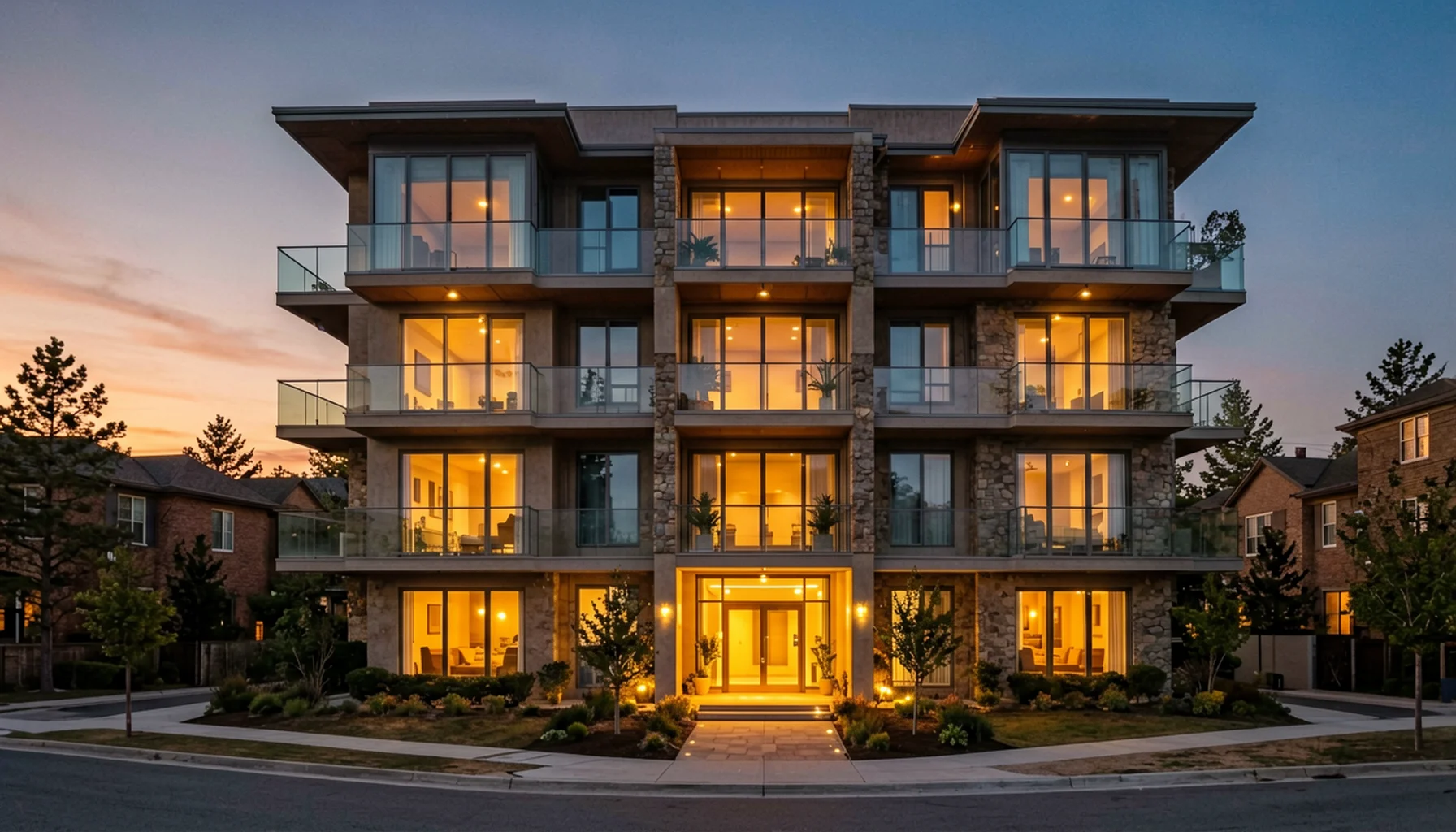
Cape Town is South Africa's most captivating city — and increasingly its most expensive. According to Q1 2026 data, the average price in the Western Cape (Cape Town's province) reached approximately R3,357,917, about 72% above the national average. This enormous price gap is splitting Cape Town's property market into two very different worlds.

On one side, premium waterfront homes and Atlantic Seaboard assets keep hitting new highs. On the other, middle-class families find themselves shut out by climbing financing thresholds. For whom is this "two-speed market" bad news, and for whom is it opportunity? This article breaks it down with real data.

Key Takeaways: Cape Town's property market is polarizing. The Western Cape average price sits 72% above the national average, and a R2.5m home requires a household net monthly income of roughly R55,000-60,000 to finance — steadily pricing out the middle class. Meanwhile, foreign and cash buyers dominate the premium segment (as high as 39% above R20m). For overseas buyers with cash or high net worth, this is precisely a golden window to position in Cape Town.
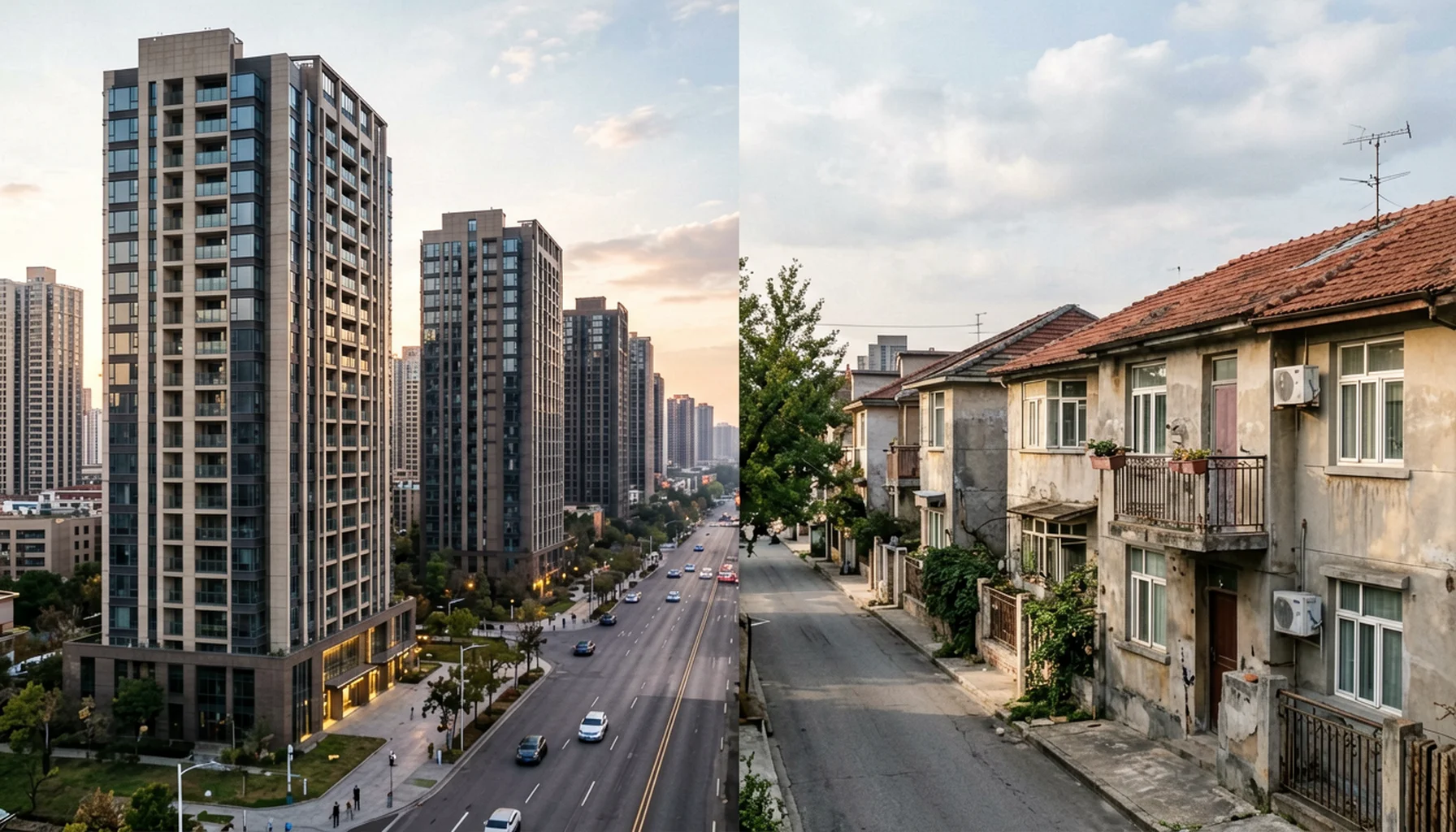
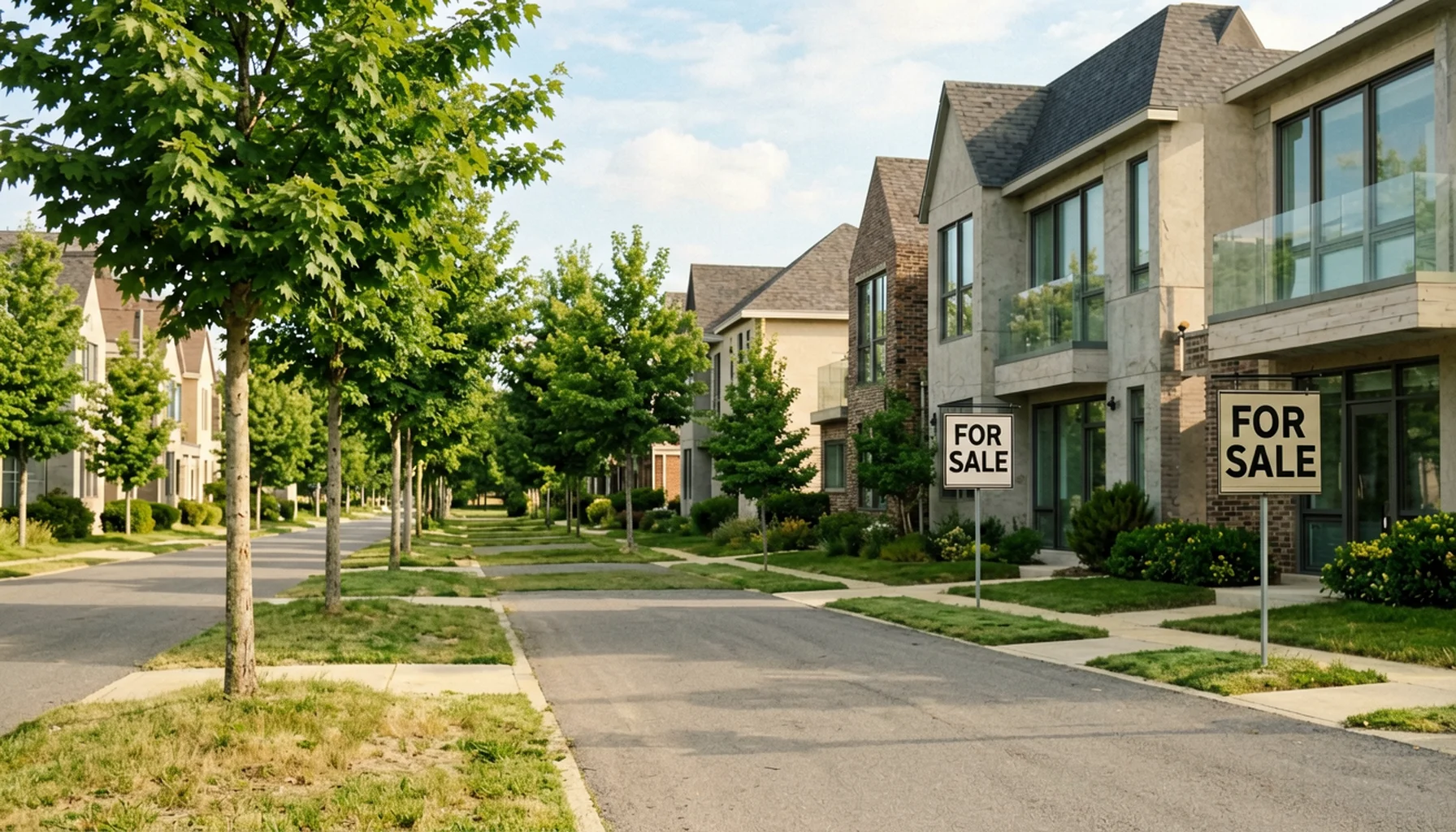
The Real Picture of a "Two-Speed Market": Let the Numbers Speak

Two-speed means Cape Town's premium and mass markets are running at very different paces. The Western Cape's high average does not mean every corner is expensive — rather, strong demand for premium assets is lifting the overall mean. Let's look at a few key data points:

Western Cape Avg R3.36M

Q1 2026 average price of about R3,357,917, roughly 72% above the national average.

Financing Threshold R55-60K

A R2.5m home requires roughly R55,000-60,000 in household net monthly income.

Gauteng 50.8% of Transfers

Gauteng leads national transfer volumes; Cape Town wins on higher unit prices.

Foreign Buyers 39% Premium

Above R20m, foreign buyers account for as high as 39% (Lightstone).

These numbers reveal the same story: Cape Town's price growth is driven by a minority of premium assets and international buyers, while ordinary salaried families struggle to keep up.

Why Is the Middle Class Being "Priced Out"? Four Structural Drivers

The shrinking affordability of homeownership for Cape Town's middle class is not the result of any single factor, but the convergence of several structural forces:

  • Limited developable land — Cape Town is geographically constrained by Table Mountain and the Atlantic, leaving limited room for new development and driving up land costs
  • Semigration sustains demand — high-net-worth households from Gauteng and other provinces keep relocating south for safety and lifestyle, further lifting Cape Town prices
  • Rising construction costs — higher materials and labor costs mean new supply cannot keep pace with demand growth
  • International capital in premium areas — Atlantic Seaboard and CBD premium assets are seen as safe havens by foreign and cash buyers, continually pushing prices up

When these four forces act together, middle-class incomes clearly fail to keep pace with house-price growth, financing thresholds keep climbing, and a structural "can't afford" dilemma takes hold.

"Cape Town wins big on quality of life, yet keeps losing ground on affordability. It is the starkest contrast in South Africa's 2026 property market." — IOL Business/Property, July 2026

Foreign Buyers and Cash Buyers: The Winners in a Polarized Market

Polarization is pressure for salaried middle-class households, but for buyers with cash or high net worth, it opens a different window of opportunity. Lightstone's data clearly shows that foreign buyers' participation in South Africa's premium market rises with price point:

Price Band Foreign Buyer Share Implication
R4m – R10m ~15% Upper-mid price; foreign capital becomes clearly visible
R10m – R20m ~26% Premium market; overseas buyers are now a major force
Above R20m ~39% Top tier; nearly four in ten deals involve foreign buyers

Cape Town is the primary hub of this premium capital flow. The Atlantic Seaboard and CBD commercial assets keep attracting international money — CBD commercial investment, for example, once hit a record R1.28 billion. For buyers with cash, there is no need to wrestle with interest rates; you can position in high-growth areas at relatively fair prices even as the middle class retreats.

Three Advantages for Overseas Buyers

01

Strong Cash Bargaining Power

No reliance on financing means skipping rate and approval hurdles, with greater room to negotiate.

02

Currency Tailwind

Pricing in TWD or foreign currency, exchange-rate movements versus the rand add flexibility to asset allocation.

03

Long-Horizon Holding

Lock in areas with rental yield and capital-appreciation potential, riding through short-term market volatility.

Cape Town vs. Taipei: An Investment Lens on the Price Comparison

For Taiwanese investors, Cape Town prices present a very different value proposition compared to Taipei. Prime Taipei districts have long passed the NT$1 million-per-ping mark, whereas Cape Town — even with an average above the South African national level — remains far more affordable than comparable Taipei locations. For Taiwanese high-net-worth investors seeking overseas asset allocation and diversification away from a single-market concentration, Cape Town offers a combination of lifestyle, rental potential, and currency diversification value.

Key Insight: The real meaning of a two-speed market is "price re-stratification." As the middle class is pushed out of the mass market, a clear value gap emerges between premium segments and relatively affordable suburbs and emerging developments. For overseas investors, the key is not chasing the most expensive band, but finding the sweet spot between price and growth potential.

Conclusion: In a Polarized Market, Precision Is Everything

Cape Town's two-speed market is no passing phase — it is a long-term structure shaped by geographic constraints, semigration trends, construction costs, and international capital. For salaried middle-class households, it is a wall that keeps rising; but for overseas buyers with cash and high net worth, it is a window to skip financing thresholds and position precisely while prices re-stratify.

The key lies in choosing the right area, calculating carrying costs, and building a long-term strategy. Cape Town spans a broad spectrum from Atlantic Seaboard luxury to suburban and emerging developments, and each price band carries a different risk-and-return profile. Blindly chasing hot neighborhoods can mean overpaying, while being overly cautious can mean missing appreciation opportunities.

Looking to find your opportunity in Cape Town's two-speed market? Book a one-on-one consultation for a tailored Cape Town property assessment.