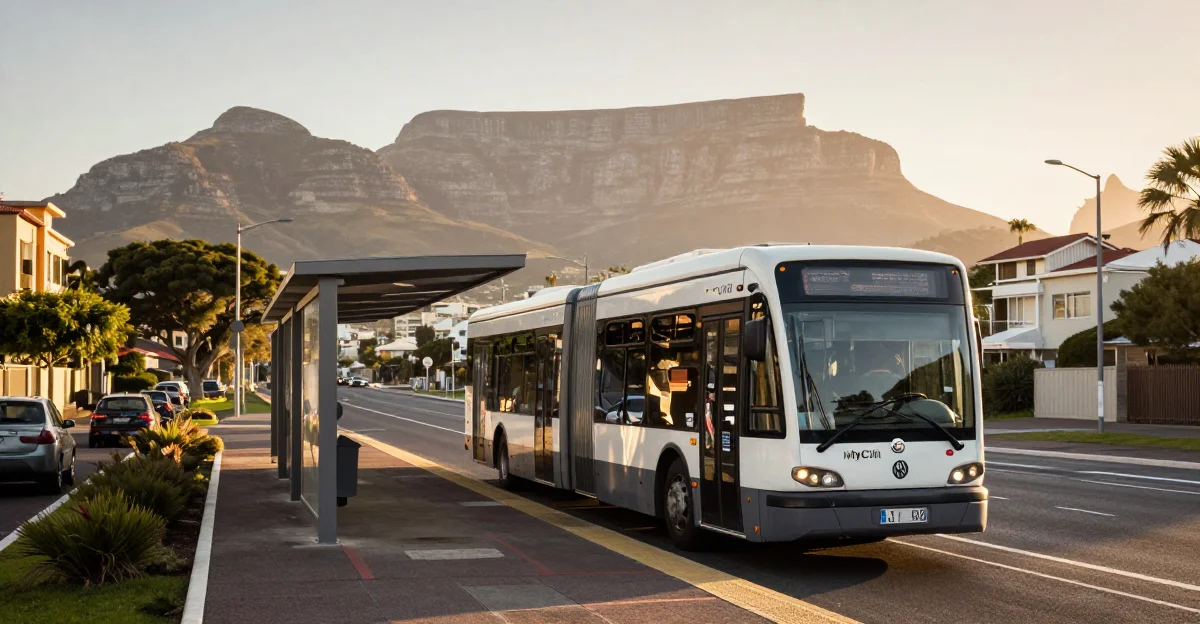
Why R430 Million in Depots Matters for Property Investors
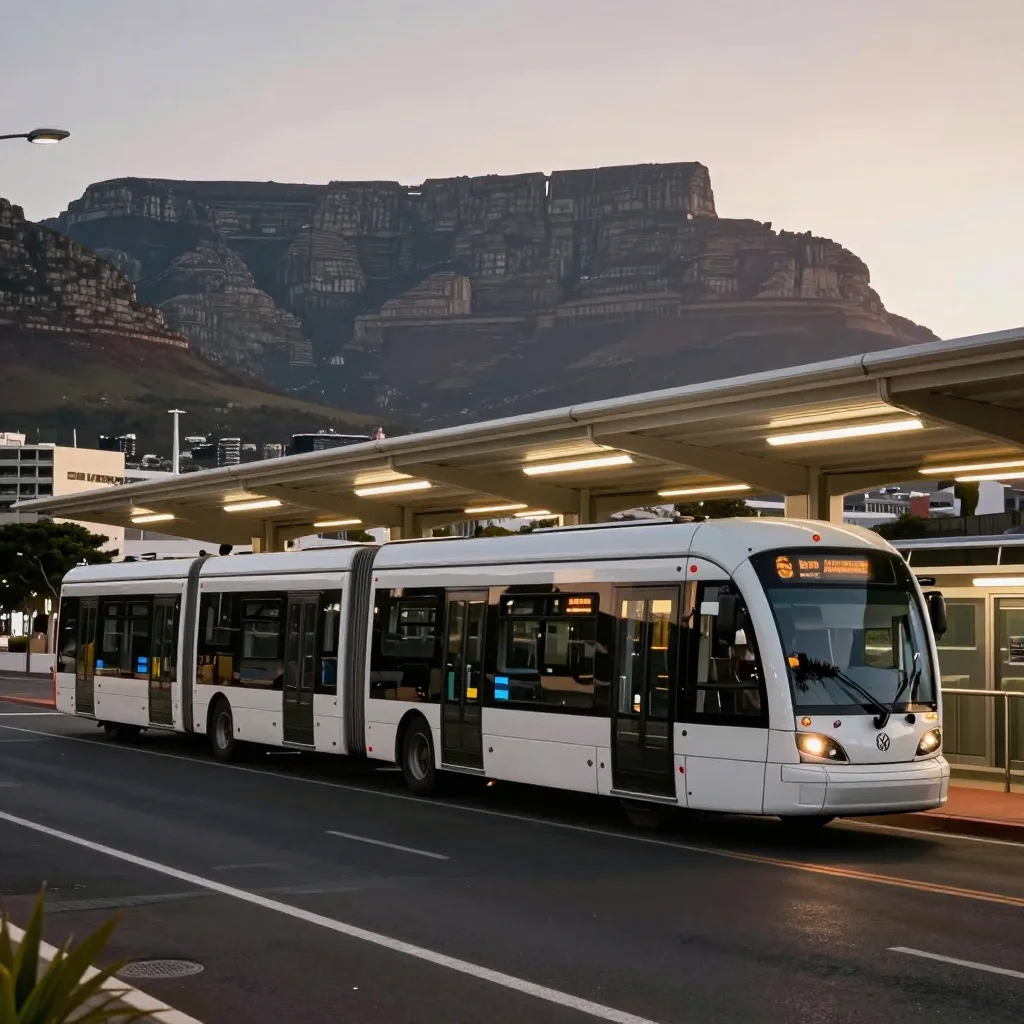
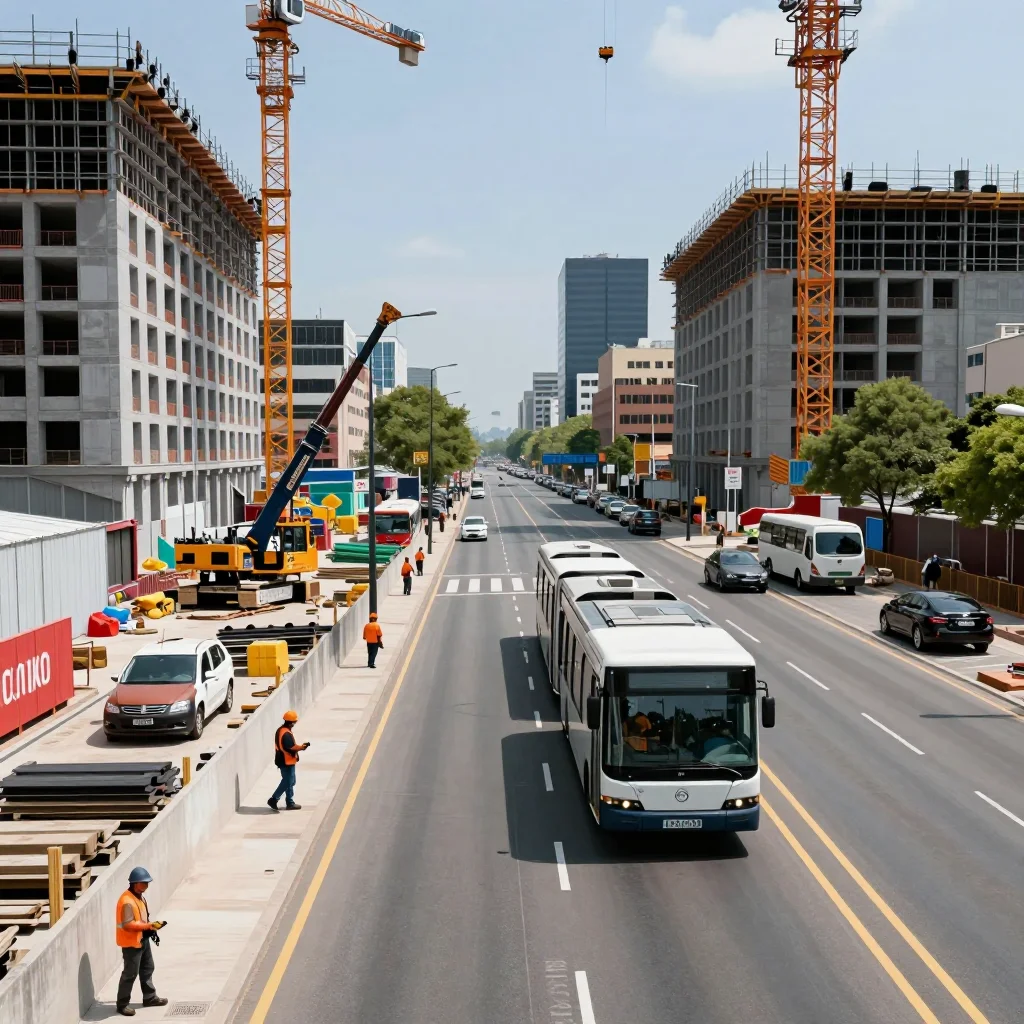
In October 2025, MyCiTi completed two state-of-the-art bus depots in Khayelitsha and Mitchells Plain at a combined cost of R430 million. Over 500 local residents worked on construction; 75% of infrastructure spending went directly to low-income households. The depots are not endpoints — they are enablers for 17 km of dedicated bus lanes connecting Cape Town's eastern townships to its premium southern suburbs.
MyCiTi Phase 2A is the single largest transit-oriented investment in South African history. The R10 billion corridor links Khayelitsha and Mitchells Plain to Claremont and Wynberg — areas where median property prices exceed R 5 million and overseas buyers account for over 40% of transactions above R 10 million.
For property investors, the question is straightforward: when R10 billion in infrastructure lands on a corridor, how much of that value transfers to real estate within walking distance of the stations?
The TOD Playbook: Infrastructure as a Hidden Engine for Property Value
Transport-Oriented Development is one of the most reliable property value multipliers globally. London's Crossrail delivered a 40% price uplift within 800 meters of new stations. Singapore's MRT Thomson-East Coast Line saw 10-15% presale premiums the moment the route was announced.
Cape Town is now executing the same playbook. MyCiTi Phase 2A extends rapid transit into the southern suburban corridor where Claremont and Wynberg anchor some of the city's highest property values per square meter. Each increment of transport accessibility translates into measurable rental and capital premiums.
Western Cape's average rent stands at R 11,454 versus the national R 9,218 — and that gap widens around transport nodes. TOD zones typically command a 10-20% rental premium, which means Phase 2A corridor properties enjoy structurally higher occupancy and more resilient rental income.
What Phase 2A Actually Delivers
Phase 2A connects three strategic zones: Khayelitsha/Mitchells Plain (dense eastern corridors with intense commuter demand), Claremont (the southern suburbs' premium hub, median prices above R 5 million), and Wynberg (an established interchange undergoing station-area upgrades). The 17 km of dedicated bus lanes guarantee speed and reliability — not "a bus passes through" but purpose-built rapid transit infrastructure that drives the TOD premium.
MyCiTi Phase 2A is not isolated. Cape Town's three-year infrastructure pipeline totals R40 billion across roads, water, power, and transit. Phase 2A's TOD effects compound with city-wide upgrades. The pattern is predictable: announcement-driven gains, construction confirmation, then full value realization at opening. Right now, depots are built and the route is under construction — the sweet spot between announcement and delivery.
The R 16,000,000 Entry Point: Dual-Engine Structure Meets TOD Premium
| Component | Amount | Notes |
|---|---|---|
| Property purchase | R 10,450,000 | Premium Cape Town residential |
| Transaction costs | ~R 550,000 | Transfer, attorney, trust setup |
| Standard Bank Wealth call deposit (律師信託保護) | R 5,000,000 | 6.5% daily compounding, paid monthly, effective rate ~6.72% |
Dual-Engine Cash Flow
Rental engine
- R 10,450,000 × 8-10% = R 836,000 - R 1,045,000/year (full-occupancy income)
- TOD corridor properties command 10-20% rental premiums, with higher occupancy rates
Interest engine
- R 5,000,000 × 6.5% daily compounding, paid monthly ≈ R 335,000+/year (effective annual rate ~6.72%)
- During the waiting period, the full R 16,000,000 earns interest from day one in the trust account — approximately R 86,000/month
Combined annual cash flow: R 1,171,000 - R 1,380,000
Legal Trust Protection (律師信託保護) for Overseas Investors
The biggest concern for overseas property investors is fund security. DingYao's legal trust protection structure places client funds in an attorney trust account regulated by the Law Society of South Africa. The entire R 16,000,000 begins earning interest from the day it arrives — no gap period where capital sits idle.
Timing the Entry: Why the Construction Window Is Optimal
Infrastructure-driven property appreciation follows three phases:
1. Announcement premium (5-8%): Expectation drives initial price gains
2. Construction confirmation (3-5%): Certainty attracts institutional and overseas capital
3. Opening realization (ongoing): Convenience delivers sustained long-term value growth
MyCiTi Phase 2A is between phases 1 and 2 — the depots are built, the route is under construction, and the full TOD premium has not yet been priced in. This is the optimal entry point: early enough to capture the remaining upside, late enough that the infrastructure commitment is irreversible.
Projected TOD Appreciation Along the Corridor
| Area | Median Price | Projected TOD Uplift | Improvement Level |
|---|---|---|---|
| Claremont | R 5M+ | 5-8% | Direct rapid transit access |
| Wynberg | R 3-5M | 8-12% | Station-area upgrade |
The highest appreciation potential lies not in the most expensive suburb (Claremont) but in areas undergoing the most significant accessibility upgrade (Wynberg, Kenilworth). This is the classic TOD pattern: value concentrates where improvement magnitude is greatest.
Conclusion: Infrastructure Premium, Overseas Advantage
MyCiTi Phase 2A is not a bus route — it is a property value re-rating mechanism for Cape Town's southern corridor. The R10 billion investment will release TOD effects over the coming years, and overseas cash buyers hold two structural advantages:
1. Unaffected by local mortgage rates — SARB rate hikes compress local financing demand, expanding cash buyers' negotiating room
2. Pre-delivery entry — Positioning before full value realization captures the entire appreciation cycle from planning to operation
The R 16,000,000 dual-engine structure — rental engine at R 836,000 - R 1,045,000/year plus interest engine at R 335,000+/year — delivers R 1,171,000 - R 1,380,000 in annual cash flow, amplified by TOD corridor rental premiums. With legal trust protection (律師信託保護) securing funds from day one, this is an infrastructure-aligned opportunity with structural downside protection.
Contact DingYao Advisory to learn how the R 16,000,000 overseas property investment structure works in detail.