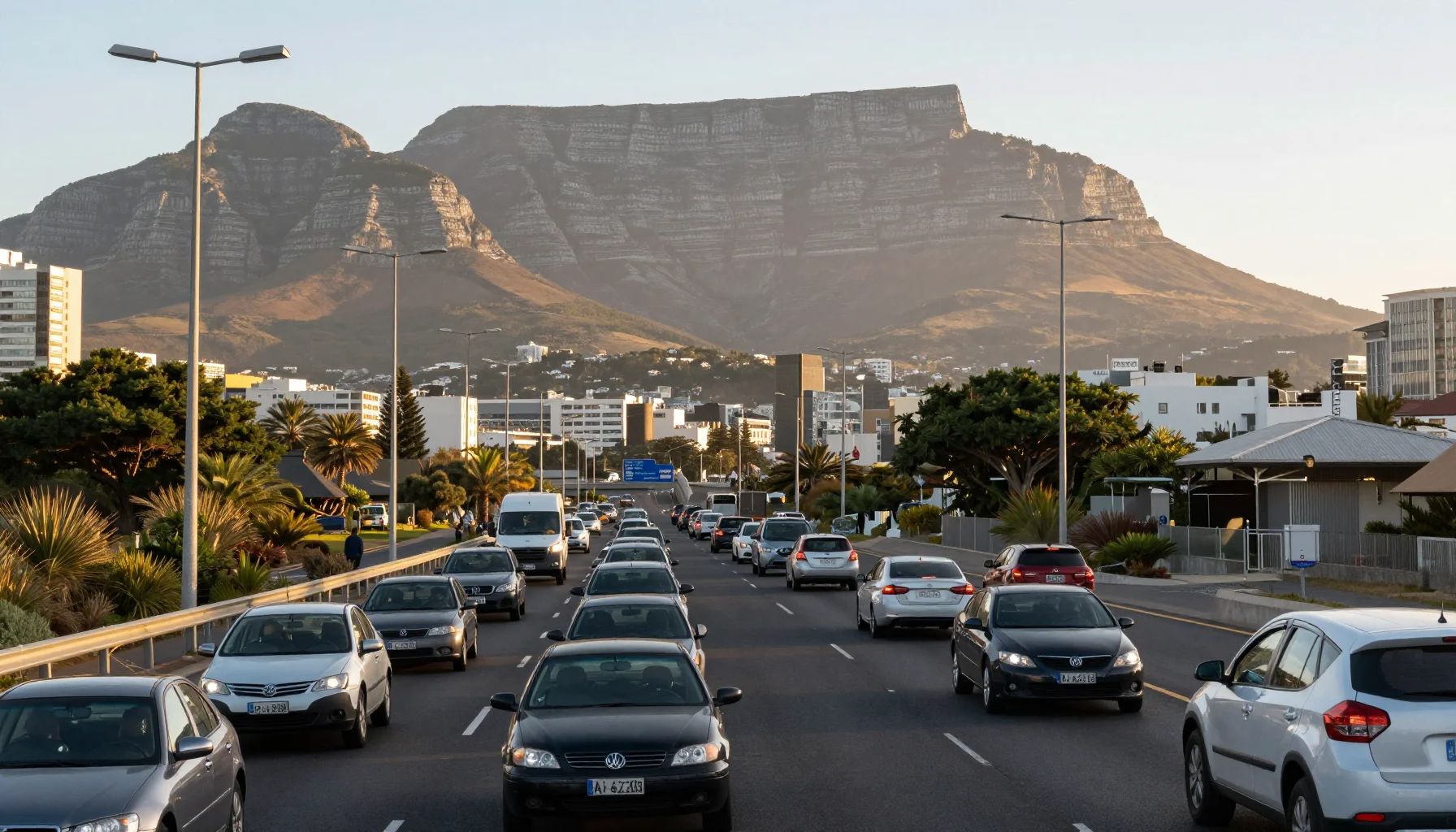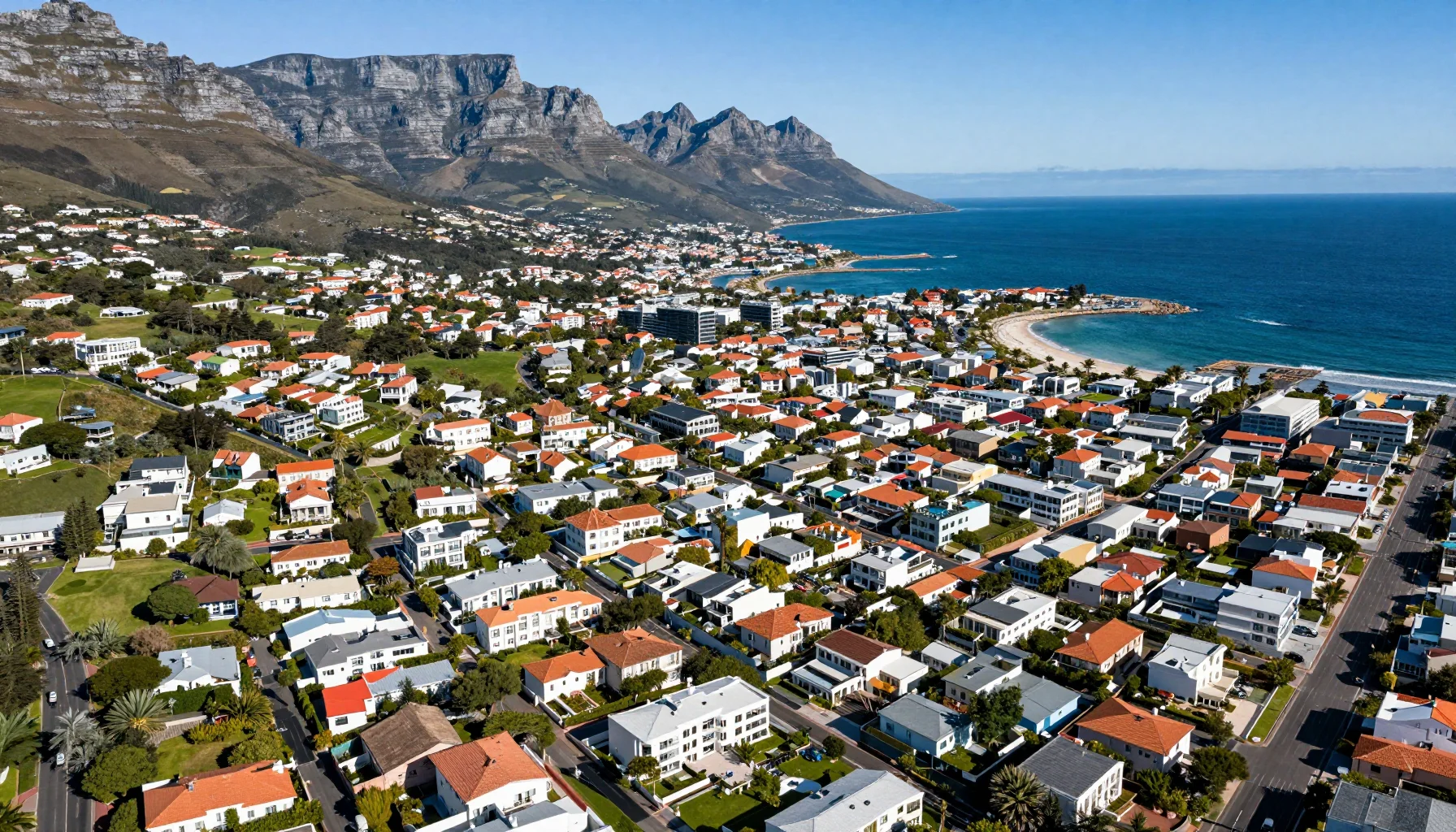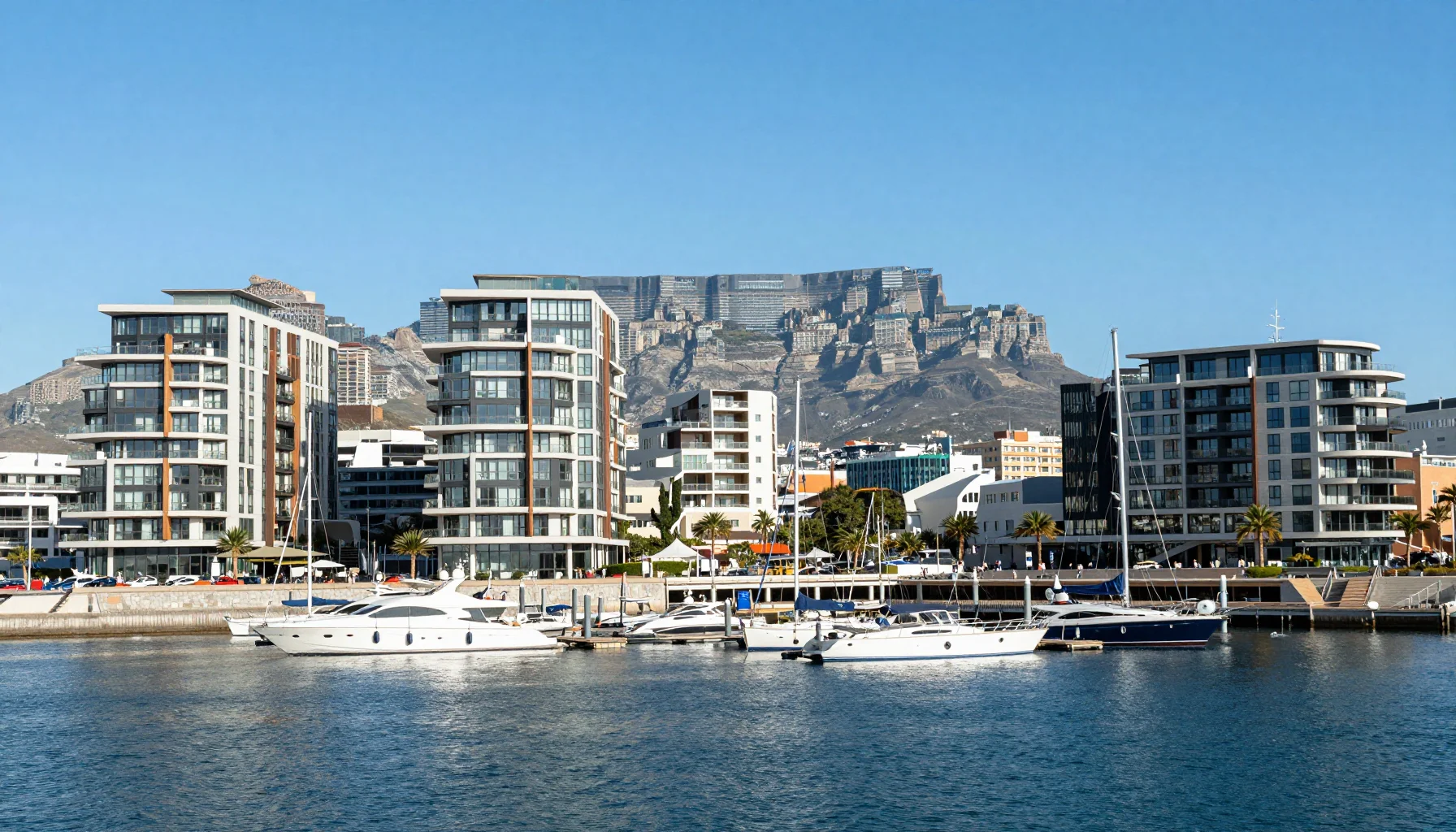
South Africa fuel price hike Cape Town living costs property assessment

SA Fuel Hike Takes Effect Today: Will Cape Town Living Costs Rise? Petrol +R1.34, Diesel +R3.15 — 3 Impacts on Property Assessment

South African fuel prices officially rose today (9/2): petrol (93/95) +R1.34 per litre and diesel +R2.93 to R3.15 per litre depending on sulphur content (TimesLive 8/31 official confirmation). This is a direct rise in household living costs and the latest inflation-pressure signal ahead of the SARB MPC decision on 9/23. For Taiwanese investors, Cape Town living costs are a core variable in property decisions — our earlier living-cost article established the authority that "Cape Town's annual spending is only 35% of Taipei's." This article is the "cost dynamic update": fuel hike → inflation → living costs rise slightly — but a weak rand and rental yields still give Cape Town a structural advantage over Taipei and Singapore.

This article uses a three-factor framework (living costs / rental yields / currency) to answer "is Cape Town still worth it after the hike," and links it to the SARB 9/23 decision (inflation pressure vs rate-cut room), giving Taiwanese investors a complete property-assessment update.

Key Takeaway: Still worth it. The 9/2 fuel hike (petrol +R1.34/L, diesel +R3.15/L) pushes living costs up, but Cape Town's annual spending is only 35% of Taipei's, rental yields run 7.5-11.4%, and the rand stays weak in the 16.1 range. Only the "living costs" factor rises modestly; "rental yields" and "currency" still provide structural support, and a SARB cut on 9/23 would further lower mortgage costs.
Fuel Hike Takes Effect Today: Petrol +R1.34, Diesel +R3.15

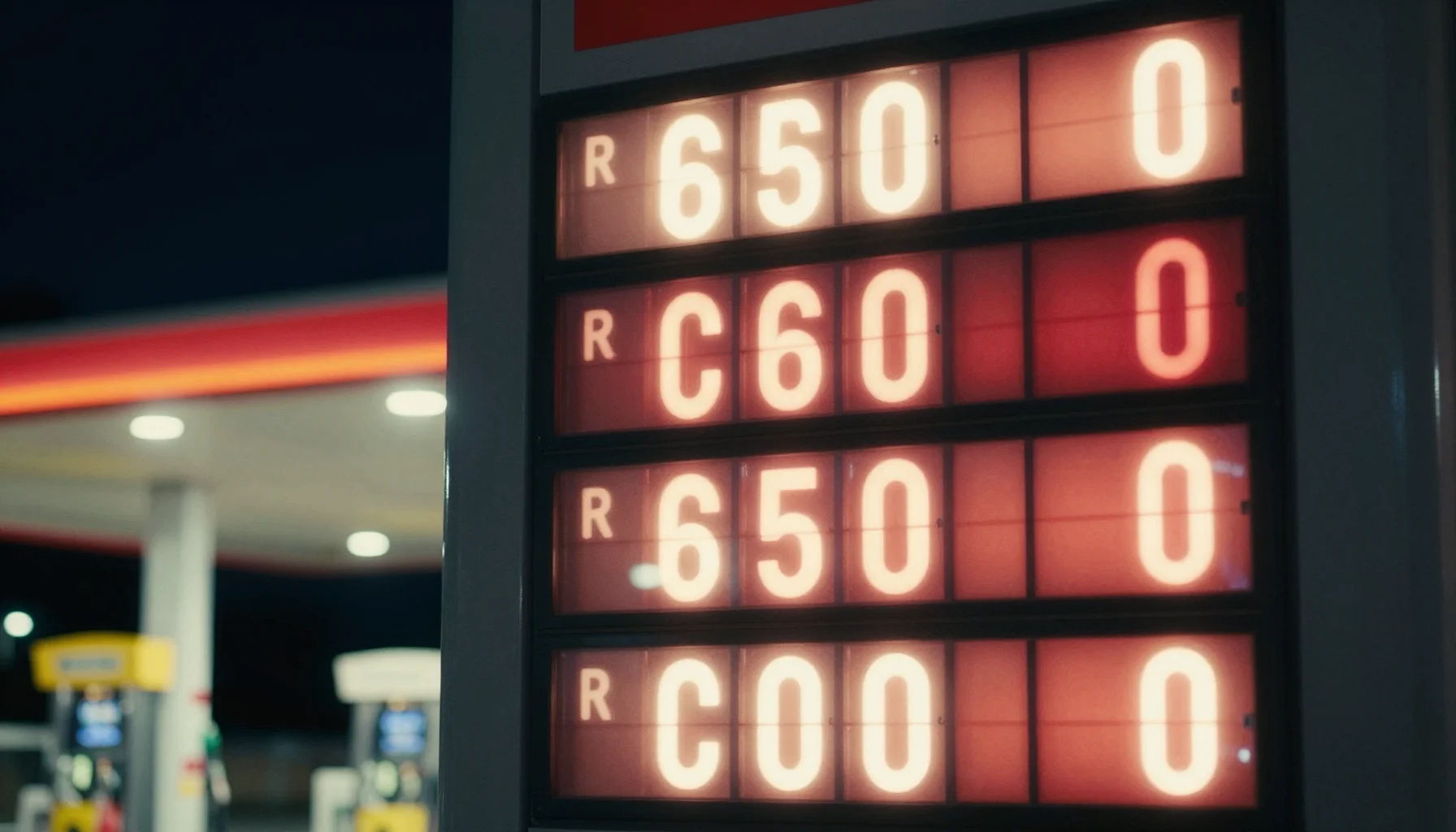
The Department of Mineral and Petroleum Resources (DMPR) has officially confirmed that fuel prices rise across the board from 9/2: petrol (93/95 ULP & LRP) +R1.34 per litre, diesel (0.05% sulphur) +R2.93 per litre, and diesel (0.005% sulphur) +R3.15 per litre (cross-confirmed by TimesLive 8/31, Citizen 8/31, BusinessTech 9/1). This is another sharp increase after 95 unleaded petrol rose a cumulative R6.58 since March 2026 (IOL 9/1).

For South African households, this means a 50-litre tank of petrol now costs about R67 more per fill; diesel drivers feel it more, with each tank up about R150 to R158. For commuters, logistics operators, and agricultural transport, this hike directly raises monthly transport spending.

Petrol 93/95

+R1.34 per litre (ULP & LRP both rise)

Diesel 0.05%

+R2.93 per litre (500ppm sulphur)

Diesel 0.005%

+R3.15 per litre (50ppm sulphur, largest rise)

Effective date

From Wednesday, 2 September 2026

Notably, this hike is not driven by a single factor. South African fuel prices are driven by two main forces: international oil prices and the rand/US dollar exchange rate (GovernmentZA official statement). The September increase reflects both higher international oil prices and a weaker rand.

Why the Hike? BFP Under-Recovery and a Weaker Rand

allAfrica's 9/1 analysis points to the key driver: "basic fuel price (BFP) under-recovery" — petrol under-recovery of -R1.06 and diesel under-recovery of -R2.71. The BFP is the international benchmark for South African fuel pricing, reflecting the international cost of imported fuel; when the BFP rises while domestic prices have not kept pace, an "under-recovery" builds up and must be recovered through higher retail prices.

A weaker rand partially offset the global oil price rise — a soft rand raises the rand-denominated cost of imported fuel, but it also makes South African exports more competitive. USD/ZAR is currently trading in the 16.11-16.18 range (Investing.com 16.1163, Xe 16.1118, TradingView 16.17858), with the rand staying weak.

"The fuel hike is a direct pressure on South African household budgets, but for Taiwanese investors the key question is not 'how much did oil rise' but 'is Cape Town living still relatively cheap in international comparison' — and the answer is still yes." — DingYao Advisory Investment Advisory Team

Understanding the pricing mechanism lets you assess the impact more precisely: fuel hike → transport costs rise → logistics and food prices follow → short-term inflation pressure → a variable for the SARB 9/23 decision. That transmission chain is the core of what we unpack next.

3 Impacts of the Fuel Hike on Cape Town Living Costs

The fuel hike's impact on Cape Town living costs can be grouped into three main areas. When Taiwanese investors assess property, these three points directly affect "monthly living expenses" and "net rental yield" calculations:

  • Impact 1: Transport costs rise — Commuters' monthly fuel bills rise R200 to R500 depending on mileage, and taxi and ride-hailing prices follow. Cape Town's monthly public transport pass is R800 (about TWD 1,400), still cheaper than Taipei's TWD 1,350, but self-driving costs clearly rise.
  • Impact 2: Food and logistics prices follow — Diesel is the main logistics fuel; diesel +R3.15 directly raises transport costs, and supermarket food prices may follow. South African food inflation had eased in the July CPI, but the fuel hike may push short-term price pressure back up.
  • Impact 3: Inflation expectations and the rate path — The fuel hike lifts inflation expectations and may affect the SARB 9/23 decision. South Africa's July CPI already fell to 4.3% (StatsSA 8/19); if the fuel hike pushes inflation up short-term, the SARB cut timing may be delayed — but that also means the room for mortgage-cost relief is larger once a cut comes.

Key Insight: The fuel hike's effect on living costs is a "single-factor, modest rise," not a "full reversal." Cape Town's structural advantage of living at 35% of Taipei's cost will not disappear because a tank of fuel costs R67 more. The real assessment focus is the combined change across living costs, rental yields, and currency.

Three-Factor Framework: Living Costs / Rental Yields / Currency

To answer "is Cape Town still worth it after the fuel hike," you cannot look at the oil price alone. DingYao Advisory recommends Taiwanese investors use a three-factor framework to assess Cape Town property's overall appeal:

Factor 1: Living Costs

Cape Town's annual spending is only 35% of Taipei, 25% of London, and 28% of Singapore. The fuel hike raises transport costs modestly, but the structural advantage remains.

Factor 2: Rental Yields

Cape Town rental yields run 7.5-11.4%; a two-bedroom in the city centre rents for R15,000 (about TWD 27,000), comparable to Taipei but with lower purchase prices.

Factor 3: Currency

The rand stays weak in the 16.1 range, keeping TWD-denominated costs low. A weak rand makes South African assets relatively cheap for Taiwanese investors.

Combined Assessment

Only the "living costs" factor rises modestly; "rental yields" and "currency" still provide structural support, so overall appeal is unchanged.

The key difference among the three factors is "direction of change." The fuel hike only affects the living-cost factor, and the impact is limited (transport is not a large share of household spending); rental yields and currency are determined by Cape Town's property fundamentals and the rand's path, which are not affected by oil prices in the short term. The three-factor conclusion: Cape Town is still worth it after the hike.

Is Cape Town Still Worth It? Taipei / Singapore Comparison

Putting the fuel hike into international comparison reveals Cape Town's true position. The table below compares key living-cost data across Cape Town, Taipei, and Singapore (data from our earlier living-cost article, updated with the 9/2 fuel hike):

Indicator Cape Town Taipei Singapore
Annual living costs (relative) 100% (baseline) About 286% (2.86x Cape Town) About 357% (3.57x Cape Town)
2-bed city-centre rent (monthly) R15,000 (about TWD 27,000) TWD 50,000 (about R28,000) S$4,500 (about TWD 108,000)
Public transport pass R800 (about TWD 1,400) TWD 1,350 S$120 (about TWD 2,900)
Car rental (monthly) R8,000 (about TWD 14,000) TWD 25,000 S$1,200 (about TWD 29,000)
9/2 fuel hike Petrol +R1.34 / Diesel +R3.15 — (different pricing mechanism) — (different pricing mechanism)
Rental yields 7.5-11.4% About 1.5-2% About 2.5-3%

As the table shows, even with the 9/2 fuel hike, Cape Town living costs remain far below Taipei and Singapore. More importantly, rental yields: Cape Town's 7.5-11.4% is several times Taipei's (about 1.5-2%) and Singapore's (about 2.5-3%). For Taiwanese investors seeking cash flow, Cape Town's "cost advantage + yield advantage" double stack does not change because a tank of fuel costs R67 more.

Key Insight: After the fuel hike, Cape Town living costs remain around 35% of Taipei's, and rental yields of 7.5-11.4% are 4-5x Taipei's. The modest rise in the "living costs" factor is far smaller than the structural advantages of "rental yields" and "currency." Cape Town is still worth it after the hike.

Fuel Hike and the SARB 9/23 Decision: Inflation Pressure vs Rate-Cut Room

The fuel hike's most direct macro impact is the inflation-pressure signal ahead of the SARB MPC decision on 9/23. South Africa's July CPI already fell to 4.3% (StatsSA 8/19, down sharply from 5.0% in June), cooling for three straight months, and SARB's inflation outlook has shifted to "below the 4.5% midpoint." But the 9/2 fuel hike may push August-September inflation up short-term, becoming a variable in SARB's decision.

The SARB policy rate is 7.00% and Prime is 10.50% (Nedbank confirms 9/23 as the next MPC date). The key question for the market: will the fuel hike make SARB delay a cut?

  • Inflation pressure side — The fuel hike raises transport costs; August-September CPI may rise short-term, and SARB may stay on hold
  • Rate-cut room side — July CPI of 4.3% is already below the 4.5% midpoint, core inflation is mild, and SARB still has room to cut
  • Global environment side — Fed hike odds for 9/16 are 66% (CME FedWatch); dollar strength pressures the rand, easing South African import inflation
  • Combined read — The fuel hike is short-term noise; the disinflation trend and a weak rand are the main themes, so a 9/23 cut remains possible

For Taiwanese investors, the SARB 9/23 decision directly affects South African mortgage costs. If SARB cuts 25bp, Prime falls from 10.50% to 10.25%, and a R5,000,000 mortgage's monthly interest falls by about R1,000. That is a real tailwind for Cape Town property financing costs.

Key Insight: The fuel hike is a short-term variable in the SARB 9/23 decision, but the disinflation trend (July CPI 4.3%) and a weak rand are the main themes. If SARB cuts on 9/23, lower South African mortgage costs offset the modest living-cost rise, leaving a net positive effect.

Key Data for Cape Town Property Assessment

The table below summarises the key data Taiwanese investors need to assess Cape Town property after the fuel hike:

Indicator Value Meaning for Taiwanese Investors
9/2 petrol hike +R1.34/L (93/95 ULP & LRP) R67 more per 50L tank; transport costs rise modestly
9/2 diesel hike +R2.93 to R3.15/L Logistics and food price pressure
2026 cumulative 95 petrol +R6.58 since March (IOL 9/1) Volatile annual fuel path; budget accordingly
SA July CPI 4.3% (StatsSA 8/19) Disinflation trend; SARB has room to cut
SARB policy rate 7.00% Possible 9/23 cut; mortgage costs may fall
Prime rate 10.50% Lower mortgage costs after a cut
USD/ZAR 16.11-16.18 (9/1) Weak rand keeps TWD-denominated costs low
Cape Town living costs 35% of Taipei Structural advantage remains after the hike
Cape Town rental yields 7.5-11.4% 4-5x Taipei; cash-flow advantage
Western Cape price growth 4-7% (2026 forecast) Capital appreciation potential

As the table shows, the fuel hike affects only the "living costs" factor, and modestly; disinflation, a weak rand, rental yields, and price growth are the structural factors that dominate Cape Town property assessment. Taiwanese investors should judge with the three-factor framework rather than be swayed by a single event.

What Taiwanese Investors Should Watch: Living-Cost Dynamics and Property Decisions

For Taiwanese investors, the fuel hike's meaning is not "South African fuel got expensive" but "how do living-cost dynamics affect property assessment." DingYao Advisory provides advisory on market analysis, investment assessment, and legal and capital structuring to help Taiwanese investors understand cross-border investment processes; actual property transactions are handled by licensed South African partners.

01

Three-factor assessment: living costs / rental yields / currency

Assess Cape Town property with the three-factor framework: living costs (35% of Taipei), rental yields (7.5-11.4%), and currency (rand weak at 16.1). The fuel hike affects only one factor, and modestly.

02

Read the inflation and rate path

Track August-September CPI data and the SARB 9/23 decision. The fuel hike is short-term noise; the disinflation trend (July 4.3%) and a weak rand are the main themes. A cut would lower mortgage costs.

03

Capital and compliance planning

Under South African exchange-control rules, transfer funds through legal channels. DingYao provides advisory on capital structuring and compliance processes to help you manage cross-border arrangements.

04

Long-term holding and asset management

Cape Town property is a long-term allocation. Rental yields of 7.5-11.4% provide stable cash flow, and Western Cape price growth of 4-7% offers appreciation potential. DingYao provides ongoing market information and asset-management advisory.

Advice for investors: The fuel hike is a "dynamic update" to living costs, not a "reversal signal" for property decisions. Assess with the three-factor framework and watch the SARB 9/23 decision. DingYao Advisory is an information-advisory role providing market analysis, investment assessment, and legal and capital structuring; actual property transactions are handled by licensed South African partners.

FAQ

How much did South African fuel prices rise on September 2?

South African fuel prices officially rose on 9/2: petrol (93/95 ULP & LRP) +R1.34 per litre, diesel +R2.93 to R3.15 per litre depending on sulphur content. This follows a cumulative R6.58 increase in 95 unleaded petrol since March 2026 (TimesLive 8/31, IOL 9/1).

Will Cape Town living costs become more expensive after the fuel hike?

Costs will rise slightly, but the structural advantage remains. Cape Town's annual living expenses are only 35% of Taipei, 25% of London, and 28% of Singapore. Even with higher transport costs from the fuel hike, Cape Town's cost advantage over Taipei and Singapore stays significant.

How does the fuel hike affect the SARB rate decision on 9/23?

The fuel hike pushes up transport costs and may lift inflation in the short term, but South Africa's July CPI already fell to 4.3% and the SARB policy rate is 7.00%. If SARB cuts on 9/23, South African mortgage costs fall, a tailwind for Cape Town property investment.

Is Cape Town property still worth it after the fuel hike?

Yes. Using a three-factor framework: living costs (Cape Town at 35% of Taipei), rental yields (7.5-11.4%), and currency (rand weak in the 16.1 range). The fuel hike only affects the living-cost factor modestly; rental yield and currency advantages still provide structural support.

How should Taiwanese investors assess Cape Town living costs for property investment?

Use a three-factor framework: living costs (Cape Town at 35% of Taipei), rental yields (7.5-11.4%), and currency (a weak rand keeps TWD-denominated costs low). DingYao Advisory provides advisory on market analysis, investment assessment, and legal and capital structuring.

Related Reading

Want to explore South African living costs, inflation, and Cape Town property further? We recommend:

Conclusion: A Dynamic Update, Not a Reversal Signal

South Africa's 9/2 fuel hike takes effect today — petrol +R1.34, diesel +R3.15 — a direct rise in household living costs. But for Taiwanese investors, this is not a reversal signal for property decisions; it is a "dynamic update" in the living-cost series: fuel hike → short-term inflation pressure → yet Cape Town's structural advantage of living at 35% of Taipei's cost is unchanged, and rental yields of 7.5-11.4% plus a weak rand's currency advantage provide strong support.

Across the three-factor framework, international comparison, and the SARB 9/23 decision, Cape Town is still worth it after the fuel hike. We recommend Taiwanese investors use the September "dual-central-bank month" window to run market analysis and capital planning with the three-factor framework and capture Cape Town property's structural advantages.

Want to understand how the fuel hike affects your Cape Town property assessment? Book a one-on-one consultation for professional market analysis and investment assessment.

Fuel Hike, Inflation Pressure — Master Your Cape Town Property Three-Factor Assessment

South Africa's 9/2 fuel hike takes effect today. Will Cape Town living costs rise? DingYao Advisory provides advisory on market analysis, investment assessment, and capital structuring to help you make property decisions with the three-factor framework. Book a consultation now.

Book Now