On June 30, 2026, South Africa faces a National Shutdown organized by the civil movement "March and March." This movement, centered on opposing illegal immigration, has grown rapidly since its founding in 2025 and has become one of the largest social movements in South Africa in recent years. This article provides an in-depth analysis of the movement's background, development timeline, government response, and most importantly — what this means for the Cape Town property market.

Key Takeaways: The March and March movement demands that the government conduct mass deportations of illegal immigrants by June 30 and is applying pressure through a National Shutdown. The South African government has strengthened police deployments, and President Ramaphosa has announced a five-point plan to combat illegal immigration. While short-term social unrest may cause market hesitation, Cape Town's high-end property market fundamentals remain solid. Historical experience shows markets typically recover within 6-12 months after such events.

What is March and March?

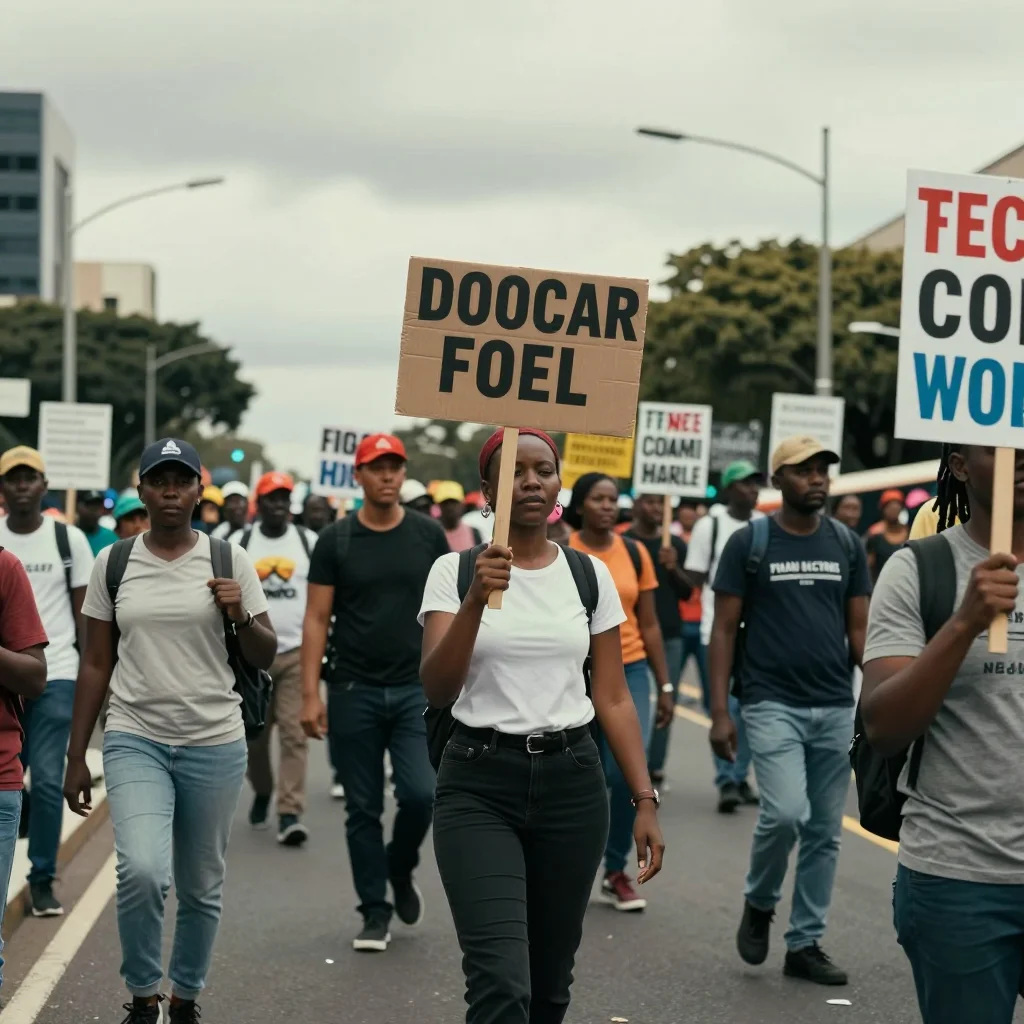
March and March is a South African civil movement organization founded in 2025 by Jacinta Ngobese-Zuma. Its primary demands are cracking down on illegal immigration, strengthening border controls, and mass deporting undocumented foreigners. The organization claims its movement is "not xenophobic, but based on national security," attributing South Africa's high unemployment, crime rates, and strained public services to illegal immigration.

According to Statistics South Africa, there are currently over 3 million foreigners living in South Africa, approximately 5.1% of the total population, with over 63% coming from SADC member states. South Africa's official unemployment rate stands at 33.2%, the second highest globally, while youth unemployment (ages 15-24) reaches 60.9%.

33.2% South Africa Unemployment Rate (2nd Globally)
60.9% Youth Unemployment (Ages 15-24)
3M+ Foreign Residents in South Africa
R17B Estimated National Shutdown Economic Loss

Protest Timeline

Early 2025
March and March is founded, beginning small-scale marches in KwaZulu-Natal Province.
March 2026
Protests escalate, spreading to major cities including Johannesburg, Pretoria, and Durban. Some marches turn violent, with foreign-owned shops looted.
April 2026
At least 2 Nigerian citizens killed in clashes. Nigeria recalls its ambassador to South Africa and initiates voluntary repatriation flights, with 268 Nigerians returning on chartered flights.
May 2026
Protests spread to Mossel Bay in the Western Cape, resulting in multiple deaths. Ghana charters flights to evacuate 297 citizens. Mozambique confirms 5 citizens killed in xenophobic attacks, with over 926 citizens departing in coordinated operations. March and March officially announces the June 30 National Shutdown plan.
June 7, 2026
President Ramaphosa delivers a national address, announcing a five-point plan to combat illegal immigration, including establishing specialized courts to expedite deportations and imposing prison sentences for employers of undocumented workers.
June 13, 2026
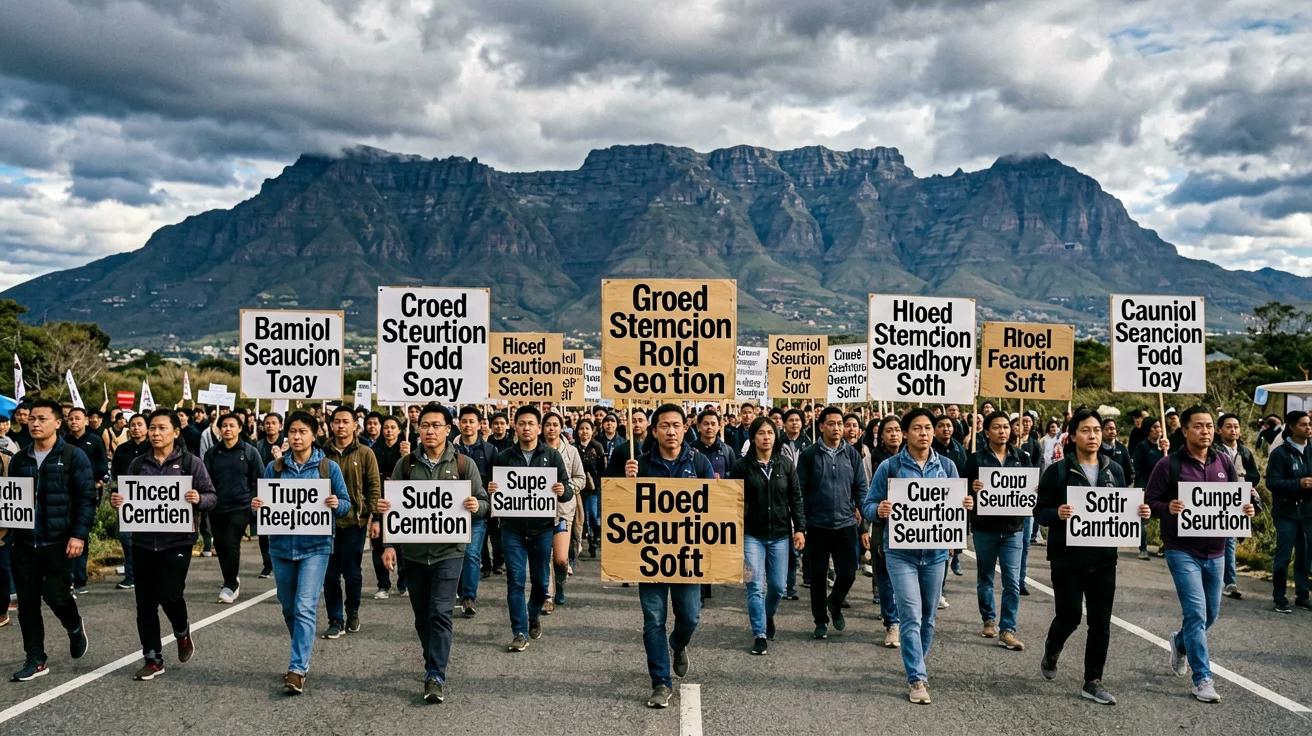
March and March's Cape Town chapter marches to Parliament, demanding action against illegal immigration and corruption in the Department of Home Affairs.
June 24, 2026
Over 20 organizations hold a joint press conference, emphasizing that the June 30 protests will remain peaceful. South African police announce heightened alert status nationwide.
June 30, 2026
National Shutdown Day. Police and defense forces on high alert, closely monitoring demonstrations in major cities.

Government Response: Ramaphosa's Five-Point Plan

Facing rising xenophobic sentiment, President Cyril Ramaphosa delivered a national televised address on June 7, announcing a series of new measures to combat illegal immigration:

  1. Strengthen Border Control — Increase funding and personnel for the Border Management Authority (BMA), enhance border patrols and enforcement
  2. Establish Specialized Immigration Courts — Accelerate deportation procedures for undocumented immigrants
  3. Penalize Illegal Employment — Impose prison sentences on employers hiring undocumented workers; several employers already arrested
  4. Strengthen Business Inspections — Expand labor law enforcement to ensure legal employment practices
  5. Crack Down on Home Affairs Corruption — Investigate illegal document issuance channels

Ramaphosa also called on the public: "We must actively resist efforts to divide our society. We must confront racism, sexism, xenophobia, and afrophobia." He emphasized that only authorized state officials may enforce immigration law, and citizens should not take the law into their own hands.

"Whose responsibility is it to protect the country? If the government is going to be spending millions of rands, then they must work for it." — Jacinta Ngobese-Zuma, March and March Founder

International Response and Diplomatic Fallout

This wave of xenophobia has dealt a severe blow to South Africa's international image:

  • Nigeria — Recalled its ambassador to South Africa; Senator Oshiomhole called for economic retaliation, including revoking operating licenses for South African companies such as MTN and DStv in Nigeria
  • Ghana — Chartered flights to evacuate 297 citizens and filed a formal protest with the African Union
  • Mozambique — Confirmed 5 citizens killed in xenophobic attacks; over 926 citizens departed in coordinated operations
  • Zimbabwe, Kenya, Lesotho — Issued official travel advisories
  • United Nations and African Union — Publicly condemned xenophobic violence in South Africa

Impact on the Cape Town Property Market

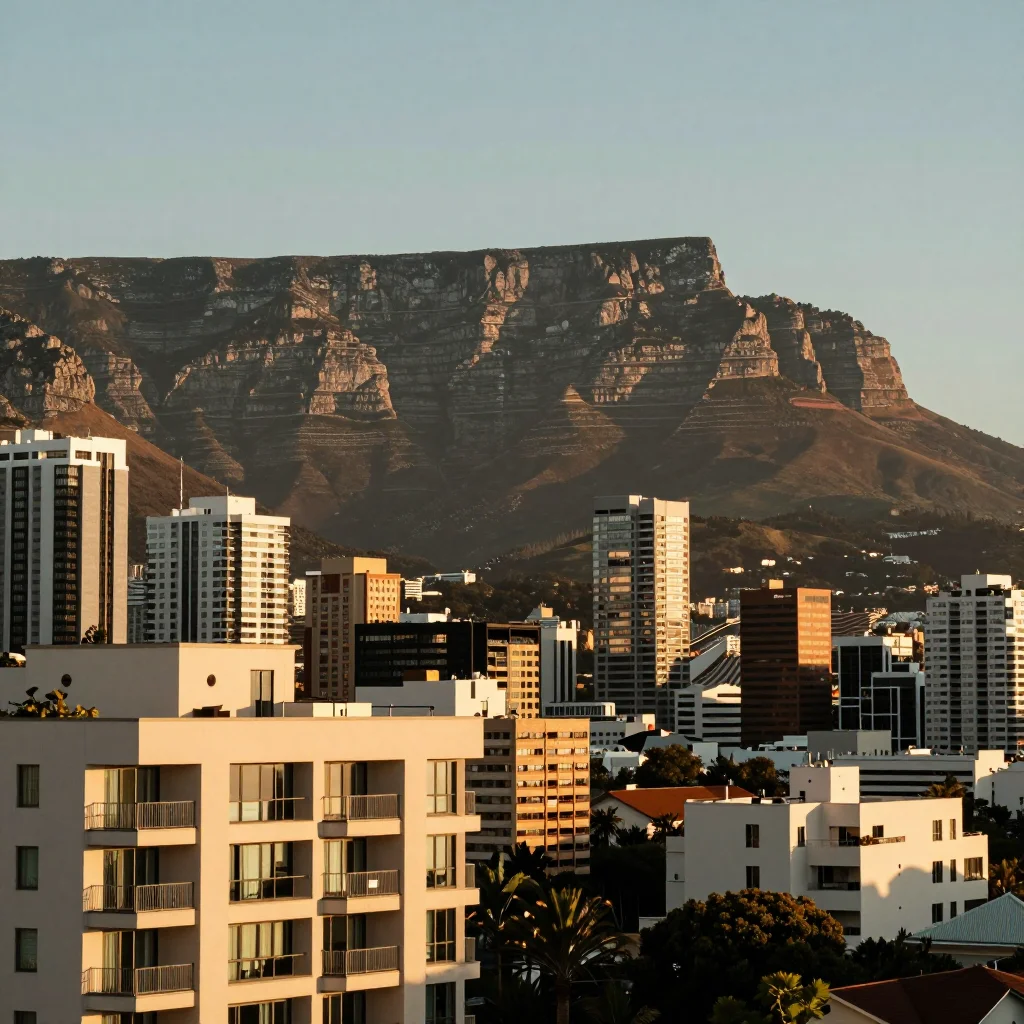
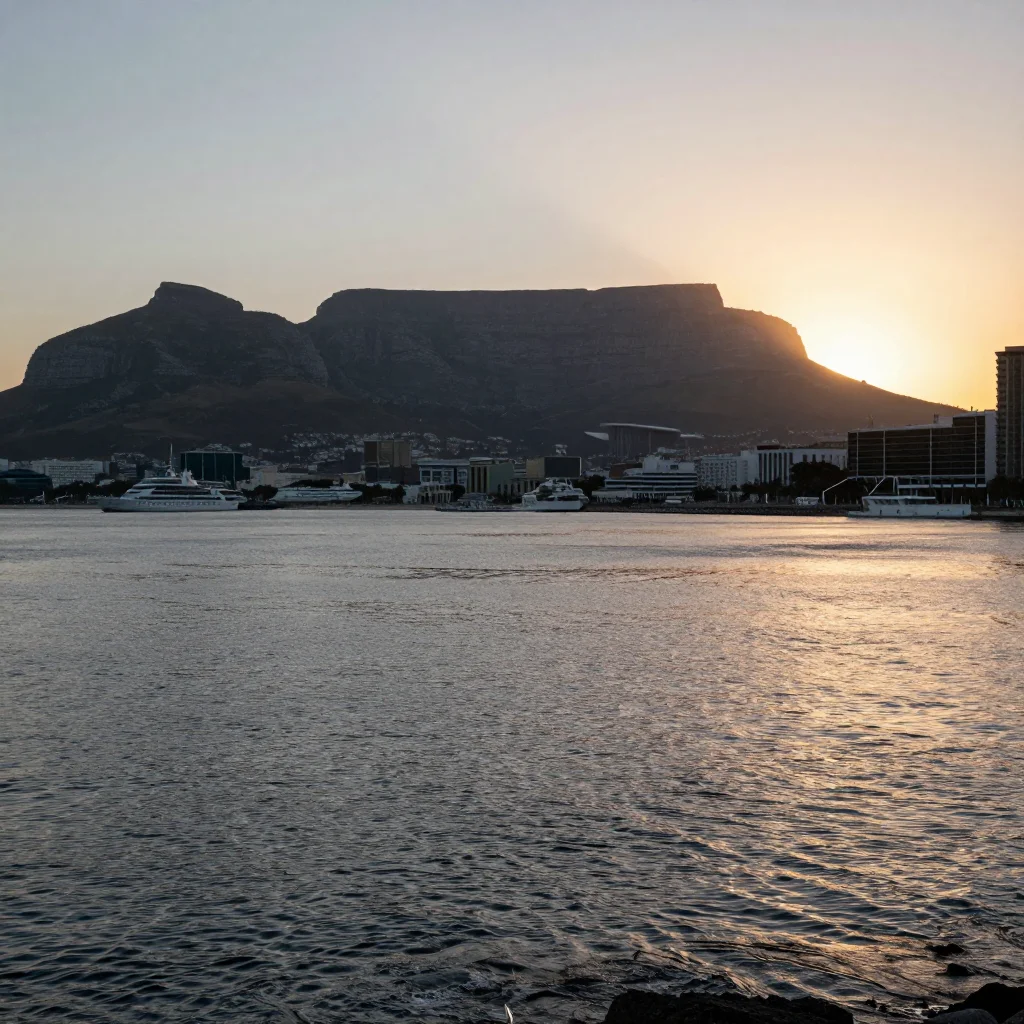
As South Africa's legislative capital and economic hub, Cape Town has remained relatively calm during this protest wave. Although the March and March Cape Town chapter marched to Parliament on June 13, the scale of demonstrations in Cape Town has been far smaller than in Johannesburg and Durban.

This is related to Cape Town's socio-economic structure. Cape Town is one of South Africa's most international cities, with a large foreign investor community and multicultural heritage. The Western Cape provincial government is relatively efficient in handling immigration and security issues, giving Cape Town greater resilience during periods of social unrest.

Short-Term Impact

The June 30 National Shutdown may cause short-term market hesitation, with some transactions potentially delayed. However, historical experience shows that the impact of such social movements on the property market is typically temporary and limited:

  • After the 2008 xenophobic riots (62 deaths), the South African property market returned to normal within 6 months
  • After the 2015 xenophobic wave, Cape Town high-end property prices hit new highs within 12 months
  • After the 2019 xenophobic incidents, the Cape Town market experienced only 2 months of transaction volume decline

Long-Term Outlook

From a long-term perspective, Cape Town's property market fundamentals remain solid:

  • Supply Constraints — Premium residential inventory in Cape Town remains tight, especially in high-end communities such as Durbanville, Constantia, and Stellenbosch
  • International Demand — Demand from remote workers, retirees, and investors from Europe and Asia continues to grow
  • Infrastructure — Cape Town continues infrastructure upgrades, including airport expansion, highway improvements, and new commercial district development
  • Safe-Haven Appeal — During periods of social unrest, high-end property is often viewed as a safe-haven asset, with capital potentially flowing from commercial areas to premium residential properties

Advice for Investors: Periods of social unrest often present good entry opportunities. Historical data shows that in the 6-12 months following xenophobic incidents in South Africa, Cape Town high-end property prices have risen an average of 5-8%. For investors with long-term holding plans, the current market hesitation period may offer negotiation leverage. The key is to choose reputable developers and law firms to ensure transaction security.

Conclusion: Opportunity in Crisis

The March and March movement reflects South Africa's deep socio-economic contradictions — high unemployment, wealth inequality, and inadequate public services. These issues will not be resolved in the short term, but South Africa's democratic institutions and legal framework have sufficient resilience to address such challenges.

For Taiwanese investors considering property in Cape Town, the key lies in distinguishing short-term volatility from long-term trends. Social movements may create temporary uncertainty, but Cape Town's status as one of Africa's most livable cities, its robust property rights legal system, and relatively reasonable property prices make it a premier investment target in the global real estate market.

As we have consistently emphasized: South African real estate investment is not a short-term play, but a decade-scale asset allocation strategy. Short-term social unrest should not shake confidence in Cape Town's long-term value.

Want to learn more about Cape Town property investment? Book a one-on-one consultation for the latest market analysis and curated asset recommendations.