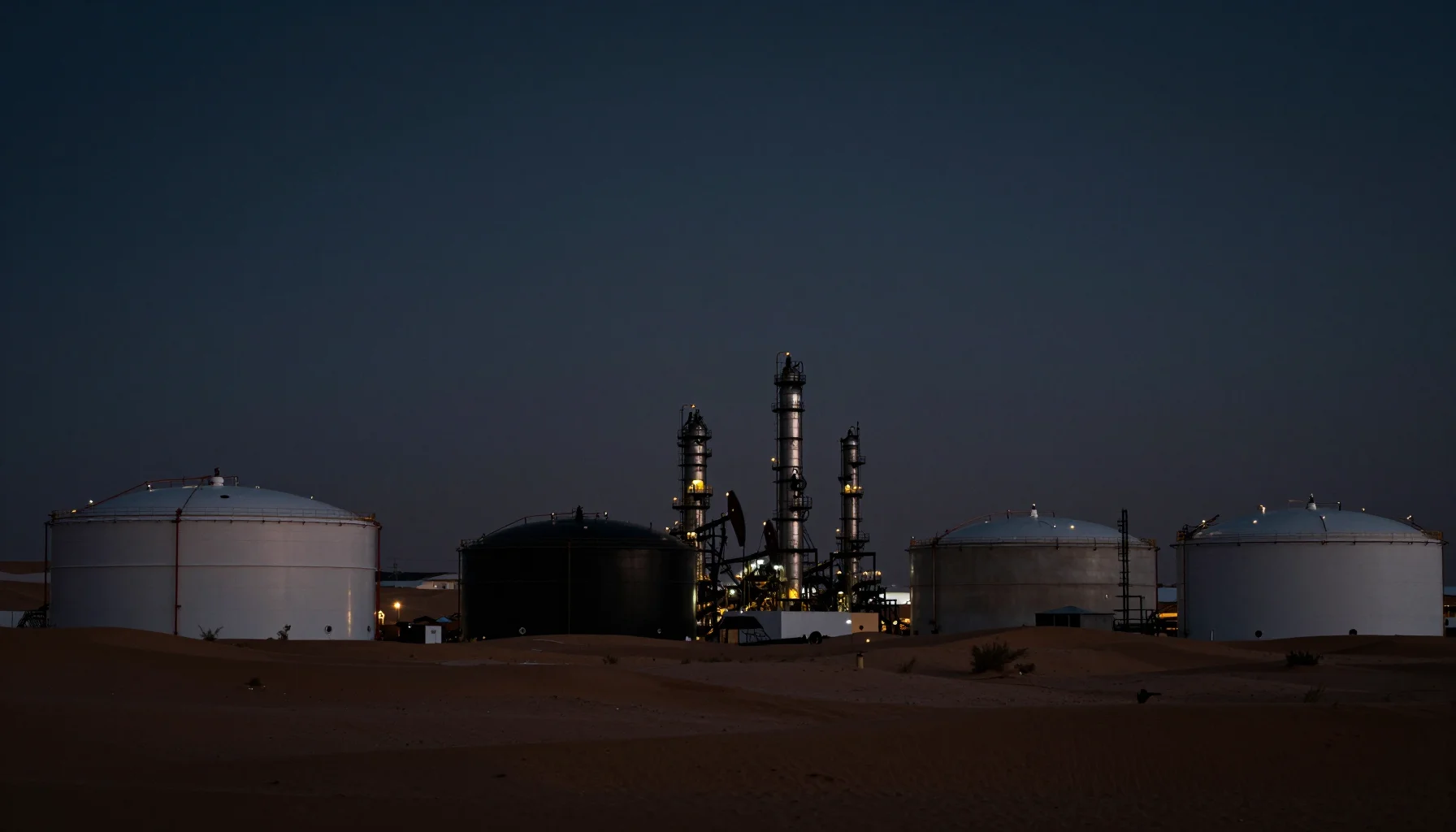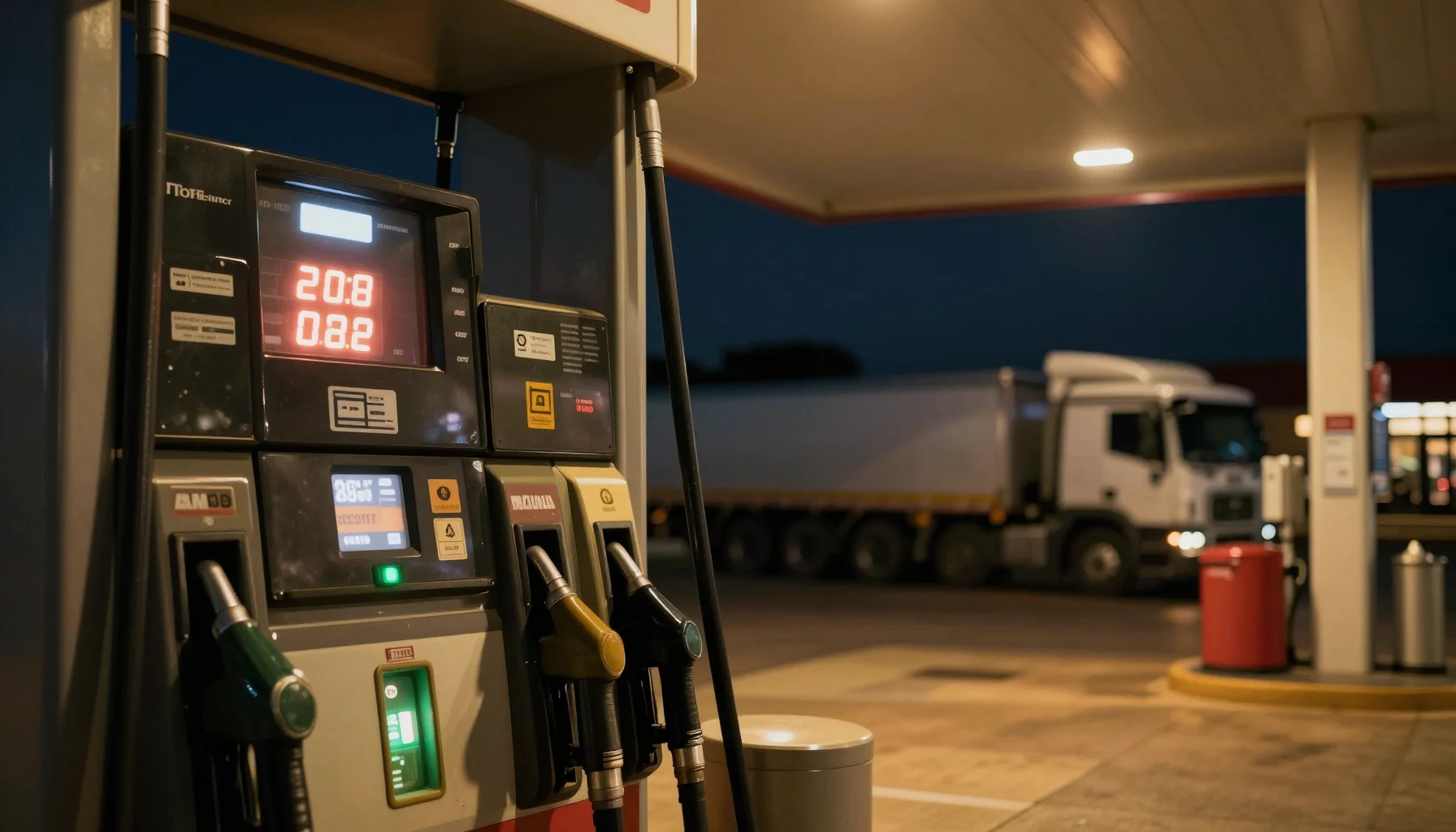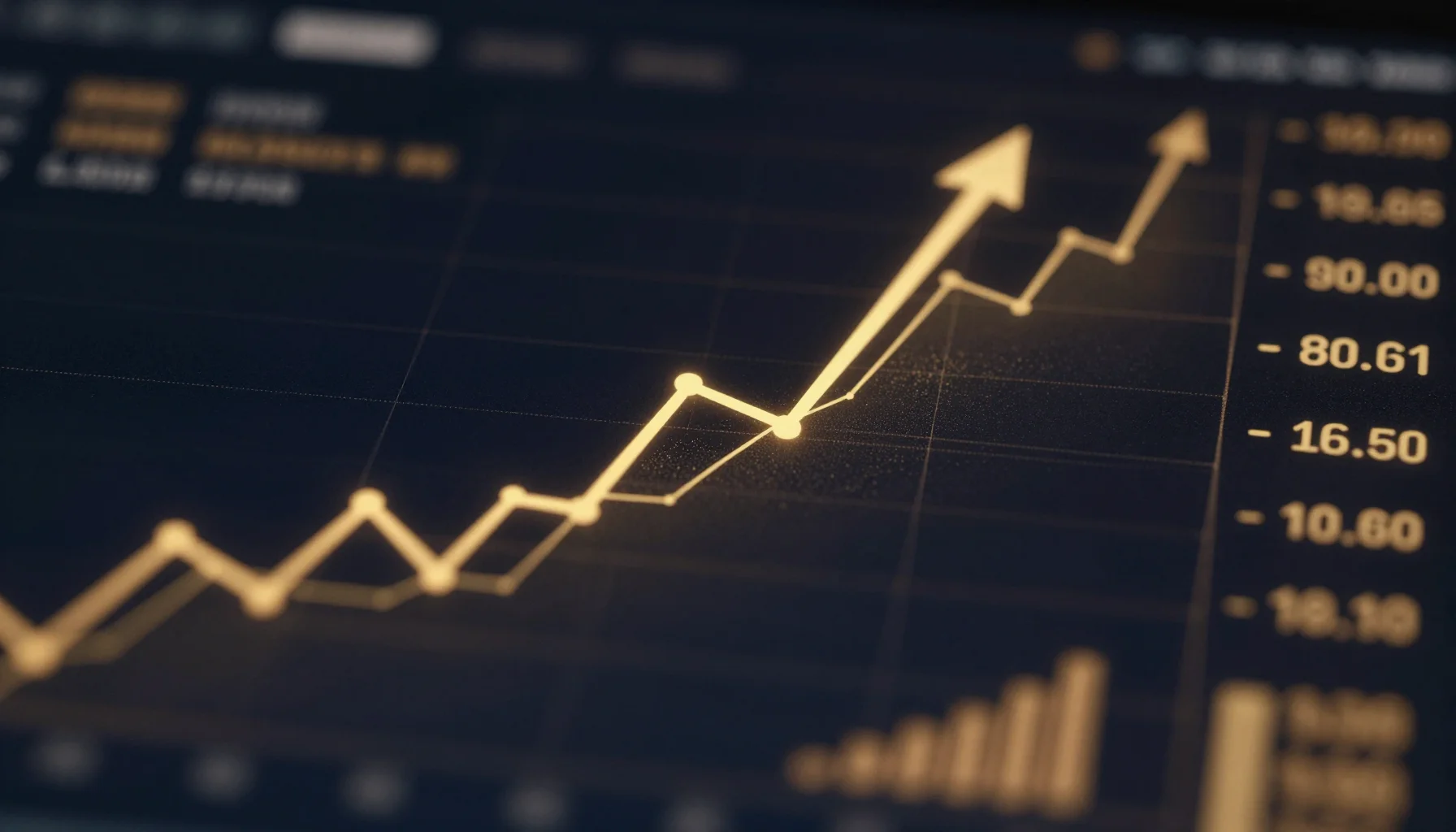
The US-Iran war has reignited after six months, sending oil prices surging again: WTI is up 11% this week to $92.92, and Brent settled at $97.33 (Boston Herald, Sep 3), with Brent touching a six-week high of $95.63 after Iranian strikes on Kuwaiti bases (Rio Times, Sep 2). For Taiwanese investors, this is not just a story about more expensive fuel — the full transmission chain of war → oil → inflation → rates → asset allocation is redefining what counts as a safe haven.
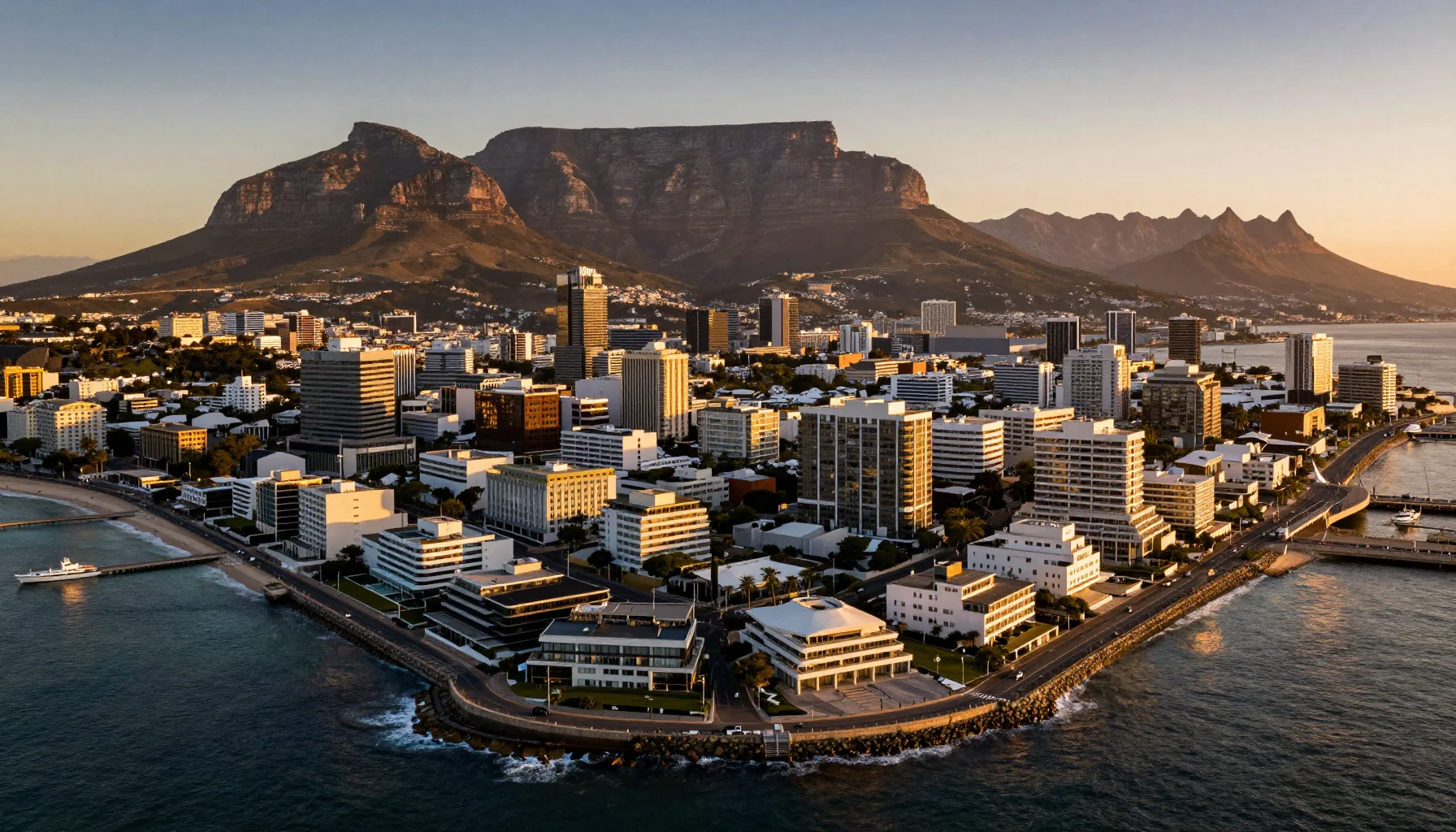
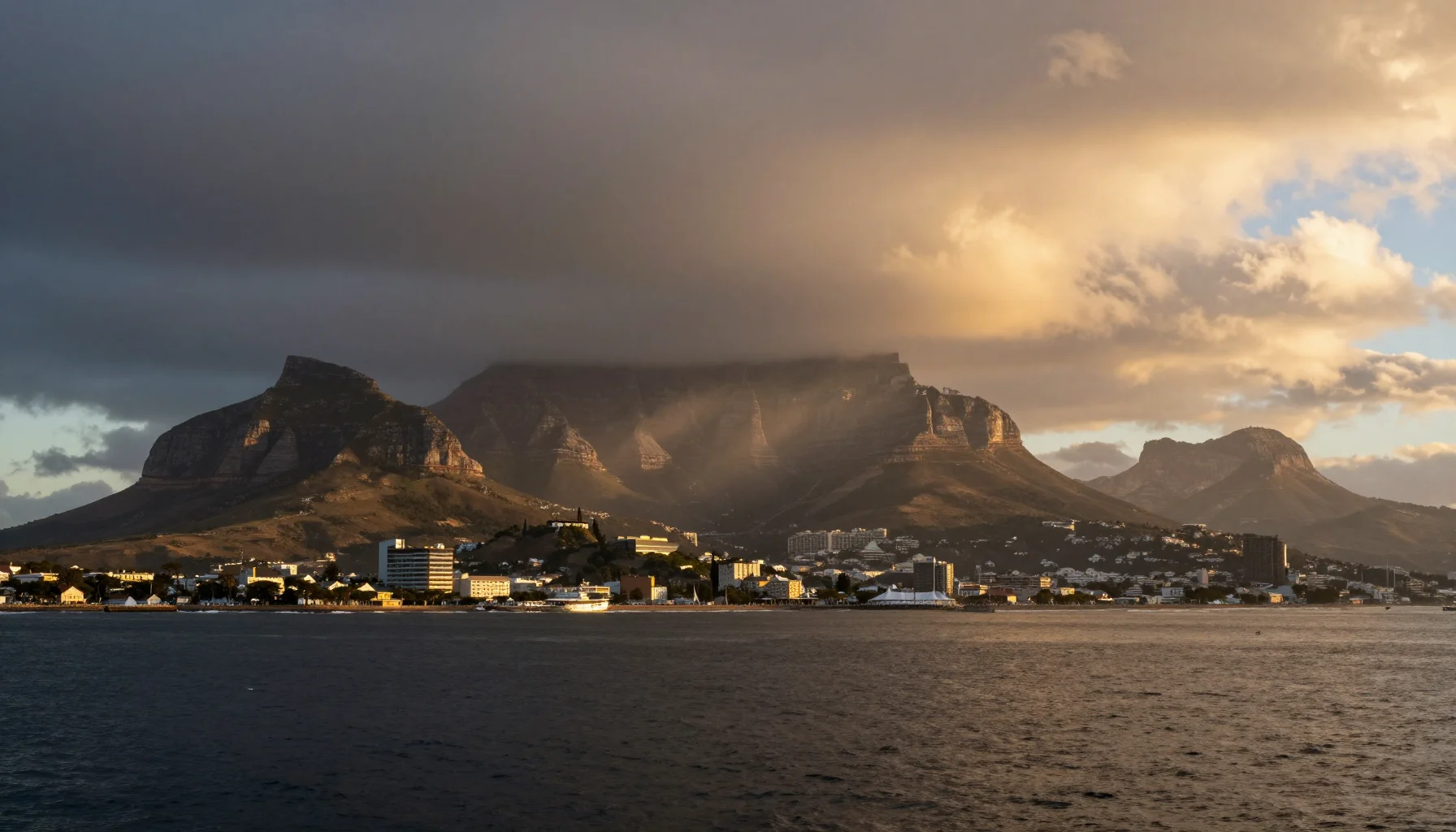
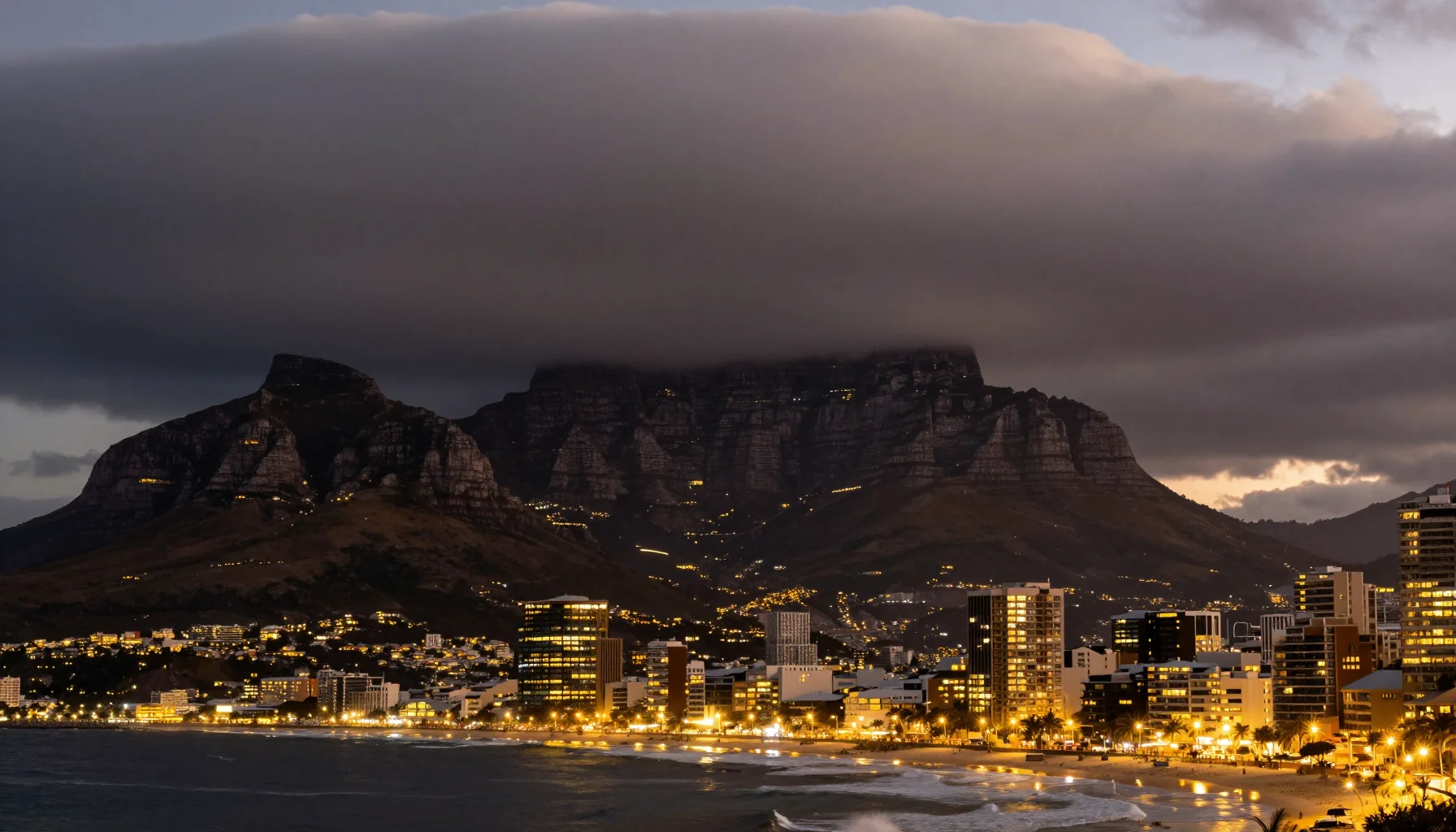
South Africa sits at a critical point in this chain: in the fuel adjustment effective 9/2, diesel crossed R30 per litre, adding to inflation and rate-hike risk; SARB will decide on 9/23 between cooling 4.3% inflation and global headwinds. In this environment, why does Cape Town property remain a safe haven? This article uses the war/oil story as the entry point, breaks down every link in the transmission chain, and offers positioning advice for Taiwanese investors.
Key Takeaway: Yes, it does. The US-Iran war escalation has pushed oil higher (WTI $92.92, Brent $97.33), and South African diesel price hikes add to inflation and rate-hike risk — but Cape Town property's safe-haven status is actually reinforced: Western Cape prices are forecast to grow 4-7% in 2026, rental yields run 7.5-11.4%, and foreign buyer demand keeps flowing in. Cash buyers, unaffected by rates, are the best strategy in this environment.