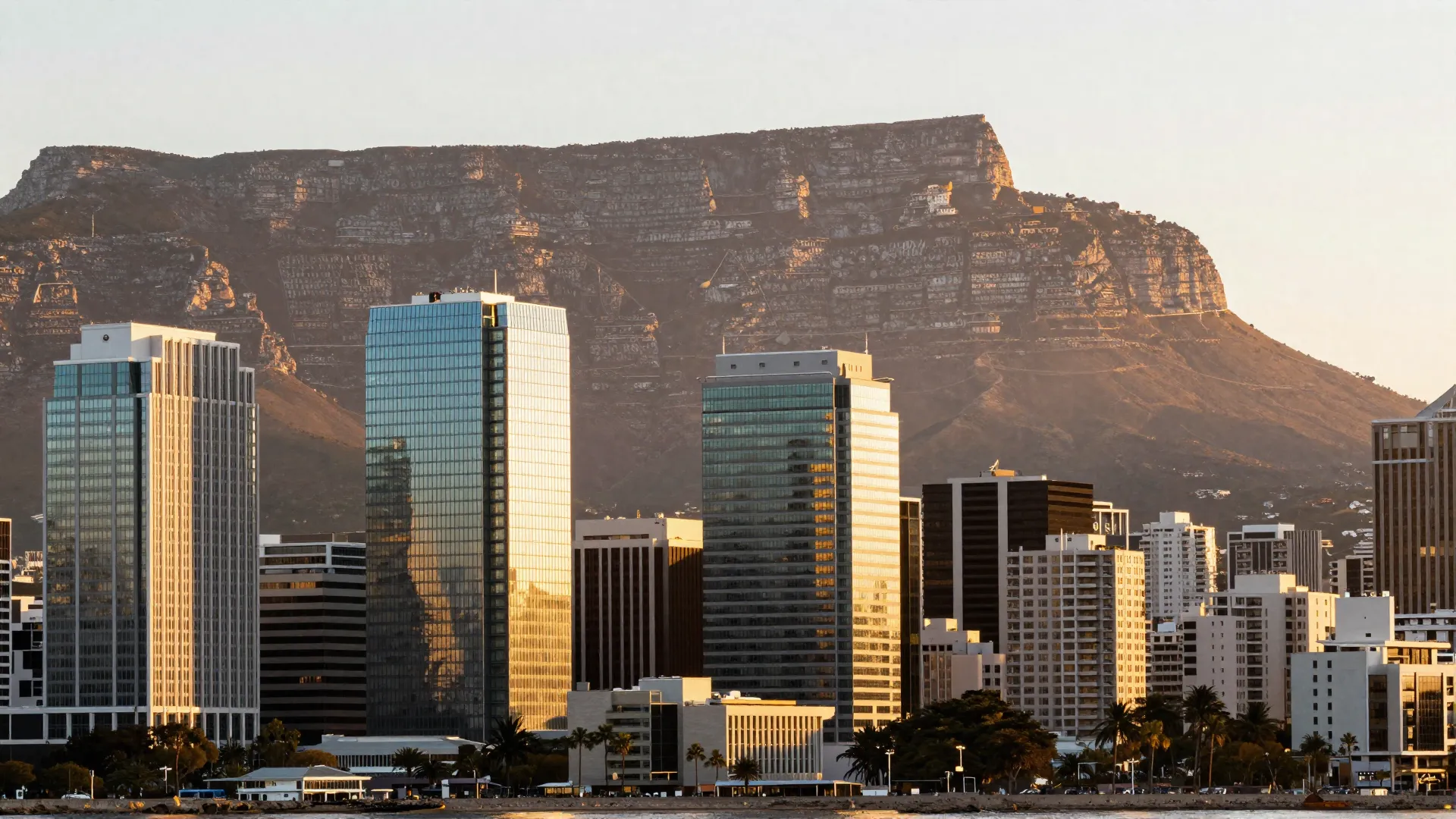
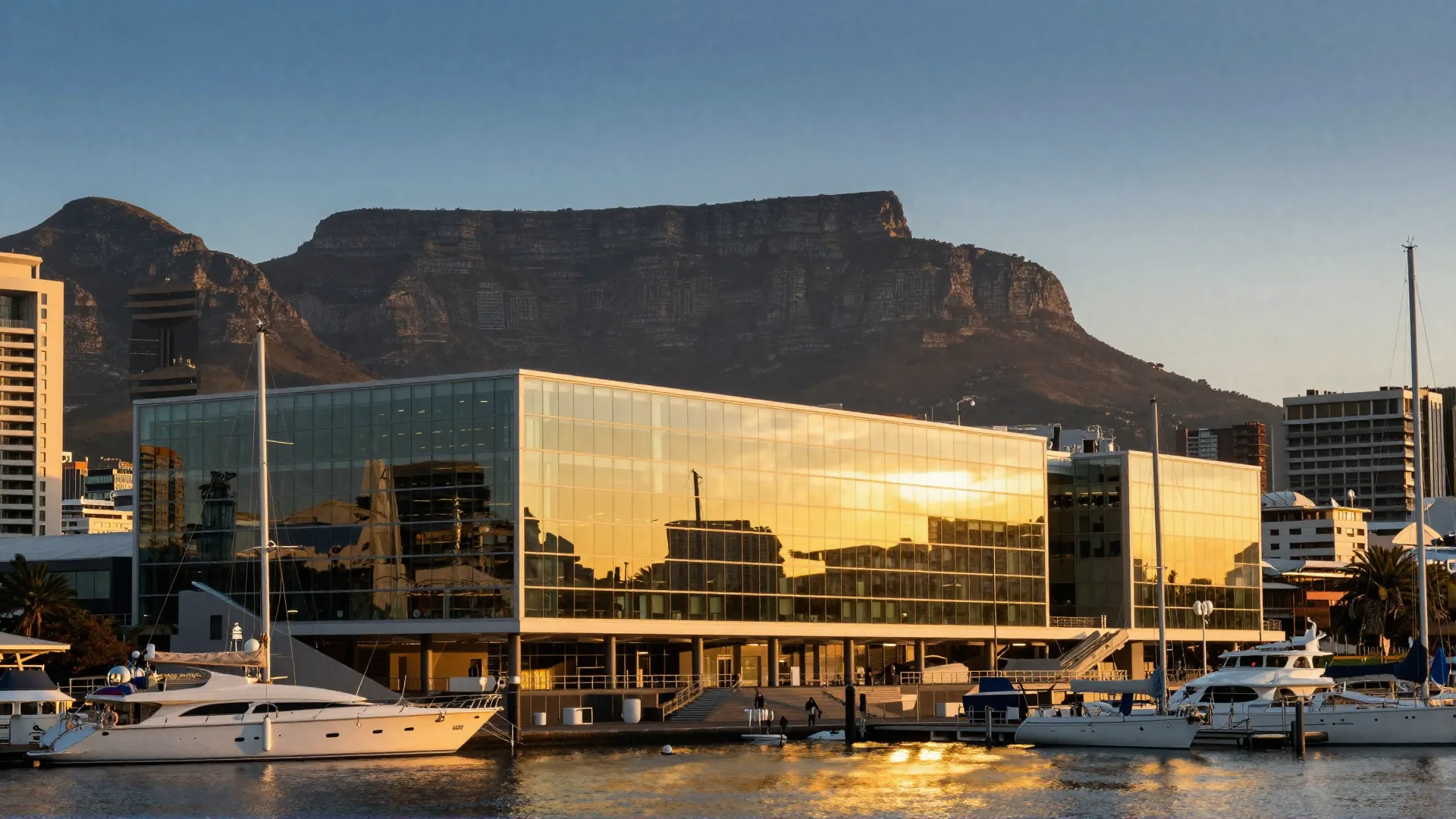
Imagine this: You're standing in a shared workspace along Cape Town's Sea Point promenade, the iconic Table Mountain silhouette framing your view of the Atlantic Ocean. On your laptop screen, your startup team is wrapping up a video call with London investors—the time zones aligning perfectly. After the meeting, you enjoy world-class quality of life at 70% lower rent than San Francisco.
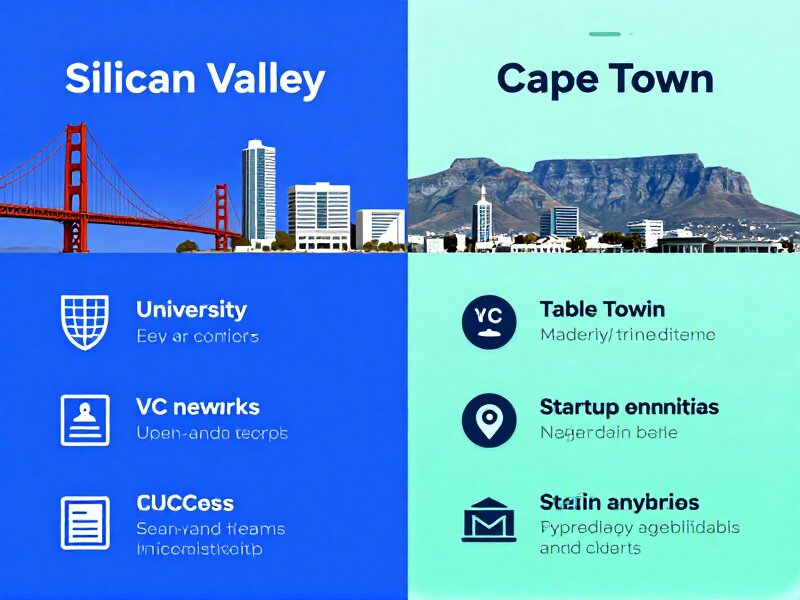
This isn't imagination. This is the reality unfolding in Cape Town right now.
According to the *Cape Technology and Innovation Ecosystem Report 2025*, Cape Town and the Western Cape have evolved into Africa's leading innovation ecosystem, home to hundreds of tech companies, tens of thousands of professionals, and continuously flowing international capital.
"While others are still reading South Africa's economic data, smart money has already found its entry ticket to Africa's Silicon Valley in Cape Town."
I. Cape Town vs South Africa: Why Cape Town Is the "Exception"
The Most Common Misconceptions
When international investors hear "South Africa," they often think of: power shortages, security concerns, economic slowdown. But Cape Town is South Africa's "exception"—a city with unique structural advantages.
| Metric | Cape Town | Johannesburg | South Africa National |
|---|---|---|---|
| Power Stability | Relatively stable, high solar adoption | Frequent load shedding | Nationwide challenges |
| Quality of Life Index | 159.34 (global leading) | Lower | Variable |
| Tech Company Concentration | Highest in South Africa | Financial center | Dispersed |
| International Talent Attraction | Strong (quality of life advantage) | Moderate | Outflow trend |
Cape Town's Structural Advantages
Cape Town's status as "South Africa's exception" stems from three structural advantages:
1. Infrastructure Leading the Nation
Cape Town boasts South Africa's most advanced digital infrastructure. High-speed fiber network coverage leads the nation, while coworking spaces like Workshop17 and Bandwidth Barn provide entrepreneurs with complete office environments. More importantly, Cape Town's adoption rate of solar and energy storage solutions far exceeds other South African cities, significantly reducing power instability risks.
2. Government Governance Effectiveness
The Western Cape provincial government and Cape Town city administration are known for efficient governance. According to Invest Cape Town reports, local government efficiency in business registration and licensing approval is notably better than other South African regions. This "predictable governance" is one of the factors international investors value most.
3. Industry Diversification
Cape Town's economic structure is diverse, spanning technology, financial services, green energy, advanced manufacturing, and creative industries. This diversification reduces single-industry risk and creates cross-sector collaboration opportunities—technology supporting logistics, green energy driving industry, creative industries enhancing global visibility.
II. Silicon Valley Parallels: Cape Town's Startup Ecosystem
The Birth of Silicon Cape
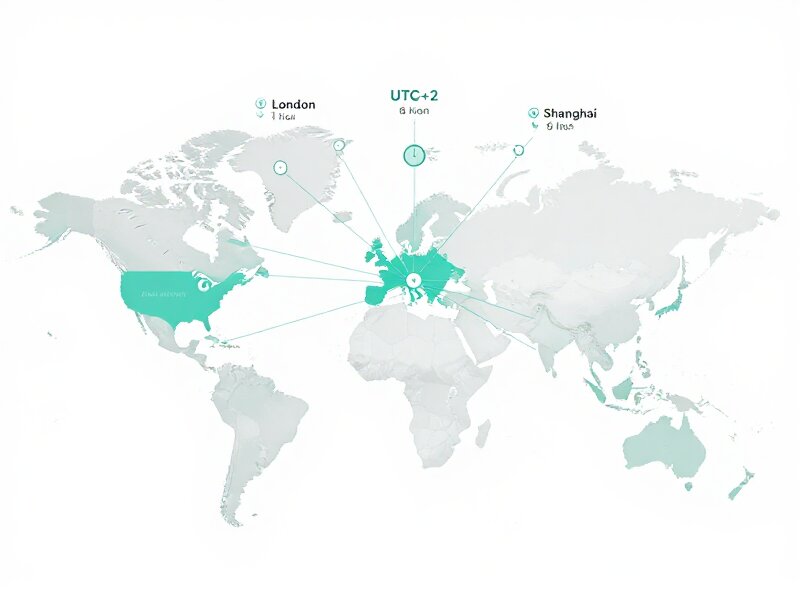
In 2009, South African entrepreneurs Vinny Lingham and Justin Stanford founded the "Silicon Cape Initiative," first proposing Cape Town's vision as "Africa's Silicon Valley." This wasn't simple brand imitation, but an accurate description of Cape Town's entrepreneurial ecosystem.
| Element | Silicon Valley | Cape Town |
|---|---|---|
| Talent Concentration | Stanford, Berkeley | UCT, Stellenbosch University |
| VC Network | Sand Hill Road | Highest VC density in South Africa |
| Startup Community | Y Combinator, etc. | Bandwidth Barn, Workshop17 |
| Success Stories | Google, Apple | JUMO, Yoco, Aerobotics |
| Quality of Life | High (but extremely costly) | High (relatively affordable) |
Success Stories: From Cape Town to the World
Cape Town has nurtured multiple international-class tech companies:
- 1 JUMO: Fintech unicorn serving over 15 million users across Africa and Asia
- 2 Yoco: Mobile payment platform serving over 150,000 small merchants
- 3 Aerobotics: Agtech company using AI to analyze drone data for global fruit farmers
- 4 GetSmarter: Online education platform acquired by 2U for over $100 million
- 5 SweepSouth: Home services platform dubbed "Africa's TaskRabbit"
These companies share a common trait: they started in Cape Town and expanded to global markets.
Venture Capital Continues to Flow
According to the *Cape Technology and Innovation Ecosystem Report 2025*, Cape Town has the highest venture capital density in South Africa. From seed rounds to Series A, entrepreneurs can find a complete funding chain in Cape Town. More importantly, many local investors maintain close connections with international markets, building bridges for startups to access global capital.
III. Cape Town's Unique Advantages: Why Choose Cape Town
Time Zone Advantage: Seamless Alignment with Europe and Americas
Cape Town sits at UTC+2, granting it unique business advantages:
Time zone overlap with Europe:
- Cape Town 9:00 AM = London 8:00 AM (perfect alignment)
- Cape Town 3:00 PM = European standard working hours
Time zone connection with US East Coast:
- Cape Town 4:00 PM = New York 9:00 AM
- Suitable for evening meetings or asynchronous collaboration
This means Cape Town teams can simultaneously serve European and American markets without sacrificing work-life balance. This is an advantage Nairobi (UTC+3) and Lagos (UTC+1) cannot match.
Cost of Living: Extending Startup Runway
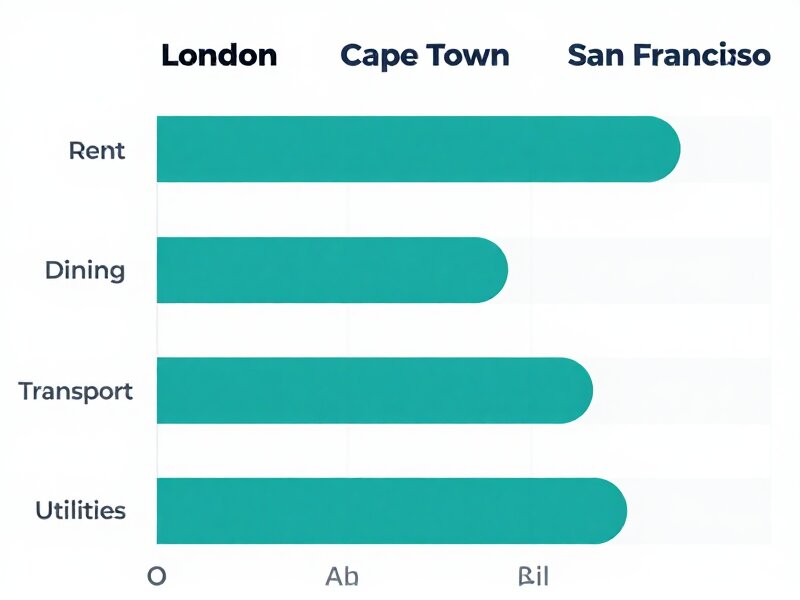
According to Numbeo 2025 data, Cape Town's cost of living is 55.7% lower than London, with rent 70.5% lower. For early-stage startups, this means longer runways:
| Expense Item | London | Cape Town | Savings |
|---|---|---|---|
| 1-Bed Apartment (city center) | £2,350 | £662 | 71.8% |
| Single Restaurant Meal | £20 | £8.80 | 56% |
| Monthly Transport Pass | £171 | £21.5 | 87% |
| Basic Utilities | £250 | £95 | 62% |
"In San Francisco, a $1 million seed round supports a team for 12 months. In Cape Town, the same funding can last 24-30 months." — This is the shared recognition of many entrepreneurs choosing Cape Town.
Quality of Life: Talent Magnet
Cape Town's Quality of Life Index reaches 159.34, far exceeding many international cities. This isn't an empty number but real lived experience:
- Natural Beauty: Table Mountain, penguin beaches, wine estates surround the city
- Pleasant Climate: Mediterranean climate with over 3,000 hours of sunshine annually
- Cultural Vibrancy: International cuisine, art galleries, music festivals
- Outdoor Activities: Surfing, hiking, wine tasting
For remote workers or digital nomads, Cape Town offers a "have it all" choice. Many international teams find offering "Cape Town work months" as a benefit attracts talent better than salary increases.
IV. Tech Giants' Choice: Why Amazon and Microsoft Are in Cape Town
Amazon: Behind the R5.9 Billion Investment
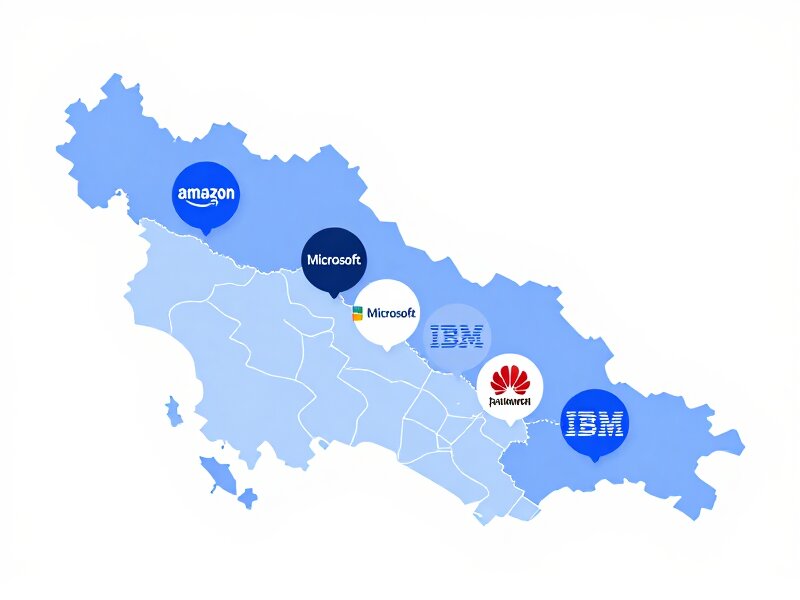
Amazon has been present in Cape Town since 2005, with cumulative investments exceeding R5.9 billion (approximately $300 million), launching 11 FDI projects focused on cloud services and R&D.
Why Cape Town?
- Abundant English talent: UCT and Stellenbosch University produce large numbers of STEM graduates annually
- Cost structure advantage: R&D costs 50-60% lower than Europe
- Time zone alignment with Europe: Seamless service for European customers
- Quality of life: Helps attract and retain international talent
Microsoft: Expanding South African Presence
Microsoft's Cape Town investments are equally substantial, covering cloud infrastructure and AI R&D. Huawei invested R2.55 billion in data centers serving African and European markets.
Other Tech Giants' Cape Town Presence:
| Company | Investment Amount | Sector |
|---|---|---|
| IBM | R324 million | Telecom development center |
| Johnson & Johnson | R800 million | Global health research center |
| Hisense | R1.9 billion | Manufacturing |
| GlaxoSmithKline | R523 million | Pharmaceutical R&D |
These investments aren't charity but rational choices based on business logic. Cape Town offers a unique combination of "global connectivity + local costs + high quality of life."

V. Implications for Investors: How to Capture Cape Town Opportunities
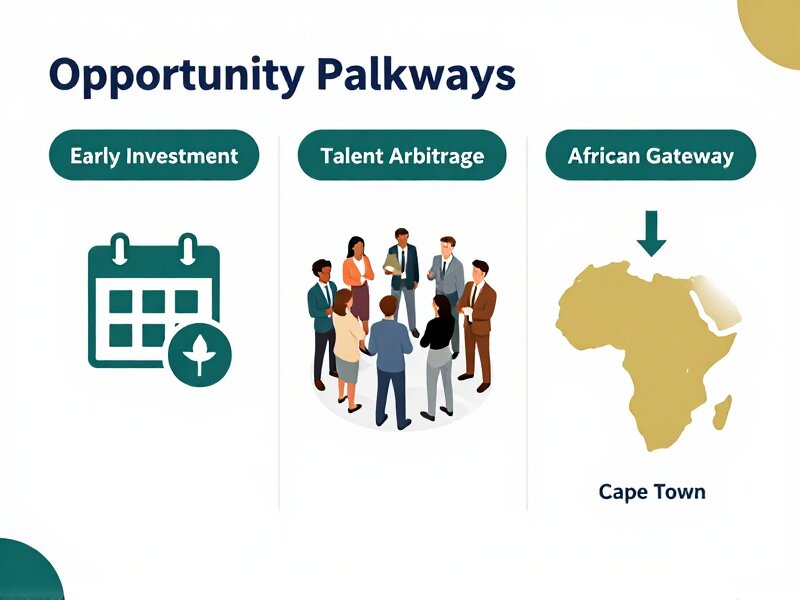
Opportunity 1: Early Investment Time Window
Cape Town's startup ecosystem is still in growth phase with reasonable valuations. Compared to Silicon Valley or London, the same technical team in Cape Town might be valued at one-third to one-half. This means higher potential investment returns.
Investment Strategies:
- Follow local accelerators and incubator Demo Days
- Connect with Silicon Cape Initiative for latest startup information
- Consider co-investment opportunities with local VC funds
Opportunity 2: Talent Arbitrage
South African developers rank first in technical capability in Africa, but salary costs are far lower than Europe and America.
| Experience Level | Cape Town | London | US West Coast |
|---|---|---|---|
| Junior Developer | ~$30,000 | ~$50,000 | ~$80,000 |
| Senior Developer | ~$60,000 | ~$100,000 | ~$150,000 |
| Tech Director | ~$90,000 | ~$150,000 | ~$200,000 |
For companies needing to expand R&D teams, Cape Town offers a "quality without compromise, costs halved" choice.
Opportunity 3: Gateway to African Markets
Cape Town is not only South Africa's tech center but also a gateway to the African continent. Many Cape Town startups use South Africa as a base, gradually expanding to Nigeria, Kenya, Ghana, and other markets.
Why Cape Town as a Springboard?
- Relatively mature legal and regulatory environment
- Complete financial infrastructure (banking, payments, insurance)
- International flights connecting major African cities
- As a "testing ground" to validate business models before replicating in other African markets
Risks and Responses
Risk 1: South African Macroeconomic Volatility
- Response: Dollar-denominated revenues to reduce ZAR exchange rate risk
Risk 2: Talent Drain
- Response: Offer competitive salaries and remote work opportunities
Risk 3: Infrastructure Challenges
- Response: Choose coworking spaces or business parks with backup power
VI. Why You Need DingYao Advisory
Information Asymmetry Is the Biggest Cost
Cape Town's opportunities are real, but so are the entry barriers. South Africa's legal environment, tax regulations, exchange controls, and BEE (Black Economic Empowerment) policies are all complex issues international investors must navigate.
Just as I knew "true cost structures" in 2008, DingYao Advisory knows every detail of South African investment:
- Which Cape Town areas are suitable for establishing offices?
- How to legally optimize South African tax structures?
- What impact does BEE policy have on foreign enterprises?
- What are the business culture differences between Cape Town and Johannesburg?
- How to recruit and retain top South African talent?
DingYao's Value
- Years of Local Presence: Cape Town and Johannesburg dual-city network
- Success Case Witness: Assisted multiple international enterprises entering South African market
- One-Stop Service: From company establishment, talent recruitment, tax planning to business expansion
Schedule Your Free Consultation
Let DingYao Advisory help you seize Cape Town's investment opportunities.
Book Consultation →Frequently Asked Questions
Related Reading
References & Data Sources
- Western Cape Government — Cape Technology and Innovation Ecosystem Report 2025
- Invest Cape Town — Top International Companies Have Invested Here
- Silicon Africa — 5 Cities That Can Be Called Silicon Valley in Africa in 2026
- Numbeo — Cost of Living Comparison 2025
- Silicon Cape Initiative — About Silicon Cape
- OfferZen — Developer Salaries 2023: Cape Town vs. Johannesburg
Leo Pan
CEO, DingYao Advisory
Leo Pan is the founder and CEO of DingYao Advisory, with long-standing focus on technology development and investment opportunities in Africa's emerging markets. He has researched South Africa's business environment for years, assisting multiple international enterprises in evaluating strategies and pathways for entering African markets. Leo frequently travels between Cape Town and Johannesburg, with first-hand observations and insights into South Africa's tech ecosystem.