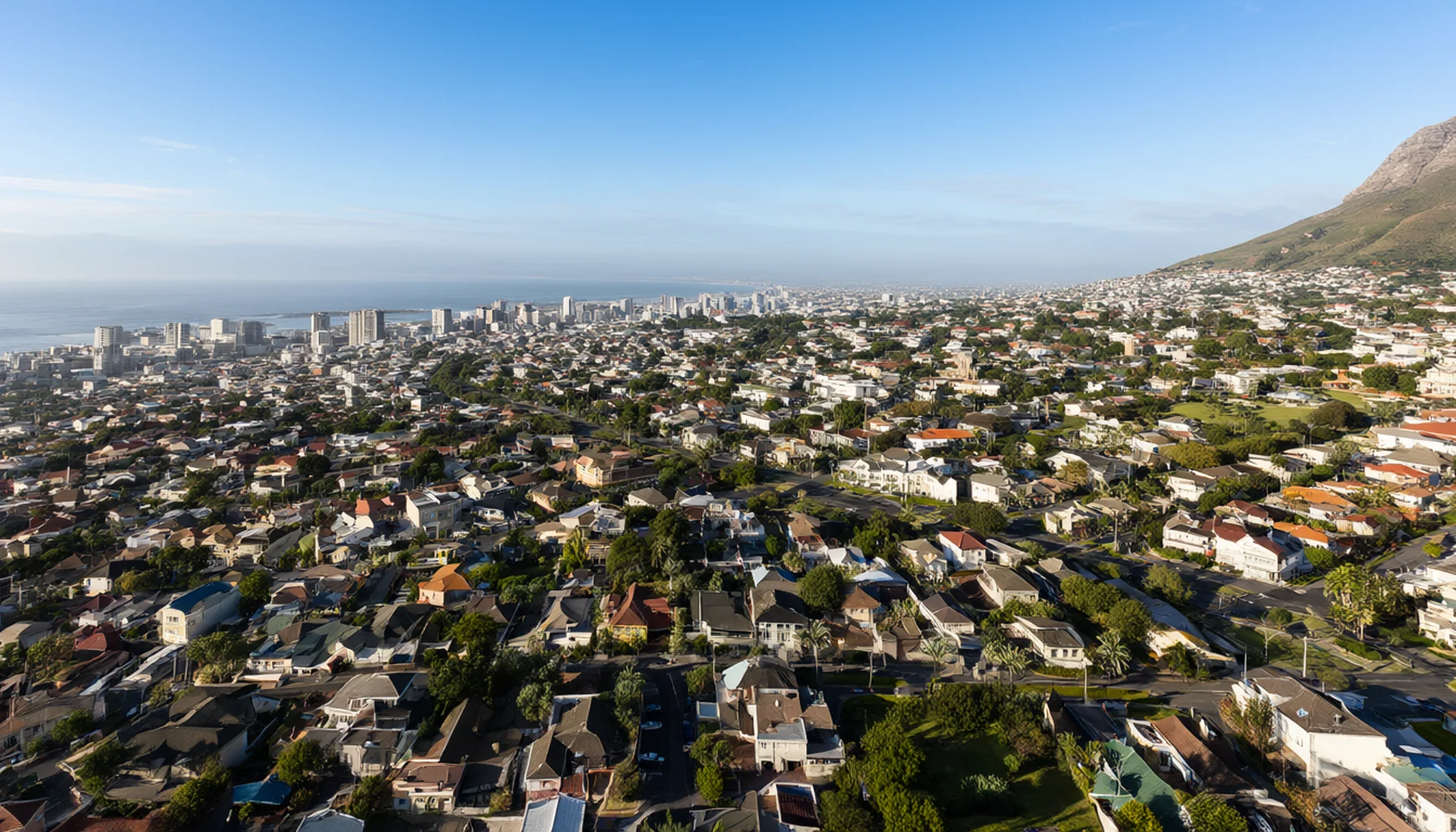
In September 2026, UK podcaster Steven Bartlett listed his Bishopscourt estate in Cape Town at R189,000,000, having reportedly bought it for R93,300,000 in 2024 (Source: SA People, 2026-09-28; REI.co.za, 2026-09-28). The headlines focus on the doubling. For a foreign seller, the number that matters is different: on completion, the purchaser is legally required to withhold R14,175,000 and pay it to SARS — and the 7.5% is charged on the full purchase price, not on the profit.
That is section 35A of the Income Tax Act. It never appears on the day you buy in Cape Town; it only appears on the day you sell. So most foreign buyers never model it at entry. For anyone selling property in South Africa as a non-resident, this article sets out the four exit costs of a Cape Town sale: how the withholding is calculated, how an NR03 directive can reduce it, what the 21 business days actually measure, and how the proceeds leave South Africa.
Direct answer: Yes. When a non-resident disposes of South African immovable property for more than R2,000,000 in aggregate, the purchaser must withhold 7.5% (natural person), 10% (company) or 15% (trust) of the full purchase price, and pay SARS within 14 days of withholding (28 days if the purchaser is itself a non-resident). NR03 is the seller's application for a reduced or zero rate; SARS generally processes it within 21 business days — that is processing time, not the payment deadline. The amount withheld is an advance against normal tax, not the final liability. Repatriation of property proceeds falls under BoP category 510 01.