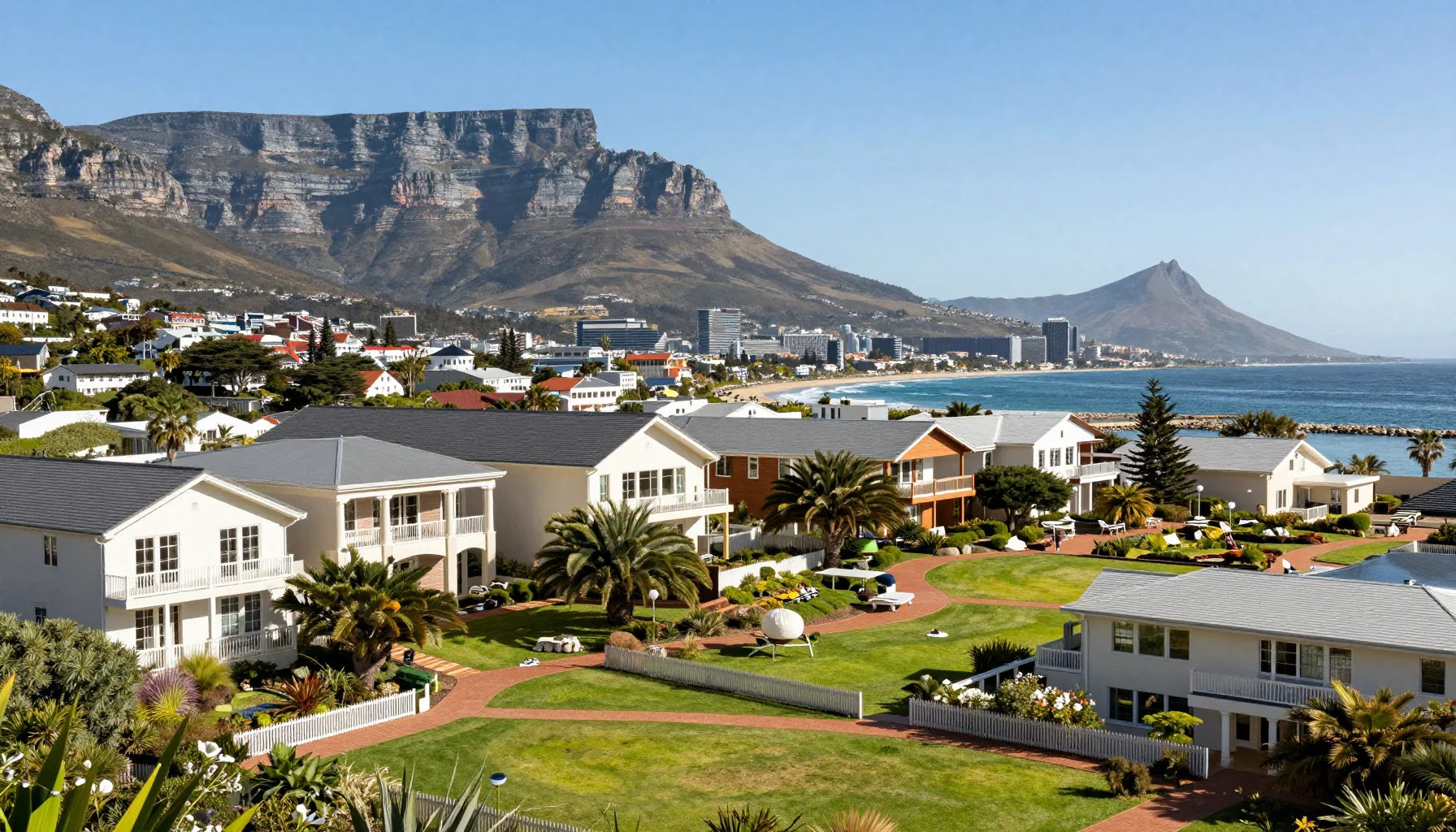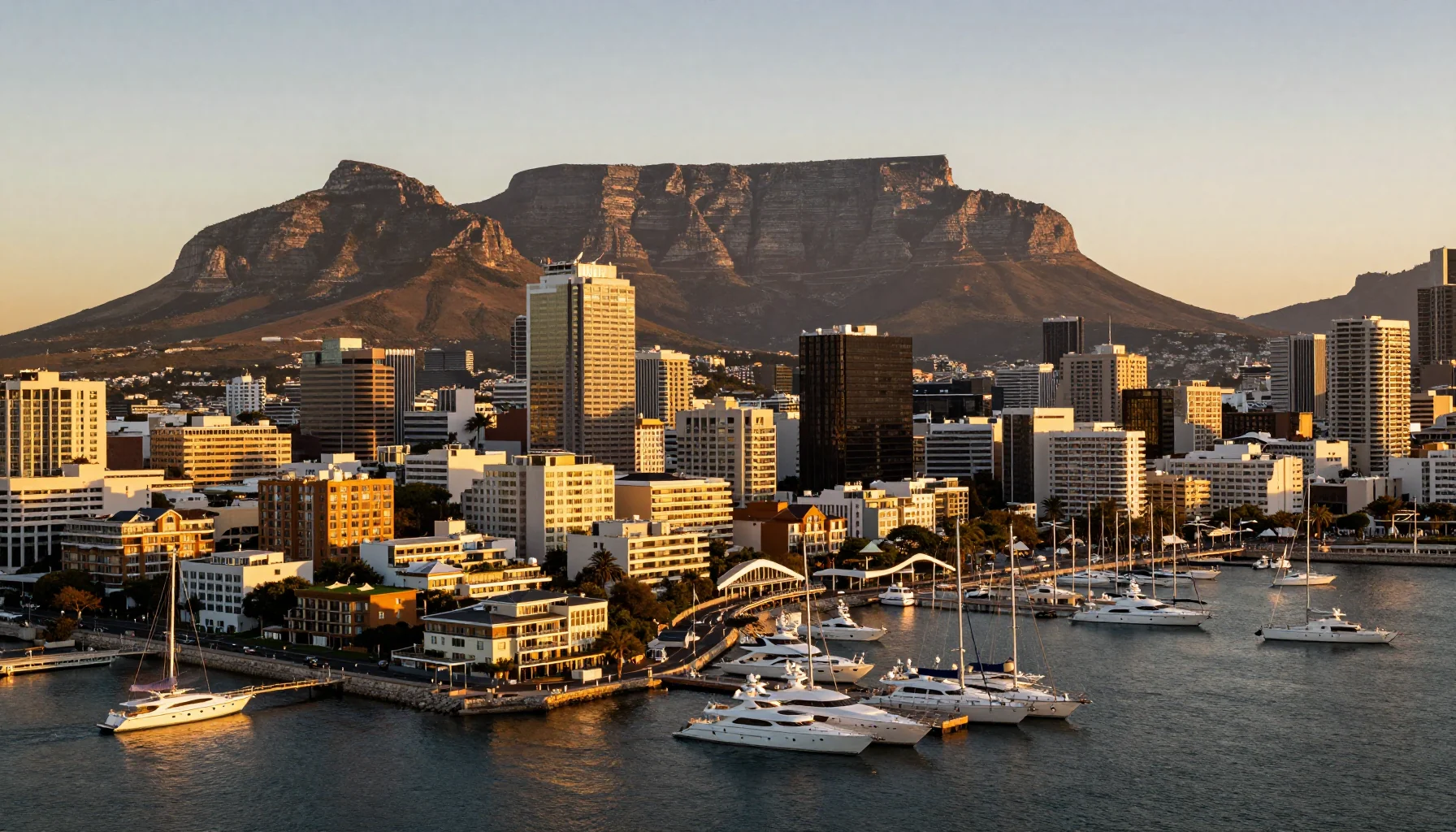
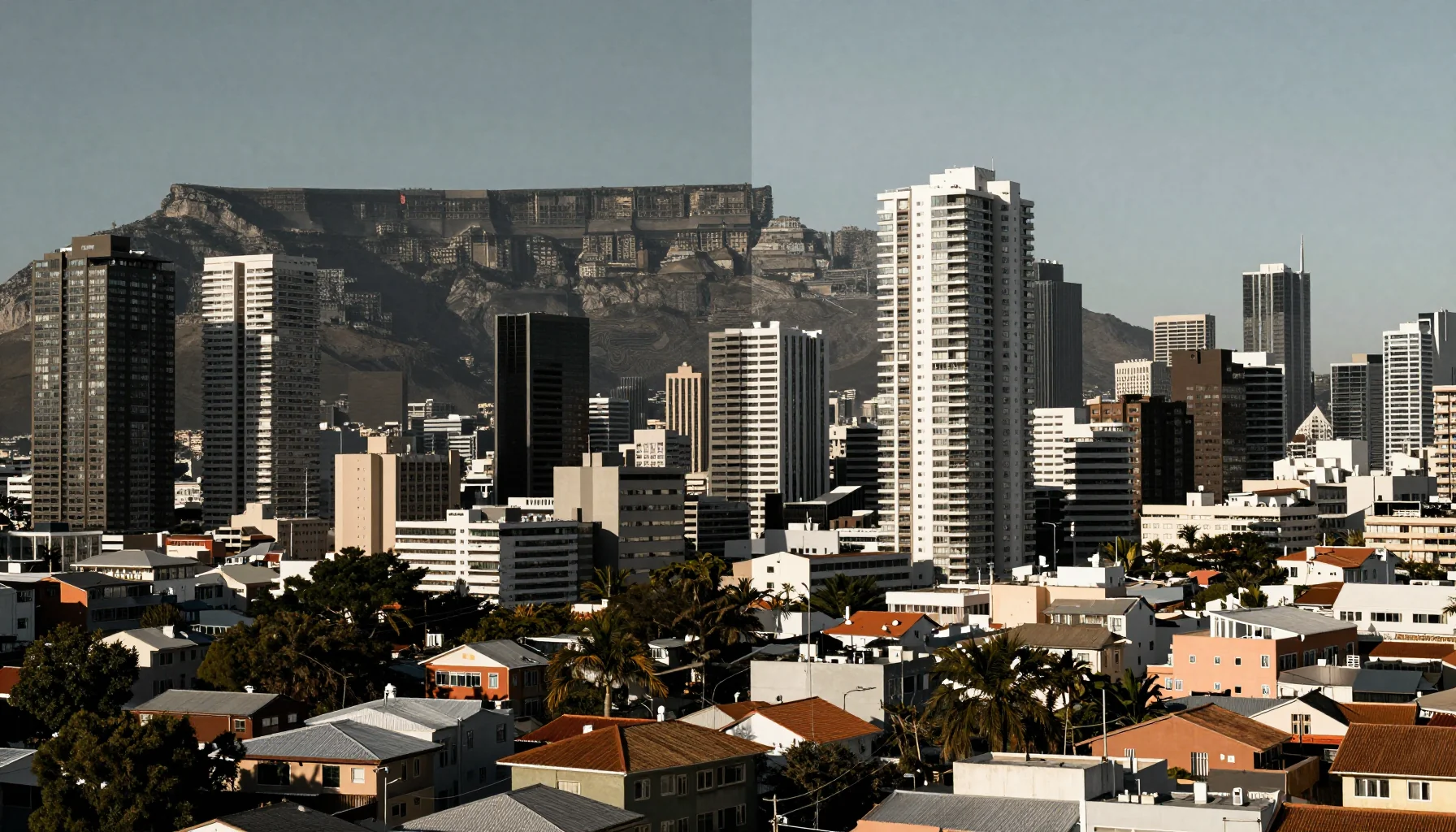
Cape Town skyline with Table Mountain, visualising the global appeal of Africa's most international city

Cape Town: Africa's Most International City! Why Global Investors and Companies Choose to Settle — How Taiwan Investors Can Ride the Trend

"Cape Town is known as Africa's most international city." This is not a slogan, but a condensed reflection of a real trend. This week the hottest story in the South African property market is foreign buyers flooding Cape Town's sea-view premium segment: a UK buyer paid a record R15.9m for the penthouse at The Marlow on Mill in Newlands (briefly.co.za 8/30), foreigners control up to 1/3 of the Atlantic Seaboard market (R6bn of transactions), and a Hout Bay boutique estate is listed at R100m+ (MSN 8/30).

For Taiwan investors this is not an irrelevant international news item, but an important signal that "Cape Town, as Africa's most international city, is having its property value repriced by global capital." Global investors, companies, retirees and students all choose to settle in Cape Town, driven by a multi-dimensional appeal spanning quality of life, international schools, business relocations and foreign-buyer demand. Understanding why Cape Town is international and how Taiwan investors can ride the wave is the key to capturing this trend.

Key takeaway: Worth riding. Cape Town is Africa's most international city, combining top-tier quality of life, international schools and a thriving foreign-buyer trend. A UK buyer paid R15.9m for a record Newlands penthouse, foreigners control 1/3 of Atlantic Seaboard (R6bn), and a Hout Bay boutique estate lists at R100m+. Global investors, companies and retirees all choose to settle here. Consult DingYao today to plan a Cape Town property + lifestyle + residency advisory plan.
Why Is Cape Town Africa's Most International City? Four Dimensions of Appeal

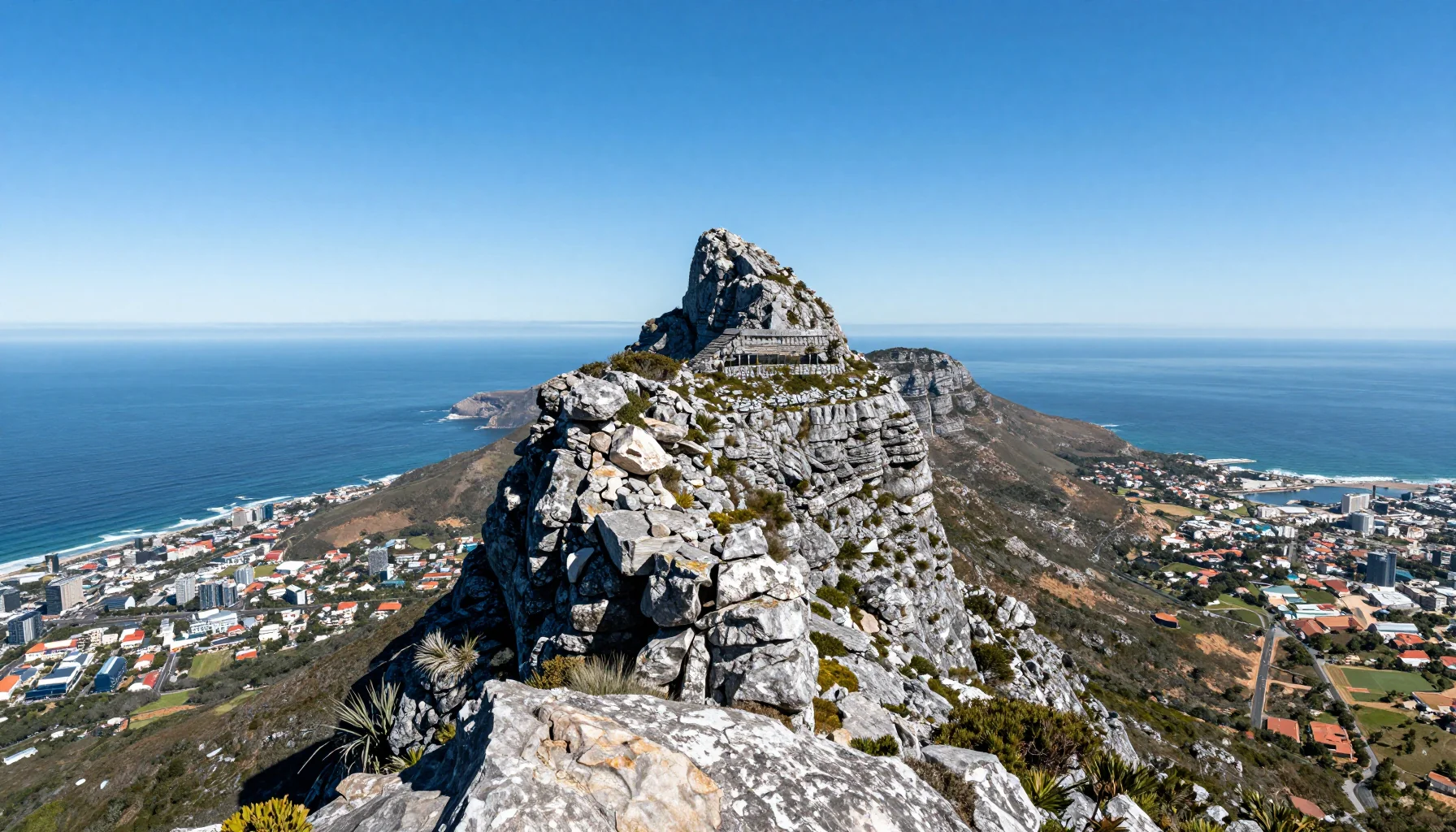
Cape Town's reputation as Africa's most international city is far from a single cause — it weaves together a dramatic natural setting + top-tier quality of life + dense international resources + strong foreign-demand. Start with geography: it sits beneath Table Mountain, one of the world's seven natural wonders, facing a coastline where two oceans meet, with a Mediterranean climate — dry warm summers, mild winters, a genuine "weather haven."

But what truly sets Cape Town apart from other African cities is its international infrastructure. Dense international schools serve the education needs of cross-border families, well-developed premium healthcare and services support retirement living, and a growing community of businesses and tech talent has turned the city into "Africa's Silicon Cape." These four attractions give global investors, multinationals, retirees and students each a reason to make Cape Town home.

Natural Setting

Table Mountain, two-ocean coastline, Mediterranean climate — a world-class blend of scenery and weather.

International Schools

Dense international schools serve cross-border families, with one of Africa's highest densities.

Business Hub

"Africa's Silicon Cape" draws tech talent; multinationals and startups grow roots here.

Foreign Demand

Global investors and foreign buyers pour in; 1/3 of Atlantic Seaboard deals come from foreigners.

Key insight: Cape Town's internationalisation is the combined result of four attractions — natural setting, quality of life, international resources and foreign demand. Backed by Table Mountain and facing two oceans, with dense international schools and business growth, it draws global investors, companies, retirees and students alike — the very definition of Africa's most international city.

"Cape Town doesn't attract people through a single advantage; it layers natural scenery, quality of life, education resources and capital demand together. It is at once a retirement paradise, a business hub and a haven for global investors — that multi-dimensional appeal is what defines it as Africa's most international city." — Scott Huang, CEO, DingYao Advisory

Why Do Global Investors and Companies Settle in Cape Town? A Foreign-Buyer Data Look

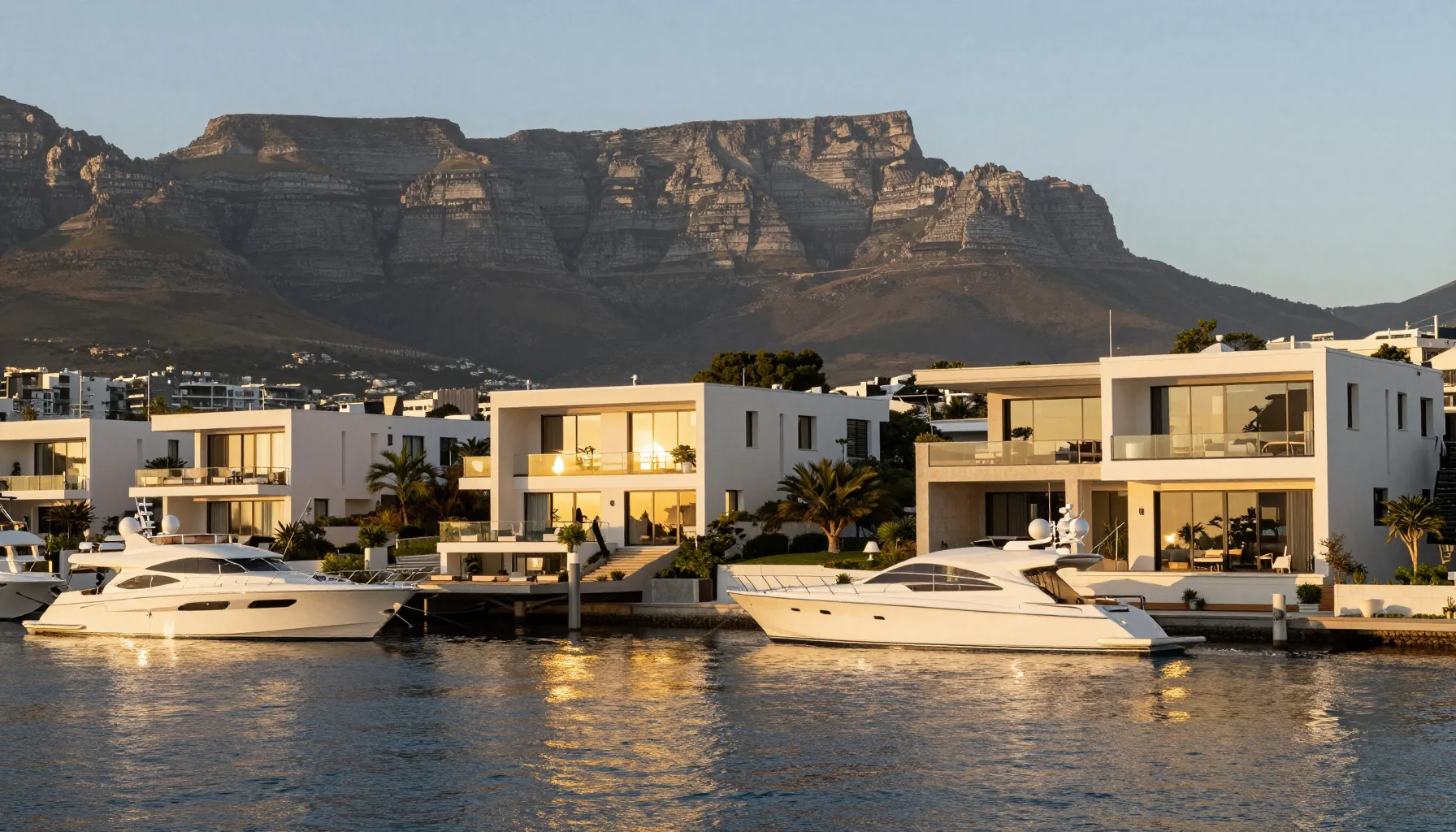
The most direct evidence of Cape Town's internationalisation is the active flow of foreign buyers into sea-view premium properties. Based on this week's data: a UK buyer paid R15.9m for the penthouse at The Marlow on Mill in Newlands, setting a record (briefly.co.za 8/30, described as "Locals Are Spectators"); foreigners control 1/3 of the Atlantic Seaboard market (1/3 of R6bn of transactions bought by foreigners, per Berman Brothers CEO Paul Berman via MSN); and a Hout Bay boutique estate is listed at R100m+ (MSN 8/30).

Area/Asset Foreign Buyer Activity Representative Deal/Data
Newlands (Marlow on Mill) UK high-net-worth buyer R15.9m penthouse sets record (briefly.co.za 8/30)
Atlantic Seaboard premium market Foreigners control 1/3 of market 1/3 of R6bn of transactions from foreigners (Berman Brothers)
Hout Bay boutique estate High-net-worth listing R100m+ boutique estate for sale (MSN 8/30)

These figures reveal an important message: foreign buyers target Cape Town's most scarce premium assets — sea views, mountain views and boutique estates. Global investors see Cape Town not just as a holiday destination, but as an allocation target that combines asset appreciation, a lifestyle refuge and quality of life. The fact that foreigners control 1/3 of the Atlantic Seaboard market shows that demand in premium areas has already "internationalised" — the core driver of continued price gains in affluent suburbs.

Key insight: The evidence that global investors choose Cape Town is clear: a UK buyer paid R15.9m for a record Newlands penthouse, foreigners control 1/3 of Atlantic Seaboard (R6bn), and a Hout Bay boutique estate lists at R100m+. Foreign buyers target the scarcest sea-view and mountain-view premium assets, treating Cape Town as a mix of appreciation and lifestyle — which explains why affluent-suburb prices keep rising.

"Foreign buyers aren't snapping up ordinary apartments; they're fighting for Cape Town's scarcest scenic assets. When 1/3 of Atlantic Seaboard trades come from foreigners, the city's prices are no longer set by local demand alone — they are repriced by global capital." — Paul Berman, CEO, Berman Brothers (via MSN, 8/30)

Internationalisation's Two-Speed Market: Affluent Suburb Gains vs Polarisation Risk

Cape Town's internationalisation is not entirely celebratory — it carries a two-speed housing market risk. According to MSN 8/30, Cape Town's market shows "Contrasting trends in 2026" — affluent suburban prices surging alongside homeowner financial distress. Foreign buyers lift the premium market, while ordinary homeowners may face rate pressure and financial burden.

This polarisation carries an important strategic lesson for Taiwan investors: in Cape Town, "choosing the area" matters more than "timing the market." Premium areas (Atlantic Seaboard, Newlands) are strong due to foreign buyers, but entry costs are higher; reasonably priced areas excel at rental cash flow. Investors should not blindly chase peaks, but choose their entry point within the internationalisation trend based on capital and return targets.

Affluent Suburb Gains

Atlantic Seaboard and Newlands are strong, lifted by foreign buyers; prices keep firming.

Polarisation Risk

Affluent gains coexist with homeowner distress; area choice matters more than timing.

Rental Cash Flow

Reasonably priced areas offer higher rental yields, suited to passive-income investors.

Local Area Selection

Use a local team to choose areas by goal, avoiding peak-chasing and capturing the right entry point.

Key insight: Cape Town's internationalisation brings a two-speed market — affluent suburbs surge on foreign demand, but homeowner distress coexists (MSN 8/30). For Taiwan investors, "choosing the area" matters more than "timing": premium areas (Atlantic Seaboard, Newlands) have higher entry costs, while reasonably priced areas excel at rental cash flow. Choose by goal to capture the internationalisation dividend.

"Internationalisation brings Cape Town's two-speed reality to the surface: on one side the affluent suburbs lifted by foreign capital, on the other homeowners under financial pressure. Investors shouldn't follow the crowd into peaks — know your goal, be it appreciation or cash flow, then pick the corresponding area." — MSN 8/30 "Contrasting trends in 2026" analysis

How Taiwan Investors Can Ride Cape Town's Internationalisation: Four Steps

Once you understand Cape Town's internationalisation trend and its polarisation risk, how do you as a Taiwan investor turn it into action? Use these four steps to move through "Understand → Choose Area → Comply → Hold", building your Cape Town property plan around its standing as Africa's most international city.

Consideration: As Africa's most international city, Cape Town property planning centers on area selection. For appreciation, choose premium areas like Atlantic Seaboard and Newlands (pushed higher by foreign buyers); for rental cash flow, choose reasonably priced areas (South Africa's average rental yield is 11.53%). Through a local team, combine capital compliance and residency planning to turn the internationalisation trend into your own allocation advantage.

01

Understand the Trend

Review Cape Town's four attractions (setting, quality of life, international schools, business relocation) and foreign-buyer moves (UK R15.9m Newlands, 1/3 Atlantic Seaboard, Hout Bay R100m+), confirming internationalisation's long-term value and your own investment motives.

02

Choose an Area by Goal

Select areas by capital and return target: premium areas (Atlantic Seaboard, Newlands) for appreciation, or higher-yield areas for cash flow, and use a local team to find the right entry point within the internationalisation trend.

03

Capital Compliance and Purchase

Through DingYao's local team, complete foreign-buyer compliance, capital entry and SARB international transfer declarations, title transfer, using licensed attorneys and trusts to ensure safe, compliant South African transactions.

04

Plan Lifestyle and Residency

Cape Town's internationalisation is more than property — it links to international school education, retirement living and residency planning. Through DingYao's advisory service, plan property, lifestyle, education and residency all at once.

Key insight: Riding Cape Town's internationalisation takes four steps: understand the trend → choose an area by goal → capital compliance → plan lifestyle and residency. By leveraging Cape Town's attributes as Africa's most international city (international schools, retirement living, foreign demand), expand a simple property purchase into an integrated lifestyle and asset allocation.

Conclusion: Capture Cape Town's Internationalisation and Ride Global Capital's Choice

Cape Town being called Africa's most international city is no accident — top-tier quality of life, dense international schools, business relocation and strong foreign demand layer together, giving global investors, companies, retirees and students a reason to settle. A UK buyer's R15.9m record, foreigners' control of 1/3 of Atlantic Seaboard, and a R100m+ Hout Bay boutique estate are all direct evidence of the internationalisation trend.

For Taiwan investors, Cape Town's internationalisation is both an opportunity to position and a reminder to handle polarisation risk carefully. Knowing that "choosing the area matters more than timing," mastering foreign-buyer purchase flows and capital compliance, and linking property to international school education, retirement living and residency planning — understanding Cape Town's internationalisation logic lets you capture the property dividend of where global capital chooses to land.

Want to ride Cape Town's standing as Africa's most international city? Book a consultation today — let DingYao Advisory help you plan a Cape Town property + lifestyle + residency advisory plan, using a local and cross-border team to design your international asset allocation.

FAQ

Why is Cape Town called Africa's most international city?

Cape Town combines a dramatic natural setting (Table Mountain), Mediterranean climate, top-tier quality of life, dense international schools and a strong foreign-investor footprint. Foreign buyers account for 1/3 of Atlantic Seaboard transactions (R6bn), making it Africa's most cross-border attractive city.

What makes Cape Town's quality of life so appealing to expats?

Cape Town offers exceptional quality of life: beaches, mountains, a mild climate, an outdoor culture, well-established international schools and healthcare. Compared with other global cities, it delivers similar living standards at a more reasonable cost, attracting retirees and remote workers seeking lifestyle.

Why do Taiwan investors choose Cape Town property to ride the internationalisation trend?

As Africa's most international city, Cape Town property combines quality of life and appreciation potential. Foreign demand lifts the high-end market, rental yields are attractive (average 11.53%), and international schools support family relocation. Through DingYao's local team, Taiwan investors can plan area selection and capital compliance.

Does Cape Town's internationalisation mean prices are inflated by foreigners?

The Cape Town market is polarised: high-end areas like Atlantic Seaboard are strong due to foreign demand (1/3 of transactions), but many other areas remain reasonably priced. Investors should choose areas by goal — appreciation in premium areas or cash flow in higher-yield areas — and use a local team to avoid chasing peaks.

What compliance matters should foreigners note when buying property in Cape Town?

South Africa allows foreigners to buy property, but capital-entry compliance and SARB international transfer declarations (BOP codes) matter. Taiwan investors should use licensed attorneys and a local advisory team to complete capital compliance, title transfer and tax planning to ensure safety and compliance.

Related Reading

Understand Cape Town, Africa's Most International City, and Ride Where Global Capital Lands

Cape Town is called Africa's most international city — global investors, companies and retirees all choose to settle here. A UK buyer's R15.9m record, foreigners' 1/3 of Atlantic Seaboard, a R100m+ Hout Bay boutique estate — book your property assessment today, and let DingYao Advisory help you plan a Cape Town property + lifestyle + residency advisory plan.
Book Your Property Assessment