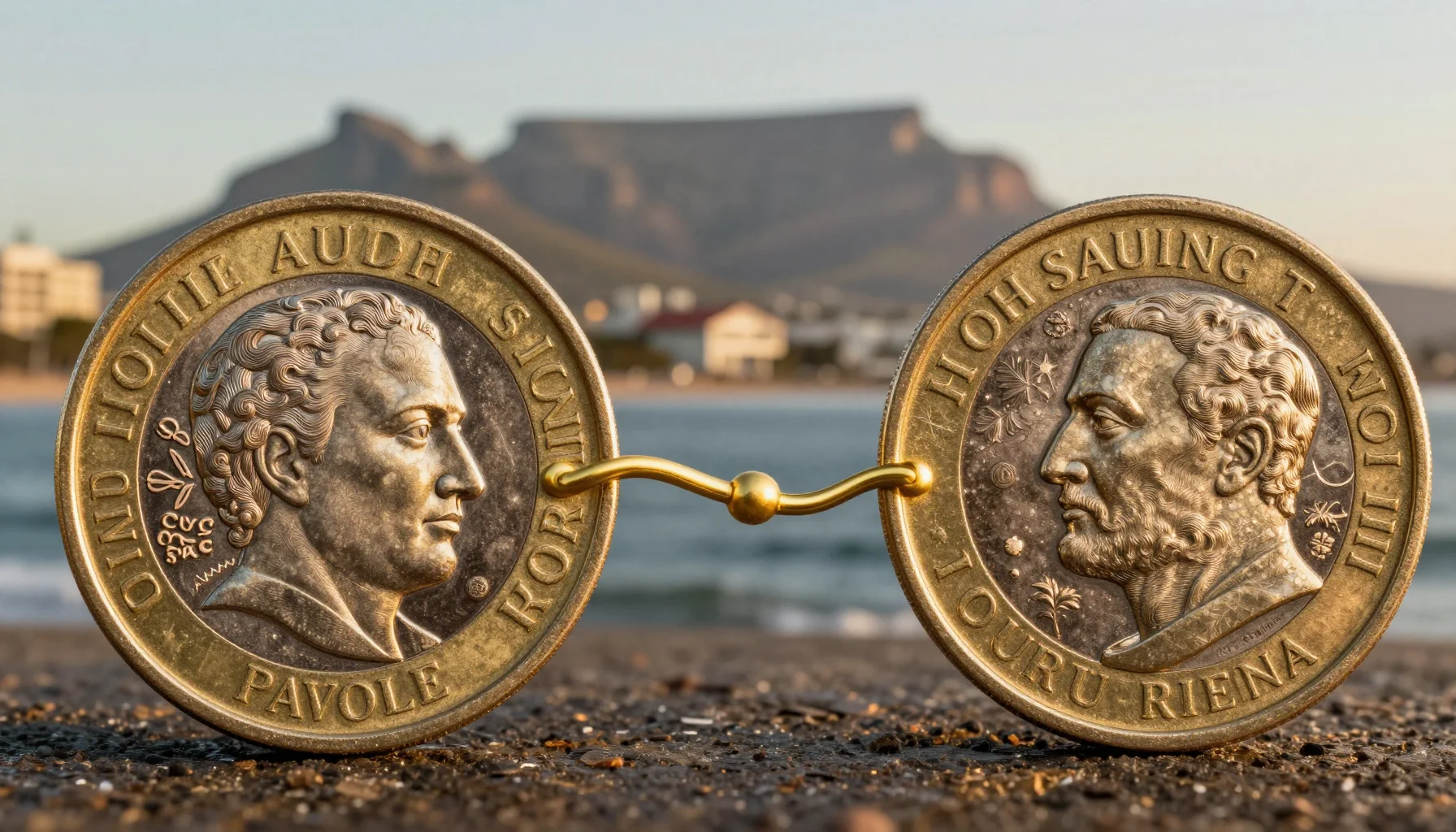
South African rand coins and the Cape Town skyline, evoking a high-yield asset safe haven

Rate-Hike Cycle Peaking, Your Fixed Deposit Yields Are Shrinking? How South Africa's High-Yield Assets Become a Safe Haven

In July 2026, US nonfarm payrolls delivered a shock — payrolls unexpectedly fell by 23,000, far below the +83,000 consensus. That single data point rewrote the script for global capital flows: market expectations for a September rate hike were slashed from over 60% to 40-45%.

For investors, this is not distant American news — it directly affects your pocket. As the global rate-hike cycle nears its end, the "high-yield dividend" of Taiwanese and US dollar fixed deposits is shrinking. When deposit rates stop being attractive, where does capital go? The answer may lie in the high-yield assets of the Southern Hemisphere.

Key Takeaway: US nonfarm payrolls missed badly in July 2026 (-23,000 vs +83,000 expected), slashing September rate-hike odds from >60% to 40-45% as the global rate-hike cycle peaks. South Africa's SARB repo rate holds at 7.00%, fixed deposits reach 8.15%, and Cape Town rental yields run 7.5-11.4%. The "dual-engine passive income" of ZAR high-yield deposits plus Cape Town rental income is a safe haven as the rate-hike cycle peaks.

July Nonfarm Miss: The Key Signal That the Rate-Hike Cycle Is Peaking

To understand why now is a critical moment to reallocate assets, look first at the data that shook the market. The US Labor Department's July nonfarm payrolls report showed payrolls unexpectedly fell by 23,000, far below the consensus of +83,000 — a rare negative print in recent months.

The significance is that it instantly heated up the debate over whether the rate-hike cycle has peaked. According to prediction markets like Kalshi, the probability of a September rate hike fell from over 60% to 33-45%, with markets even beginning to price in a "Fed holds steady" scenario.

Indicator July Actual Market Expectation Impact
Nonfarm Payrolls -23,000 +83,000 Far below, labor weakening
September Hike Odds 33-45% >60% Hike expectations cool sharply
Market Read Rate-hike cycle peaking Continued hiking High-yield assets more attractive

For investors, a peaking rate-hike cycle means a major turning point: the "easy money" deposit dividend of the past two years is about to shrink. When the Fed stops hiking or even pauses, global capital will search for relatively high-yield safe havens — and South Africa is a leading candidate.

"When the global rate-hike cycle peaks, capital doesn't disappear — it simply searches for the next high-yield target. Whoever offers a relatively higher yield attracts this wave of risk-off capital." — Scott Huang, CEO of DingYao Advisory

Your Fixed Deposit Yields Are Shrinking: The Taiwanese Investor's Dilemma

Return to the scenario Taiwanese investors know best. Over the past two years, many enjoyed a "risk-free high-yield" dividend through US dollar and Taiwanese dollar fixed deposits. But that dividend is fading fast.

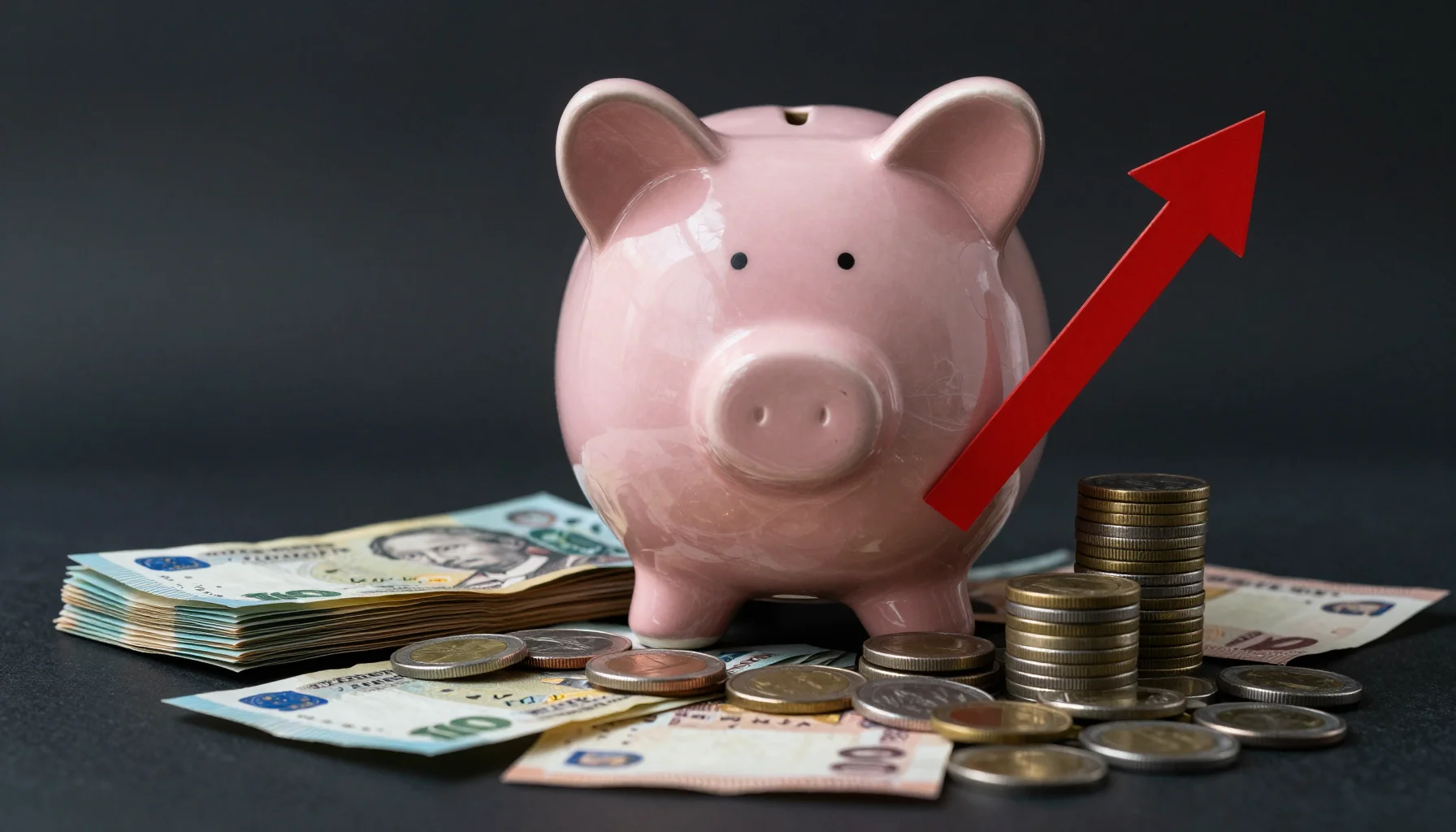
As the global rate-hike cycle peaks, Taiwanese and US dollar fixed deposit rates will drift lower. For investors seeking stable cash flow, this means the interest income that once "earned while you slept" will shrink year by year — while inflationary pressure has not fully disappeared. Real purchasing power is being eroded.

Deposit Yields Shrinking

As the rate-hike cycle peaks, TWD/USD deposit rates will drift lower.

Inflation Pressure Remains

Real purchasing power is eroded; deposits alone struggle to keep up.

Capital Reallocation

Funds flow toward high-yield assets in search of the next income source.

Overseas High-Yield Opportunity

Emerging markets like South Africa offer relatively higher yields.

This is why "overseas high-yield assets" have become a focus for Taiwanese investors. When domestic deposit rates shrink, finding a market with higher rates and asset-appreciation potential becomes a rational allocation choice. South Africa, with its high-rate environment and Cape Town's strong property market, offers exactly that opportunity.

Why South Africa Is a High-Yield Safe Haven: The ZAR Deposit + Cape Town Rental Dual Engine

South Africa can serve as a safe haven in a peaking rate-hike environment because it offers a "dual-engine" source of passive income — high-yield deposits plus high rental income.

First, deposits. The SARB (South African Reserve Bank) benchmark repo rate currently holds at 7.00%, with the prime lending rate at 10.50%. In this high-rate environment, South African banks offer relatively attractive deposit rates — 12-month fixed deposits reach up to 8.15% (e.g. Standard Bank), well above Taiwanese and US dollar deposits.

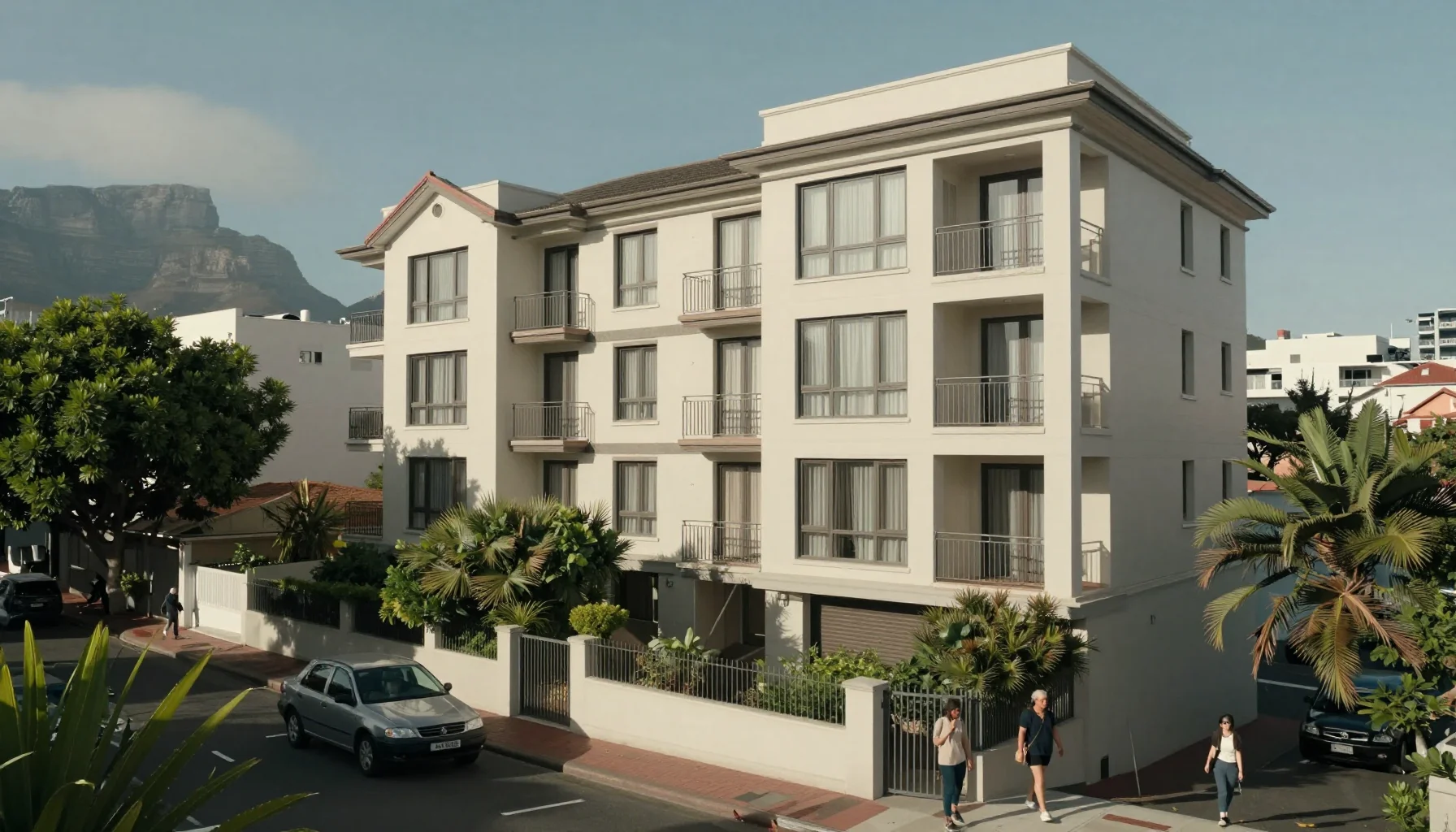
Second, property. As South Africa's most international city, Cape Town's property rental yields typically range from 7.5% to 11.4%. In Observatory, one-bedroom net yields reach 11.4%, and Woodstock 10.2% — figures almost unimaginable in the Taiwanese residential market (where rental yields are just 1-2%).

Key Insight: South Africa's "dual-engine" passive income — ZAR high-yield deposits (up to 8.15%) plus Cape Town rental income (7.5-11.4%) — lets investors enjoy both stable interest and rental cash flow. As the global rate-hike cycle peaks and domestic deposit yields shrink, this combination is a relatively high-yield safe haven.

More importantly, these two engines are not mutually exclusive — they can be complementary. Deposits provide stable interest cash flow, while property provides rental income and long-term capital appreciation. Together, they build a more resilient, diversified passive income portfolio.

Cape Town Rental Yields: The Real 7.5-11.4% Data

To assess the investment value of Cape Town property, rental yield is the most direct metric. According to market data, rental yields across Cape Town's districts look like this:

District Unit Type Net Rental Yield
Observatory One-bedroom 11.4%
Woodstock One-bedroom 10.2%
Atlantic Seaboard Premium property 7.5-9%
City Centre / Other Mixed 7.5-10%

Behind these numbers is Cape Town's steadily growing rental demand. As South Africa's tourism and business hub, Cape Town attracts a steady stream of international tenants, digital nomads and students, keeping the rental market relatively healthy. For investors, this means a stable source of rental cash flow.

  • Rental yields 7.5-11.4% — far above Taiwan's residential 1-2%
  • International tenant demand — driven by tourism, digital nomads, study
  • Property management services — collect rent remotely with ease
  • Long-term capital appreciation — Cape Town's market has risen strongly over 5 years

For investors unfamiliar with overseas property, the biggest concern is often "I'm in Taiwan — how do I manage a property in South Africa?" That is exactly where DingYao Advisory adds value — through property management services, investors can manage their property remotely, enjoy stable rental income, and never need to fly to South Africa.

The Dual-Engine Passive Income Plan: How to Build It

Having understood the advantages of South African high-yield assets, the next step is practical construction. DingYao Advisory's dual-engine passive income plan can be built in the following stages:

01

Asset Assessment & Allocation

Start with a one-on-one property assessment to understand your capital size, risk tolerance and income goals, and plan the deposit-to-property allocation ratio.

02

ZAR High-Yield Deposit Allocation

Allocate part of your capital to South African ZAR high-yield deposits (up to 8.15%), enjoying stable interest cash flow as the foundation of passive income.

03

Prime Cape Town Property Purchase

Target high-yield prime districts in Cape Town (such as Observatory and Woodstock) and acquire properties with appreciation potential.

04

Property Management & Cash Flow

Manage your property remotely through DingYao's property management services, collecting stable rent that combines with deposit interest to form dual-engine passive income.

The key to this plan is the complementarity of the "dual engines" — deposits provide stable, low-volatility interest income, while property provides higher but more hands-on rental income and long-term appreciation. Together, they let investors retain a relatively high-yield passive income source even as the rate-hike cycle peaks.

Risks and Considerations: Viewing High Yield Rationally

High returns often come with high risk, and South African high-yield assets are no exception. Before allocating, investors must rationally consider the following risks:

  • Currency risk — Fluctuations in the South African rand (ZAR) against the New Taiwan dollar can affect real returns. Assess currency hedging and long-term holding.
  • Interest-rate risk — If the SARB cuts rates in the future, deposit rates and mortgage costs may change, affecting returns.
  • Liquidity risk — Overseas property is slower to liquidate than deposits; plan your capital accordingly.
  • Tax and legal — Overseas property involves South African tax, foreign-buyer rules and legal procedures that require professional guidance.

These risks are not uncontrollable — they require professional planning and management. Through DingYao Advisory's on-the-ground team (Crestline Advisory on execution, Garlicke & Bousfield as legal counsel, Standard Bank for custody), investors gain complete legal, tax and capital-safety support to minimise risk.

"High yield is not a trap — provided you understand the risks behind it and manage them with the right structure. South Africa's dual-engine passive income deserves serious study by rational investors." — Scott Huang, CEO of DingYao Advisory

Conclusion: Lock In a High-Yield Safe Haven as the Rate-Hike Cycle Peaks

The July 2026 nonfarm miss marked a major turning point for the global rate-hike cycle. As Taiwanese and US dollar fixed deposit yields begin to shrink, capital will search for relatively high-yield safe havens — and South Africa, with its ZAR high-yield deposits (up to 8.15%) and Cape Town rental income (7.5-11.4%) dual-engine combination, is a strong candidate.

For investors, this is both an opportunity and a reminder — the high-yield dividend will not last forever. As global capital begins to flow into high-yield markets like South Africa, the cost of acquiring quality assets will only rise. Locking in a high-yield safe haven early, while the rate-hike cycle peaks and the currency advantage remains, builds a more resilient foundation for your passive income.

Want to lock in a high-yield safe haven as the rate-hike cycle peaks? Book a consultation now and let DingYao Advisory build your ZAR deposit + Cape Town rental dual-engine passive income plan.

Frequently Asked Questions (FAQ)

Is the global rate-hike cycle really peaking?

US nonfarm payrolls unexpectedly fell by 23,000 in July 2026, far below the +83,000 consensus, slashing market expectations for a September rate hike from over 60% to 40-45%. Markets broadly believe the rate-hike cycle is nearing its end, raising the relative appeal of high-yield assets.

What are South Africa's fixed deposit rates right now?

The SARB repo rate currently stands at 7.00%, with the prime lending rate at 10.50%. South Africa's major banks offer 12-month fixed deposit rates of up to 8.15% (e.g. Standard Bank), well above Taiwanese and US dollar deposit rates.

How high are Cape Town property rental yields?

Cape Town property rental yields typically range from 7.5% to 11.4%, with Observatory one-bedroom net yields reaching 11.4% and Woodstock 10.2%. Compared to Taiwanese residential rental yields of just 1-2%, Cape Town offers a significant advantage.

What is the dual-engine passive income plan?

The dual-engine passive income plan combines South Africa's high-yield ZAR fixed deposits (up to 8.15%) with Cape Town property rental income (7.5-11.4%), letting investors enjoy both stable interest and rental cash flow — a relatively high-yield safe haven as the rate-hike cycle peaks.
How should Taiwanese investors allocate to South African high-yield assets?

Through DingYao Advisory's dual-engine plan, Taiwanese investors can allocate part of their capital to South African ZAR high-yield deposits and prime Cape Town property, with property management services providing stable rental income. A one-on-one assessment is recommended to understand currency, tax and legal details.

Related Reading

Lock In a High-Yield Safe Haven as Rates Peak

South Africa ZAR deposits reach 8.15%, Cape Town rental yields 7.5-11.4% — a dual-engine passive income safe haven. Book a property assessment now and build your South African high-yield asset allocation plan.

Book a Property Assessment