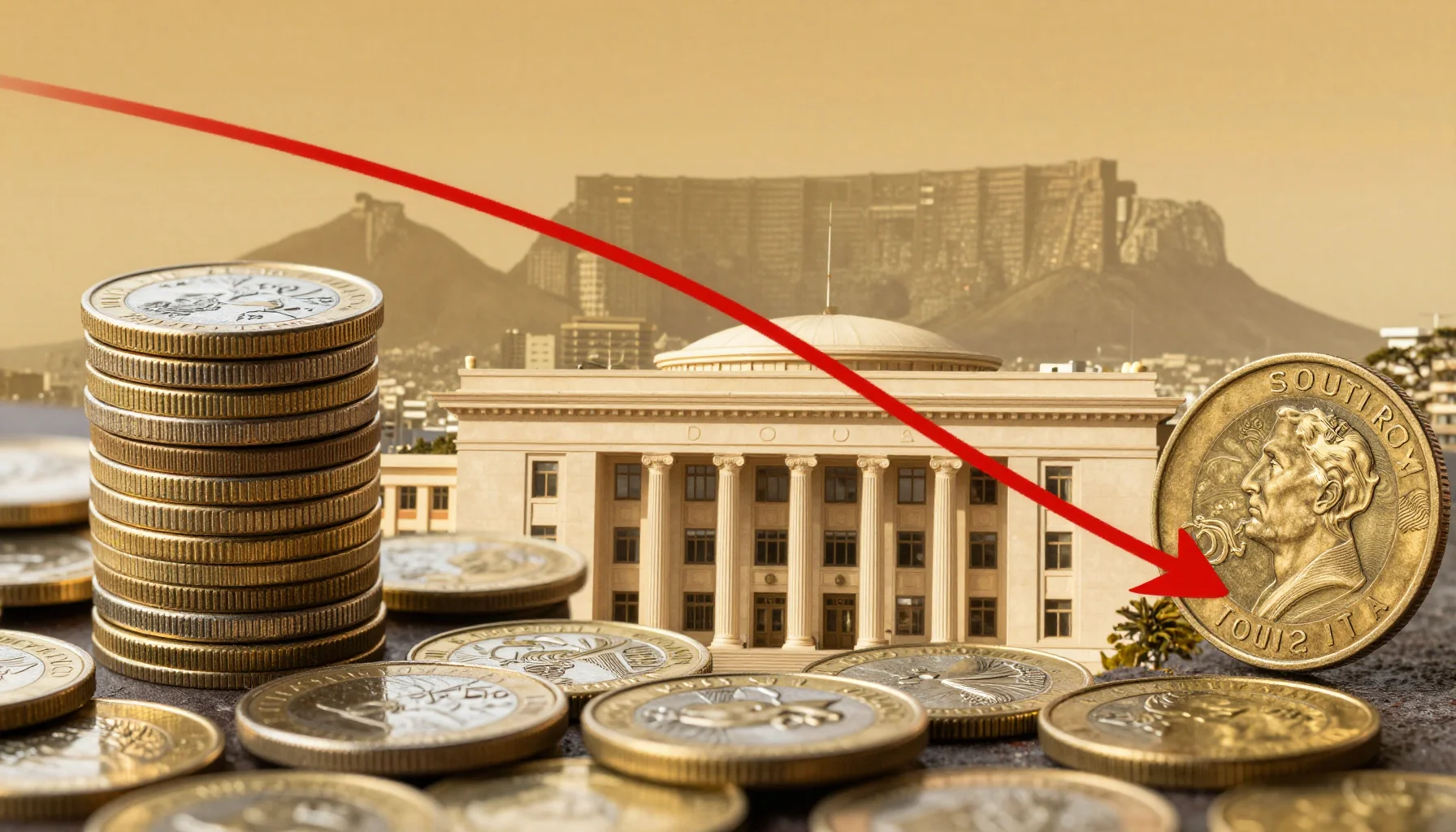
Taiwan stock concentration risk imagery with Cape Town seaside residential estate, illustrating the shift from concentration risk to tangible asset diversification and retirement allocation

Taiwan Stock Over-Concentration in TSMC & How Retirees Diversify: Cape Town Property Passive Income Solution

"TSMC already represents more than 40% of the Taiwan Stock Exchange, is my retirement portfolio too concentrated in it?" This is the question many Taiwanese retirees ask most anxiously when planning their assets. The August 24 cover of CommonWealth Magazine points directly to "TSMC market cap over 40%, over-concentration risk," highlighting the structural concern of the Taiwan market's heavy reliance on a single heavyweight stock.

When one company represents over 40% of the total market value of the Taiwan Stock Exchange, it means the entire index's rise and fall hinges almost entirely on TSMC's performance. If AI capital expenditure or earnings disappoint, the whole Taiwan market could see "one stock dragging down the index." For retirees seeking stable cash flow and a comfortable retirement, this is not a signal to ignore.

Key Takeaway: TSMC already represents over 40% of the Taiwan Stock Exchange, raising over-concentration risk. To diversify risk and stabilize cash flow, South Africa Cape Town property offers 7.5-11.4% rental yields, far above Taiwan deposits. With SA inflation cooling to 4.3% and a SARB September 19 rate cut expected, it is a solid tangible-asset solution for retirement income diversification. Get your Cape Town portfolio plan from DingYao Advisory now.


Taiwan Stock Over-Concentration in TSMC: The Structural Risk Behind a 40%+ Market Cap

Let us start with a clear answer: Taiwan's stock market does face significant over-concentration risk. According to the August 24 cover report of CommonWealth Magazine, TSMC now represents over 40% of the total market value of the Taiwan Stock Exchange, making it the most prominent single-risk concentration point in Taiwan's capital market.

The significance of this figure is that Taiwan's market is no longer a "diversified" market, but one highly dependent on TSMC. When TSMC performs well, the Taiwan index is lifted; but when TSMC faces negative news, the whole market may fall in sync. This structure of "a single heavyweight stock holding the entire index hostage" is the heart of over-concentration risk.

Key Insight: TSMC represents over 40% of the Taiwan Stock Exchange, meaning the index is highly concentrated in a single heavyweight stock. For retirees, if your Taiwan holdings are over-concentrated in TSMC, you are essentially compressing your retirement into the risk of "one company + one industry (AI)." This is the core reason to diversify into tangible assets.

"When TSMC represents over 40% of the Taiwan market, your 'Taiwan exposure' is almost the same as 'TSMC exposure.' Retirees need not chase highs, but lower the over-concentration of a single market and single industry, putting eggs in different baskets." — Scott Huang, CEO of DingYao Advisory

August Earnings Season & AI Capital Expenditure: The Over-Concentration Signal the Market Is Watching

Besides TSMC's market-cap weight, August's earnings season also rings the alarm on over-concentration risk. According to Yuanta Securities, SpaceX's first earnings report and NVDA's earnings follow in August, with the market closely monitoring "the validation of AI capital expenditure." Taiwan's second-quarter earnings calls and the AI capital expenditure validation are also the focus of investors.

For investors, the "validation of AI capital expenditure" is the key trigger of over-concentration risk. If AI-related companies' earnings disappoint or the pace of capital expenditure slows, TSMC and its supply chain could see significant swings, dragging down the whole Taiwan market. This is not a prediction but a risk to guard against given "high concentration + high valuation."

TSMC Market Cap Weight

TSMC represents over 40% of the Taiwan market, with a single heavyweight dominating the entire index.

AI Capex Validation

SpaceX/NVDA earnings follow in August, market focused on validating AI capital expenditure.

Concentration Risk

A single industry dominates; if AI demand fades, the whole Taiwan market may suffer in tandem.

Retiree Need

Retirees seek stable cash flow and should not take on over-concentrated equity risk.

Key Insight: August earnings season is the moment of "AI capex validation," and a potential trigger of Taiwan's over-concentration risk. Rather than wait for uncertain market swings, retirees are better off diversifying part of their assets into non-equity tangible assets to build more resilient retirement cash flow.

Retirement Asset Allocation: Why "Tangible Diversification" Rather Than "Chasing High Volatility"

Having understood the over-concentration risk of the Taiwan market, the next key question is: how should retirees allocate assets? The traditional "chase TSMC high" strategy can no longer address the current concentration risk.

The core principle of retirement asset allocation is "stable cash flow + asset preservation", not chasing short-term high returns. When the stock market is over-concentrated and volatile, diverting part of your funds into "non-equity" tangible assets is a mature way to lower overall volatility and stabilize cash flow. Tangible assets have lower correlation with equities and provide true market diversification.

Key Insight: The key to retirement allocation is "diversification," not "chasing highs." When the Taiwan market is over-concentrated in TSMC, diverting part of your capital into tangible assets like Cape Town property lowers reliance on a single market and provides stable real cash flow through rental yield. Diversification is the heart of retirement allocation.

"Retirement allocation is not about putting all your money in one stock, but distributing it across different markets and different asset classes. When Taiwan is over-concentrated, Cape Town's high rental yield becomes the tangible 'diversify + cash flow' solution for retirees." — Scott Huang, CEO of DingYao Advisory

Cape Town, South Africa: The "Rental Yield + Quality of Life" Blue Ocean for Retirement Tangible Assets

When it comes to overseas tangible asset diversification, why is Cape Town, South Africa worth considering for retirees? Because it satisfies both key needs of retirement allocation: "rental income" and "quality of life."

Cape Town, as South Africa's economic and tourism hub, offers rental yields generally between 7.5%-11.4%, far above Taiwan property returns and most fixed-deposit yields. For retirees, this means being able to generate stable passive income from a tangible asset — diversifying Taiwan equity concentration risk while creating a real cash flow.

Even more important, Cape Town offers a British-style quality of life and a relatively stable cost of living, attracting a growing number of overseas retirees and remote workers. Foreign buyers account for 39% of South Africa's luxury property sales (R20 million+) (Just Property), and Western Cape is where foreign capital concentrates most (IOL 7/15) — Cape Town has become a hub for "living, remote working, vacation, and retirement."

Key Insight: Cape Town rental yields of 7.5-11.4% far exceed the Taiwan market and fixed deposits. Cape Town is also a lifestyle retirement gem with British-style quality of life and the most concentrated foreign capital. For retirees, Cape Town simultaneously meets "diversify Taiwan risk," "stable passive income," and "retirement quality of life."

South Africa Inflation at 4.3% & SARB September 19 Rate Cut Cycle: Cape Town Entry Timing

There is also an important interest rate and currency context for entering the Cape Town market now. South Africa's July inflation cooled to 4.3% (the first decline in five months), and food inflation fell to 0.9% (a 16-year low), already moving clearly toward the SARB's 4.5% target midpoint.

This means the market generally expects the SARB Monetary Policy Committee meeting on September 19 to begin a possible rate-cut cycle (Reuters / businesstech). If rates are cut, the South African prime lending rate could fall from 10.5%, lowering Cape Town mortgage costs and reducing the entry threshold and financial pressure for retirees.

Key Insight: With South Africa inflation at 4.3%, the rate-cut expectation is rising, and SARB may cut rates on September 19, lowering the mortgage costs of Cape Town property. By allocating before the cut, you can lock in the 7.5-11.4% rental yield at relatively lower prices and get ahead of asset appreciation. This is the timing to move funds from Taiwan over-concentration into Cape Town tangible assets.

Taiwan Stocks vs Cape Town Property vs Fixed Deposits: A Retirement Allocation Return Comparison

Between "over-concentrated Taiwan stocks," "low-yield cash deposits," and "high-yield Cape Town property," how should retirees choose? The following comparison table lets you see clearly the returns and risks of different retirement allocations.

Asset Class Annual Yield Risk Profile Suitable for Retirees?
TSMC / Taiwan stocks High (but over-concentrated) High concentration risk, volatile Not advised at high weight
Taiwan fixed deposit ~1.5-2% Low risk, low return Suitable as capital preservation
South Africa high-yield fixed deposit ~7-11% Higher but relatively stable Good alternative to deposits
Cape Town property 7.5-11.4% rental yield Tangible asset, appreciation ✅ Suitable for retirees

Key Insight: Cape Town rental yields of 7.5-11.4% far exceed the concentration risk of Taiwan stocks and are higher than Taiwan deposits, making them a top tangible choice for "cash flow + preservation." Combined with South African high-yield deposits, you can turn over-concentrated Taiwan capital into a diversified, stable, high-return retirement portfolio.

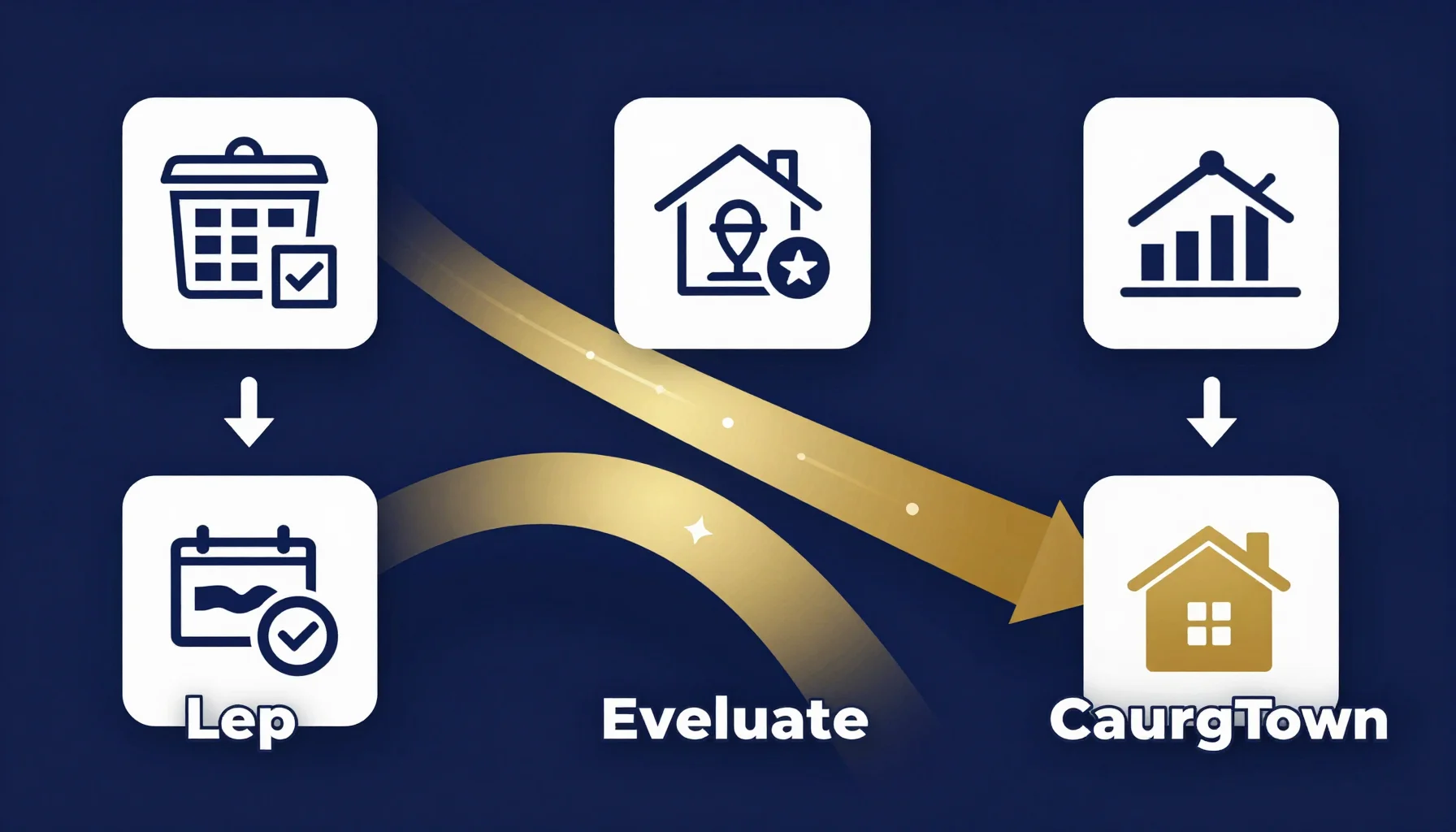
Three Steps: Turning "Taiwan Over-Concentration" into "Cape Town Tangible Diversification"

Having understood the risk and the return, how do retirees actually execute? Use the following three-step framework to gradually complete your "Taiwan risk diversification → Cape Town tangible asset" allocation.

01

Review Your Taiwan Concentration

Check how much of your retirement portfolio is concentrated in TSMC and AI-related stocks. If over-concentrated, this is a signal to reduce single-stock exposure and diversify into other assets. Determine the portion of capital you can allocate to "diversified allocation."

02

Evaluate the Cape Town Tangible Allocation

Understand Cape Town's high rental yields (7.5-11.4%), South Africa's 4.3% inflation and rate-cut backdrop, and evaluate property, currency (TWD/ZAR), home-purchase compliance and fund transfer, setting a rental-income target.

03

Delegate to a Local Team for Execution and Management

Through DingYao Advisory's local team (Crestline execution, Standard Bank custody, Garlicke & Bousfield attorneys), complete fund compliance, purchase, and rental management to convert Cape Town rental income into stable passive cash flow.

Key Insight: Diversifying "Taiwan over-concentration" into "Cape Town tangible assets" requires three steps: first assess concentration risk, then evaluate the Cape Town allocation, and finally delegate local management. Through these three steps, you turn high-volatility concentrated risk into a stable 7.5-11.4% rental passive income.

Retirement Allocation Risk Reminders: View "Diversification" and "Tangible" Objectively

Diversification reduces risk, but retirees must also objectively view the risks behind overseas property investment. Here are key reminders:

  • Currency risk — TWD/SAR rate movements affect asset value and rental income denominated in TWD; evaluate hedging and long-term holding.
  • Rate cut not guaranteed — Whether SARB cuts on September 19 still depends on August data and the rand; prepare for a delayed cut.
  • Liquidity — Cape Town property is relatively slower to liquidate; plan cash flow and allocation ratio.
  • Exchange control — Funds in and out must comply with SARB rules; incorrect filings can delay or freeze funds.
  • Tax & legal — Overseas purchase involves South African tax, foreign purchase rules and legal procedures; professional advice is needed (see the SARB international settlement guide for foreign buyers).
  • Allocation ratio — Diversification does not mean moving everything; keep appropriate Taiwan stock and deposit buffers based on your risk tolerance and funding plan.

Key Insight: Diversification is not "impulsive transfer," but "rational planning." When diversifying Taiwan's over-concentration risk, retirees need to evaluate currency, rate cut, liquidity, tax, and allocation ratio simultaneously. Through DingYao Advisory's professional local support, you minimize the diversification risk of Cape Town tangible assets.

Conclusion: Turn Taiwan Concentration Risk into Cape Town Tangible Passive Income

TSMC represents over 40% of the Taiwan Stock Exchange, and the August AI earnings validation signals that Taiwan's over-concentration risk is rising. If retirees compress their pension into a single heavyweight, they face "single market + single industry" concentration risk.

By contrast, Cape Town property rental yields of 7.5-11.4%, combined with South Africa's inflation cooling to 4.3% and the expected September 19 SARB rate cut, is a tangible solution for retirees looking to "diversify Taiwan risk + stable passive income + British-style quality of life." Converting over-concentration into tangible diversification is the key challenge of retirement asset allocation in 2026.

Want to turn Taiwan stock over-concentration into tangible passive income in Cape Town? Book a consultation now and let DingYao Advisory plan your Cape Town diversified property allocation.

Frequently Asked Questions FAQ

Is the Taiwan stock market really over-concentrated in TSMC?

Yes. As of August 2026, TSMC represents over 40% of the Taiwan Stock Exchange's total market value, making it the largest single concentration point. When TSMC's earnings or revenue fluctuate, the whole index may move in tandem, which is the over-concentration risk retirees should guard against.

Why should retirees diversify assets overseas?

Retirees seek "stable cash flow" and "asset preservation." When the Taiwan market is heavily concentrated in a single heavyweight, index diversification is limited. Diverting some funds into non-equity tangible assets such as Cape Town property offers 7.5-11.4% rental yields and reduces reliance on a single market.

Is Cape Town property rental income really stable?

Cape Town rental yields are 7.5-11.4%, far above Taiwan fixed deposits and average property returns, and offer tangible asset preservation. Combined with British-style quality of life and the foreign-capital-heavy Western Cape, it is a "rental + lifestyle + asset" option for retirees.

Is now the right time to enter Cape Town property?

South Africa inflation has cooled to 4.3% (first fall in five months), SARB September 19 is expected to cut rates, and the prime rate could drop from 10.5%. Allocating before the cut locks in high rental yields at lower prices and gets ahead of appreciation, a solid tangible entry to diversify Taiwan risk.

How much of my Taiwan risk should I allocate to Cape Town?

Adjust according to your funds, risk tolerance and retirement plan, and keep a Taiwan deposit buffer. You can shift part of your over-concentrated Taiwan position into Cape Town tangible assets, planning capital compliance and rental management through DingYao's local team to build stable retirement cash flow.

Related Reads

Turn Taiwan over-concentration risk into tangible Cape Town passive income TSMC represents over 40% of the Taiwan market, raising concentration risk; South Africa Cape Town property yields 7.5-11.4% with inflation at 4.3% and a rate cut cycle coming. Book a property assessment today and let DingYao Advisory build your diversified Cape Town allocation. Book a Consultation