Cape Town Gated Communities: Security Estates vs Freehold Homes

Cape Town Gated Communities: Security Estates vs Freehold Homes — A Foreign Buyer's Guide

"Are Cape Town gated communities worth buying?" This is one of the most common questions from Taiwanese investors. Google search data shows that "gated community cape town" and "cape town gated communities" have been the search gaps closest to page one for weeks — meaning many potential buyers are searching for this topic without finding a complete guide.

This article provides a complete analysis of Cape Town gated communities from a foreign buyer's perspective: the three main types, a security estate vs freehold home comparison, the foreign purchase process and legal considerations, and recommended areas for Taiwanese investors. All data comes from public South African market sources and existing research — no exaggeration, no fabrication.

Key Takeaway: Yes, but it depends on your goal. Cape Town gated communities have posted 8-12% compound annual growth over five years, versus 6-8% for the broader market; foreign buyer share has risen from 15% in 2020 to roughly 28% in 2026. Security estate levies run R 1,500-R 5,000 per month in exchange for 24-hour security and burglary rates over 70% lower. Choose gated communities for long-term appreciation and security; choose freehold homes for slightly higher rental yields (5-8% vs 4-6%).
Why foreign buyers prefer Cape Town gated communities

Why Foreign Buyers Prefer Gated Communities: Three Structural Drivers

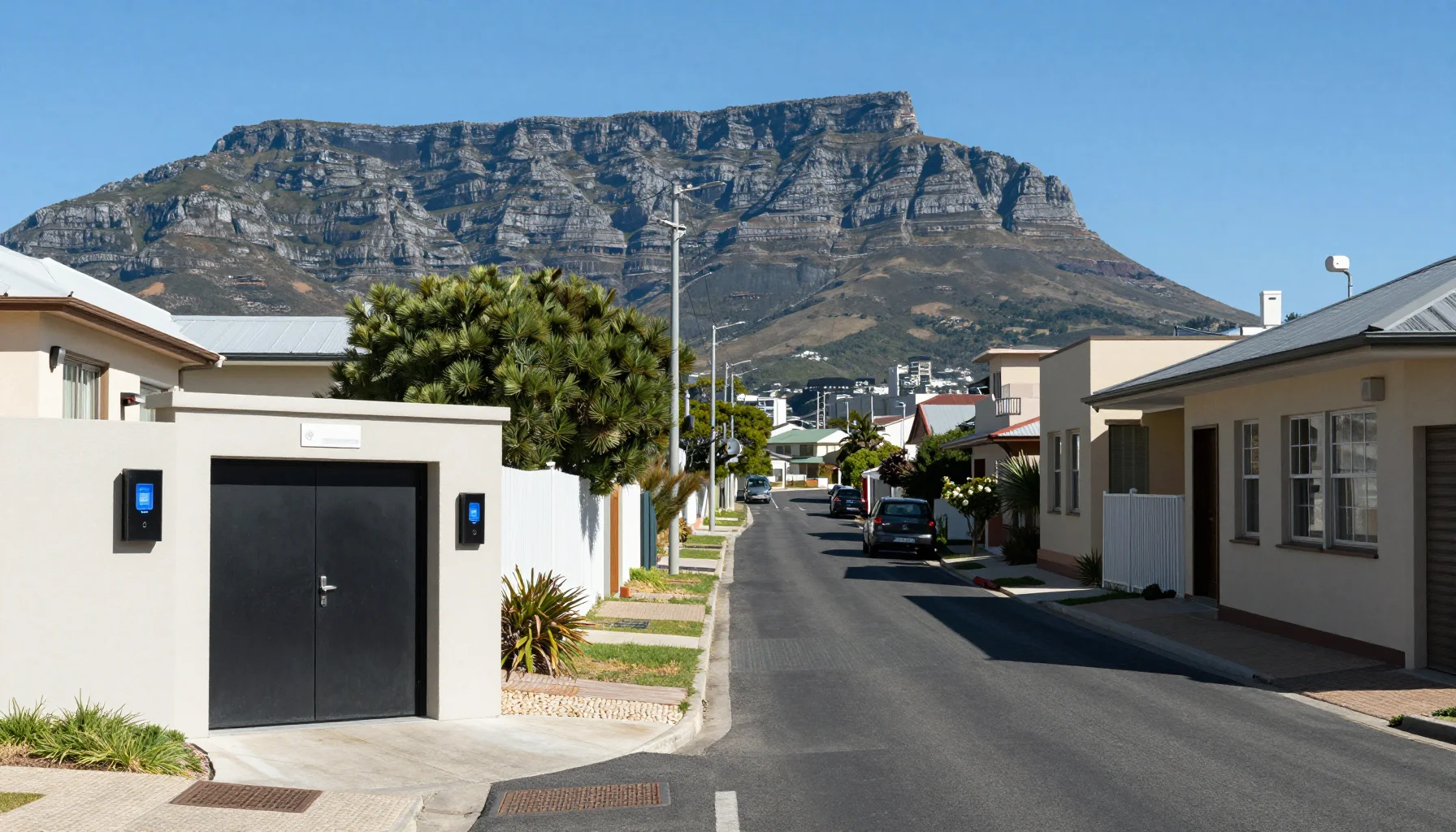
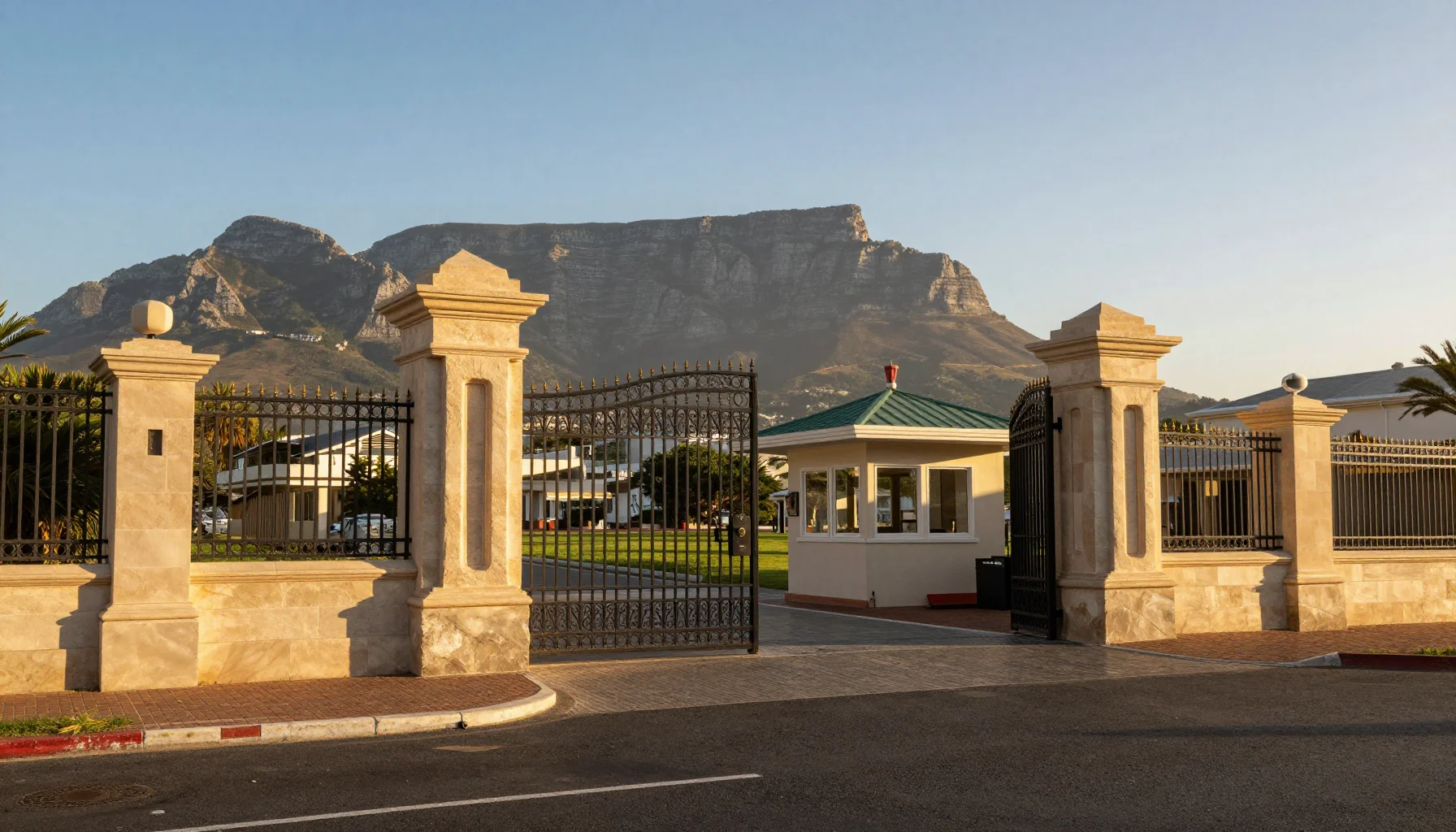
Cape Town's gated communities (also called security estates or estates) have grown rapidly over the past decade, from about 200 in 2015 to more than 500 in 2026. Foreign buyers' preference for gated communities rests on three structural drivers:

Security Comes First

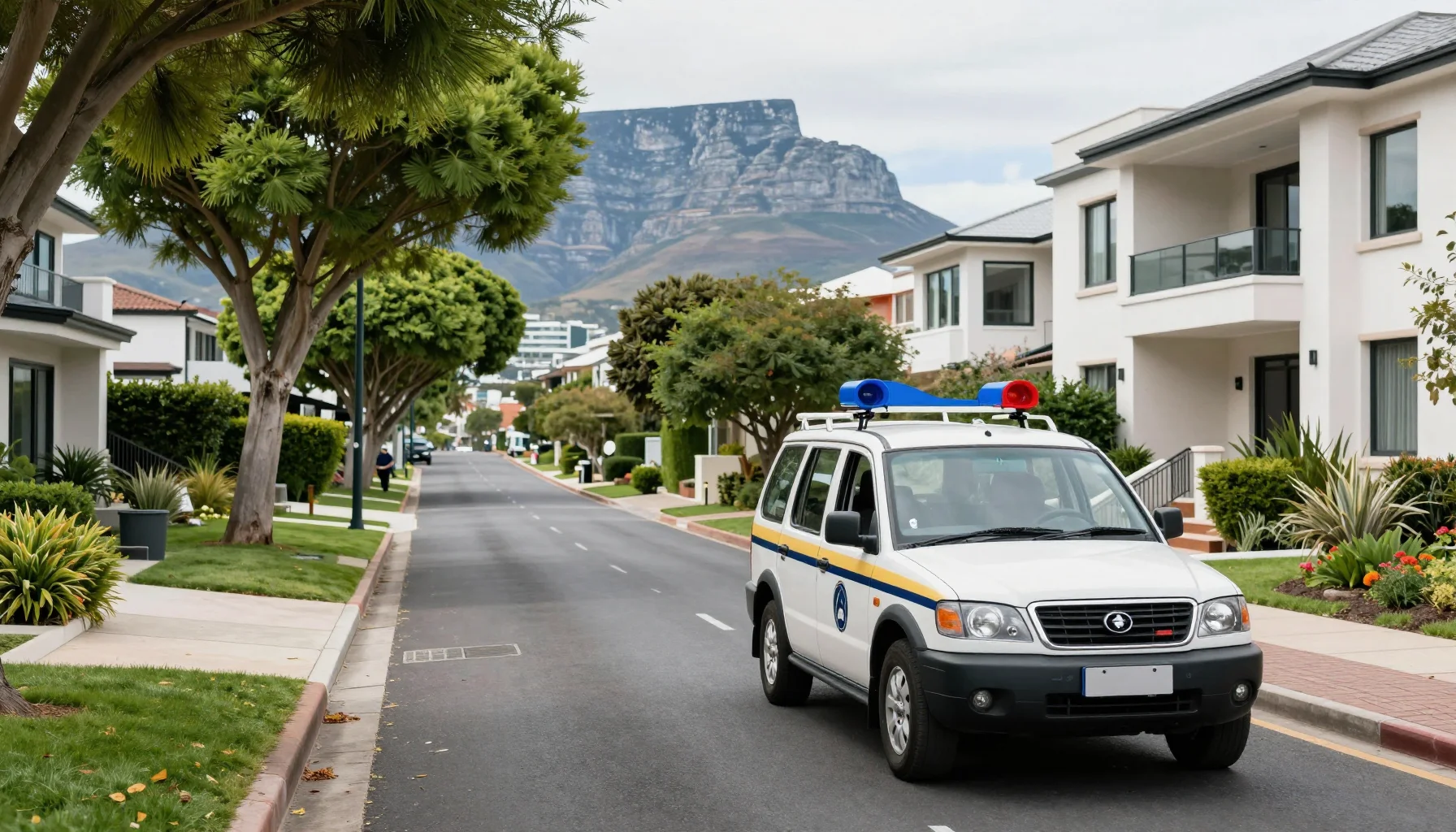
According to Fidelity ADT, burglary rates in gated communities are more than 70% lower than in open neighbourhoods. 24-hour armed patrols, infrared monitoring, electronic gates, and controlled visitor systems give owners peace of mind from afar.

Appreciation Outperforms the Market

Top Cape Town security estates have posted 8-12% compound annual growth over the past five years, versus 6-8% for the broader market. Scarcity, strict architectural guidelines, and amenities drive the premium.

Hassle-Free Management

The management company handles security, gardening, roads, and common facilities. Overseas owners do not need to be on site to keep the estate at a high standard, reducing the burden of remote ownership.

Mature International Buyer Services

Management companies at top estates have extensive experience serving international buyers. Documentation, communication, and ongoing management can all be handled in English, and some estates are familiar with Asian buyer needs.

Key Data: Lightstone reports that foreign buyers' share of Cape Town gated communities has risen from 15% in 2020 to roughly 28% in 2026. German, British, and Dutch buyers dominate, but Asian buyers (including Taiwanese) are growing fastest.

Three types of Cape Town gated communities

Three Types of Cape Town Gated Communities: Security, Golf, and Coastal Estates

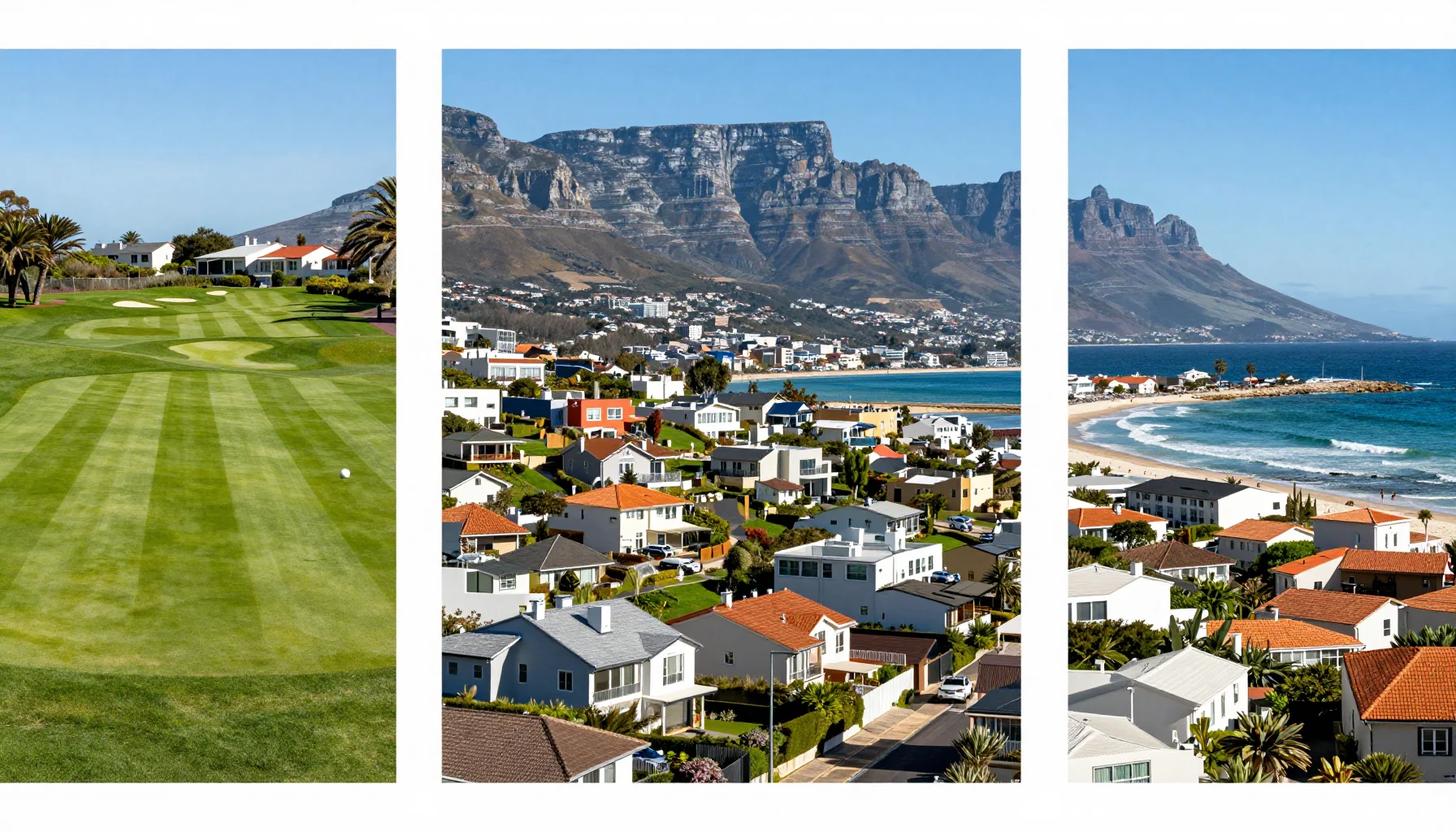
Cape Town's gated communities are not a single category. They fall into three main types based on their core appeal. Understanding the differences helps you choose the estate that matches your investment goals:

1. Security Estates

Closed communities built around security and family living, with 24-hour armed security, electric fencing, and controlled access. Typical examples include the security estates of Constantia and Northridge Coastal Estate in Sunningdale — the latter developed by Garden Cities with 429 homes, a benchmark for large-scale green residential building in the Western Cape and certified 4-star Green Star. These estates suit buyers seeking security, privacy, and family quality of life.

2. Golf Estates

Resort-style communities built around a golf course, with clubhouses, restaurants, and hotels. Typical examples are Val de Vie Estate (Paarl/Franschhoek, with the Jack Nicklaus-designed Pearl Valley course), Steenberg Estate (Constantia, 18-hole course plus five-star hotel), and De Zalze Estate (Stellenbosch). These estates offer the highest appreciation potential (8-12% annually) but also the highest levies (R 2,000-R 5,000 per month).

3. Coastal Estates

Closed communities along the coastline, focused on ocean views and outdoor living. A typical example is Atlantic Beach Estate (Melkbosstrand), offering Atlantic views and direct beach access. These estates suit buyers seeking sea views and a holiday atmosphere, with annual appreciation of 6-8% and more accessible entry points (from R 2,800,000).

Advisor's Note: Golf estates offer the highest appreciation but also the highest levies and holding costs; security estates strike the best balance between security and cost; coastal estates suit buyers focused on holiday and lifestyle use. Before choosing, clarify whether your goal is long-term appreciation or rental income.

Security estate vs freehold home comparison

Security Estates vs Freehold Homes: Full Comparison

According to Lightstone and PropFlow360 market data, gated communities and freehold homes differ significantly in investment performance. Use the table below as a decision reference:

Metric Gated Community Freehold Home
5-Year Compound Annual Growth 8-12% 5-8%
Average Days on Market 25-40 days 55-90 days
Rental Yield 4-6% 5-8%
Vacancy Rate 2-4% 5-10%
Monthly Levies R 1,500 - R 5,000 None (or minimal)
Burglary Risk 70%+ lower Baseline
Price Volatility Low Medium-high

Gated communities appreciate more, but rental yields are slightly lower than freehold homes — because levies reduce net rental income, while higher capital appreciation more than compensates. For Taiwanese investors: long-term capital appreciation → choose a gated community; stable cash flow → freehold homes suit you better.

Investor Note: Levies are tax-deductible holding costs. On a R 16,000,000 investment, annual levies of R 36,000-R 60,000 (roughly NT$ 60,000-100,000) represent just 0.2-0.4% of the total investment — far lower than the management fee ratio of Taiwanese apartment buildings.

Foreign buyer purchase process and legal considerations

Foreign Buyer Purchase Process and Legal Considerations

South Africa has no nationwide restrictions on foreign property ownership, but gated communities have their own rules. Here is what foreign buyers must understand about the process and legal requirements:

01

Review the HOA Rules

Some gated communities' rules may limit non-resident purchase ratios or require board approval of buyer eligibility. After selecting an estate, have a lawyer confirm the HOA rules regarding foreign buyers.

02

FICA Verification

Under the Financial Intelligence Centre Act (FICA), foreign buyers must provide a valid passport, overseas address proof, and proof of fund source (bank statements or salary records). Your legal team will help prepare the complete documentation.

03

Funding Structure and Transfer Planning

Foreign buyers can choose cash or a mortgage. South African banks offer home loans to foreigners, but usually require 30-50% deposits and verification of overseas income. Cash purchases are completely insulated from interest rates and close faster. Plan your funding structure with a professional advisor.

04

Attorney Trust Protection

South African law requires transaction funds to be held in an attorney's trust account, independently managed by the law firm. Funds are released only after title is registered in the buyer's name and all municipal accounts are settled, ensuring transaction security.

05

Transfer and Registration

The conveyancing attorney submits the application to the Deeds Office, calculates and pays Transfer Duty (progressive rate 0%-13%). Once registered, the buyer receives the Title Deed and becomes the legal owner. The full process typically takes 2-4 months.

Legal Reminder: Foreign buyers of agricultural land must obtain government approval under the Agricultural Land Reform Act; some coastal areas involve environmental restrictions. Residential plots inside gated communities are usually not affected, but always have a professional lawyer conduct due diligence to confirm the title is free of hidden mortgages or servitudes.

Recommended areas for Taiwanese investors

Recommended Areas for Taiwanese Investors: Four Estates Compared

Based on security, appreciation potential, lifestyle, and entry threshold, these are the four gated communities most worth watching for Taiwanese investors in 2026:

Estate Location Price Range Monthly Levies Annual Growth
Val de Vie Estate Paarl / Franschhoek R 3,000,000 - R 30,000,000+ R 3,000 - R 5,000 10-12%
Steenberg Estate Constantia R 4,000,000 - R 20,000,000+ R 2,500 - R 4,000 8-10%
De Zalze Estate Stellenbosch R 2,500,000 - R 15,000,000 R 2,000 - R 3,500 7-9%
Atlantic Beach Estate Melkbosstrand R 2,800,000 - R 12,000,000 R 2,000 - R 3,000 6-8%

Val de Vie Estate is widely regarded as one of South Africa's premier gated communities, with its own water and electricity infrastructure, 24-hour armed security, and a world-class golf course. It is one of the few top estates that allows foreign buyers and whose management company has extensive international buyer experience. Entry starts around R 3,000,000 (roughly NT$ 5 million), suited to medium- and long-term holding.

Steenberg Estate sits in Constantia, Cape Town's most prestigious wine region, just 20 minutes from the city centre, with history dating back to 1682. Constantia prices have grown steadily, and a recent R 48,000,000 Constantia property sold sight-unseen, showing strong high-end demand.

De Zalze Estate is in the university town of Stellenbosch, benefiting from stable rental demand and semigration inflows — a choice that combines rental income with appreciation.

Atlantic Beach Estate on the West Coast at Melkbosstrand offers Atlantic views and direct beach access, with a more accessible entry point for budget-conscious buyers.

Market Snapshot: In the first half of 2026, inventory in Cape Town gated communities fell 15-20%, above the 12.5% decline for the overall market. Quality estates average only 3-5 listings, with more than 10 potential buyers per listing — when a suitable property comes to market, speed of decision matters.

Frequently Asked Questions

Frequently Asked Questions

Can foreigners buy property in Cape Town gated communities?

Yes. South Africa has no nationwide restrictions on foreign property ownership, but some gated communities' HOA rules may limit non-resident purchase ratios or require board approval. Have a lawyer confirm the community's rules for foreign buyers and complete FICA verification.

Do security estates or freehold homes appreciate faster in Cape Town?

Gated communities typically outperform freehold homes over the long term. Top Cape Town security estates have posted 8-12% compound annual growth over the past five years, versus 6-8% for the broader market. Scarcity, security, amenities, and strict architectural guidelines drive the premium.

How much are levies in Cape Town gated communities?

Levies generally range from R 1,500 to R 5,000 per month depending on the estate. Premium estates such as Val de Vie charge R 3,000-R 5,000 monthly, covering 24-hour security, gardening, common facilities, and community activities. Levies typically rise 5-8% annually with inflation.

Do foreign buyers need a mortgage to buy in a Cape Town gated community?

Not necessarily. South African banks offer home loans to foreigners, but usually require 30-50% deposits and verification of overseas income. Cash buyers are completely insulated from interest rates and close faster. Plan your funding structure with a professional advisor before deciding.

Which Cape Town gated communities do Taiwanese investors prefer?

Based on security, appreciation potential, and lifestyle, Val de Vie Estate (Paarl/Franschhoek), Steenberg Estate (Constantia), De Zalze Estate (Stellenbosch), and Atlantic Beach Estate (Melkbosstrand) are the most popular choices. Entry points start around R 2,500,000, suited to medium- and long-term holding.

Related reading
Related reading
Conclusion: Cape Town gated communities for security and appreciation

Conclusion: Cape Town Gated Communities for Security and Appreciation

Cape Town gated communities are not simply "more expensive homes" — they are a distinct asset class: higher security standards, stronger asset protection, and steadier long-term appreciation. For investors based in Taiwan, 24-hour security and professional management make remote ownership possible.

The data tells the story: 8-12% compound annual growth, foreign buyer share near 28%, and inventory down 15-20% — the supply-demand gap is widening. For Taiwanese investors, cash buyers hold the clearest advantage: insulated from interest rates, room to negotiate, and faster closing. Whatever the SARB decides on 23 September, a cash-funded gated community purchase is unaffected.

Choosing a gated community comes down to clarifying your investment goal: golf estates for long-term appreciation, security estates for the best balance of security and cost, coastal estates for sea views and holiday living. Working with a professional advisor on market analysis, legal, and funding structure planning ensures you choose the right estate.

Want to know which Cape Town gated community suits you best? Book a one-on-one consultation for professional market analysis and property planning advice.

This article is for information only and does not constitute investment advice. DingYao Advisory acts as an information and consulting advisor and does not conduct real estate brokerage. Actual property transactions, transfers, and brokerage services are handled by South African partners (Crestline Advisory and licensed South African agents).

Choosing a Cape Town Gated Community? Security, Appreciation, Lifestyle — All in One Guide

Gated communities post 8-12% compound annual growth, and foreign buyer share has reached 28%. DingYao Advisory provides market analysis, investment assessment, and legal and funding structure planning. Book your consultation now.

Book Now

【Compliance & Disclaimer】

1. Company Statement: DingYao Advisory (Ding Yao Advisory) is a Taiwan-based consultancy providing asset allocation, immigration advisory, overseas account opening, and second-generation education coordination services. DingYao does not engage in real estate brokerage or dealer activities within the Republic of China (Taiwan), nor does it handle, collect, or hold any property transaction funds.

2. Information Source & Contracting Party: The South African property, development projects, market data, and related images in this article are provided by overseas partners Crestline Advisory (Pty) Ltd and developer CanvasCrest Properties, for overseas asset allocation and market reference only, and do not constitute any offer, solicitation, or investment guarantee. All property-related purchase agreements, fund payments, and title transfers are executed directly between the buyer and overseas licensed developers/institutions in accordance with local law.

3. Statutory Risk Warning: "Foreign real estate investment carries risks. Investors should read marketing documents carefully and consider transactions prudently." Overseas investments involve exchange rate fluctuations, local regulations, tax changes, and market risks. Data (such as historical returns, interest rates, etc.) are based on specific calculation standards and timeliness; past performance does not guarantee future returns. Investors should assess independently and seek professional legal and financial advice.