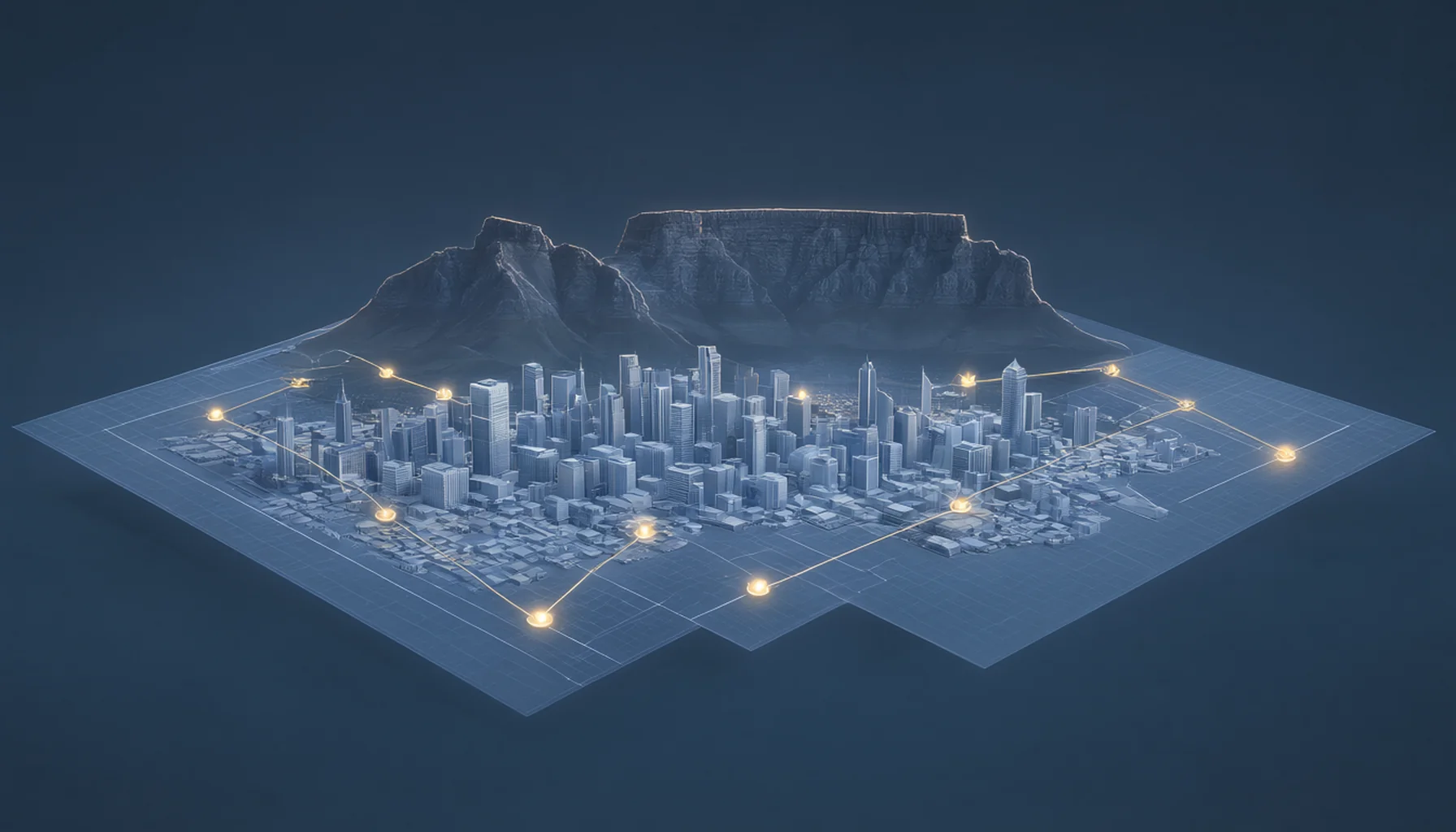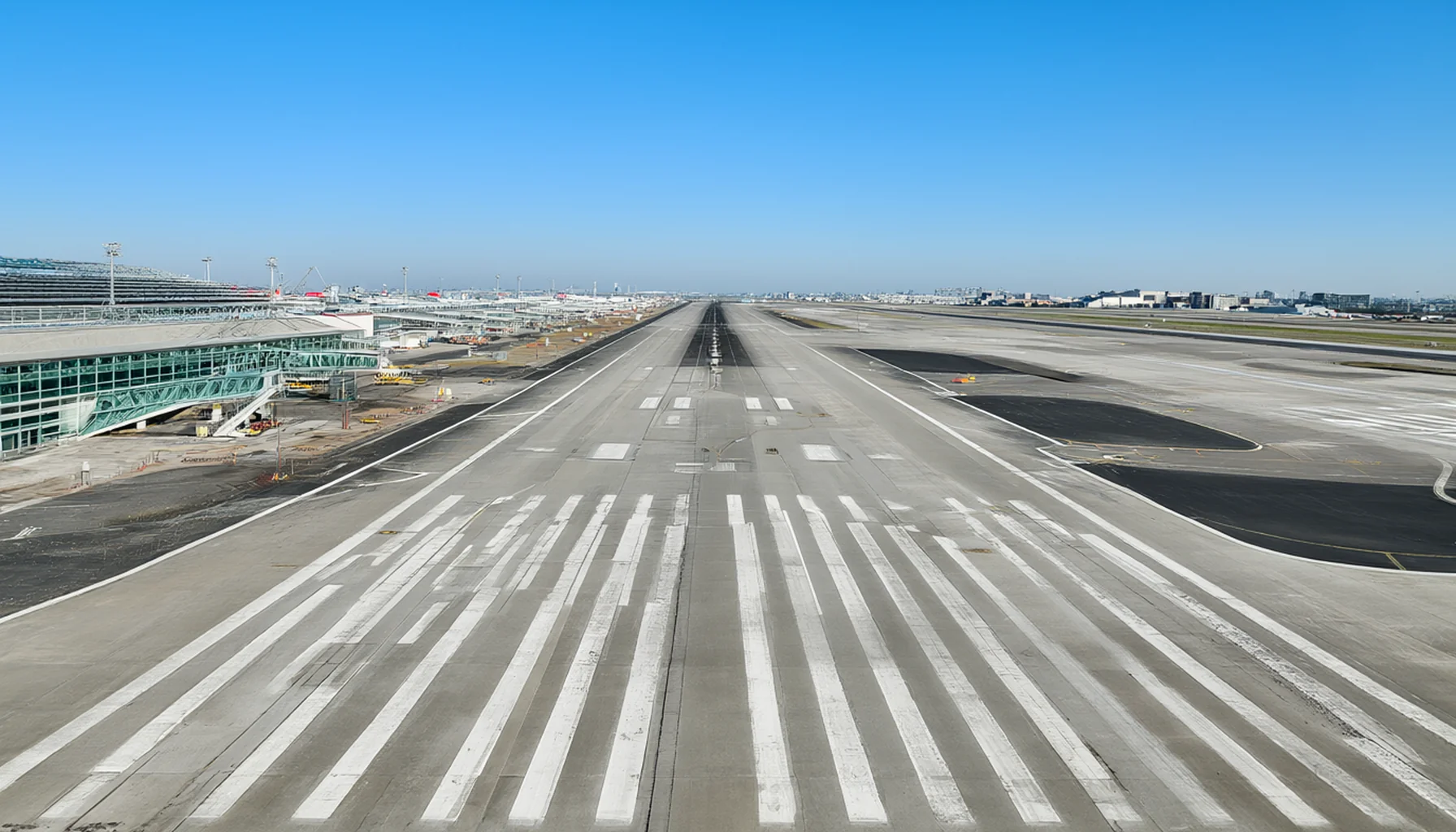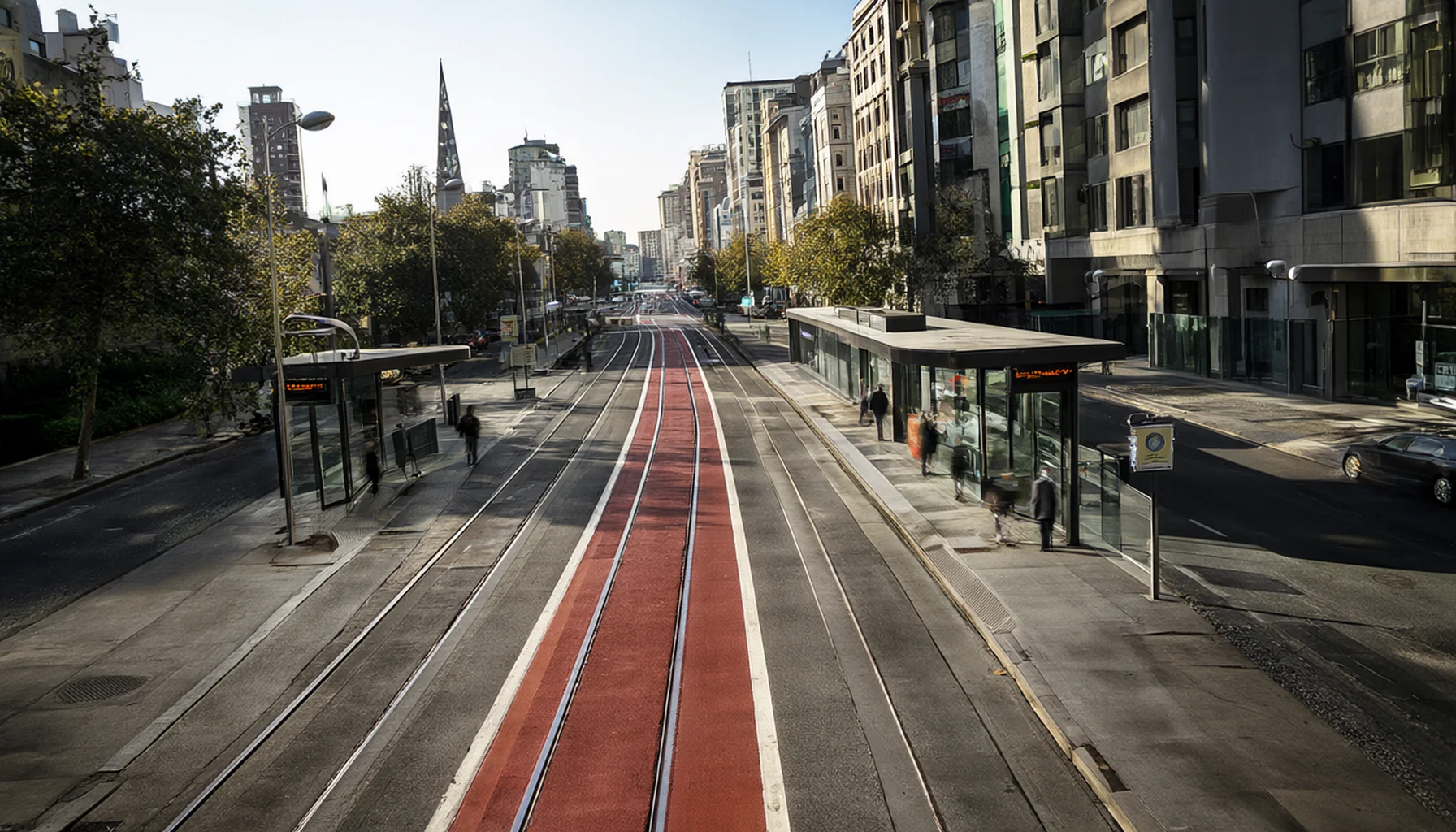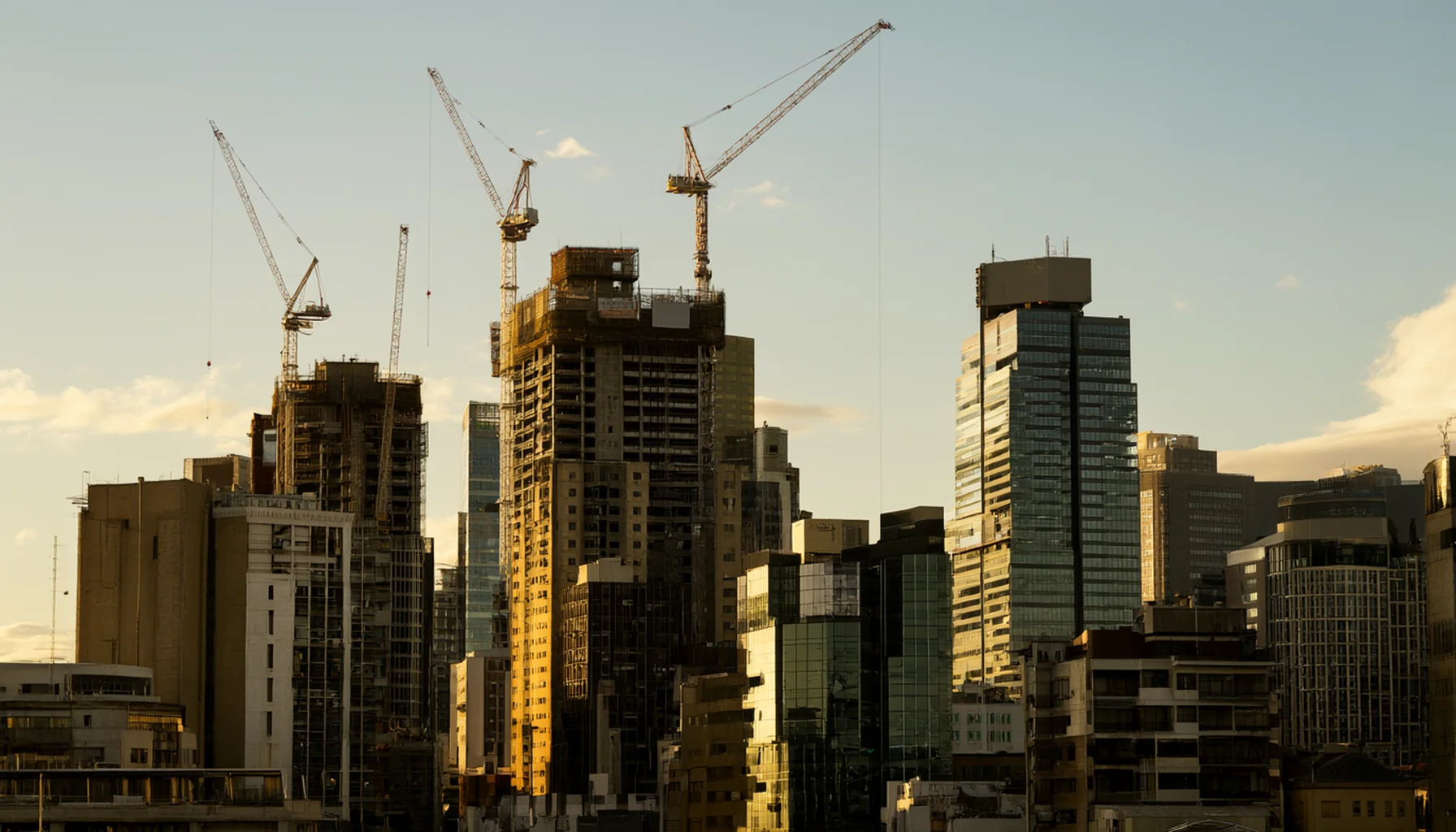
Cape Town infrastructure investment moved to a new stage in 2026. In early October the City of Cape Town announced it will set up a dedicated hub to fast-track approvals for high-value commercial and residential schemes, while the Cape Town international airport upgrade, the MyCiTi bus programme and CBD redevelopment keep moving in parallel. For cross-border investors from Taiwan, this shifts the Cape Town property market from single-project stories to a traceable public-investment corridor.
The infrastructure dividend is not a same-day payout. Cape Town's public-investment cycles run 5 to 15 years: the new airport runway only breaks ground around 2027 and the Foreshore precinct's second phase stretches to 2040, while the City's approval hub is still an announcement with no published detail. This article lays out the money, the timeline and the risk so you can see which rand goes where, when it lands, and in which part of South Africa.
Every figure and date below was checked against official and primary sources on 14 October 2026, and each is labelled as done, in progress, or announced-but-unconfirmed. In Cape Town property, telling those three states apart matters more than memorising any single number.
Key takeaway: Cape Town is turning public money into a development corridor. The City announced a dedicated approval hub in early October 2026 (announced, not yet confirmed); the airport upgrade is about R11.3 billion, MyCiTi Phase 2A about R7.1 billion, and CBD development already hit R12.8 billion in 2025/26, up 41%. Infrastructure is a long-cycle, patient-return game: the dividend builds over three to five years, and short-term prices largely already reflect expectations.