Foreign buyer purchases Cape Town luxury home sight unseen

A Foreign Buyer Paid R48m for a Cape Town Home Sight Unseen! The 6-Step Remote Purchase Guide — Can You Do It From Taiwan?

A foreign buyer paid the full R48 million asking price (about TWD 86 million) for a Cape Town Constantia home without ever viewing it in person (sight unseen) — a recent sale reported by Pam Golding and the strongest signal yet of foreign demand in Cape Town's high-end market. After UK buyers set a R15.9 million Newlands penthouse record, "remote decision-making" by foreign buyers has become the norm.

For Taiwanese investors, this story is not just "the rich really dare to buy" — it means if you cannot fly to South Africa often, you are exactly the group that needs a guide to completing a Cape Town property purchase remotely. Using the R48 million sight-unseen sale as the entry point, this article breaks down the 6-step remote purchase process — from video viewing, independent inspection, Power of Attorney, fund transfer, conveyancer transfer to handover management — and links it to the dual central-bank environment of SARB 9/23 and Fed 9/16, giving Taiwanese investors a complete remote purchase playbook.

Key Takeaway: Yes, you can. A foreign buyer paid the full R48 million asking price for a Constantia home sight unseen, proving remote purchases are mature. Taiwanese investors can follow 6 steps: video viewing, independent inspection, Power of Attorney (POA), fund transfer, conveyancer transfer, and handover management. With Cape Town rental yields of 7.5-11.4% and the rand in a weak 16.0-16.1 range, the funding environment for remote purchases is positive.
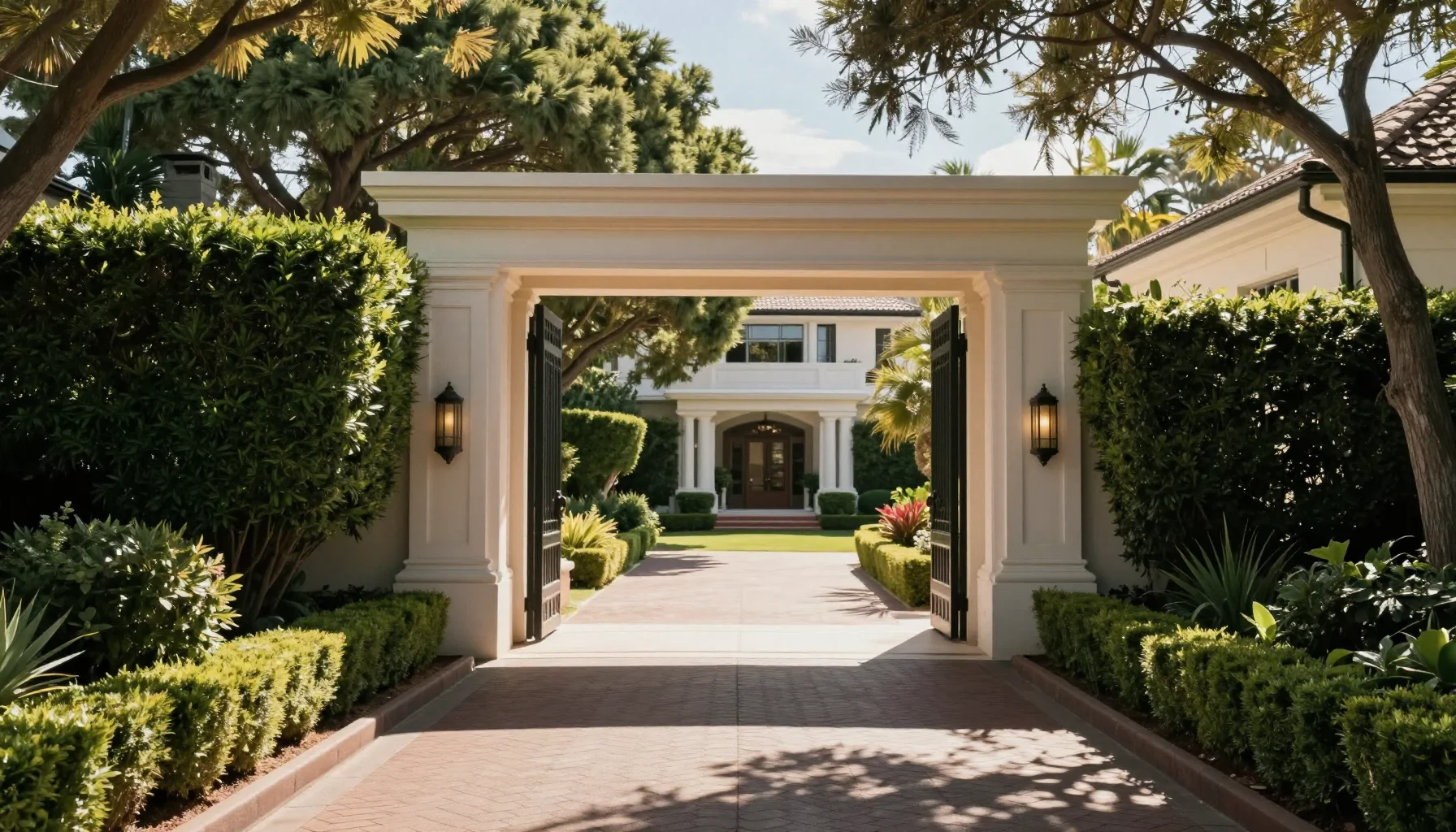
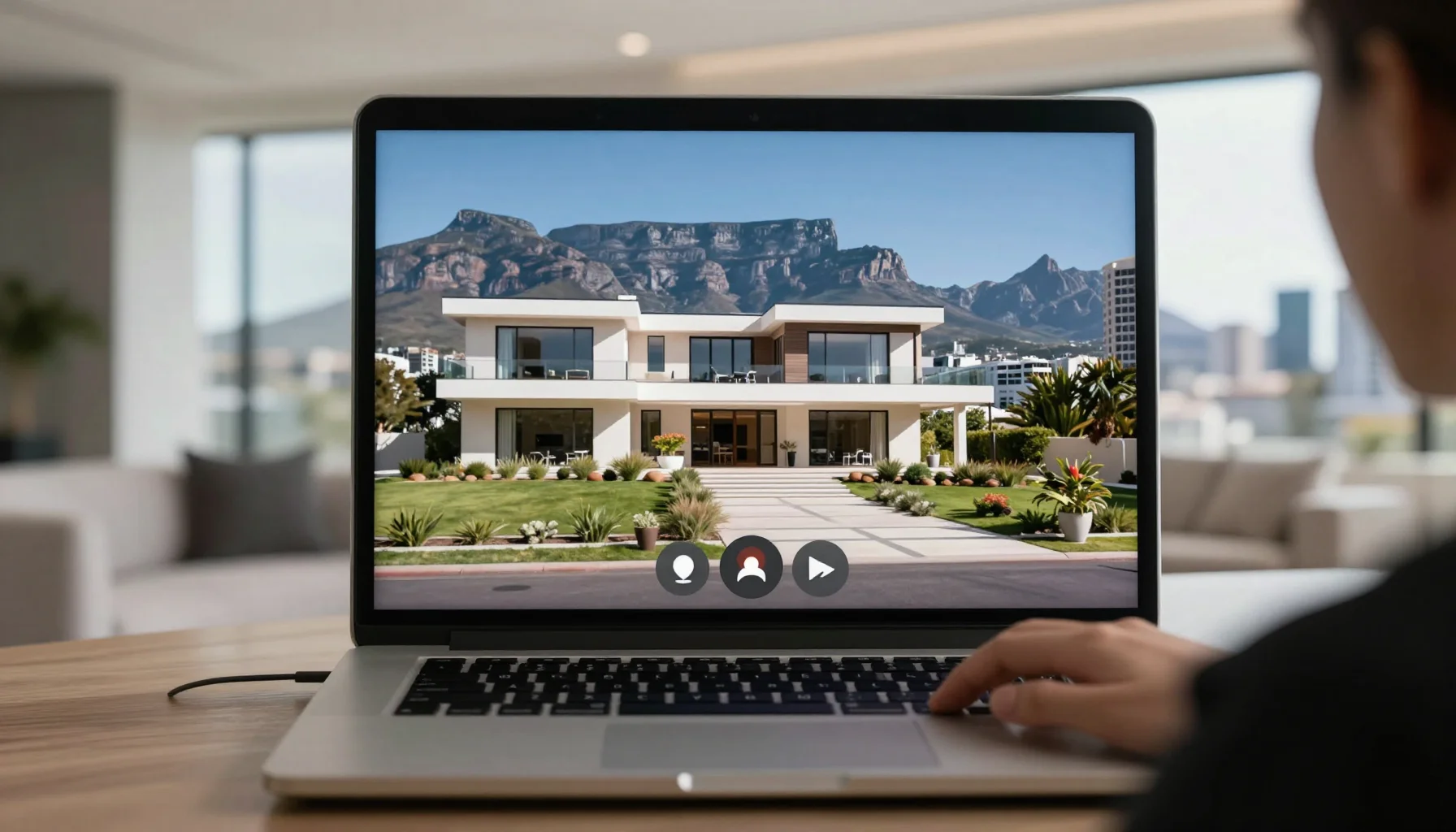
The R48m Sight-Unseen Sale: The Strongest Signal in Cape Town's High-End Market

Pam Golding Properties recently reported that an international buyer paid the full R48 million asking price for a Constantia home in Cape Town without ever viewing it in person (cross-reported by Daily Investor, The South African, and REI in June). This is not an isolated case — it is a snapshot of "demand outstripping supply" in Cape Town's high-end market. Pam Golding's winter market report explicitly notes that Cape Town's luxury market defies the winter slowdown, with foreign buyer demand staying strong.

This case matters for three reasons:

  • Full asking price — the buyer did not negotiate, closing at the asking price, showing strong confidence in Cape Town high-end assets
  • Sight unseen — the buyer relied on video viewings, independent inspections, and professional due diligence; the remote decision process is mature
  • The Constantia location — one of Cape Town's most prestigious wine-estate suburbs, where high-end demand keeps pushing prices up

Sale Price

R48 million (about TWD 86 million), closed at full asking price

Location

Constantia, Cape Town's wine-estate suburb, home to high-end residences

Transaction

Sight unseen — never viewed in person, completed entirely remotely

Agency

Sale reported by Pam Golding Properties

This case corroborates existing data: foreign buyers account for only 6% of South African property transactions but buy 39% of luxury homes (above R15 million) — foreign demand concentrates in the high-end market, with faster decisions and higher confidence than local buyers. The R48 million sight-unseen sale is the latest data point in this trend.

Why Do Foreign Buyers Dare to Order "Sight Unseen"? Remote Decisions Are Now Normal

"Buying without viewing" sounds bold, but in Cape Town's high-end market it is a mature operating model. Foreign buyers can do this because of three pillars:

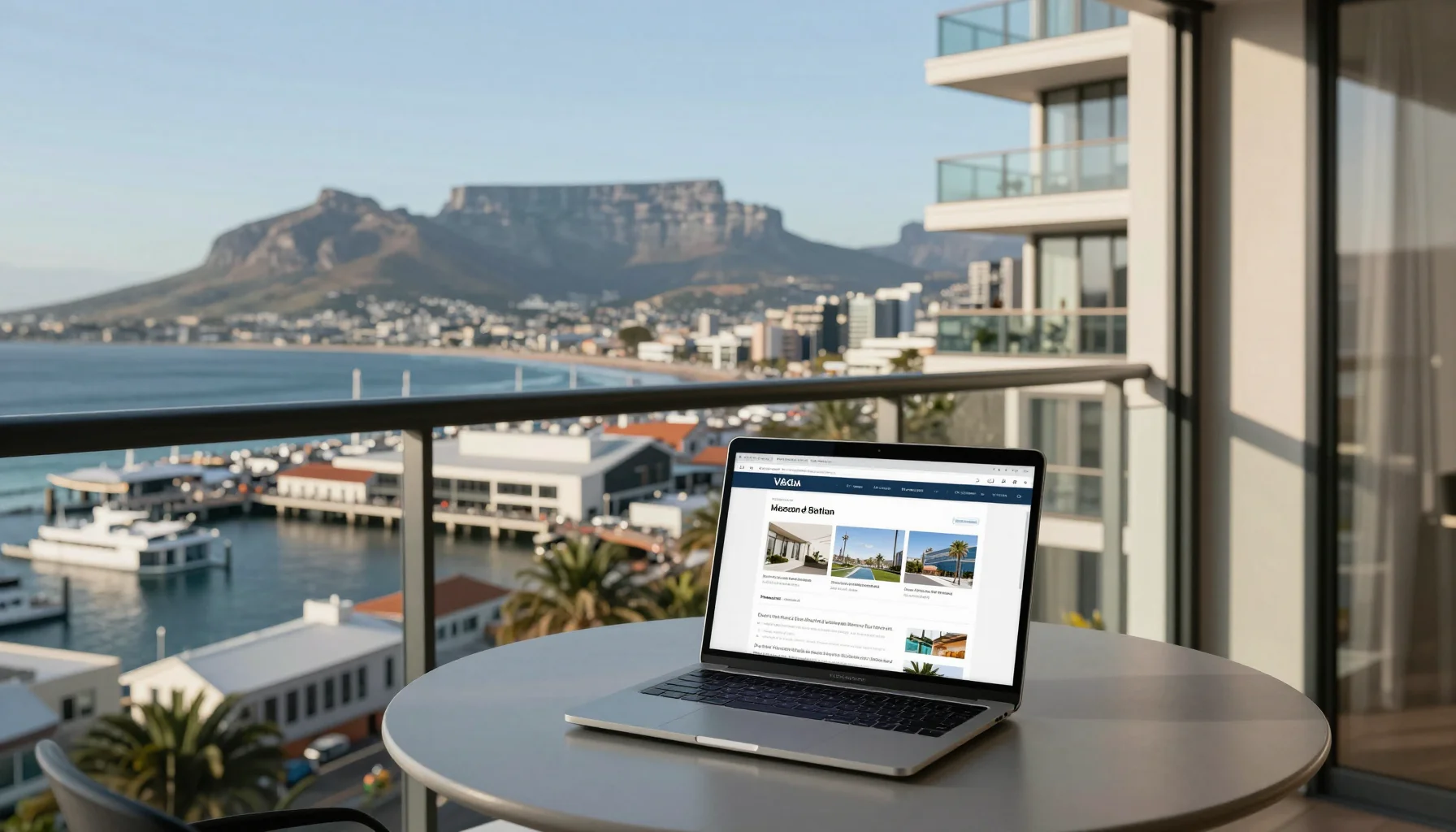
  • Mature video-viewing technology — HD video, 360-degree virtual tours, and live viewings let buyers grasp a property's space and details from thousands of kilometres away
  • Independent inspection system — South Africa has professional inspection firms that issue complete reports on structure, electrical, plumbing, and termites, replacing "seeing it with your own eyes"
  • Sound legal and transfer system — the conveyancer system ensures fund security and title transfer, with foreigners enjoying the same protections as South Africans
"The strength of demand and robust confidence in Cape Town's residential market was underscored recently when we sold a Constantia home for its full R48 million asking price to an international buyer who purchased the property 'sight unseen'." — Pam Golding Properties Winter Market Report

For Taiwanese investors, this means: "being in Taiwan" is no longer a barrier to Cape Town property investment. As long as the process is correct and risk controls are in place, the feasibility of remote purchases has been proven by the market. Next, we break the whole process into 6 steps.

Key Insight: The feasibility of remote purchases has been proven by the R48 million sight-unseen sale. Taiwanese investors do not need to fly to South Africa; by following the 6-step process with proper risk controls, they can complete a Cape Town purchase. The key is not "can I buy remotely" but "is the process complete and the risk controlled."

The 6-Step Remote Purchase (Part 1): Market Research, Video Viewing, and Independent Inspection

The first step in remote purchasing is "moving the viewing online." Here are the first two steps:

01

Market Research and Video Viewing

Start by targeting an area (e.g. Constantia, Sea Point, V&A Waterfront) and get property listings through real-estate platforms and agents. Request HD video, 360-degree virtual tours, and live viewings, and ask for floor plans and location information. Agents in Cape Town's high-end market are familiar with remote buyers and proactively provide complete visual materials.

02

Independent Inspection

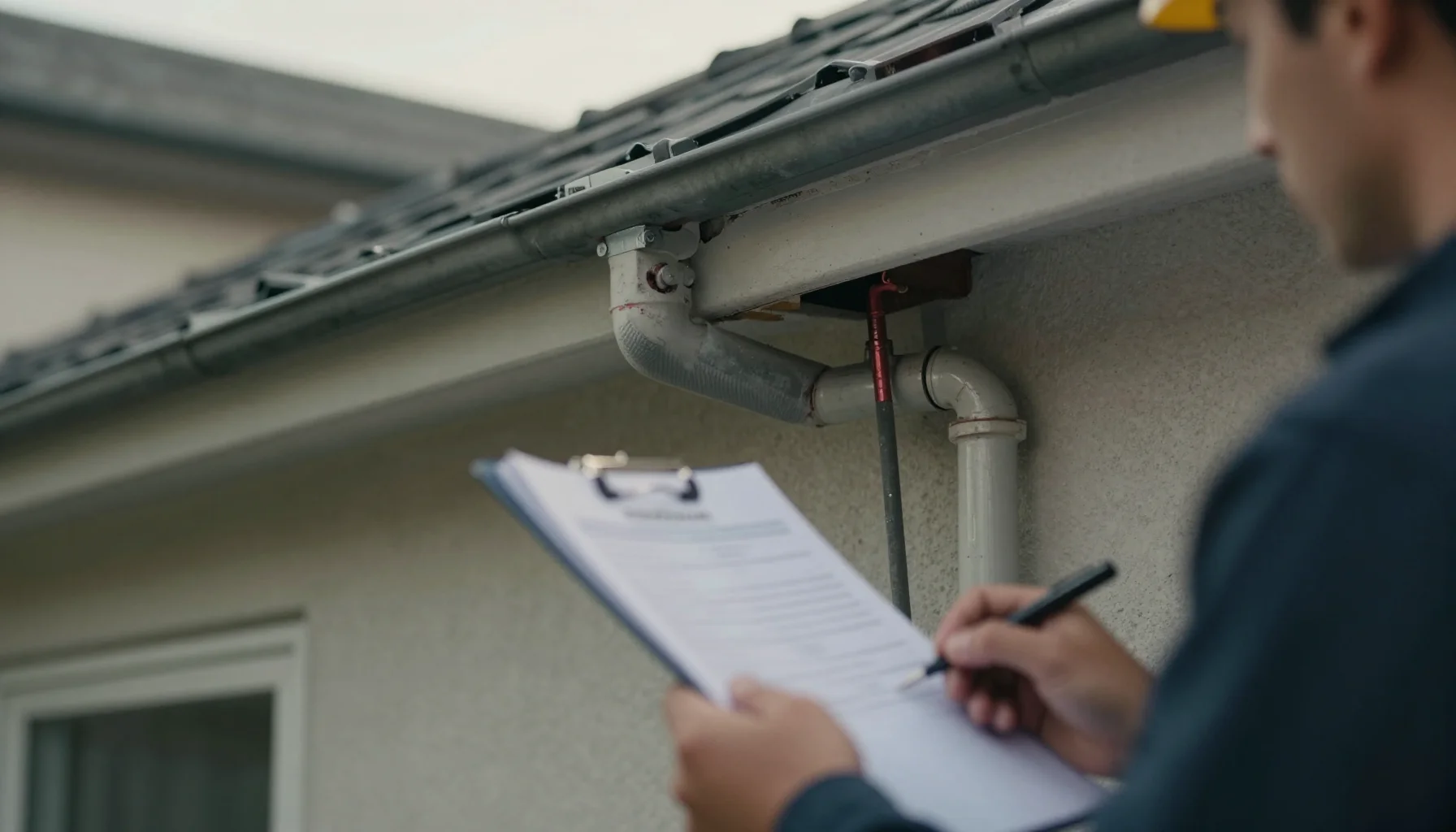
South Africa has professional independent inspection firms that issue complete reports on structure, roof, electrical, plumbing, termites, and damp. The inspection report is the remote buyer's "eyes" — the R48 million buyer dared to order sight unseen precisely because of this report. Make sure the inspection firm is professionally certified and keep the report as a transaction document.

After these two steps, your understanding of the property is close to being there in person. Next comes the legal and funding phase — the part of remote purchasing that most needs professional help.

Key Insight: Video viewing + independent inspection = the remote buyer's "eyes." The key to the R48 million sight-unseen sale is not "not viewing" but "replacing the viewing with professional reports." For Taiwanese investors buying remotely, the inspection report is a non-negotiable risk-control tool.

The 6-Step Remote Purchase (Part 2): Legal Documents, Power of Attorney, and Fund Transfer

The legal and funding phase is the core of remote purchasing and the part that most needs professional help. Here are steps three and four:

03

Legal Documents and Power of Attorney (POA)

South African transfer documents usually require personal signatures. Remote buyers can use a Power of Attorney (POA) to authorise a South African attorney or trusted agent to sign on their behalf. The POA must be signed and notarised before a notary public or at a South African embassy or consulate, following South African legalisation procedures. At the same time, the Offer to Purchase must be reviewed by a conveyancer attorney to ensure the terms protect the buyer.

04

Fund Structuring and Transfer

South African exchange control rules allow foreigners to transfer funds into South Africa through legal channels to buy property. You must complete FICA identity verification and provide proof of source of funds, with declarations per South African Reserve Bank rules. Taiwanese investors should use legal bank transfer channels and keep complete transfer records to ensure compliance.

The key to these two steps is "compliance" and "complete documentation." South African law protects foreign buyers well, but only if documents and fund flows comply. DingYao Advisory provides advisory services in legal and capital structuring to help Taiwanese investors understand cross-border investment processes; actual transactions are handled by licensed South African partners.

Key Insight: The Power of Attorney (POA) and fund compliance are the two keys to remote purchasing. The POA lets remote buyers complete signatures, and legal transfer channels ensure fund security. Taiwanese investors should complete legal documents and fund structuring with professional advisors to avoid process flaws affecting the transaction.

The 6-Step Remote Purchase (Part 3): Conveyancer Transfer and Handover Management

The final two steps are the finishing touches on the transaction:

05

Conveyancer Transfer

South African property transfer is led by a conveyancer (transferring attorney): sign the Offer to Purchase → appoint the transfer attorney → collect FICA documents → obtain rates and levy clearance certificates → pay transfer duty → register the title transfer at the Deeds Office. The whole process usually takes 6-8 weeks, identical for foreigners and South Africans.

06

Handover and Ongoing Management

After title registration, you receive the keys and title deed. Remote buyers can appoint a professional property management company to handle leasing, maintenance, and accounting, realising the passive-income model of "you in Taiwan, the property in Cape Town, rent flowing in." Cape Town's 7.5-11.4% rental yields are the core appeal of remote purchasing.

After the six steps, you own a property in Cape Town and can run it through a property management company. Throughout the process, the conveyancer attorney and the property manager are the two pillars for remote buyers — the former ensures title security, the latter ensures asset growth.

Key Insight: The last mile of remote purchasing is the conveyancer transfer and property management. The transfer attorney ensures safe title transfer, and the property manager makes "you in Taiwan, property in Cape Town" a reality. With Cape Town rental yields of 7.5-11.4%, the cash-flow model for remote purchases is mature.

Risk Control for Remote Purchases: Inspection, Legal Documents, Fund Structuring

The biggest risk in remote purchasing is information asymmetry from "not seeing or touching" the property. But with three pillars of risk control, the risk is fully manageable:

Risk 1: Unknown Property Condition

Solution: independent inspection. A certified firm issues a complete report on structure, electrical, plumbing, and termites, replacing seeing it yourself. The R48 million buyer ordered on the strength of this report.

Risk 2: Legal Document Flaws

Solution: conveyancer attorney review. Offer to Purchase terms, title searches, and POA notarisation are all handled by professional attorneys to protect the buyer.

Risk 3: Fund Security

Solution: legal transfer channels. Complete FICA verification and proof of funds through banks, keep full transfer records, and avoid fund-freeze risk.

Combined Control

The three pillars work together to bring remote-purchase risk down to a level comparable to local buyers. The key is a complete process, full documentation, and a professional team.

South African law protects foreign buyers well: foreigners can hold freehold title with the same property protections as citizens. As long as you follow legal processes, the risk of remote purchasing is fully manageable.

Advice for investors: The three pillars of remote-purchase risk control: independent inspection (property), conveyancer attorney (legal), and legal fund transfer (capital). With all three in place, remote-purchase risk matches local buyers. DingYao Advisory is an information-advisory role providing market analysis, investment assessment, and legal and capital structuring; actual property transactions are handled by licensed South African partners.

Key Data for Taiwanese Investors Buying Remotely

Here is a summary of the key data for Taiwanese investors evaluating a remote Cape Town purchase:

Indicator Value What It Means for Taiwanese Investors
R48m sight-unseen sale Full R48 million asking price (Pam Golding) Remote purchase feasibility proven by the market
Foreign buyer share 6% of transactions / 39% of luxury homes (R15m+) Foreign demand concentrates in the high-end market
UK buyer record R15.9m Newlands penthouse Foreign buyer series keeps heating up
Rental yields 7.5-11.4% Core cash-flow appeal of remote purchases
Western Cape price growth 4-7% (2026 forecast) Asset appreciation potential
USD/ZAR 16.05-16.08 (9/3) Weak rand keeps TWD-denominated costs low
SARB policy rate 7.00% (9/23 MPC) If cut, mortgage costs fall
Transfer process 6-8 weeks (conveyancer-led) Same process for foreigners and South Africans
Foreigner title Can hold freehold title Same protections as South African citizens

As the table shows, every element of remote purchasing has clear data support: market demand (the R48m case), yields (7.5-11.4%), currency (weak rand), rates (SARB cut room), and process (6-8 week transfer). Taiwanese investors should assess with a complete data framework.

The Dual Central-Bank Environment: How SARB 9/23 and Fed 9/16 Affect Remote Purchases

The funding cost of remote purchasing is decided by two central banks: Fed 9/16 (USD/rand exchange rate) and SARB 9/23 (South African rates). September is the "dual central-bank decision month," with these effects on remote purchases:

  • Fed 9/16 decision → currency environment — USD/ZAR is in the 16.05-16.08 range (9/3), with the rand staying weak. If the Fed hikes, a stronger dollar pressures the rand and South African assets become cheaper in TWD; if the Fed cuts, the rand may firm, but only modestly
  • SARB 9/23 decision → rate environment — South Africa's July CPI fell to 4.3% (StatsSA 8/19), with the SARB policy rate at 7.00% and Prime at 10.50%. If SARB cuts 25bp on 9/23, Prime falls to 10.25% and a R5,000,000 mortgage's monthly interest falls by about R1,000
  • Combined view — weak rand + cut room = a positive funding environment for remote purchases. Taiwanese investors can use the window before September's dual central-bank decisions

Key Insight: September's dual central-bank decisions are a "double tailwind" for remote purchases: if the Fed hikes on 9/16, a weak rand makes TWD costs even lower; if SARB cuts on 9/23, South African mortgage costs fall. A weak 16.0-16.1 rand range plus cut room keeps the funding environment for remote purchases positive.

Frequently Asked Questions (FAQ)

Can foreigners buy property in South Africa?

Yes. South Africa allows foreigners (non-residents) to buy and own property without South African citizenship or permanent residency. Foreigners can hold freehold title with the same property protections as citizens, subject to FICA identity verification and proof of funds.

Can I buy a Cape Town property remotely from Taiwan?

Yes. The 6-step remote purchase process: market research and video viewing, independent inspection, legal documents and Power of Attorney (POA), fund structuring and transfer, conveyancer transfer, and handover with ongoing management. The R48 million sight-unseen sale proves remote decisions are now normal in Cape Town's high-end market.

Do I need a Power of Attorney (POA) for a remote purchase?

Yes. South African transfer documents usually require personal signatures. Remote buyers can use a Power of Attorney (POA) to authorise a South African attorney or trusted agent to sign on their behalf. The POA must be signed and notarised before a notary public or at a South African embassy or consulate, following South African legalisation procedures.

How do I manage the risks of buying Cape Town property remotely?

Three pillars of risk control: independent property inspection (a certified inspector's report), legal document review (a conveyancer attorney checks the contract and title), and fund structuring (transfer through legal channels with documented source of funds). DingYao Advisory provides advisory services in market analysis, investment assessment, and legal and capital structuring.

Is remote Cape Town property investment cost-effective now?

Yes. Cape Town rental yields run 7.5-11.4%, Western Cape prices are forecast to grow 4-7% in 2026, and the rand's weak 16.0-16.1 range keeps TWD-denominated costs low. If SARB cuts rates on 9/23, South African mortgage costs fall further, keeping the funding environment for remote purchases positive.

Related Reading

Want to go deeper on foreign buyers, the Cape Town purchase process, and the South African property market? We recommend:

Conclusion: Remote Purchasing Is Not a Privilege — It Is a Repeatable Process

The R48 million sight-unseen sale is the strongest signal of foreign demand in Cape Town's high-end market and the best proof that remote purchasing works. For Taiwanese investors, the meaning is clear: "being in Taiwan" is no longer a barrier to Cape Town property investment — follow the 6-step process (video viewing, independent inspection, POA, fund transfer, conveyancer transfer, handover management) with three pillars of risk control (inspection, legal documents, fund structuring), and remote purchasing is fully feasible.

Looking at the market data, Cape Town rental yields of 7.5-11.4%, Western Cape price growth of 4-7% forecast for 2026, and the rand's weak 16.0-16.1 range all point to a positive return-and-cost environment for remote purchases. September's dual central-bank decisions (Fed 9/16, SARB 9/23) may further improve funding costs. Taiwanese investors should seize the window and complete a Cape Town remote purchase with a complete process and a professional team.

Want to see how the 6-step remote purchase process applies to your Cape Town plan? Book a one-on-one consultation for professional market analysis and investment assessment.

Can You Buy a Cape Town Home From Taiwan? Master the 6-Step Remote Purchase

A foreign buyer paid R48 million for a Cape Town home sight unseen — remote purchasing is now the norm. DingYao Advisory provides advisory services in market analysis, investment assessment, and legal and capital structuring to help you complete a Cape Town remote purchase. Book now for a professional assessment.

Book Now