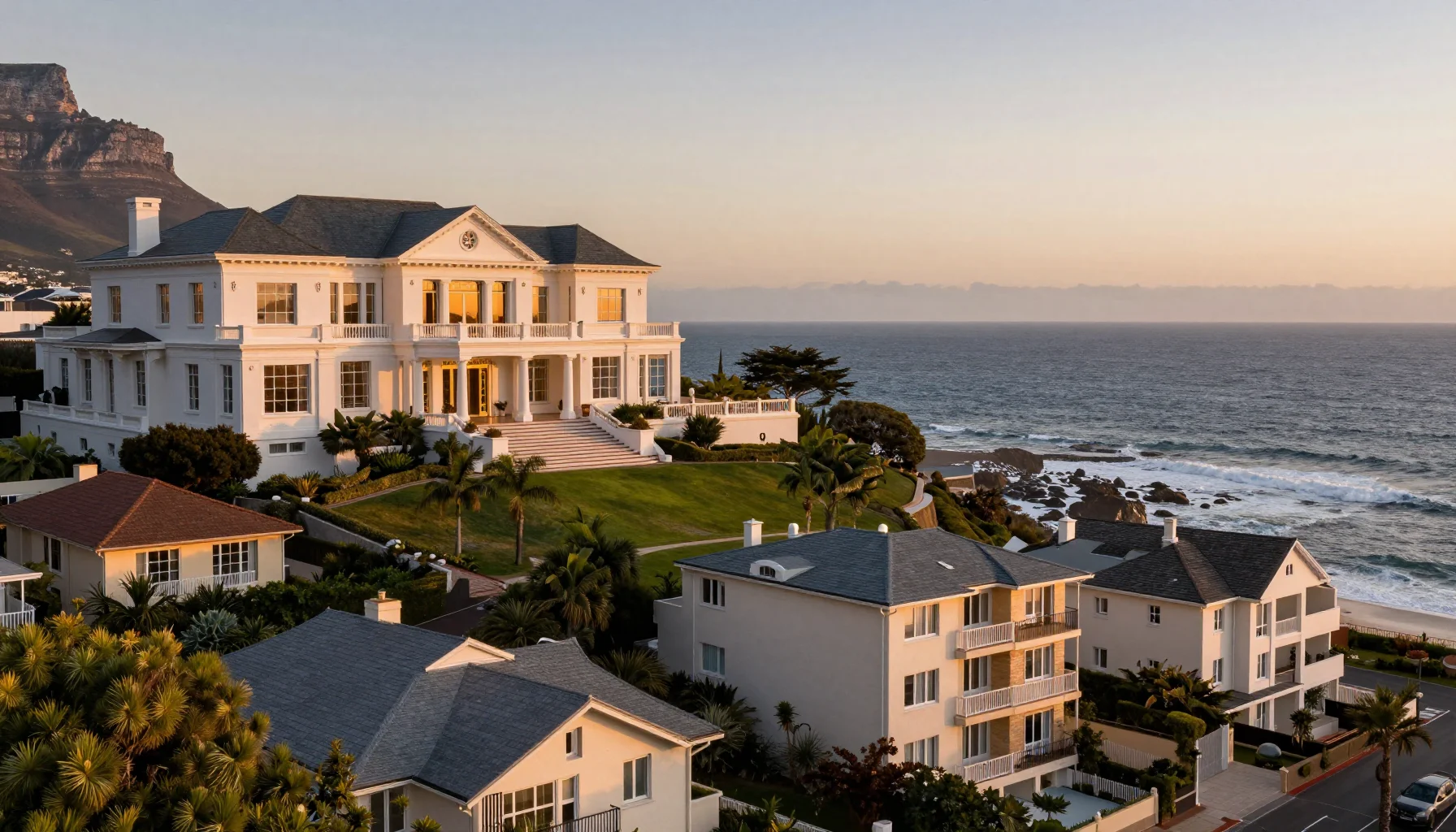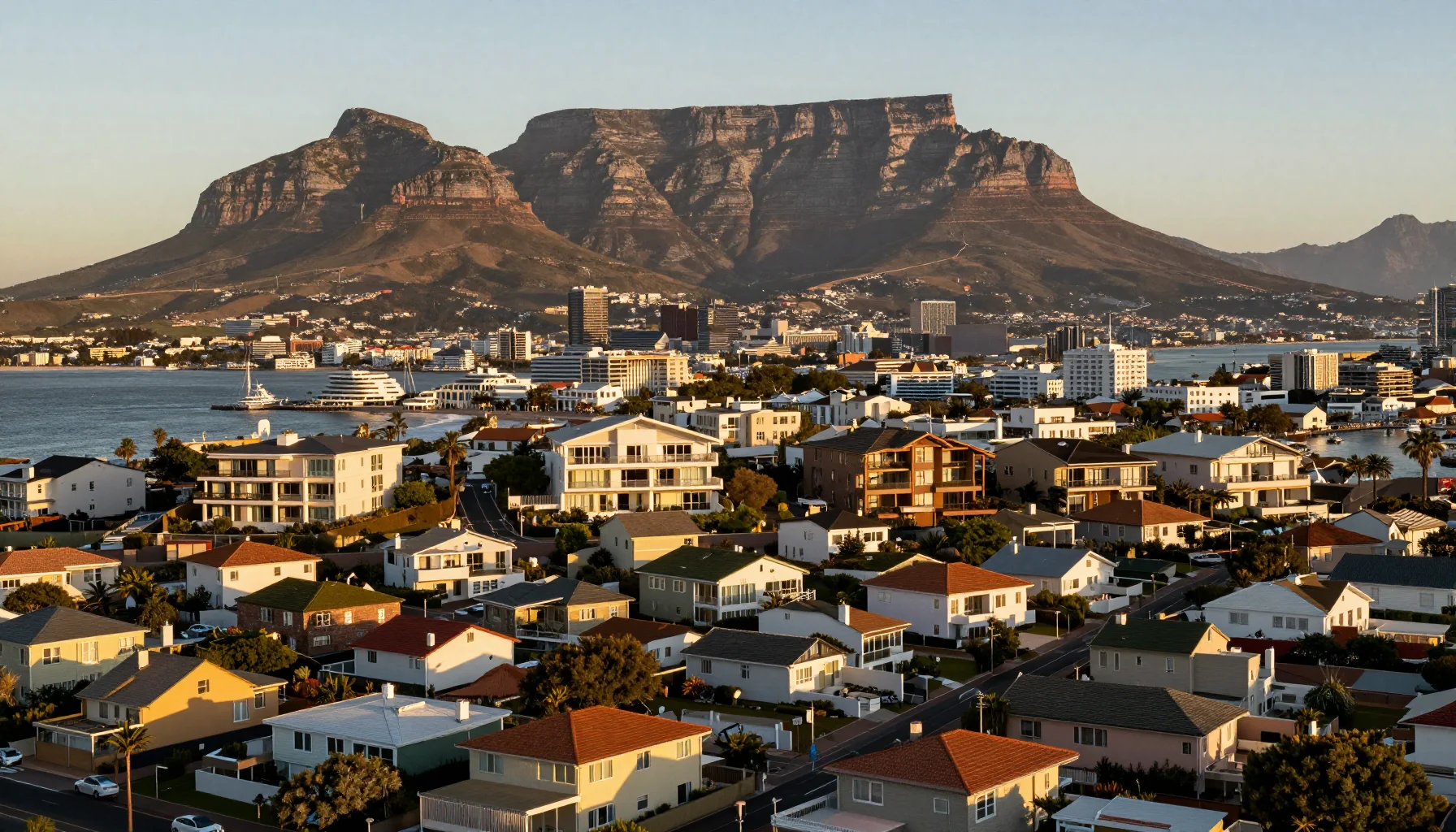
Cape Town luxury skyline contrasted with mid-market residential streets, capturing the stark two-speed divide of the property market under a golden sunset

Foreign Buyers Make Up Just 6% of SA Deals But Buy 39% of Luxury Homes: Which Tier Should Taiwan Investors Buy in Two-Speed Cape Town?

"Foreign buyers account for just 6% of South African property deals, yet they buy 39% of the luxury homes!" That is the most striking property statistic of the week in South Africa, from leading property research firm Lightstone Property (exclusively reported by BusinessTech on Aug 25). As Cape Town's middle class is priced out by rising prices, luxury homes are being snapped up by foreign capital from around the world—this is the "two-speed" Cape Town property market.

For Taiwan investors, this is not just headline news; it is a tiered decision on "which tier to buy": do you follow foreign buyers into luxury homes to enjoy appreciation and status? Or do you enter the mid-market rental segment to enjoy a stable 7.5-11.4% rental yield? The answer depends on your capital, risk tolerance, and investment goals.

Key Summary: Worth understanding in depth. Lightstone data shows foreign citizens account for only 6% of South African property deals but buy 39% of luxury homes above R20 million, and Cape Town's market is splitting into two speeds. Luxury homes can appreciate 12.9% annually; mid-market rentals yield 7.5-11.4%. Taiwan investors should deploy a tiered strategy based on capital. Consult DingYao now for a tiered Cape Town strategy.
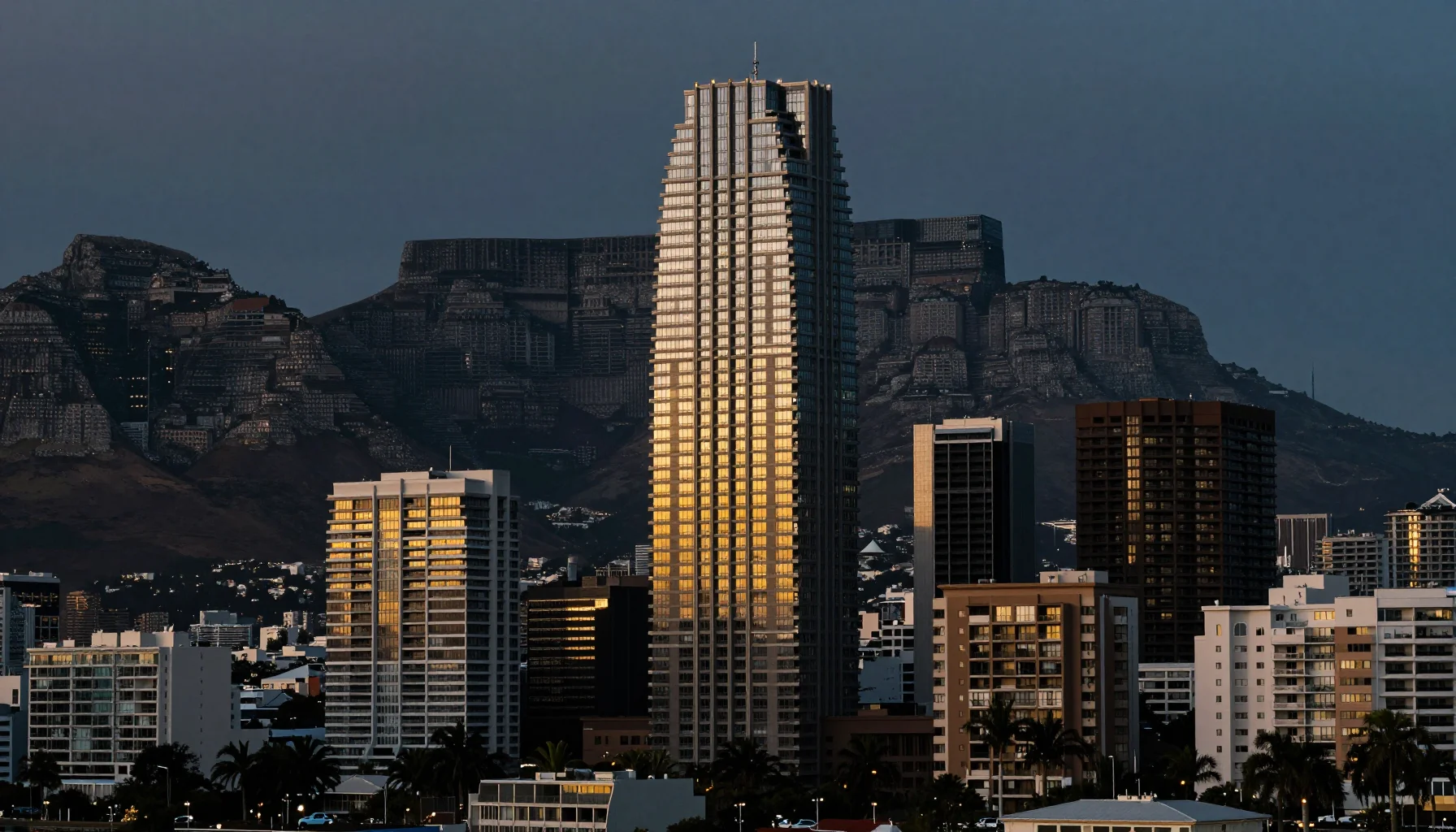
Lightstone's Shocking Data: 6% of Deals, 39% of Luxury Homes

Let's give a clear answer first: foreign buyers' influence on the South African property market far exceeds the surface numbers. According to the latest Lightstone Property data released in August 2026, foreign citizens account for only about 6% of total South African property transactions, but in the luxury market of homes valued above R20 million (about US$1.1 million), foreign buyers account for a striking nearly 40% (39%).

This stark "6% vs 39%" contrast reveals a key fact: foreign capital has not flooded the entire South African market; instead it is highly concentrated at the top of the luxury pyramid. BusinessTech reported on Aug 25 with the headline "Bad news for anyone buying a house in Cape Town," capetownetc noted that "foreign buyers sharpen Cape Town property competition," and IOL Cape Times on Aug 25 directly highlighted the "contrasting trends" driving the two-speed Cape Town market.

Key Insight: Foreign buyers account for only 6% of South African property deals but buy 39% of luxury homes above R20 million. This structural contrast shows foreign capital is highly concentrated at the top of the market. Taiwan investors should precisely position themselves within this pyramid rather than blindly following the trend.

"6% of transactions, 39% of the luxury market—this is not foreign investors invading South African property; it is global capital harvesting at the top of the market. Understanding this structure tells you exactly which tier to buy." — Scott Huang, CEO, DingYao Advisory

Cape Town's Two-Speed Market: Middle Class Priced Out, Luxury Snapped Up

Having understood the 6% vs 39% structure, the next key question is: why is the Cape Town property market splitting into two speeds? The answer lies in a double mismatch between "supply vs demand" and "domestic vs foreign capital."

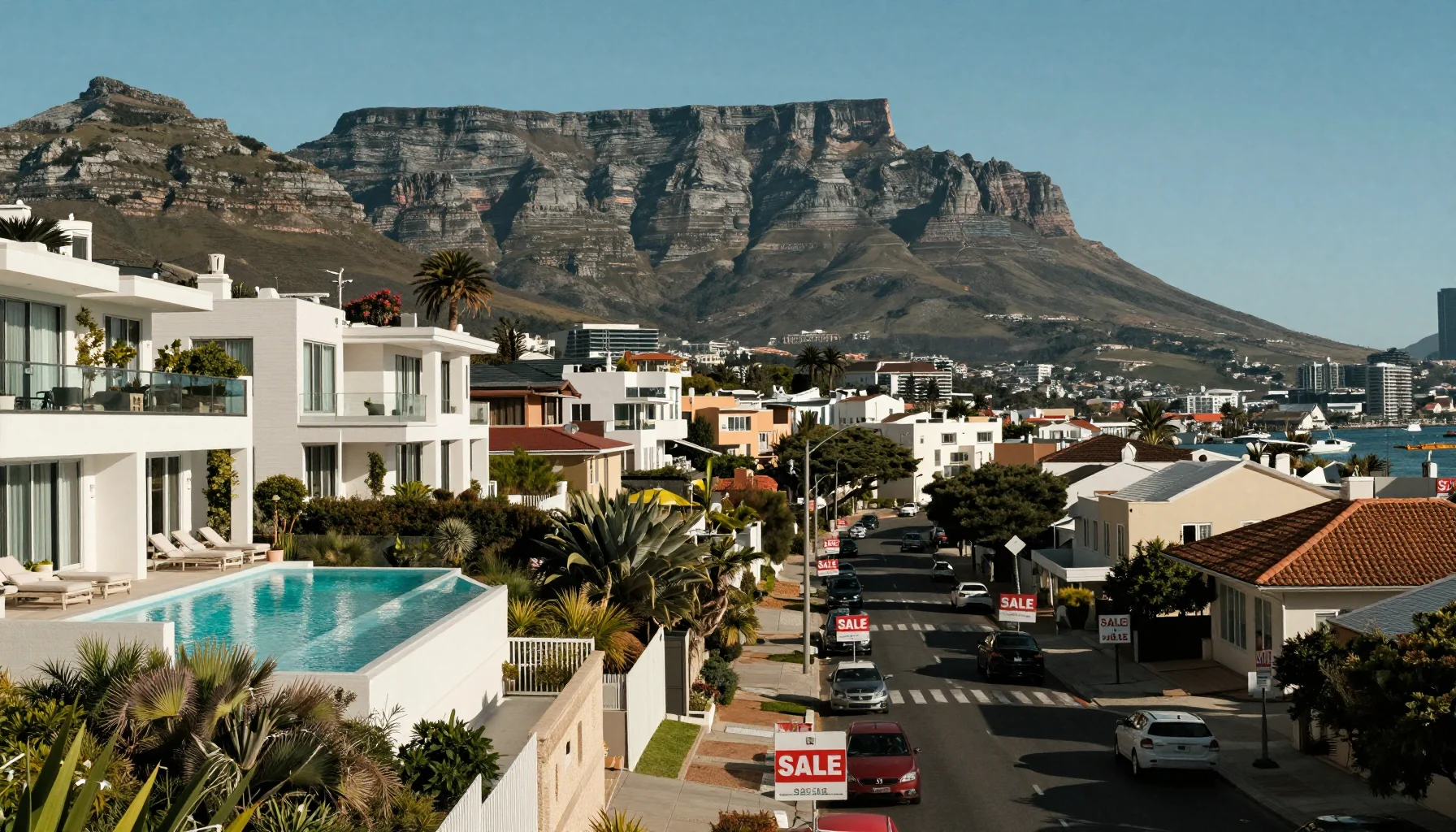
On one hand, Cape Town's middle class is being priced out by rising property prices. IOL Cape Times' Aug 25 "Contrasting trends in 2026" notes that Cape Town prices keep climbing, making it harder for first-time buyers and mid-market buyers to afford homes, slowing transactions in the lower and mid price bands. On the other hand, luxury homes are being snapped up by foreign buyers and affluent semigration (domestic relocation) families, creating a marked two-speed divide.

Mid-Market

Cape Town's middle class is priced out and transactions slow, but rental yields remain 7.5-11.4%.

Luxury Market

Luxury homes above R20 million are snapped up by foreign buyers, accounting for 39% with strong appreciation.

Semigration

Affluent South African families move from inland cities (like Johannesburg) to Cape Town, lifting high-end demand.

Two Speeds

Middle class priced out, luxury snapped up—a unique two-speed structure in Cape Town.

Key Insight: Cape Town's two-speed market stems from the mismatch between "middle class priced out" and "luxury snapped up by foreign capital." The Western Cape has the highest foreign buyer share (7.8%) nationally, and Cape Town has attracted R153 billion from foreign buyers over ten years. Understand the two speeds to find your entry point.

Luxury Homes vs Mid-Market Rentals: Which Tier Should Taiwan Investors Buy?

Having understood the two-speed market, Taiwan investors' core question is: luxury homes or mid-market rentals? There is no single answer—it is a tiered decision based on your capital size, risk tolerance, and investment goals.

Luxury homes offer the advantage of appreciation—high-end properties in prime areas like the Atlantic Seaboard can appreciate up to 12.9% annually and are status symbols that attract high-net-worth buyers. But the entry threshold is high (above R20 million) and liquidity is relatively lower. Mid-market rentals offer a stable 7.5-11.4% rental yield, strong cash flow, and a lower threshold, though appreciation is more modest.

Key Insight: Luxury homes and mid-market rentals represent two very different investment logics. Luxury emphasizes appreciation and status with a high threshold; rentals emphasize cash flow with a low threshold and 7.5-11.4% yields. Taiwan investors should deploy a tiered approach based on capital and goals—or even a "luxury + rental" combination.

"Not every Taiwan investor should buy a luxury home. Some want Atlantic Seaboard appreciation and status; others want the stable 7.5-11.4% rental yield. First know what you want, then decide which tier to buy." — Scott Huang, CEO, DingYao Advisory

Tiered Investment Comparison: Luxury, Mid-Market Rentals, Curated Assets

To give Taiwan investors a clear picture, the comparison table below lays out the investment characteristics of different Cape Town property tiers to help you make a tiered decision.

Tier Entry Threshold Expected Return Liquidity Best For?
Luxury Homes (R20M+) High Up to 12.9% annual appreciation Low-Medium High-net-worth investors
Mid-Market Rentals Medium 7.5-11.4% rental yield Medium Cash-flow seekers
Curated Commercial/Holiday Varies Depends on lease Medium Diversified allocation

Key Insight: Luxury homes emphasize appreciation (12.9%) but with a high threshold; mid-market rentals emphasize cash flow (7.5-11.4%) with a low threshold. Taiwan investors can choose a single tier or a "luxury + rental" combination based on capital, working with DingYao's local team to assess the best assets.

South Africa's 2026 Economy: A Tailwind for Property Fundamentals

Beyond the tiered strategy, another key factor underpinning Cape Town property investment is South Africa's 2026 macroeconomic fundamentals. According to the latest forecast from the Taiwan External Trade Development Council (TAITRA), South Africa's 2026 GDP growth is projected at 1.5% (rising to 1.7% in 2027), average inflation of 3.6%, and the rand is expected to weaken to 17.4/USD by year-end.

For Taiwan investors, the most critical factor is the effect of a weaker rand: as the rand depreciates against the Taiwan dollar or US dollar, it means the same amount of Taiwan dollars buys more South African assets, lowering the effective cost of property investment. Combined with modest 3.6% inflation and expectations of an SARB rate-cut cycle (prime could fall from 10.5%), the cost of financing Cape Town property is also declining.

Key Insight: South Africa's 2026 growth of 1.5%, inflation of 3.6%, and a rand expected at 17.4/USD by year-end. A weaker rand is a tailwind for investors holding Taiwan dollars (greater purchasing power), while rate-cut expectations lower financing costs. Macro fundamentals support long-term Cape Town positioning.

A Four-Step Tiered Strategy for Taiwan Investors

Having understood the structure, two speeds, tiered comparison, and fundamentals, how do Taiwan investors actually execute? The four-step framework below guides you through "position → choose tier → comply → land" for a Cape Town tiered property strategy.

01

Assess Capital and Goals

Take stock of your capital size and investment goals, decide whether to target luxury homes (appreciation) or mid-market rentals (cash flow), and set a clear budget and return expectation.

02

Choose Property Tier and Area

Select the tier and area based on capital: luxury areas like the Atlantic Seaboard / Camps Bay, or mid-market rental hotspots, with your local team assessing the best assets.

03

Fund Compliance and Purchase

Work with DingYao's local team to complete SARB balance-of-payments (BOP code) reporting, compliant fund transfers, and title transfer, ensuring the purchase is fully legal.

04

Property Management and Residency

Engage property management (for rental tiers) to capture rental income, and pursue residency planning in parallel, converting Cape Town assets into stable long-term returns.

Key Insight: A tiered strategy requires four steps: assess capital and goals → choose tier and area → fund compliance and purchase → property management and residency. Through these four steps, Taiwan capital is precisely allocated to the right Cape Town property tier, enjoying 7.5-11.4% rental income or high-end appreciation.

Conclusion: Understand the 6% vs 39%, Choose the Right Tier to Buy

Foreign buyers account for only 6% of South African property deals but buy 39% of luxury homes—this is not a sensational headline but the essence of Cape Town's two-speed market structure. Understanding this structure lets Taiwan investors choose the right tier between "luxury homes" and "mid-market rentals".

By contrast, luxury homes attract high-net-worth investors with appreciation (Atlantic Seaboard up 12.9% annually) and status, while mid-market rentals serve cash-flow seekers with a stable 7.5-11.4% rental yield. Combined with South Africa's 2026 fundamentals—1.5% growth, 3.6% inflation, and a weaker rand—understanding the two speeds and choosing the right tier is the key task for Taiwan investors in Cape Town property.

Want to know which Cape Town tier you should buy under the 6% vs 39% foreign-buyer structure? Book a consultation now and let DingYao Advisory help you assess a tiered luxury or mid-market rental strategy.

FAQ

Do foreign buyers really account for only 6% of SA property deals?

Yes. According to the latest Lightstone Property data from August 2026, foreign citizens account for only about 6% of total South African property transactions, but buy nearly 40% (39%) of homes above R20 million, showing foreign capital is highly concentrated in the luxury market.

What does the two-speed Cape Town property market mean?

Cape Town's market is splitting into two speeds: the middle class is being priced out by rising prices, while luxury homes are being snapped up by foreign buyers. The Western Cape has the highest foreign buyer share (7.8%) in the country, and Cape Town has attracted R153 billion from foreign buyers over ten years.

Should Taiwan investors buy luxury homes or mid-market rentals in Cape Town?

It depends on your goals. Luxury homes offer strong appreciation potential (up to 12.9% annual growth for high-end Atlantic Seaboard properties) but high entry thresholds; mid-market rentals offer stable cash flow with 7.5-11.4% rental yields. We recommend a tiered approach based on capital and risk tolerance.

What qualifications do foreigners need to buy a luxury home in Cape Town?

Foreigners can freely buy property in South Africa, but must apply to the SARB for balance-of-payments (BOP) code reporting and ensure fund transfers are compliant. We recommend working with DingYao Advisory's local team to complete fund compliance, property assessment, and residency planning.

Is South Africa's 2026 economy suitable for foreign property investment in Cape Town?

South Africa's 2026 economy is projected to grow 1.5% with inflation of 3.6%, and the rand is expected to weaken to 17.4/USD by year-end. A weaker rand means greater purchasing power for investors holding Taiwan dollars, which is a tailwind for Cape Town property investment.

Related Reading

Understand 6% vs 39% and Choose the Right Cape Town Tier to Buy

Foreign buyers account for just 6% of South African property deals but buy 39% of luxury homes, and Cape Town's market is splitting into two speeds. Luxury homes appreciate, mid-market rentals yield 7.5-11.4%. Which tier should you buy? Book a property assessment today and let DingYao Advisory build your tiered Cape Town strategy.

Book a Consultation