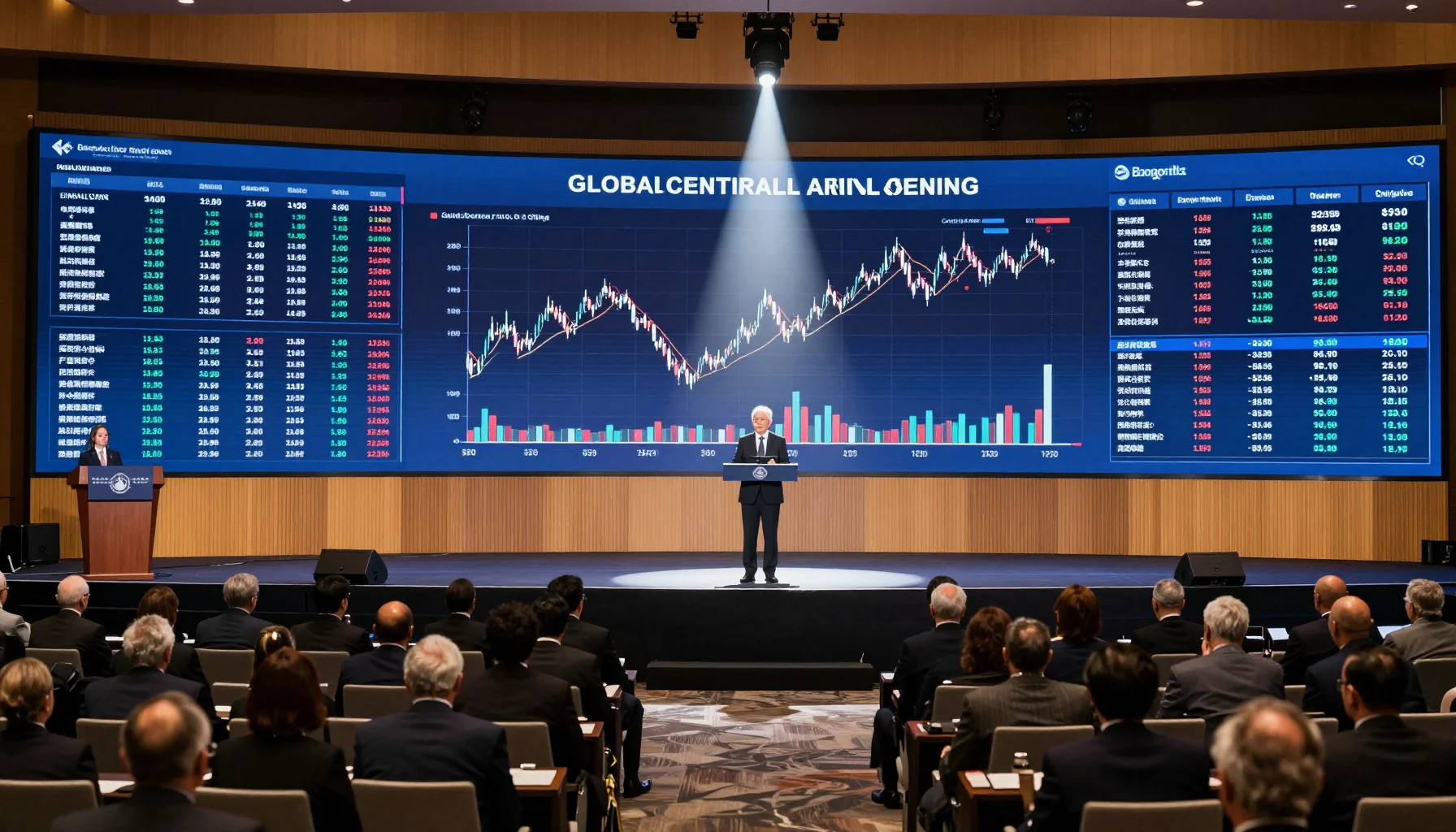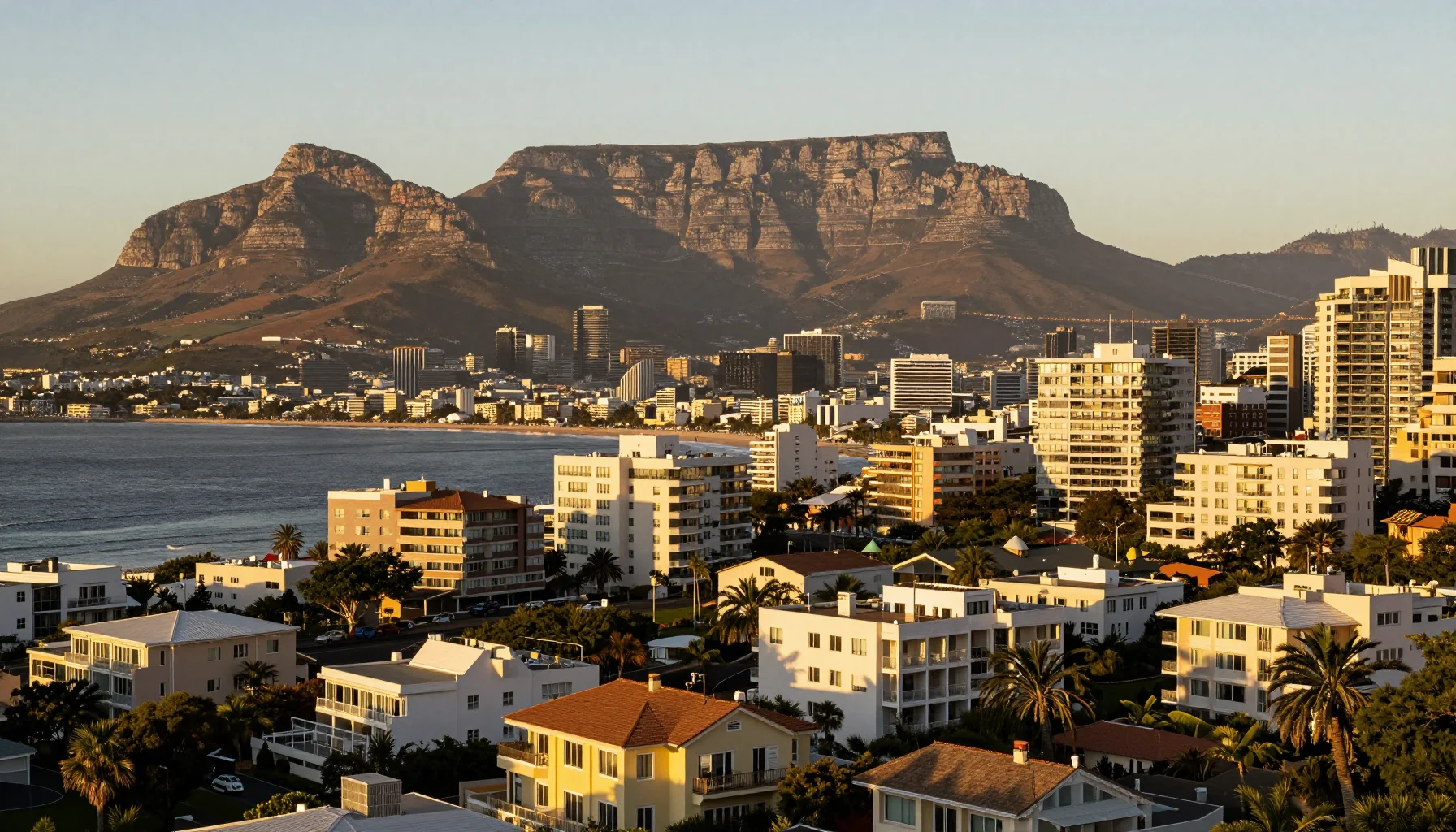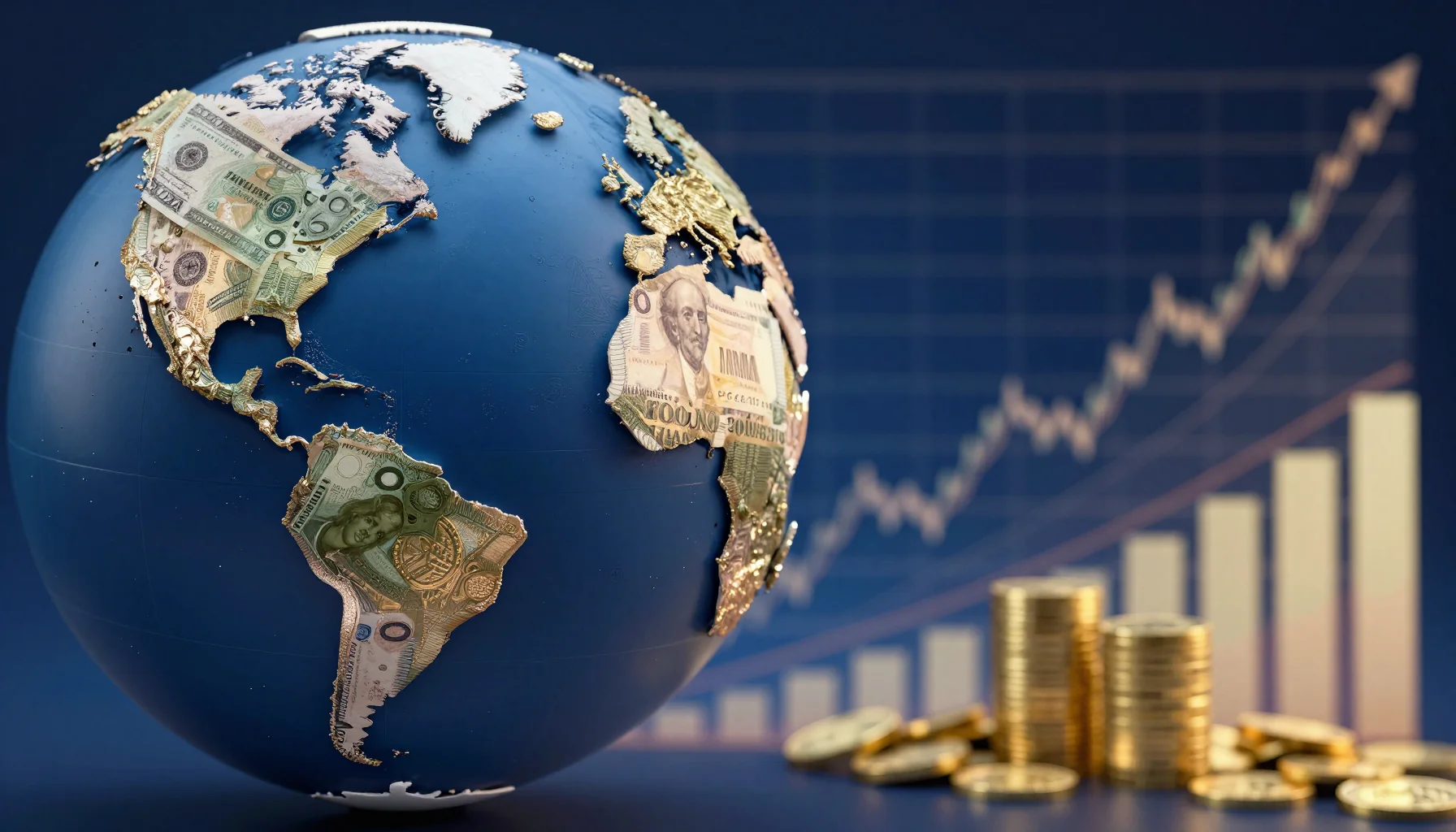
Global central bank conference and US Treasury yield curve contrasted with the Cape Town skyline, illustrating the shift from a rate storm to a capital safe haven and global asset allocation

Fed Warsh's Jackson Hole Debut: Cape Town Safe-Haven Property Amid Surging US Treasury Yields

"Fed Chair Warsh is set to deliver his first keynote speech at Jackson Hole on Aug 28, US Treasury yields are surging, and global capital may flow back into the dollar and out of emerging markets." This is the hottest question in global financial markets this week, and the capital-flow signal Taiwan investors care about most. As global capital reshuffles amid a rate storm, where should your money go?

For Taiwan investors, this is a critical moment of global capital rebalancing: rising US Treasury yields attract capital back into the dollar, pressuring emerging-market assets, but South African rand assets (7-8% deposits, 7.5-11.4% rental yields) and Cape Town physical property can play the role of a capital safe haven amid the rate storm. This is the "stocks/finance" hot-topic traffic the boss directed on 8/14, precisely hitting this week's hottest global finance event (Warsh's Jackson Hole debut).

Key Summary: Worth watching. Fed Chair Warsh's Jackson Hole debut on Aug 28 and surging US Treasury yields are reshaping global capital flows. South African deposits at 7-8% and Cape Town rental yields of 7.5-11.4% offer a relatively stable safe haven amid the rate storm. Consult DingYao now for a one-stop Cape Town property + asset allocation solution.

Warsh's Jackson Hole Debut: Why the Global Central Bank Conference Moves Your Money

Let's give a clear answer first: Warsh's Jackson Hole debut is the most critical event in global financial markets this week. Fed Chair Kevin Warsh took over on May 22 and removed forward guidance. His Aug 28 keynote at the Jackson Hole global central bank conference (10 pm Taiwan time) is his first since taking office, and markets are watching for guidance on surging US Treasury yields.

The Jackson Hole conference is the annual gathering of global central bankers and economists, where Fed chairs have historically released key policy signals. The official theme is "Financial Innovation: Implications for Payments and Policy," but market focus is entirely on the direction of rates. The US FOMC on Sep 19 is just 19 days away (StockFeel), and Warsh's speech will provide critical rate guidance to the market.

Key Insight: Warsh's Jackson Hole debut is this week's hottest global finance event. He took over as Fed Chair on May 22 and removed forward guidance, and his Aug 28 first keynote will signal the direction of rates, just 19 days before the Sep 19 FOMC. Taiwan investors are highly focused on US Treasury yield direction, which is the core of the "global asset allocation" topic.

"When the Fed Chair signals rates at Jackson Hole, global capital reshuffles. Rather than guessing the direction of US Treasury yields, Taiwan investors should think about how to diversify into physical assets not directly hit by a single central bank's policy." — Scott Huang, CEO, DingYao Advisory

Surging US Treasury Yields: The Key Signal for Global Capital Flows

Surging US Treasury yields are the most-watched signal in global financial markets this week (Reuters Aug 24 bond market anxiety). When US Treasury yields rise, global capital tends to flow back into the dollar and out of emerging markets, pressuring emerging-market currencies and assets. For Taiwan investors, this is both a risk and an opportunity to reallocate capital.

The significance of rising US Treasury yields is that when dollar asset returns improve, global capital retreats from higher-risk emerging markets. But this does not mean all emerging-market assets should be avoided — South African rand assets and Cape Town physical property, with their high-yield and physical-preservation characteristics, can instead play a safe-haven role during capital rebalancing.

US Treasury Yields

Rising US Treasury yields attract global capital back into the dollar, the most-watched capital-flow signal this week.

Global Capital Rebalancing

Capital flows from emerging markets back into the dollar, so Taiwan investors need to rethink global asset allocation.

Capital Safe Haven

South African high-yield assets and Cape Town physical property play a safe-haven role amid the rate storm.

Rand Assets

South African rand deposits at 7-8% provide stable returns even amid volatility thanks to their high-yield nature.

Key Insight: Surging US Treasury yields are the key signal for global capital rebalancing. Capital flows back into the dollar and out of emerging markets, but South African rand assets and Cape Town physical property, with their high-yield and physical-preservation characteristics, can instead play a safe-haven role amid the rate storm. This is the golden entry point for "global asset allocation."

Emerging-Market Capital Outflow Risk: The Rand Asset Safe-Haven Role

Having understood the impact of US Treasury yields, the next key question is: with emerging-market capital outflows, how should South African rand assets be viewed? The answer is not panic, but the "high-yield + physical" safe-haven logic.

When global capital flows back into the dollar, emerging-market currencies and assets generally come under pressure, but South African rand assets have a high-yield characteristic — fixed deposit rates of around 7-8%, far above most developed markets. High yields mean that even amid capital outflows, rand assets still provide stable returns through interest income, reducing volatility impact. Cape Town physical property provides asset preservation, unaffected directly by US Treasury yields.

Key Insight: Amid emerging-market capital outflow risk, South African rand assets play a safe-haven role thanks to their high yields (7-8% deposits) and physical-preservation characteristics. Cape Town physical property is not directly hit by US Treasury yields, making it a physical solution for Taiwan investors diversifying global asset allocation.

"Capital outflows do not mean every emerging market should be avoided. The high-yield nature of South African rand assets makes them a safe haven during global capital rebalancing — high yield plus physical preservation is a dual defense against the rate storm." — Scott Huang, CEO, DingYao Advisory

South African High-Yield Assets: The Dual Safe Haven of 7-8% Deposits and Cape Town Rental Yields

South African high-yield assets are a dual safe haven for Taiwan investors amid the rate storm. The first layer is South African fixed deposits, with rates of around 7-8%, providing stable interest income; the second layer is Cape Town property, with rental yields generally ranging from 7.5% to 11.4%, far above most Taiwan fixed deposits and rental returns.

The significance of this dual safe haven is that when US Treasury yields surge and global capital rebalances, South African high-yield assets still provide stable returns. South Africa's July inflation has cooled to 4.3% (Momentum Group warns the decline may not last), and the market broadly expects the SARB to begin a cutting cycle on Sep 19. If rates are cut, the prime rate could drop from 10.5%, lowering Cape Town mortgage costs.

Key Insight: South African high-yield assets are a dual safe haven amid the rate storm: 7-8% deposits provide stable interest, and Cape Town property's 7.5-11.4% rental yields provide physical returns. With South African inflation at 4.3% and rate-cut expectations rising, this is the time for Taiwan investors to diversify into South African high-yield assets.

Cape Town Property: A Physical Asset Safe Haven Amid the Rate Storm

Having understood South African high-yield assets, the next key question is: how does Cape Town property become a capital safe haven? The answer lies in the "physical asset + high rental yield + asset preservation" triple characteristic.

Cape Town is South Africa's economic hub and international city, with foreign buyers continuing to chase premium properties (a UK buyer set a record R15.9M for a Newlands penthouse, and Western Cape leads foreign buyers investing in property). Cape Town property rental yields of 7.5%-11.4%, combined with the preservation characteristics of physical assets, let property provide stable rental returns and hedge against capital volatility amid the rate storm.

Physical Asset

Cape Town property is a physical asset, not directly hit by US Treasury yields, providing asset preservation.

High Rental Yields

Cape Town rental yields of 7.5-11.4%, far above most Taiwan fixed deposits and rental returns.

International City

Cape Town is South Africa's economic hub, with foreign buyers continuing to chase premium properties.

Capital Safe Haven

Physical property provides stable rental returns and asset preservation amid the rate storm.

Key Insight: Cape Town property is a physical asset safe haven amid the rate storm. 7.5-11.4% rental yields + physical preservation + international city demand let property provide stable returns and asset preservation even as US Treasury yields surge and global capital rebalances. This is the physical solution for Taiwan investors diversifying global asset allocation.

Global Asset Allocation vs Cape Town High-Yield Assets: Return Comparison

When choosing between "staying in Taiwan stocks, allocating to US Treasuries, or diversifying into South African high-yield assets," how should Taiwan investors decide? The table below shows the returns and risks of different capital allocation strategies.

Strategy Expected Return Rate Sensitivity Capital Safe Haven? Best For
Stay in Taiwan stocks High (but volatile) High (affected by US Treasury yields) Low High risk tolerance
Allocate to US Treasuries Medium (rising yields) High (directly affected by yields) Medium Conservative investors
South African deposits 7-8% stable interest Low (high-yield nature) ✅ High Seeking stable cash flow
Cape Town property 7.5-11.4% rental Low (physical preservation) ✅ High ✅ Diversification

Key Insight: South African deposits at 7-8% and Cape Town property's 7.5-11.4% rental yields are relatively stable capital safe havens amid the rate storm. Combined with South African inflation at 4.3% and rate-cut expectations, you can turn Taiwan stock and US Treasury capital into a diversified, stable, high-yield global asset portfolio.

Capital Safe-Haven Strategy: How Taiwan Investors Allocate

Having understood the safe-haven role of South African high-yield assets and Cape Town property, how do Taiwan investors actually execute? The four-step framework below walks you through the "global capital rebalancing → South African high-yield assets → Cape Town property" allocation.

01

Assess global asset allocation needs

Review the capital ratio in Taiwan stocks and US Treasuries, assess the impact of surging US Treasury yields on your assets, and confirm the strategic value of diversifying into South African high-yield assets.

02

Allocate to South African high-yield deposits

Complete fund compliance through the local team and allocate to South African deposits (7-8%), capturing the high-yield nature and the rand asset's safe-haven role.

03

Invest in Cape Town property

Assess Cape Town property investment, capturing 7.5-11.4% rental yields and the South African inflation 4.3% rate-cut backdrop, and set physical asset allocation targets.

04

Residency planning and asset management

Work with DingYao's local team (Crestline for execution, Standard Bank for custody, Garlicke & Bousfield for legal) to complete residency planning and property management, turning Cape Town assets into stable returns.

Key Insight: Taiwan investors allocating a capital safe haven need four steps: first assess global asset allocation, then allocate to South African high-yield deposits, then invest in Cape Town property, and finally complete residency planning and asset management. Through these four steps, you can turn Taiwan stock and US Treasury capital into 7-11.4% stable returns and global asset allocation.

Conclusion: Turn Global Capital Rebalancing into a Cape Town High-Yield Asset Safe Haven

Fed Chair Warsh's Jackson Hole debut on Aug 28 and surging US Treasury yields are reshaping global capital flows. Taiwan investors are highly focused on the direction of rates, but rather than guessing the direction of US Treasury yields, they should think about how to diversify into physical assets not directly hit by a single central bank's policy.

In contrast, South African deposits at 7-8% and Cape Town property rental yields of 7.5-11.4%, combined with South African inflation cooling to 4.3% and SARB rate-cut expectations on Sep 19, are a capital safe haven for Taiwan investors amid the rate storm. Turning global capital rebalancing into a Cape Town high-yield asset safe haven is a key challenge for Taiwan investors in 2026.

Want to learn how to turn global capital rebalancing into a South African Cape Town high-yield asset safe haven? Book a consultation today and let DingYao Advisory build your one-stop Cape Town property + asset allocation solution.

FAQ

Why does Fed Chair Warsh's Jackson Hole debut matter?

Warsh took over as Fed Chair on May 22 and removed forward guidance. His Aug 28 Jackson Hole speech is his first keynote since taking office, and markets are watching for guidance on surging US Treasury yields. The US FOMC on Sep 19 is just 19 days away, making global capital flows highly sensitive.

How do surging US Treasury yields affect global capital?

Rising US Treasury yields attract global capital back into the dollar and out of emerging markets, pressuring emerging-market currencies and assets. For Taiwan investors, this is the time to diversify into South African high-yield assets and Cape Town physical property.

How high are South African high-yield asset returns?

South African fixed deposits offer around 7-8%, and Cape Town property rental yields generally range from 7.5% to 11.4%, far above most Taiwan fixed deposits and rental returns, making them a relatively stable safe haven during a rate storm.

How does Cape Town property become a safe haven?

Cape Town physical property offers 7.5-11.4% rental yields and asset preservation, unaffected directly by US Treasury yields. With South African inflation at 4.3% and rate-cut expectations rising, it is a physical solution for Taiwan investors diversifying global asset allocation.

How can Taiwan investors allocate to South African high-yield assets and Cape Town property?

We recommend working with DingYao Advisory's local team (Crestline for execution, Standard Bank for custody, Garlicke & Bousfield for legal) to complete fund compliance, Cape Town property investment, property management, and residency planning for a one-stop diversification into South African high-yield assets.

Related Reading

Turn global capital rebalancing into a South African Cape Town high-yield asset safe haven

Fed Chair Warsh's Jackson Hole debut on Aug 28 and surging US Treasury yields — South African deposits at 7-8% and Cape Town property rental yields of 7.5-11.4% are a capital safe haven amid the rate storm. Book a property assessment today and let DingYao Advisory build your one-stop Cape Town property + asset allocation solution.

Book a Consultation