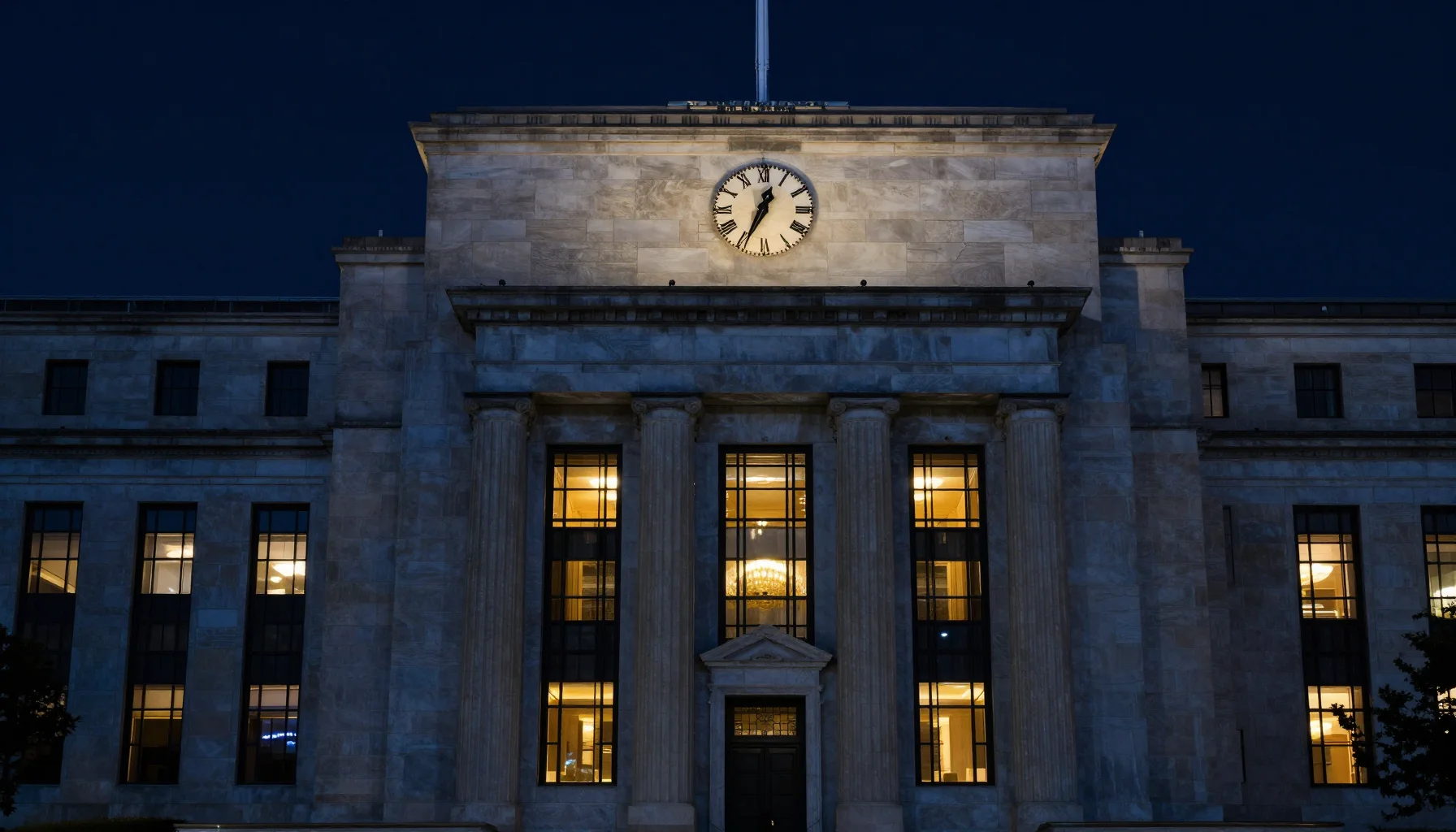
Fed September 2026 rate decision Cape Town property strategy

Fed September 2026 Rate Decision: Dollar Strength, Rand Softening, and a Three-Scenario Cape Town Property Strategy

The Fed's 9/15-16 FOMC meeting is the biggest event in global financial markets this week. CME FedWatch showed a 66% probability of a 25bp hike in September (Forbes 8/31), and Reuters reported on 8/31 that the rand has softened to ~16.13 on dollar strength and Fed hike concerns — a sharp reversal after yesterday's rand-below-16 article (SARB official 15.9384 on 8/26). For Taiwanese investors, this is not a reason to wait — it is a signal to position: a Fed hike → a stronger dollar → a softer rand → South African assets cheaper in TWD terms.

Two weeks later, the SARB decision on 9/23 follows, creating a "dual central bank decision month." This article uses a three-scenario framework (Fed hikes / holds / surprise cut) to analyze each scenario's impact on the rand, South African rates, and Cape Town property costs, giving you a complete positioning strategy.

Key Takeaway: It's worth positioning. The Fed's 9/16 hike odds are 66% (CME FedWatch), and dollar strength has pushed the rand back to 16.13, making South African assets cheaper in TWD terms. Western Cape prices are projected to grow 4-7% in 2026, with Cape Town rental yields of 7.5-11.4%. A 9/23 SARB cut would further lower mortgage costs — the dual central bank month is a window to position, not to wait.

Fed 9/16 Rate Decision Countdown: The Biggest Event of the Week

The Fed will hold a two-day FOMC meeting on 9/15-16, announcing its decision at 2pm ET on 9/16 followed by a press conference. According to Forbes 8/31, CME FedWatch shows a 66% probability of a 25bp hike in September. Looking back at the 7/29 FOMC, the Fed held rates 9-3, keeping the federal funds rate at 3.50-3.75%, but hawkish members including Warsh continue to signal hikes.

For Taiwanese investors, the Fed's decision matters far beyond US markets. The dollar is the anchor of global capital pricing: a Fed hike → a stronger dollar index → pressure on emerging market currencies → a softer rand → lower TWD-denominated costs for South African assets. This transmission chain is the core of this article's three-scenario framework.

9/15-16 FOMC

Two-day Fed meeting, decision at 2pm ET on 9/16 with a press conference.

66% Hike Odds

CME FedWatch on 8/31 shows a 66% probability of a 25bp hike in September (Forbes).

Fed Funds Rate 3.50-3.75%

7/29 FOMC held 9-3, with hawkish members signaling further hikes.

The Dollar Anchors Global Pricing

Fed hike → stronger dollar → pressure on EM currencies → softer rand.

Dollar Strength, Rand Softening: The Latest Reversal Signal

Yesterday's rand-below-16 article described the rand breaking below 16 to the dollar (SARB official 15.9384 on 8/26), but the situation has already reversed. Reuters reported on 8/31 that the rand softened to ~16.13 on dollar strength, softer metal prices, and Fed hike concerns; MTFX reported 16.12875 on 8/30 and 16.17251 on 8/29. In just a few days, the rand moved from 15.94 back to 16.13 — the latest "appreciate first, soften after" dynamic.

Looking at the full month, Currency News data shows USD/ZAR opened at 16.46299 and closed at 16.16871, with a monthly average of 16.16834 and a high of 16.55654 (8/3). The rand is oscillating around the 16 level, and the Fed's 9/16 decision will determine the next direction.

"Fed hike expectations are the direct driver of the rand's softening. For Taiwanese investors, a softer rand is not bad news — the same TWD buys more rands, lowering the TWD-denominated threshold for Cape Town property." — DingYao Advisory Investment Advisory Team

This currency dynamic stacks with Cape Town's property fundamentals. Western Cape prices are projected to grow 4-7% in 2026, Cape Town's Atlantic Seaboard luxury properties appreciate 12.9% annually, and rental yields range 7.5-11.4%. A softer currency, asset appreciation, and rental income create a triple-layered investment opportunity.

The Three-Scenario Framework: How the Fed Decision Moves the Rand and Property Costs

The Fed's 9/16 decision has three possible scenarios, each affecting the rand, South African rates, and Cape Town property costs differently. Here is an overview of the three scenarios before we dive into each:

Scenario 1: Hike 25bp (66% odds)

Stronger dollar, softer rand → cheaper in TWD → the positioning window opens.

Scenario 2: Hold (~30% odds)

Dollar range-bound, rand stable → currency neutral → focus on quality areas.

Scenario 3: Surprise Cut (low odds)

Weaker dollar, stronger rand → TWD costs rise → accelerate decisions.

Common Conclusion

In every scenario, the window around the 9/16 decision is key for positioning in Cape Town property.

The key difference across scenarios is the direction of "TWD-denominated cost." Taiwanese investors typically convert TWD to USD, then to rands for South African property purchases, so the relative strength of the dollar and the rand directly determines the TWD-denominated threshold for Cape Town property.

Scenario 1: Fed Hikes 25bp → Stronger Dollar, Softer Rand → Cheaper in TWD

If the Fed hikes 25bp on 9/16 (66% odds per CME FedWatch), the dollar index will strengthen further, emerging market currencies will come under broad pressure, and the rand could soften to the 16.3-16.5 range. For Taiwanese investors, this means the same TWD buys more rands, further lowering the TWD-denominated cost of Cape Town property.

For example, if a Cape Town property is priced at R5,000,000, the TWD cost at a rand of 16.13 is already lower than at 15.94; if the rand softens further to 16.5, the TWD cost drops another notch. This is the logic of "a stronger dollar = lower property cost."

  • Rand trajectory — Dollar strength pressures the rand, possibly back to the 16.3-16.5 range
  • TWD-denominated cost — The threshold for Cape Town property falls, opening a window to enter in tranches
  • SARB room — A softer rand gives SARB more room to cut, raising 9/23 cut odds
  • Positioning strategy — After the hike lands, if the rand softens further, convert rands in tranches and lock in quality properties

Key Insight: In a hike scenario, a softer rand is a "currency dividend" for Taiwanese investors. Fed hike → stronger dollar → softer rand → Cape Town property cheaper in TWD. This is not a reason to wait — it is a window to position in tranches.

Scenario 2: Fed Holds → Dollar Range-Bound, Rand Stable

If the Fed holds on 9/16 (~30% odds), the dollar index may consolidate, and the rand could hold around the 16 level. The 7/29 FOMC held 9-3, showing internal disagreement on hikes; if September also holds, markets will reprice the Fed's tightening path.

In this scenario, the rand trades in the 16.0-16.2 range, and TWD-denominated costs stay close to current levels. For Taiwanese investors, this is a "currency-neutral" environment — the focus returns to Cape Town's property fundamentals: Western Cape price growth of 4-7%, rental yields of 7.5-11.4%, and foreign buyers flowing into the high-end market.

  • Rand trajectory — Dollar range-bound, rand stable in the 16.0-16.2 range
  • TWD-denominated cost — Close to current levels, currency neutral
  • SARB room — With the rand stable, the 9/23 decision focuses more on domestic inflation and growth
  • Positioning strategy — In a currency-neutral environment, focus on quality areas and property types

Notably, a hold does not mean the Fed's tightening is over. Hawkish members including Warsh continue to signal hikes, and the December FOMC could still hike. For long-term Taiwanese investors, a currency-neutral period is actually a good time to select areas carefully and complete capital planning.

Scenario 3: Surprise Cut → Weaker Dollar, Stronger Rand

If the Fed unexpectedly cuts (low odds), the dollar index will weaken noticeably, and the rand could rally back to the 15.8-16.0 range, possibly challenging 15.8. In this scenario, the TWD-denominated cost of Cape Town property rises, and the "stronger rand = cheaper" logic from yesterday's rand-below-16 article would reassert itself.

For Taiwanese investors, a surprise cut is a "higher cost" scenario — a stronger rand means the same TWD buys fewer rands, raising the TWD-denominated threshold for Cape Town property. But it is also an "easier liquidity" scenario: global risk appetite rises, emerging market assets (including South Africa) may see capital inflows, and property price appreciation momentum strengthens.

  • Rand trajectory — Weaker dollar, rand rallies to the 15.8-16.0 range
  • TWD-denominated cost — The threshold for Cape Town property rises
  • SARB room — In a globally easier environment, 9/23 cut odds rise
  • Positioning strategy — In a higher-cost scenario, accelerate decisions and lock in the current currency advantage

Key Insight: A surprise cut is a mixed scenario of "higher cost but easier liquidity." A stronger rand raises TWD costs, but global capital inflows could lift South African prices. For investors who have not yet positioned, locking in the currency advantage before the decision is key.

The Dual Central Bank Month: 9/16 Fed + 9/23 SARB Relay

September is a rare "dual central bank decision month": one week after the Fed's 9/16 decision, SARB holds its MPC decision on 9/23 (confirmed by Nedbank). SARB's policy rate is currently 7.00%, CPI 4.3%, and Prime 10.50%. Two central bank decisions in a row move the complete transmission chain of the rand, South African rates, and Cape Town property costs.

For Taiwanese investors, the positioning logic for the dual central bank month is as follows:

  • Fed hike → softer rand → lower TWD costs — The currency dividend may widen after the 9/16 decision
  • SARB cut → lower mortgage costs — Prime is currently 10.50%; a 9/23 cut would lower South African mortgage rates
  • Double tailwind stacking — Currency costs and financing costs fall together, a golden window for Cape Town property

Notably, a Fed hike actually gives SARB more room to cut — a stronger dollar pressures the rand, easing South Africa's imported inflation, so SARB can focus more on supporting growth. This is the "Fed hike → South Africa cut" linkage, and the most structural opportunity of the dual central bank month for Taiwanese investors.

Key Insight: The 9/16 Fed + 9/23 SARB decisions form a "dual central bank month." A Fed hike pressures the rand while a SARB cut lowers mortgage costs — a double tailwind for Taiwanese investors on currency and rates. The window before the decisions is key to timing your Cape Town investment.

Cape Town Property Cost Comparison Across the Three Scenarios

The following table summarizes the rand trajectory, TWD-denominated costs, and key Cape Town property data across the three scenarios, helping Taiwanese investors quickly assess positioning:

Indicator Value Meaning for Taiwanese Investors
Fed hike odds 66% (CME FedWatch 8/31) Scenario 1 dominates, dollar strength pressures the rand
Rand to USD (8/31) ~16.13 (Reuters) Softened from 15.94, lowering TWD-denominated cost
SARB official 8/26 15.9384 Broke below 16, yesterday's rand-below-16 signal
Scenario 1: Hike 25bp Rand may soften to 16.3-16.5 Cheaper in TWD, window to enter in tranches
Scenario 2: Hold Rand stable at 16.0-16.2 Currency neutral, focus on quality areas
Scenario 3: Surprise cut Rand rallies to 15.8-16.0 TWD costs rise, accelerate decisions
SARB policy rate 7.00% Possible 9/23 cut, lowering mortgage costs
Prime rate 10.50% Lower financing costs after a cut
Western Cape price growth 4-7% (2026 est.) Asset appreciation potential
Cape Town rental yields 7.5-11.4% More attractive rental income under currency advantage

As the table shows, whether the Fed hikes or holds, a softer rand keeps the TWD-denominated cost of Cape Town property at a relatively low level. Combined with price growth and rental income, currency, appreciation, and yield stack up — a favorable time for Taiwanese investors to position.

A Three-Scenario Positioning Strategy for Taiwanese Investors

After understanding the three scenarios, Taiwanese investors need an executable positioning strategy. DingYao Advisory provides advisory on market analysis, investment assessment, and legal and capital structuring, helping Taiwanese investors understand the cross-border investment process; actual property transactions are handled by licensed South African partners.

01

Scenario Assessment and Market Analysis

Before the 9/16 decision, use the three-scenario framework to assess the Fed's direction. DingYao provides Cape Town market data, area analysis, and investment assessment to help Taiwanese investors understand the market and timing.

02

Fund Transfer and Compliance Planning

Under South African exchange control rules, Taiwanese investors can transfer funds through legal channels. DingYao provides advisory on capital structuring and compliance to help you manage cross-border fund arrangements.

03

Legal and Tax Structuring

Through licensed South African partners and law firms, plan an appropriate legal and tax structure to ensure compliance and optimize tax costs.

04

Position in Tranches and Hold Long Term

In a hike scenario with a softer rand, convert rands in tranches and lock in quality properties; in a hold scenario, select areas carefully; in a surprise cut scenario, accelerate decisions. Cape Town property is a long-term asset allocation, and DingYao provides ongoing asset management and market information.

Advice for Investors: The Fed's 9/16 decision is imminent — how should you position for Cape Town property under dollar strength? Use the three-scenario framework to assess the decision and seize the dual central bank month window. DingYao Advisory acts as an information advisor, providing market analysis, investment assessment, and legal and capital structuring; actual property transactions are handled by licensed South African partners.

Frequently Asked Questions

How does the Fed rate decision on Sept 16 affect Cape Town property investment?

If the Fed hikes 25bp on 9/16 (66% odds per CME FedWatch), dollar strength will pressure the rand, making South African assets cheaper in TWD terms. With Western Cape prices projected to grow 4-7% in 2026 and Cape Town rental yields of 7.5-11.4%, a softer rand is a reason to position, not to wait.

Is it a good time to buy Cape Town property when the dollar strengthens and the rand softens?

Yes. A softer rand means the same TWD buys more rands, lowering the TWD cost of Cape Town property. Reuters reported the rand softening to 16.13 on 8/31. Combined with Western Cape price growth of 4-7% and rental yields of 7.5-11.4%, currency advantage and asset appreciation stack up.

What will SARB do on 9/23 after the Fed decision?

A Fed hike pressures the rand and gives SARB more room to cut. SARB's policy rate is 7.00% and Prime is 10.50%. If SARB cuts on 9/23, South African mortgage costs fall, and with a softer rand, Taiwanese investors get a double tailwind on financing and currency costs.

How should Taiwanese investors position for Cape Town property around the Fed decision?

Use a three-scenario framework: in a hike scenario the dollar is strong and the rand soft, TWD costs are low, so enter in tranches; in a hold scenario the currency is range-bound, so focus on quality areas; in a surprise cut scenario the rand strengthens, so accelerate decisions. DingYao provides advisory on market analysis and capital structuring.

Is now the best time to invest in Cape Town property?

From both currency and interest-rate perspectives, the window around the 9/16 Fed decision is favorable. Whether the Fed hikes or holds, a softer rand keeps TWD costs low; a 9/23 SARB cut would further lower mortgage costs. Investors should consider positioning during this dual-central-bank month and consult advisors for market analysis.

Conclusion: Seize the Dual Central Bank Month Window

The Fed's 9/16 rate decision countdown is a key signal for Taiwanese investors to position in Cape Town property. Whether the Fed hikes (66% odds), holds, or surprises with a cut, a softer rand keeps TWD-denominated costs at a relatively low level; a 9/23 SARB cut would further lower mortgage costs. Western Cape price growth and Cape Town rental yields provide long-term appreciation and income support.

From the three-scenario framework, the dollar-rand trajectory, and the dual central bank month, now is a relatively favorable window to position. We recommend Taiwanese investors use the window before the decisions for market analysis and capital planning, capturing the currency dividend of Cape Town property.

Want to understand how the Fed decision affects your Cape Town property investment? Book a one-on-one consultation for professional market analysis and investment assessment.

Fed Decision Imminent, Master the Cape Town Property Three-Scenario Strategy

The Fed's 9/16 rate decision is imminent — how should you position for Cape Town property under dollar strength? DingYao Advisory provides advisory on market analysis, investment assessment, and capital structuring to help you master the three-scenario strategy. Consult us now for a professional assessment.

Book a Consultation